.png)

Rourkela, one of the top ten cities under the Nurturing Neighbourhoods Challenge aimed to scale up 120 Anganwadis, 10 public health centres and 138 public spaces in vulnerable communities.
Going further, as part of Nurturing Neighbourhoods 2.0, the city will work to enhance the quality of life for young children and caregivers, especially in vulnerable communities and migrant colonies, by improving access to public spaces, ECD facilities and amenities.
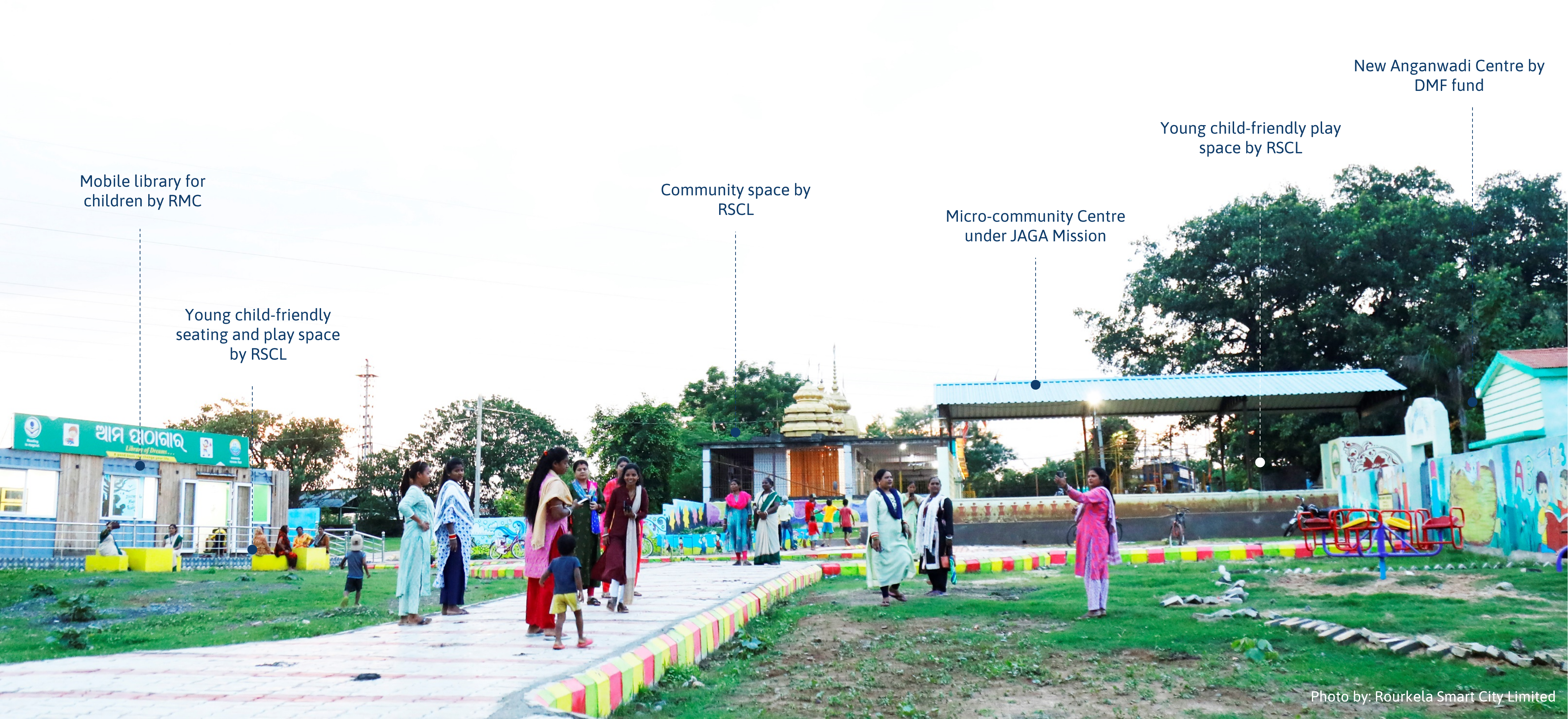
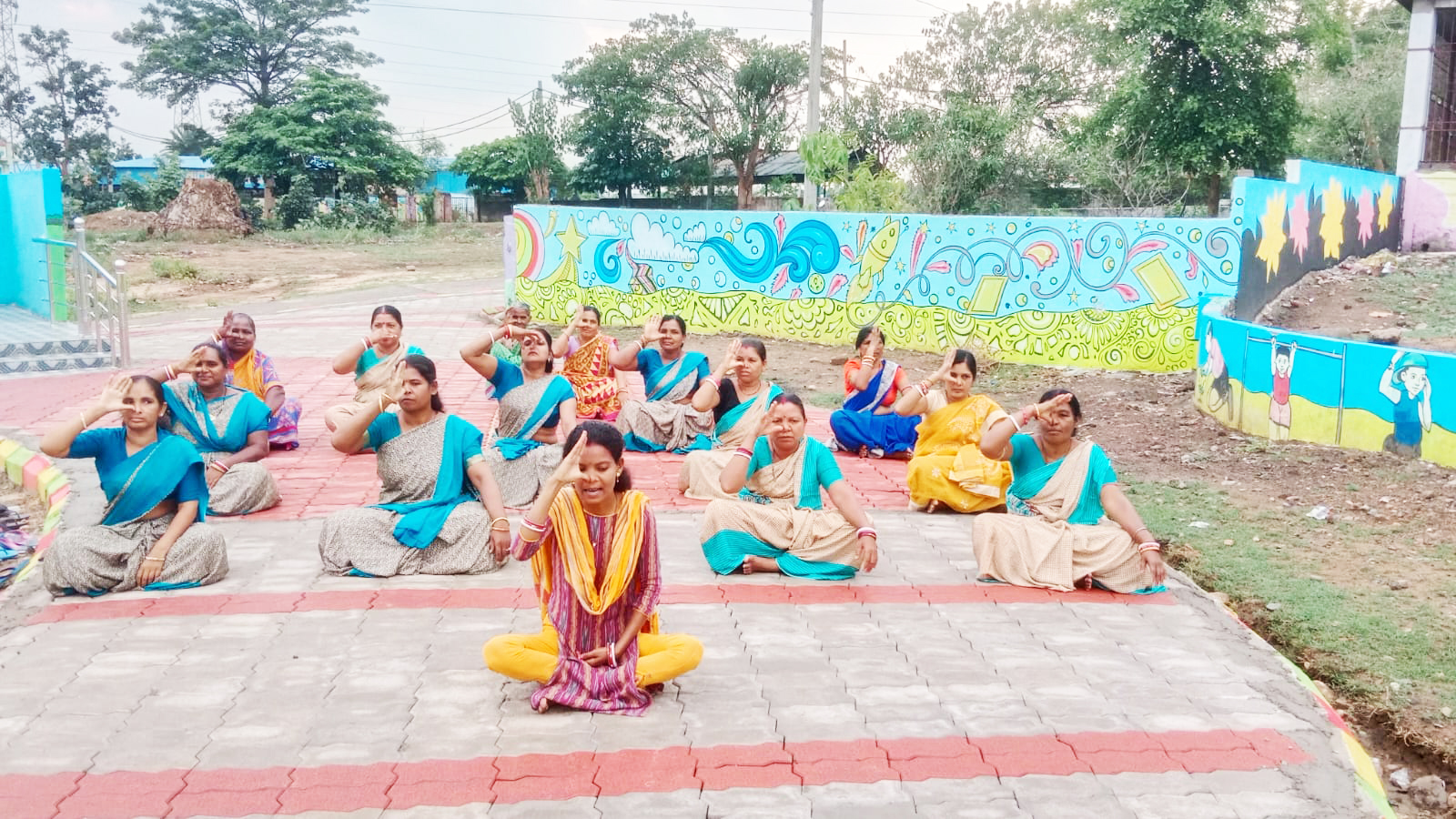
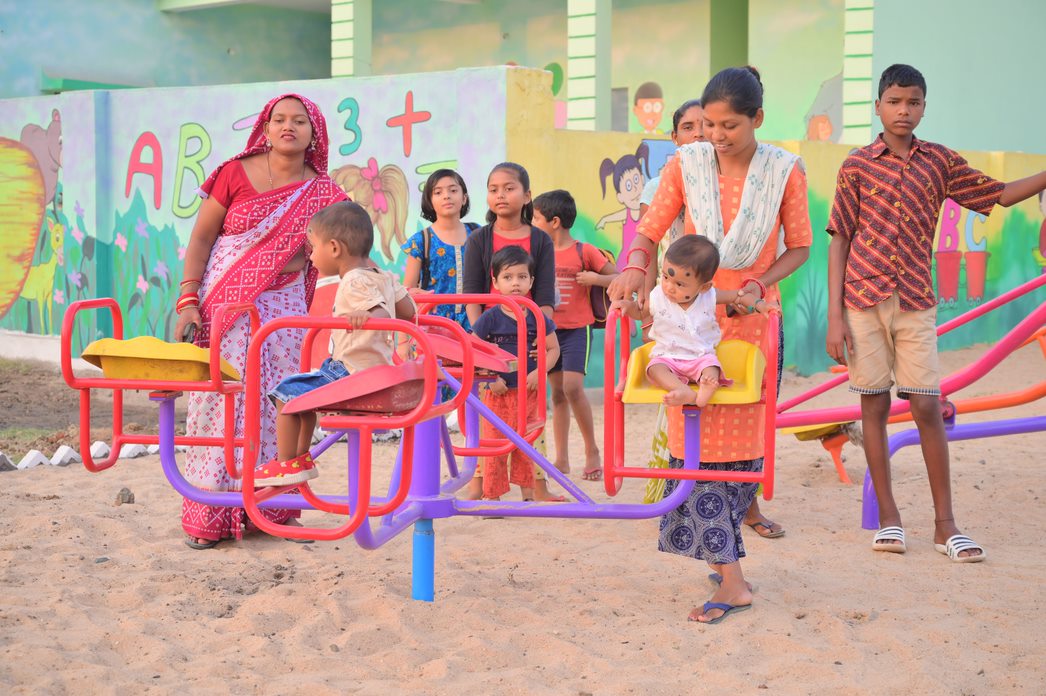
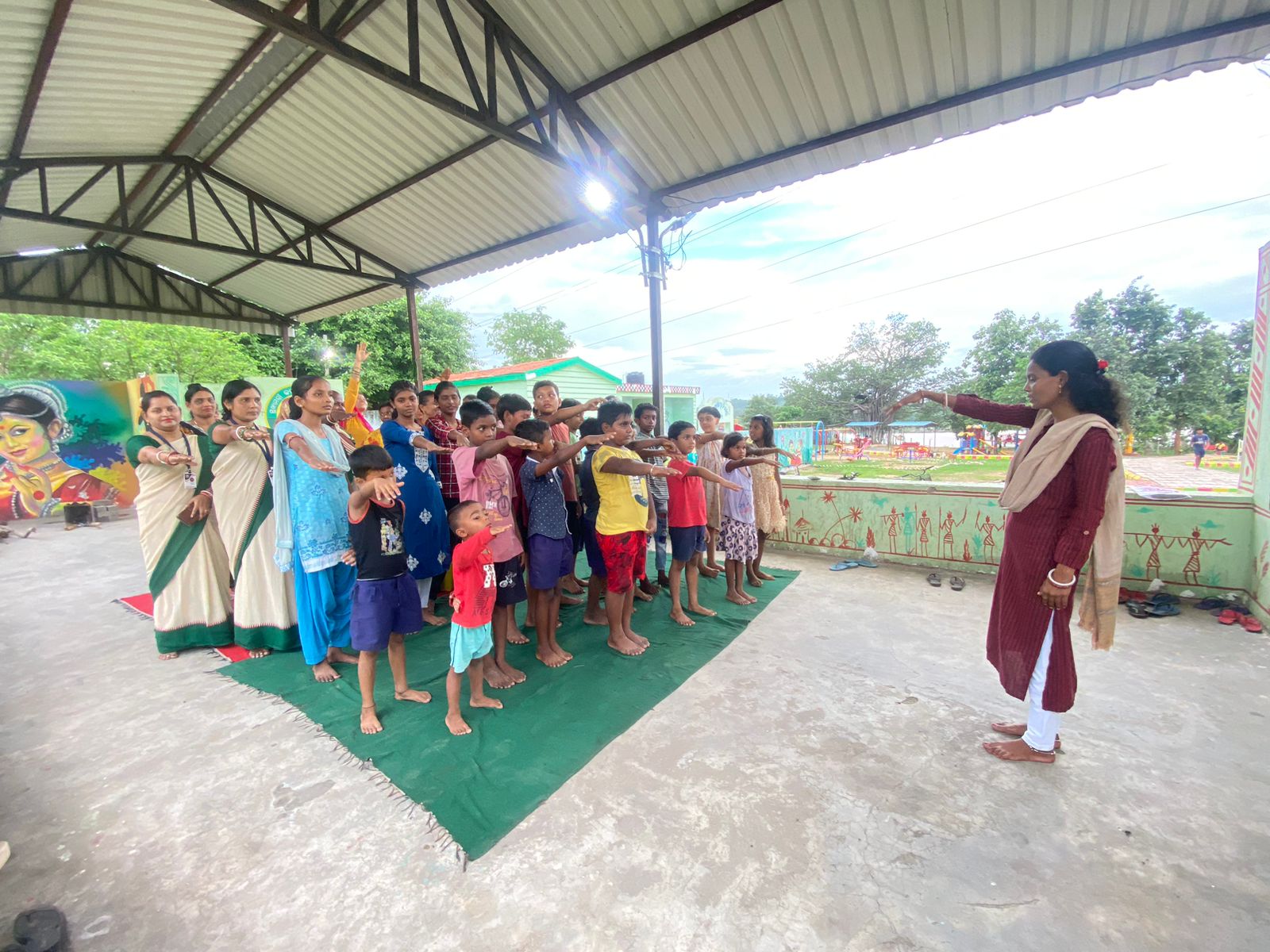
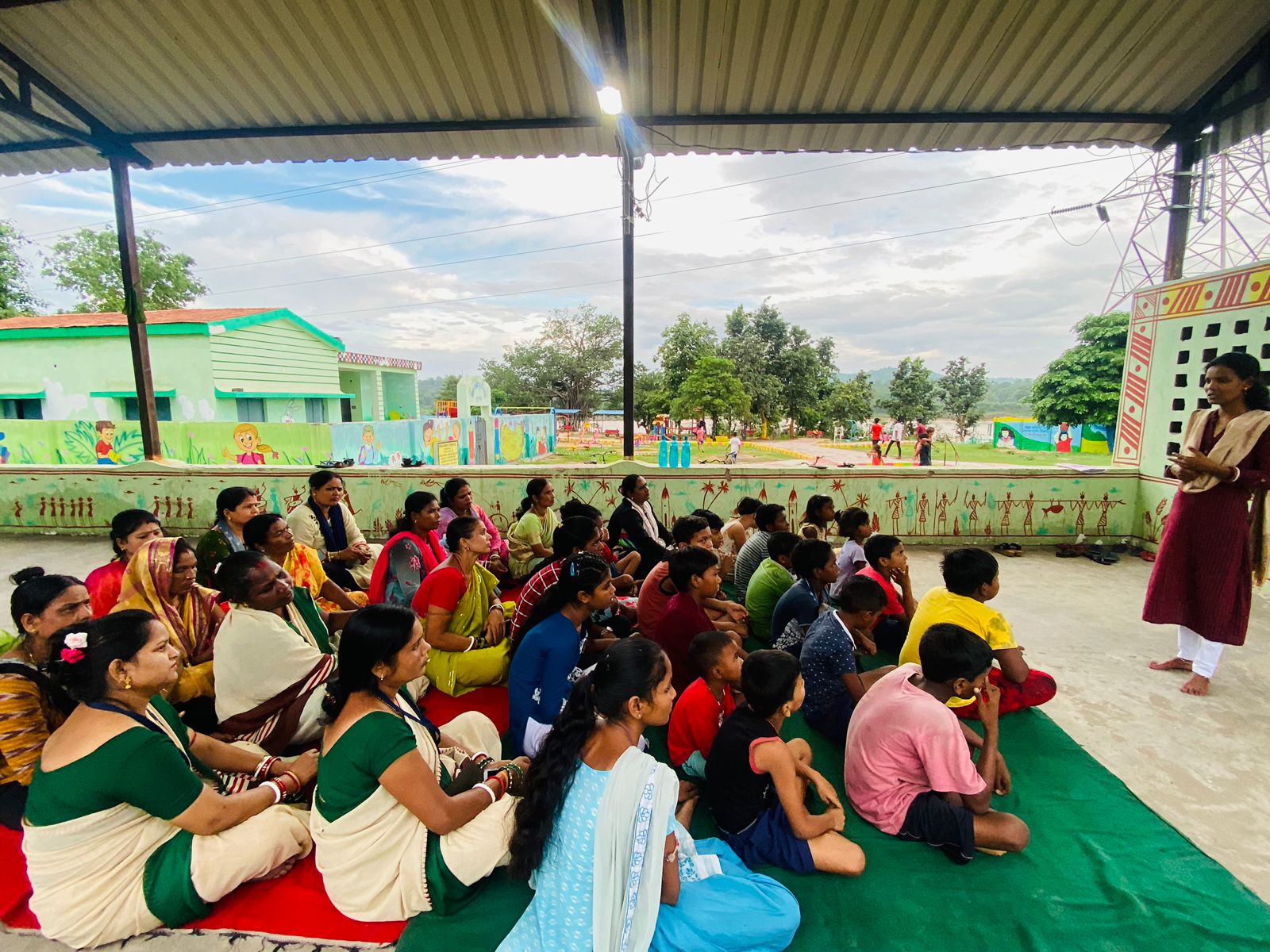
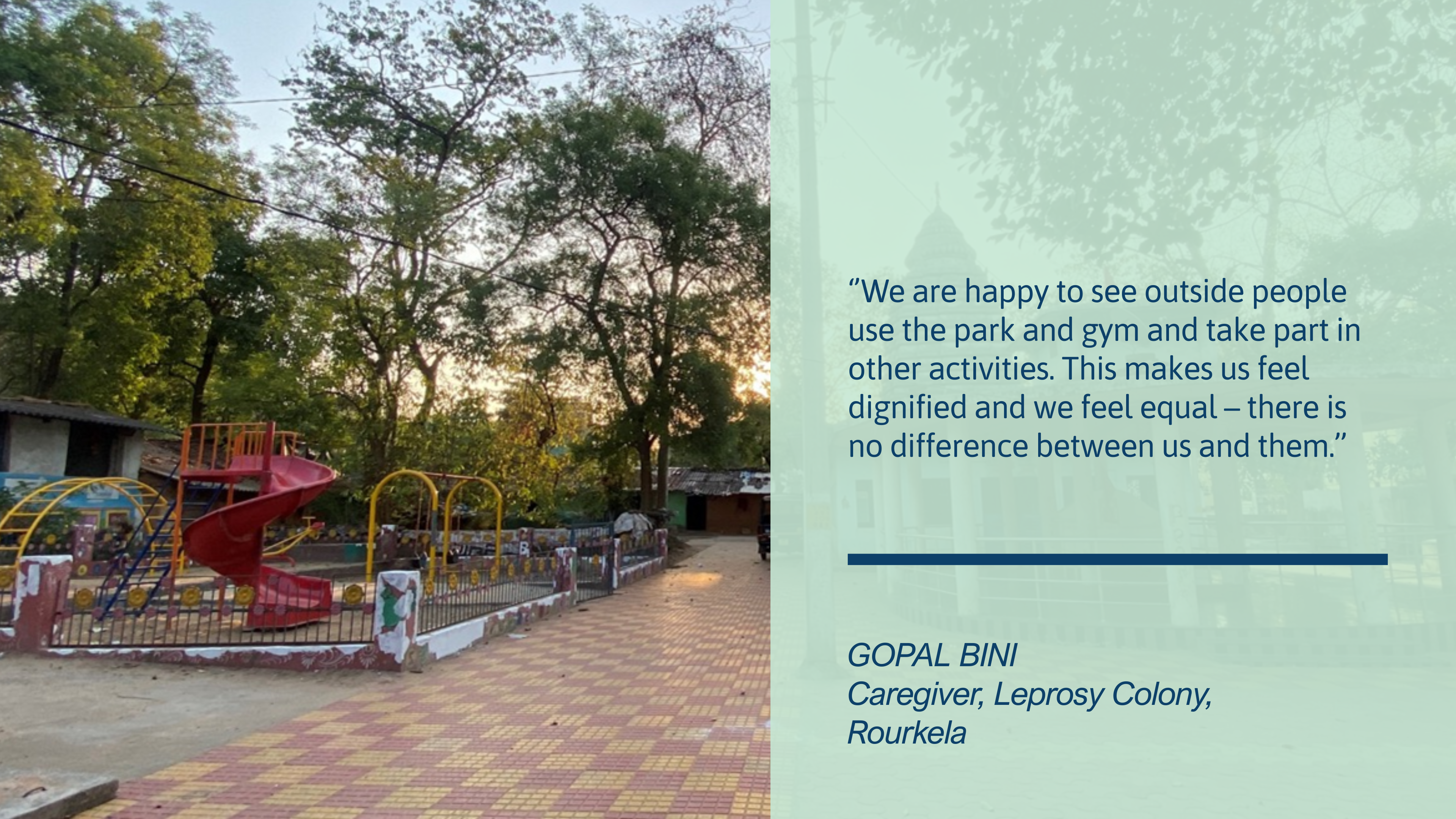
The cluster of young children and women-oriented facilities along with age-specific play opportunities has provided a multi-functional public space for all users. This community-driven transformation done by leveraging funds from various government schemes has enabled multitude of activities in one public space, encouraging social interaction and quality outdoor time spent by young children and caregivers.
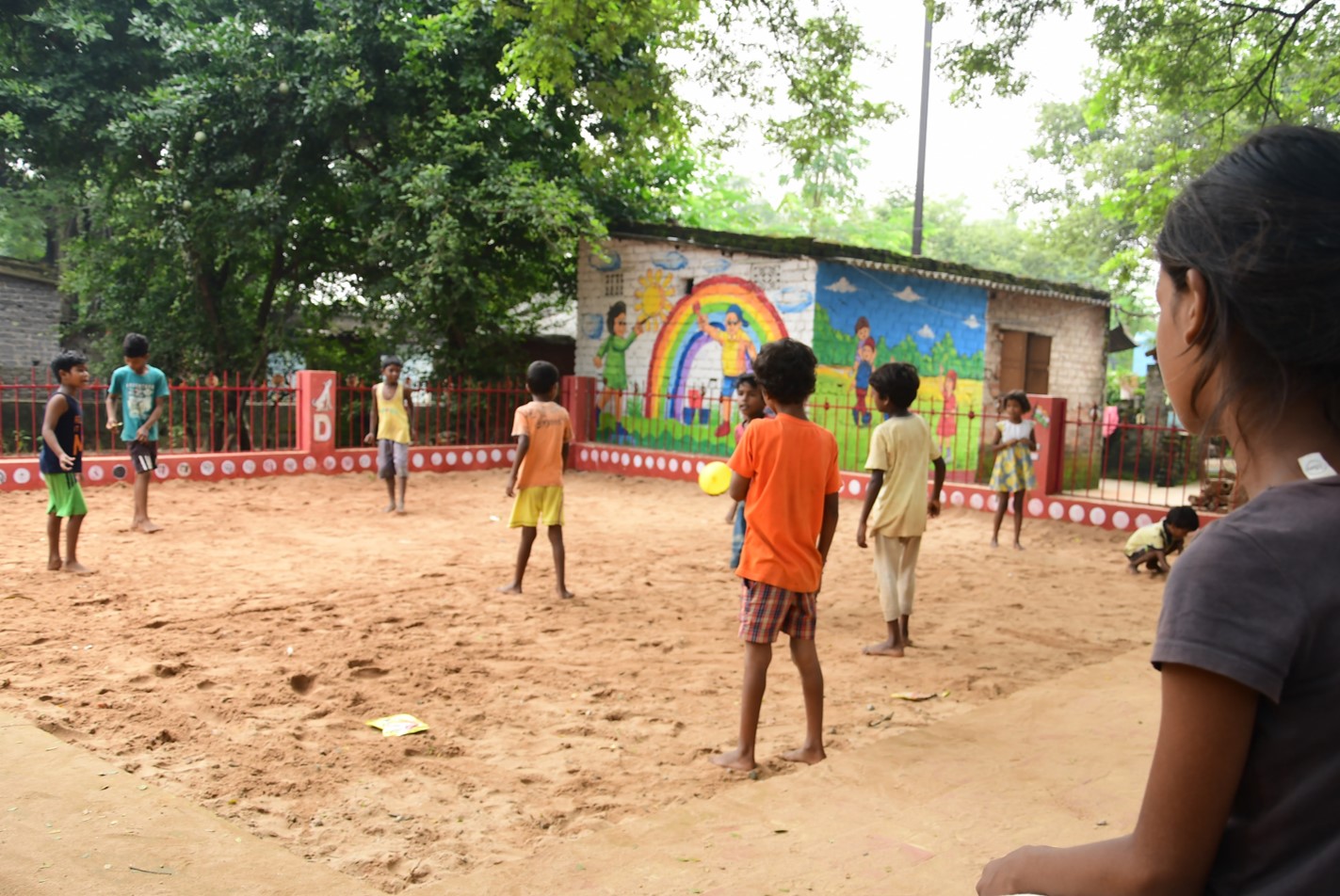
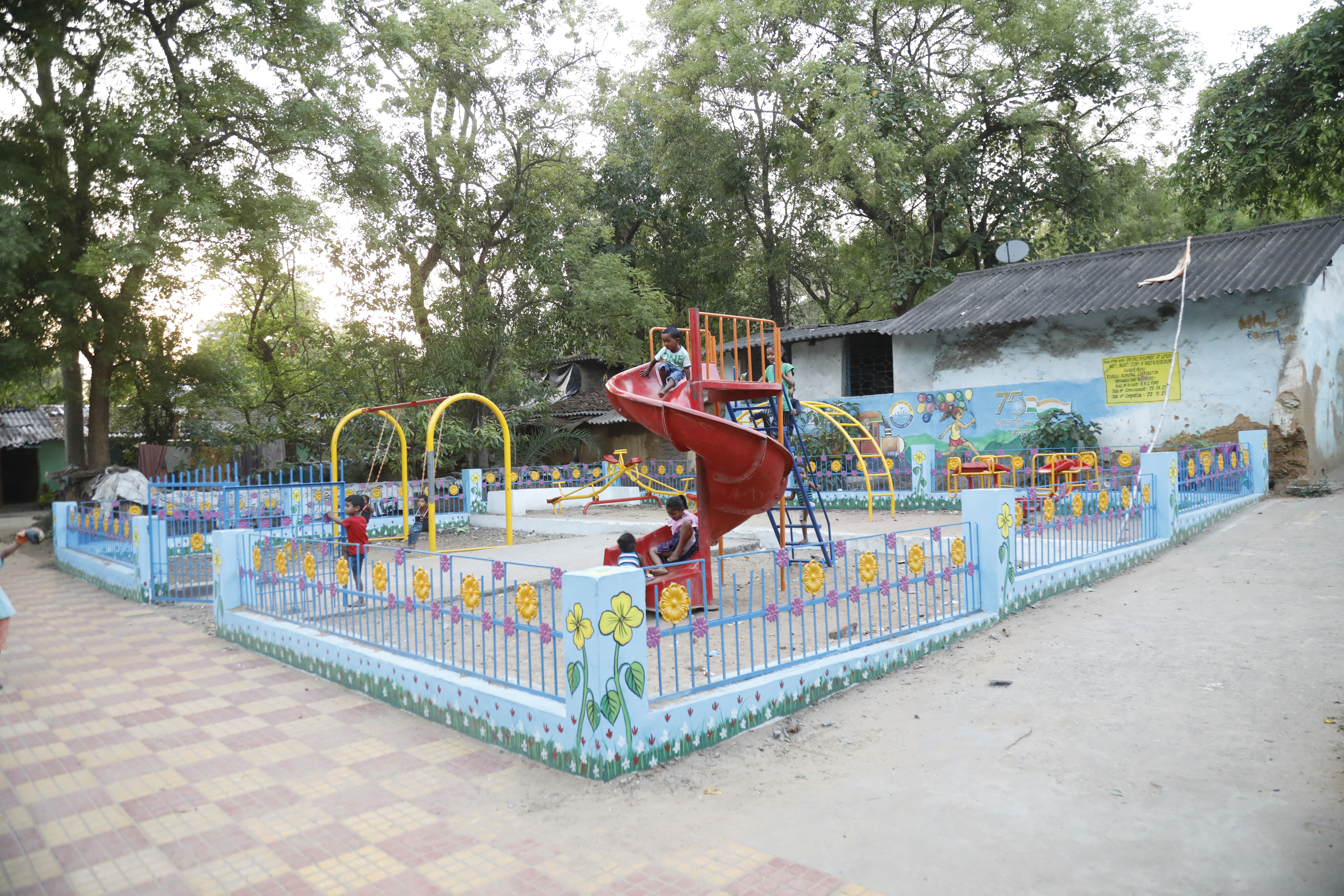
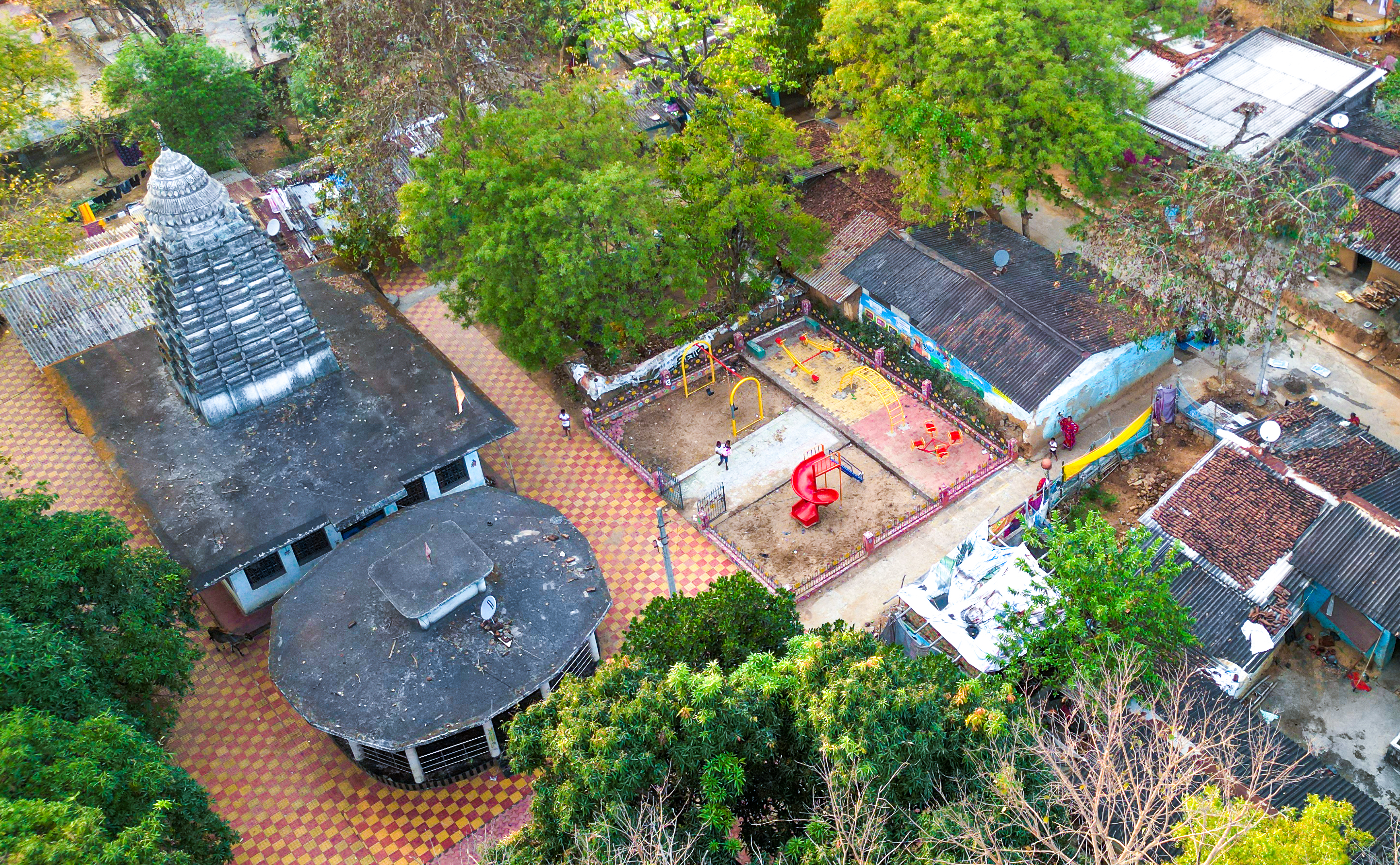
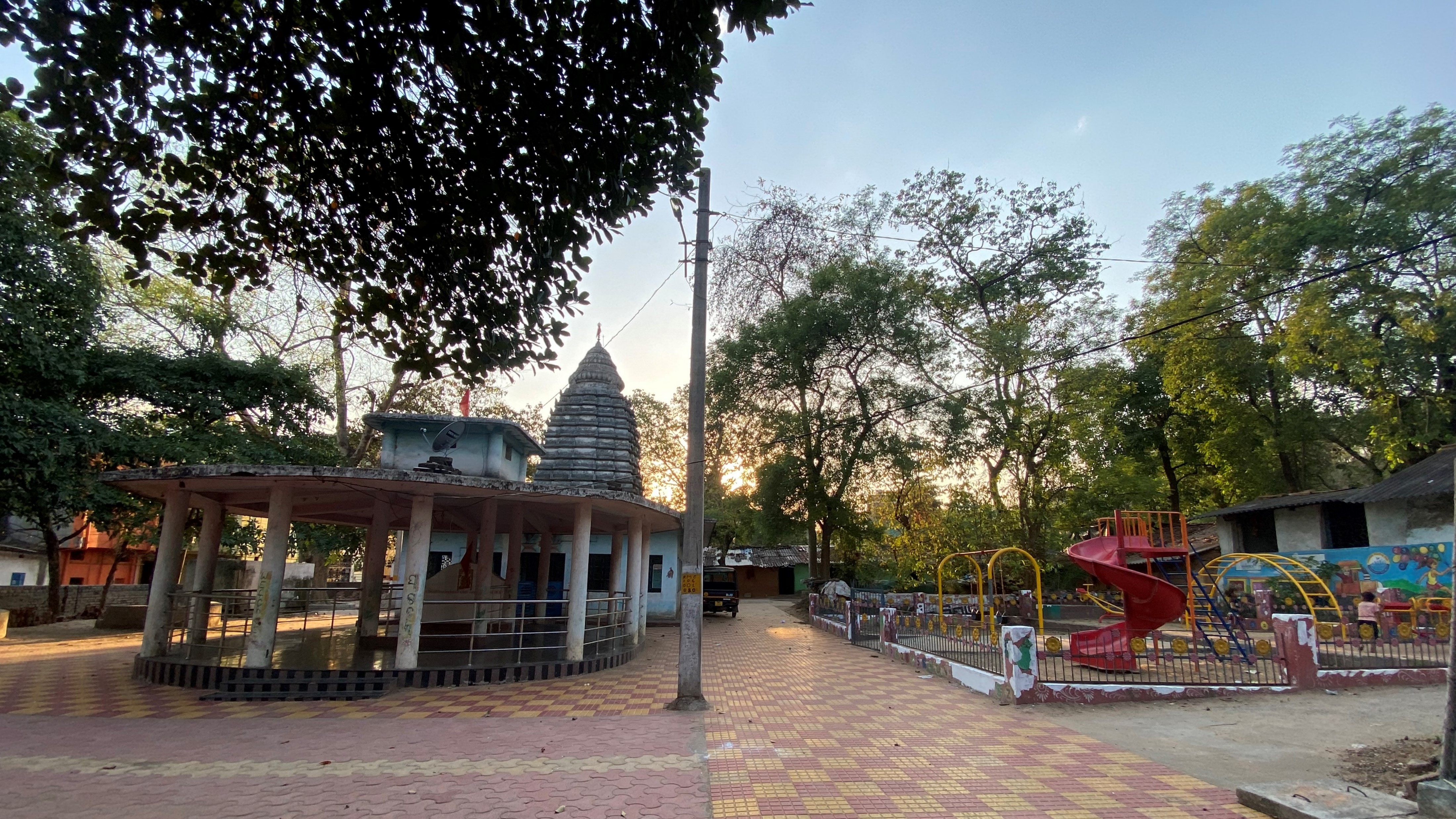
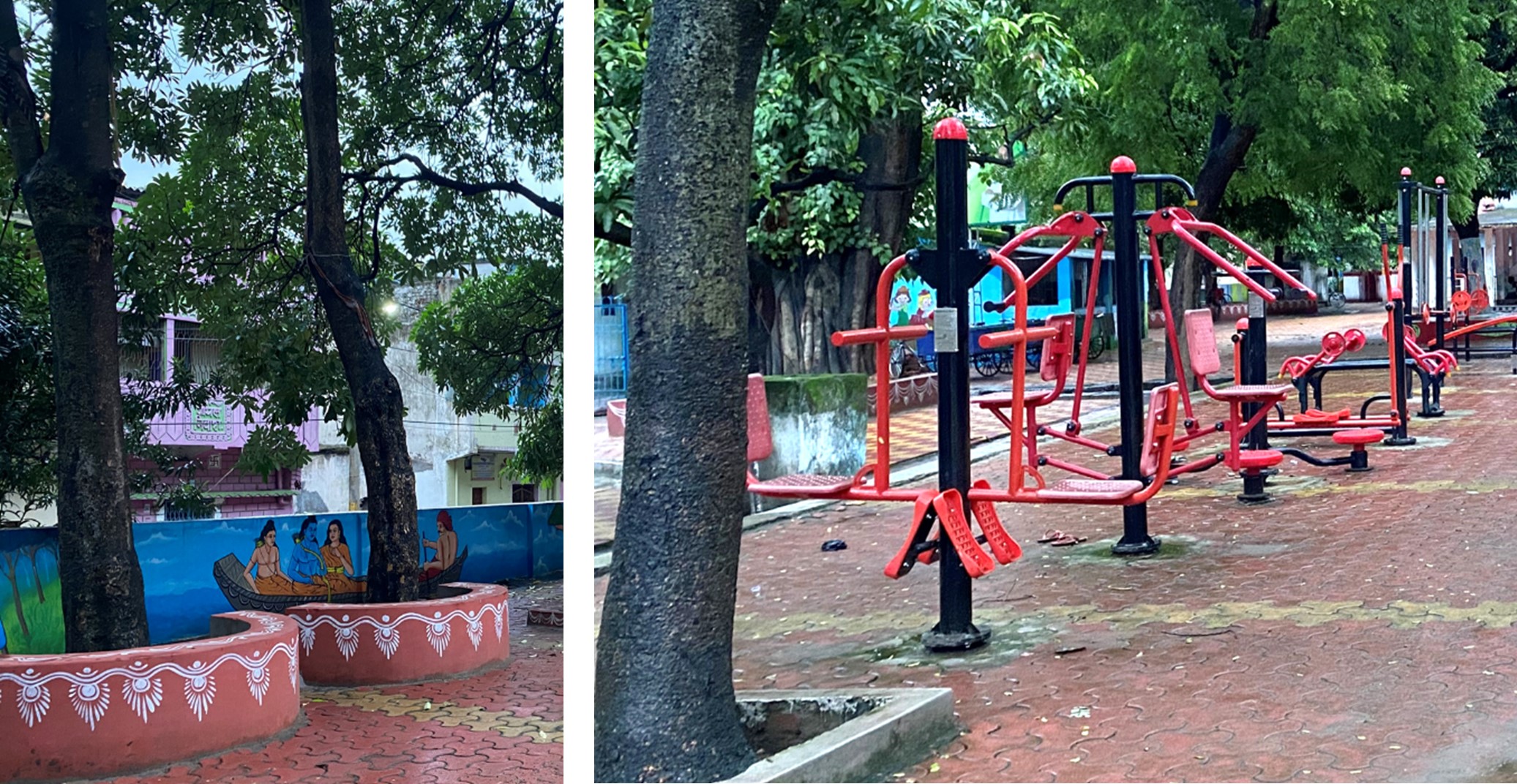
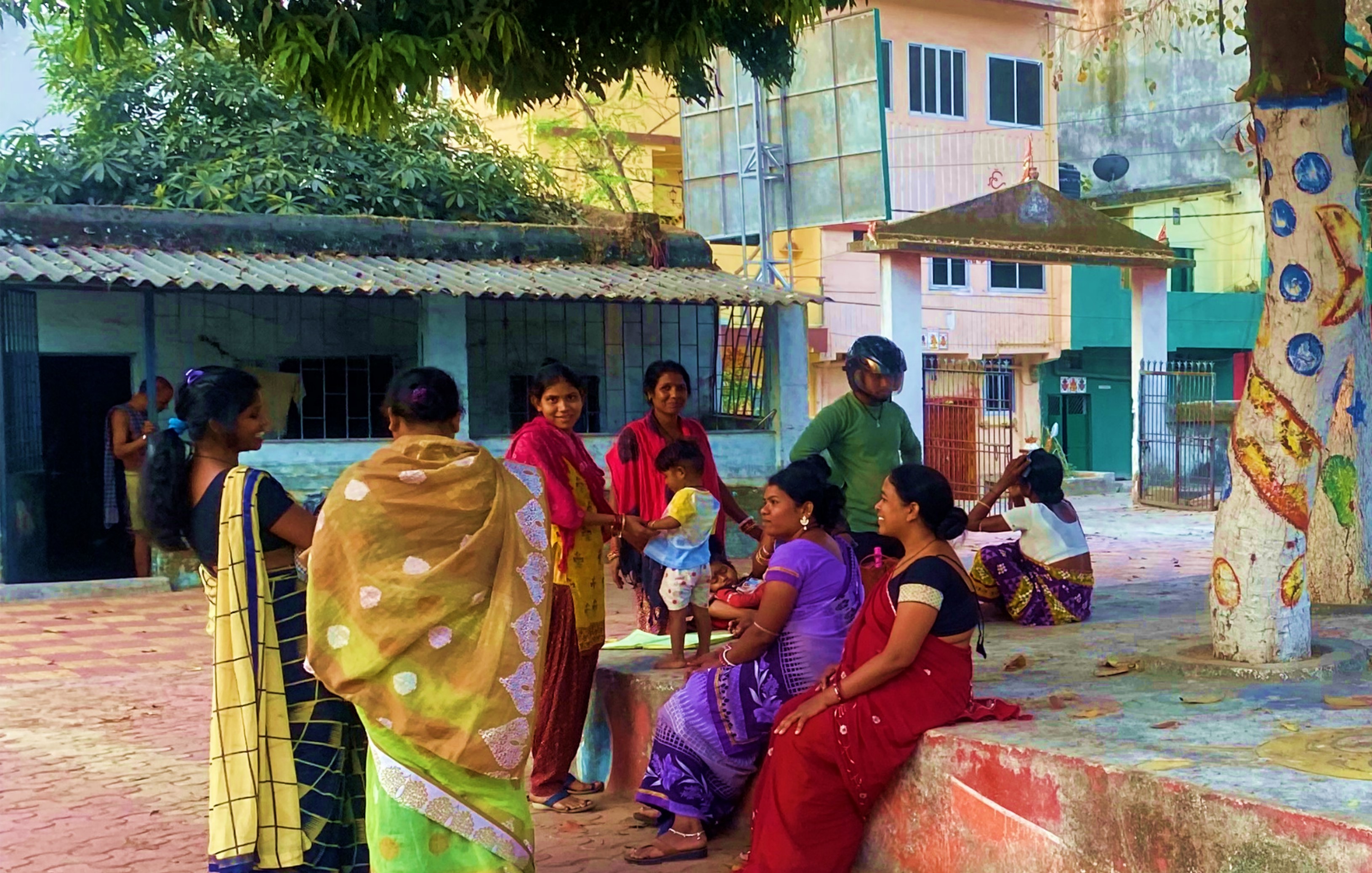
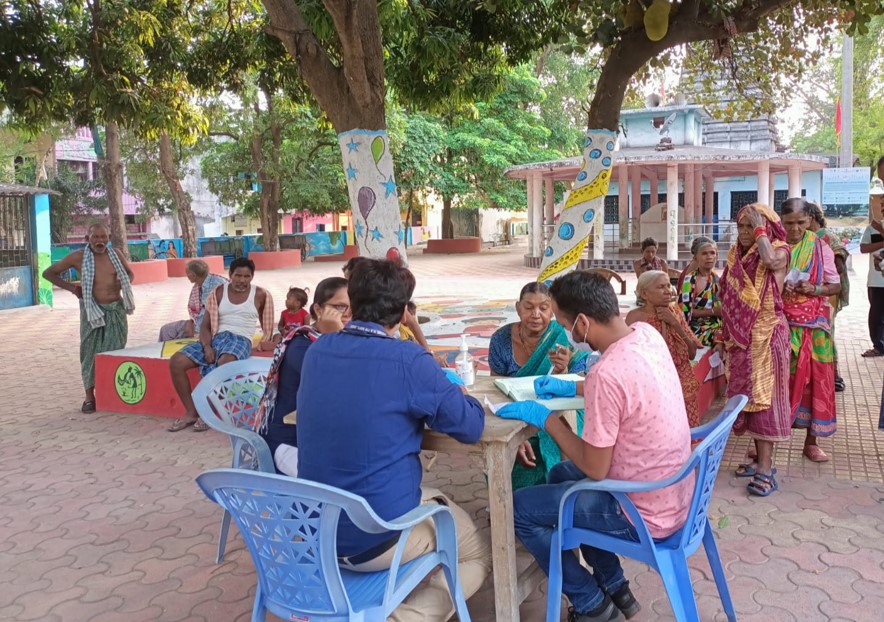
The integrated public realm in the Leprosy colony has provided a much-needed outdoor space for this marginalized community. The public space has brought together people from the colony and nearby settlements to use the children’s play area, attend activities such as medical camps, self-help group meetings frequently. The public space has effectively blurred the physical and social boundaries that once existed between the communities.
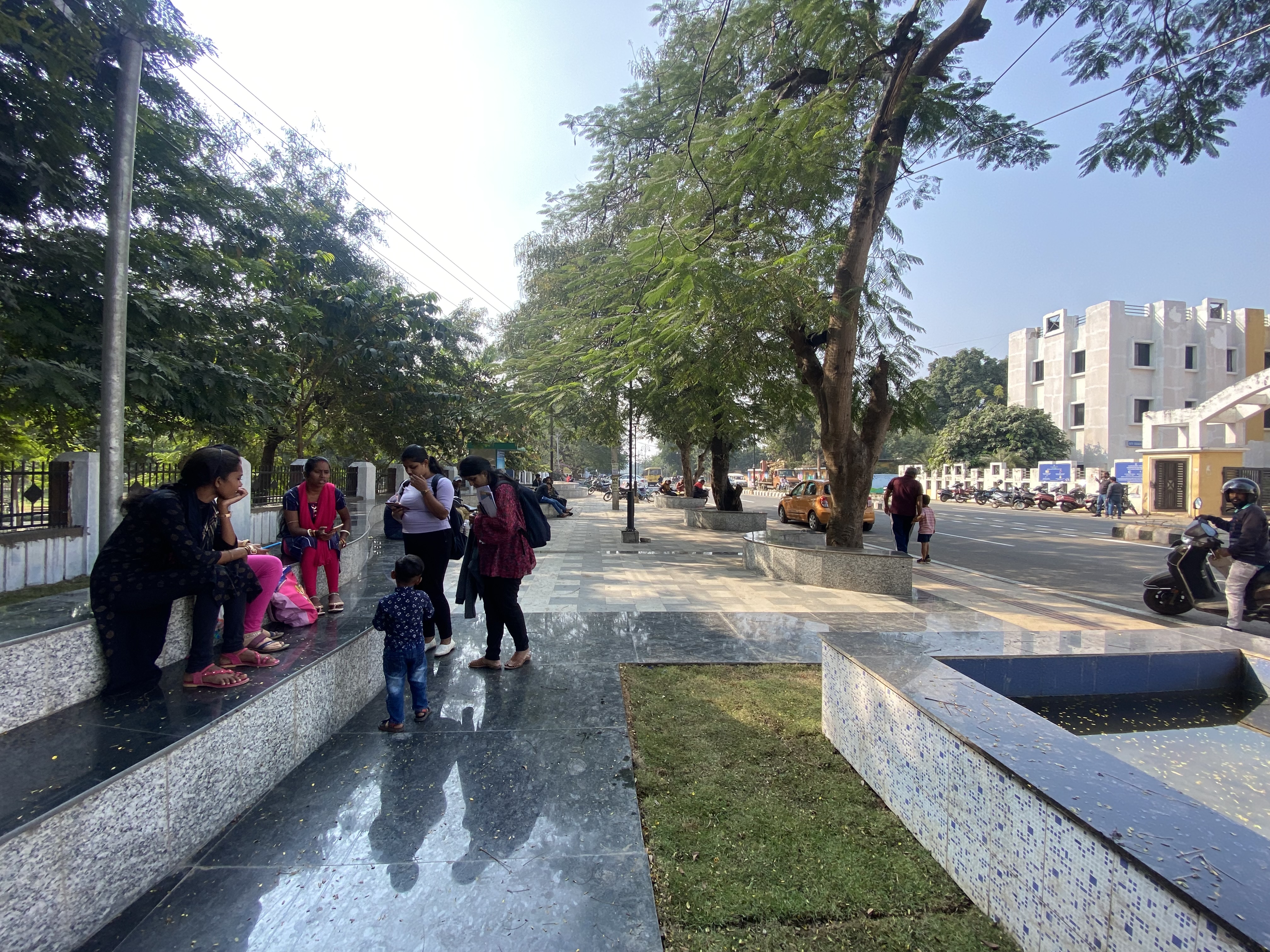
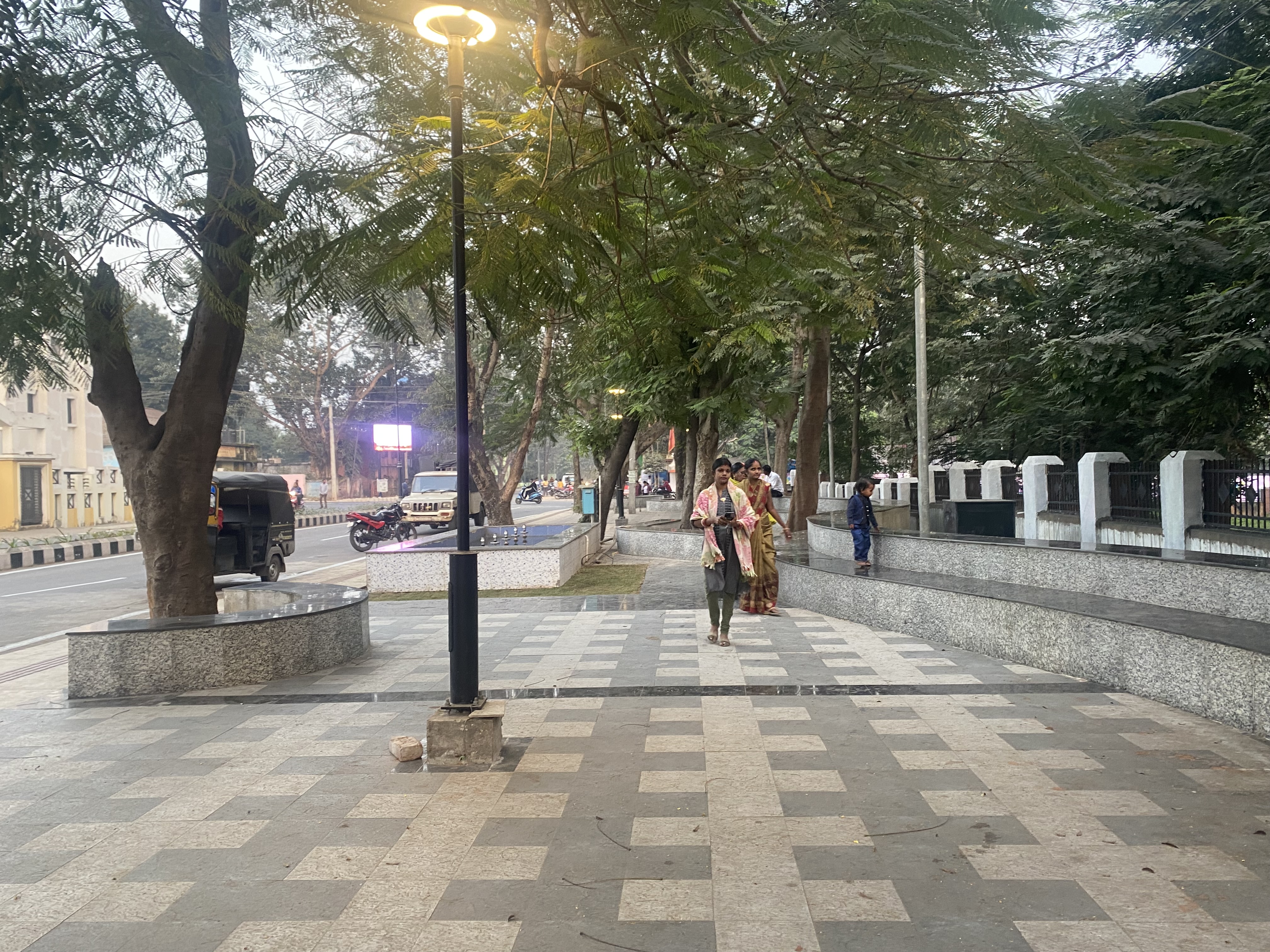
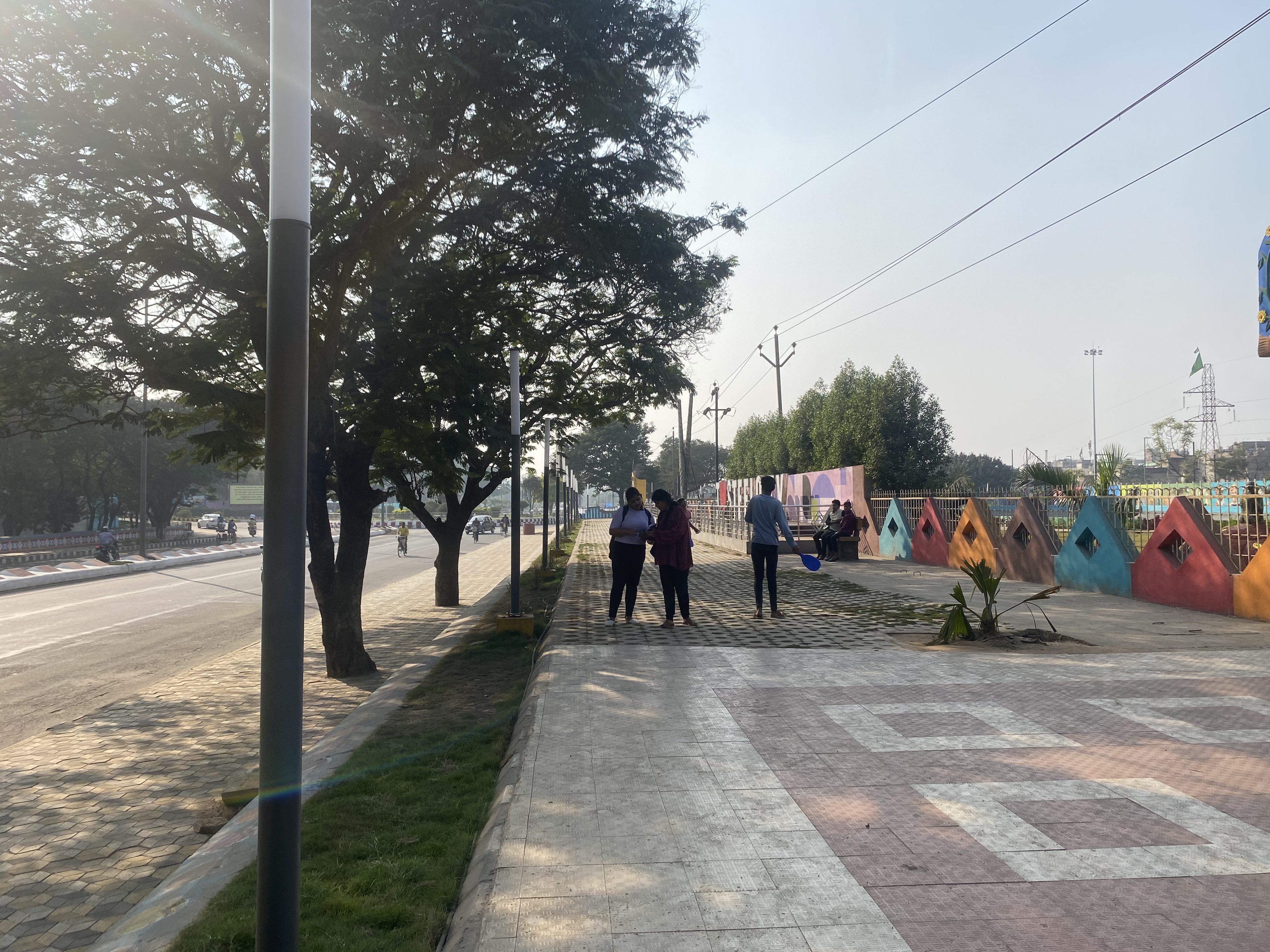
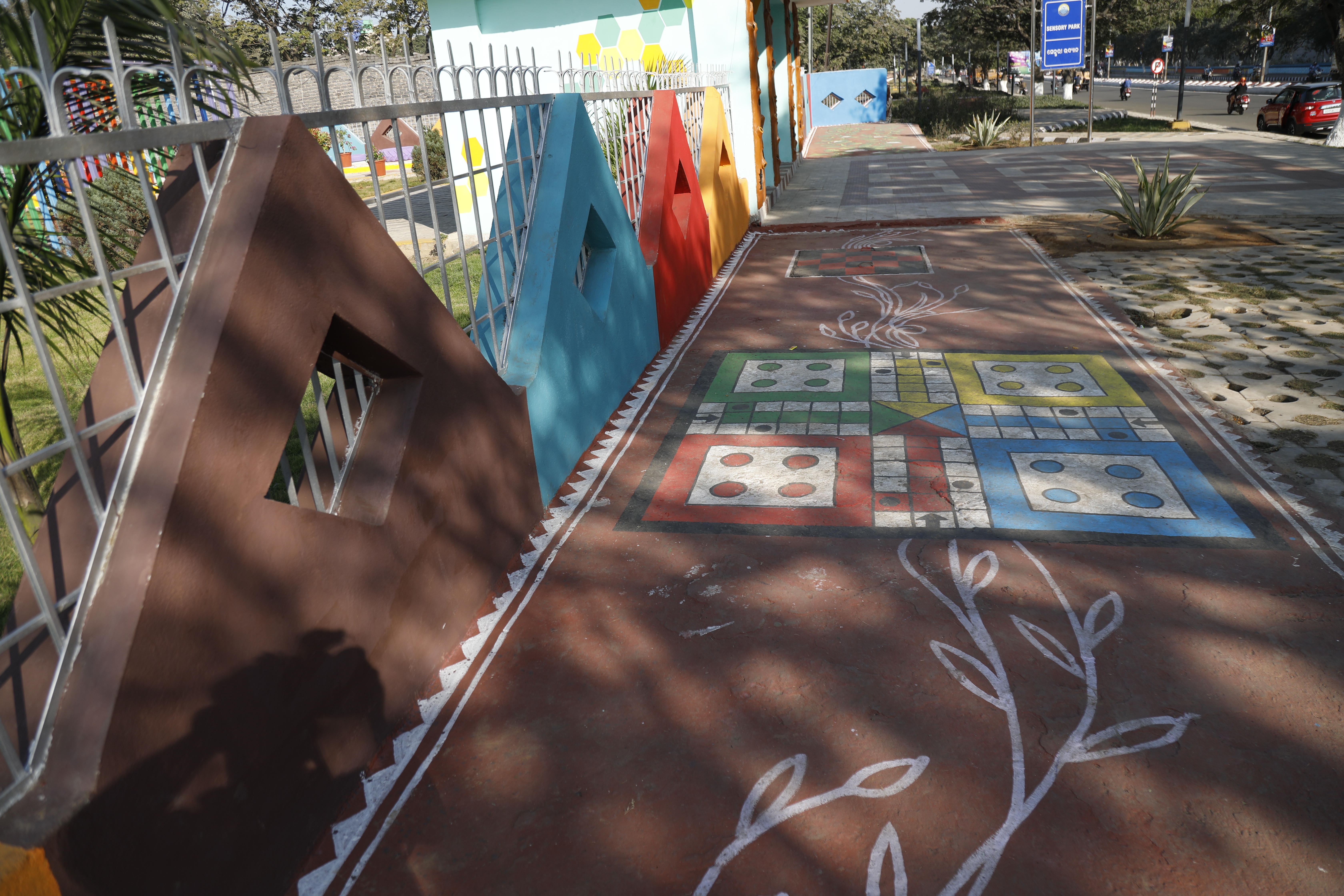
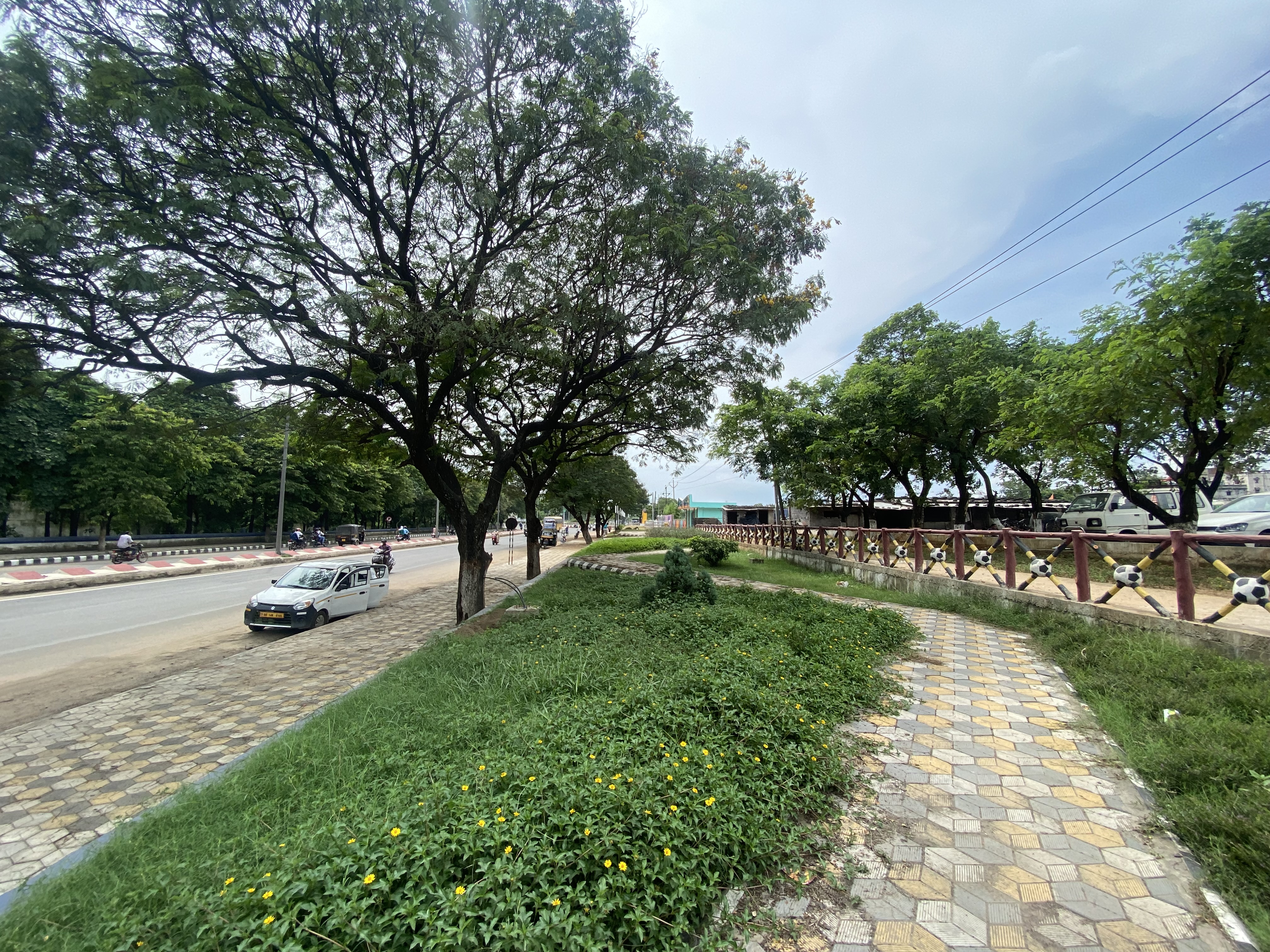
The city improved access to parks by providing pedestrian infrastructure, with continuous shaded walkways, clusters of seating areas, and play opportunities for children, away from the traffic movement.
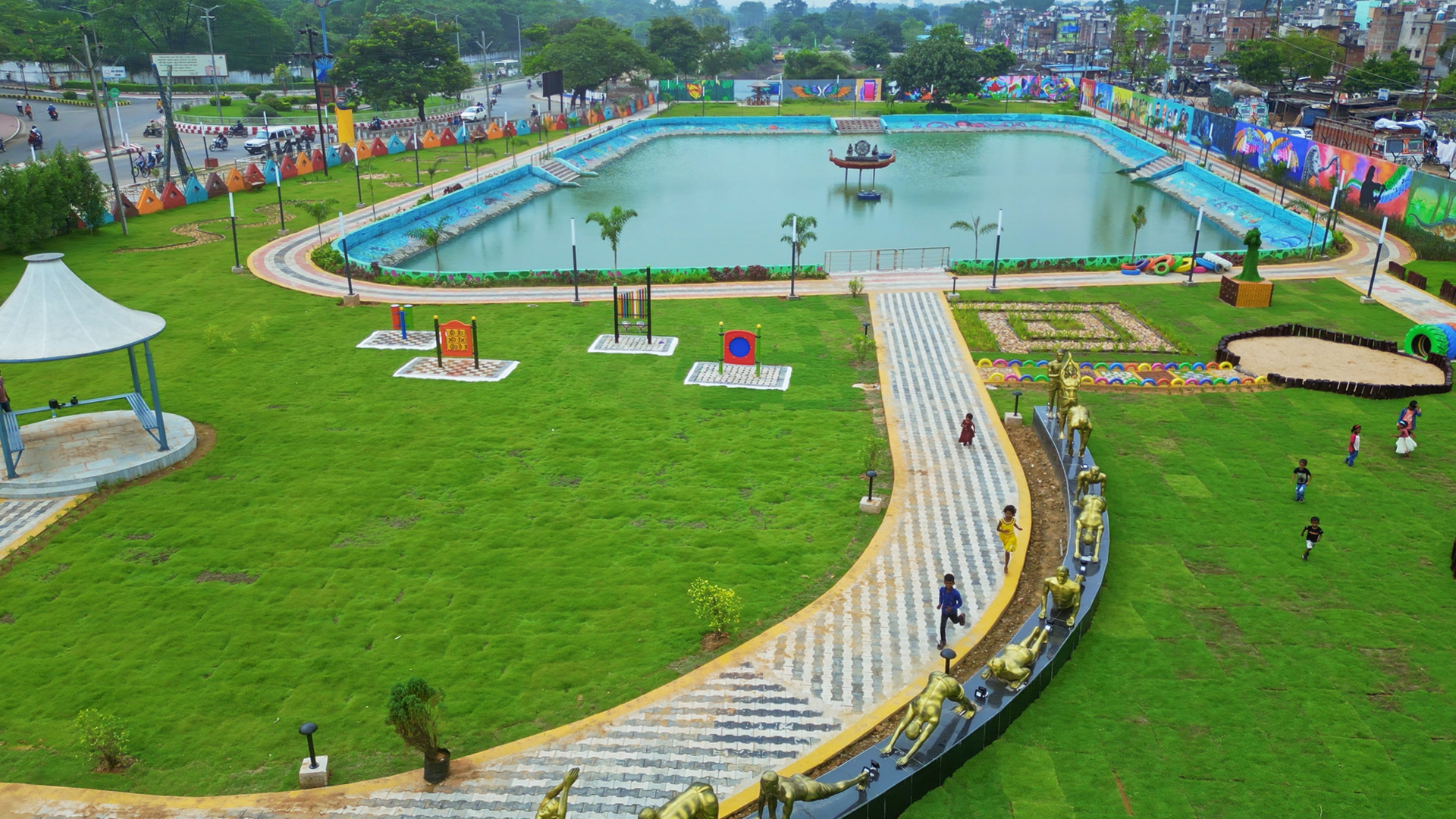
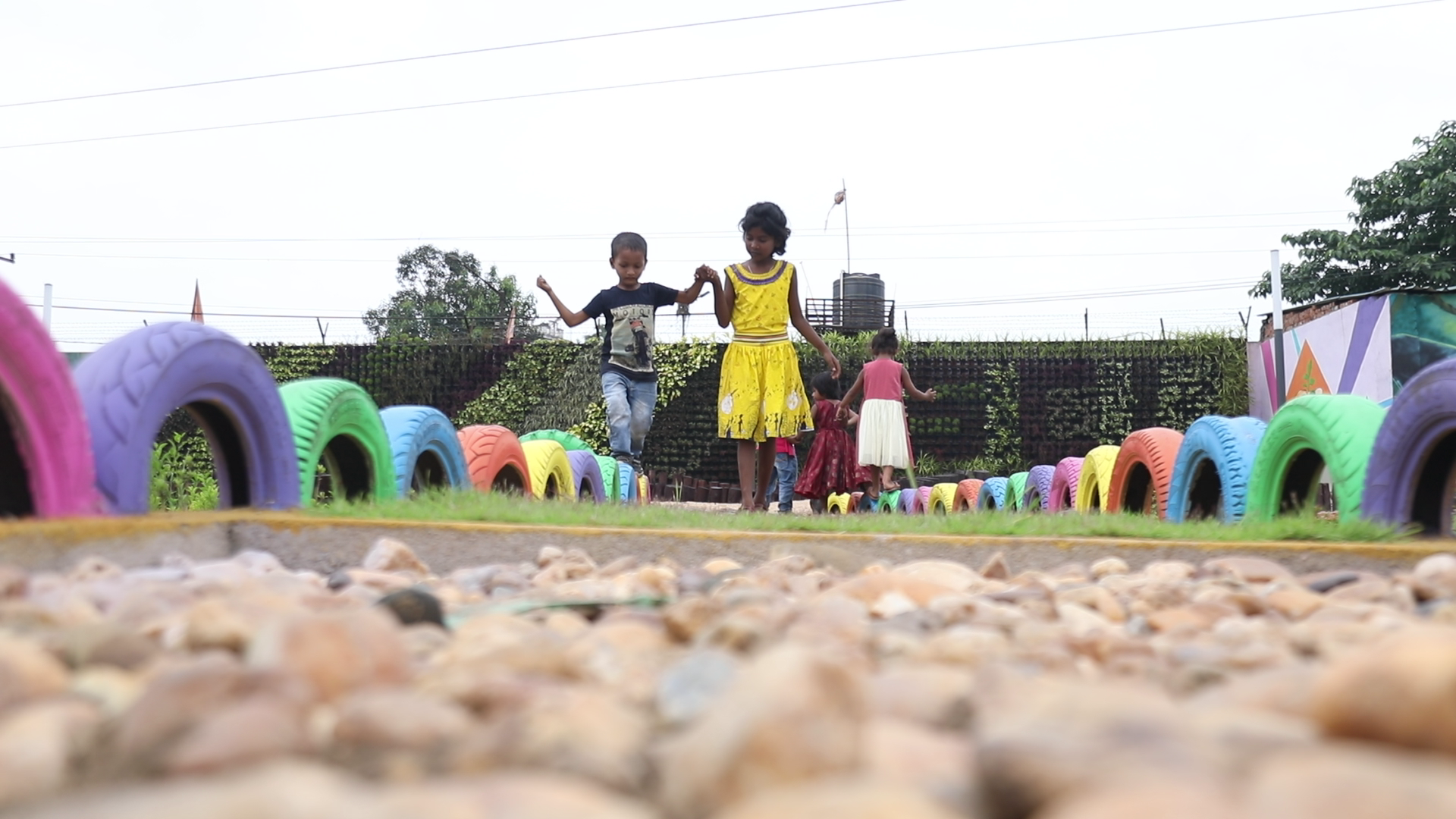
The city level park has become a popular landmark providing multi-sensory and stimulating play experiences for young children and visitors. This also benefits people from vulnerable settlements located along the site.
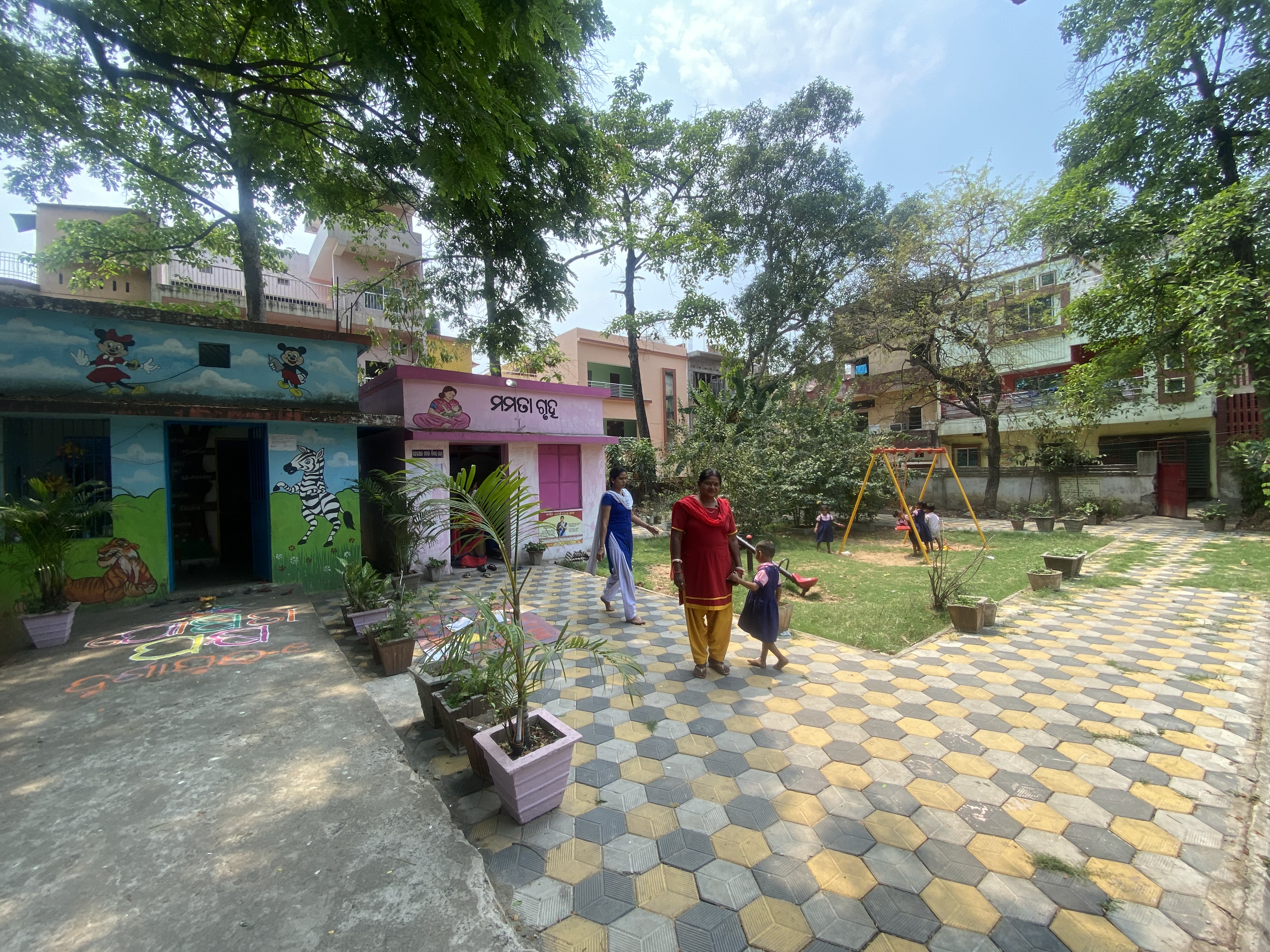
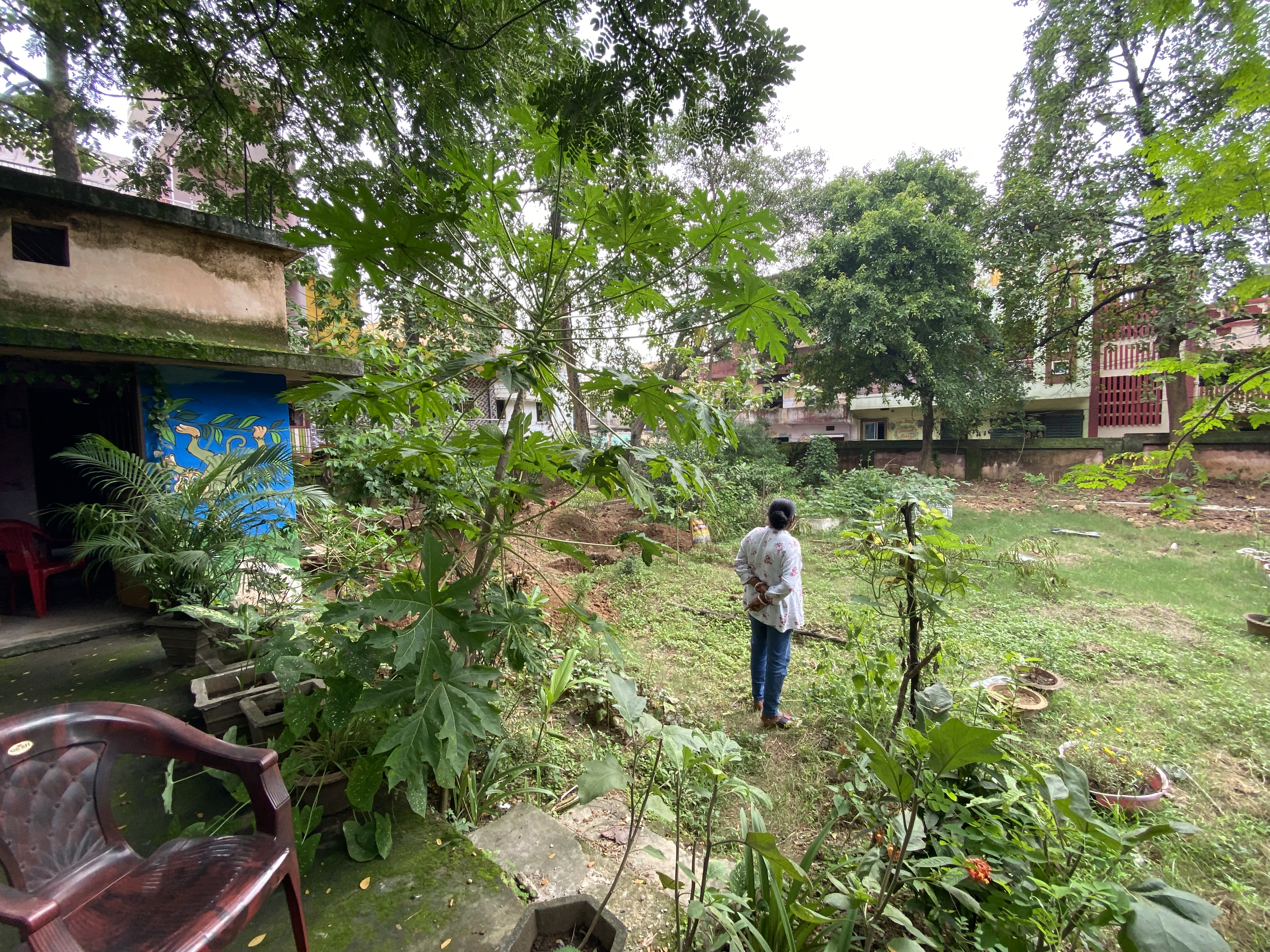
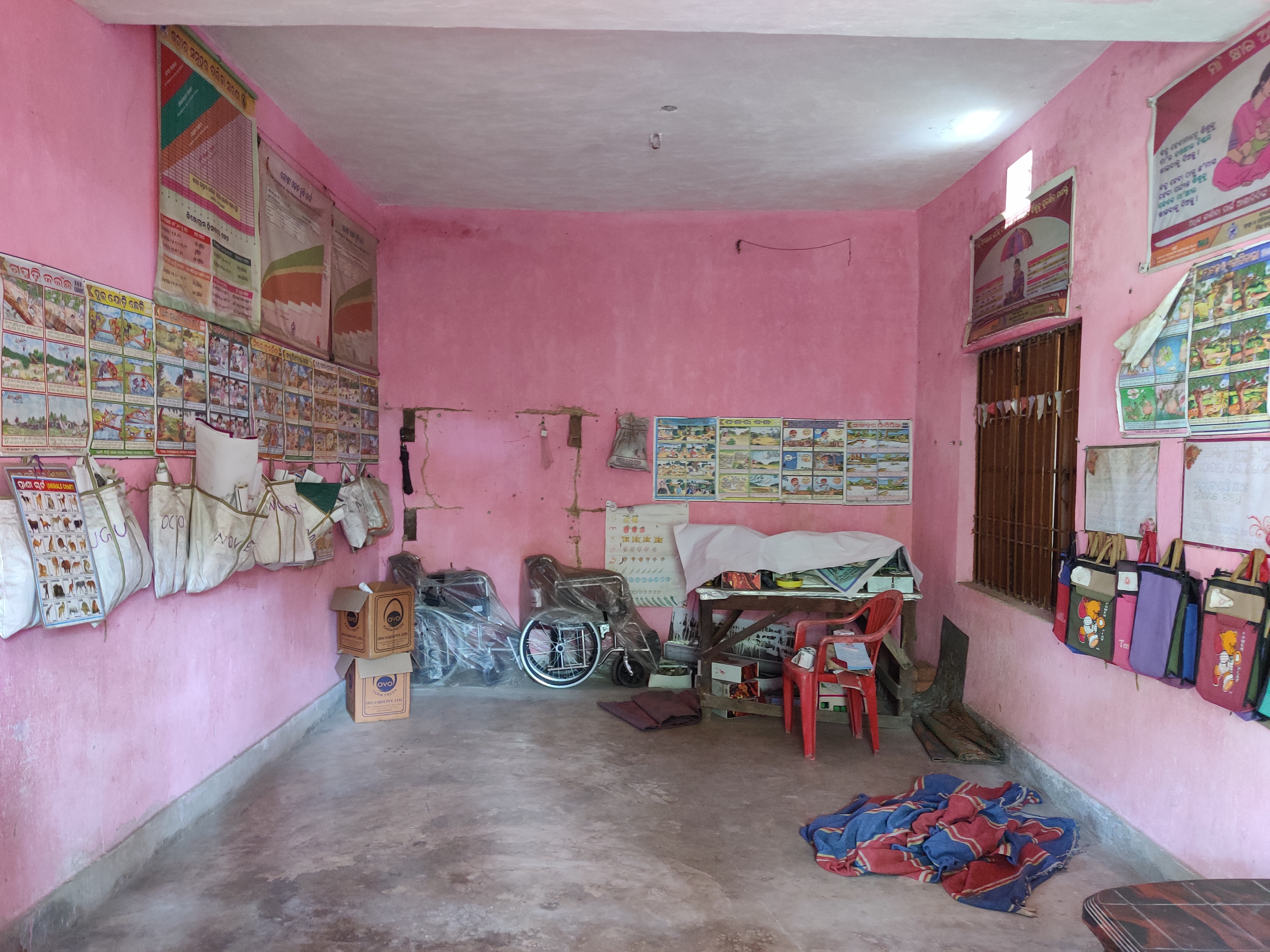
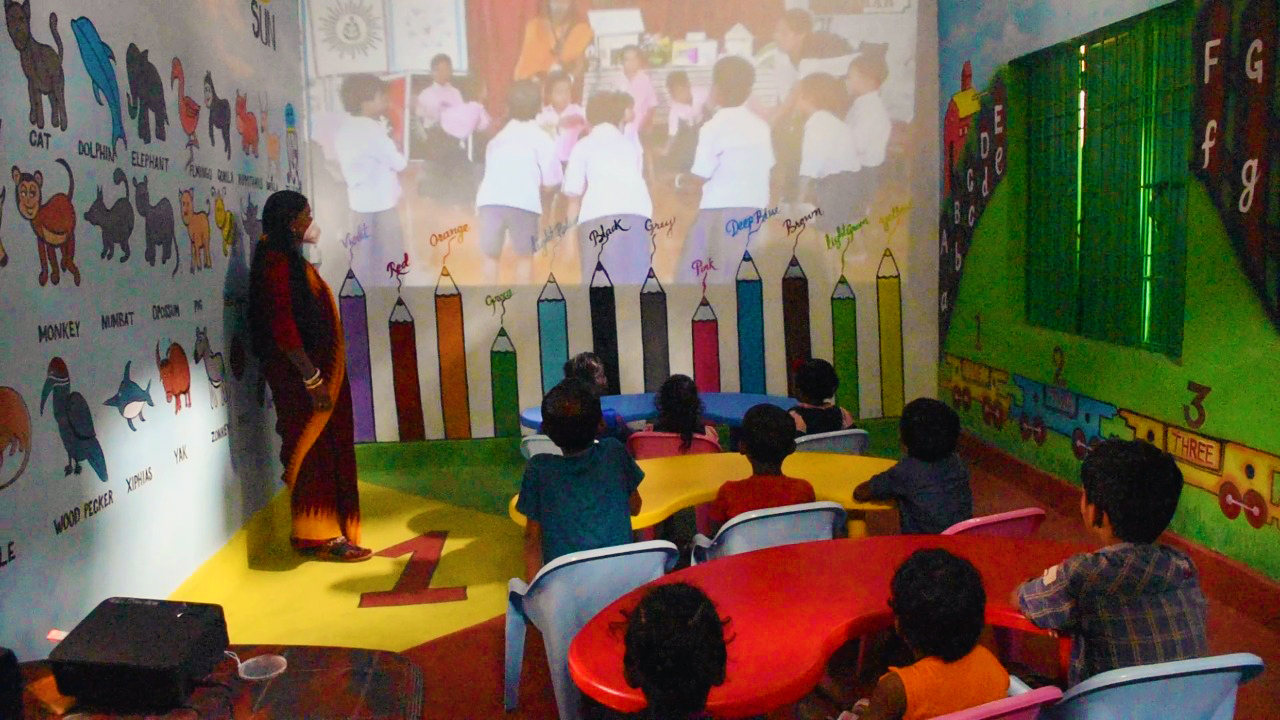
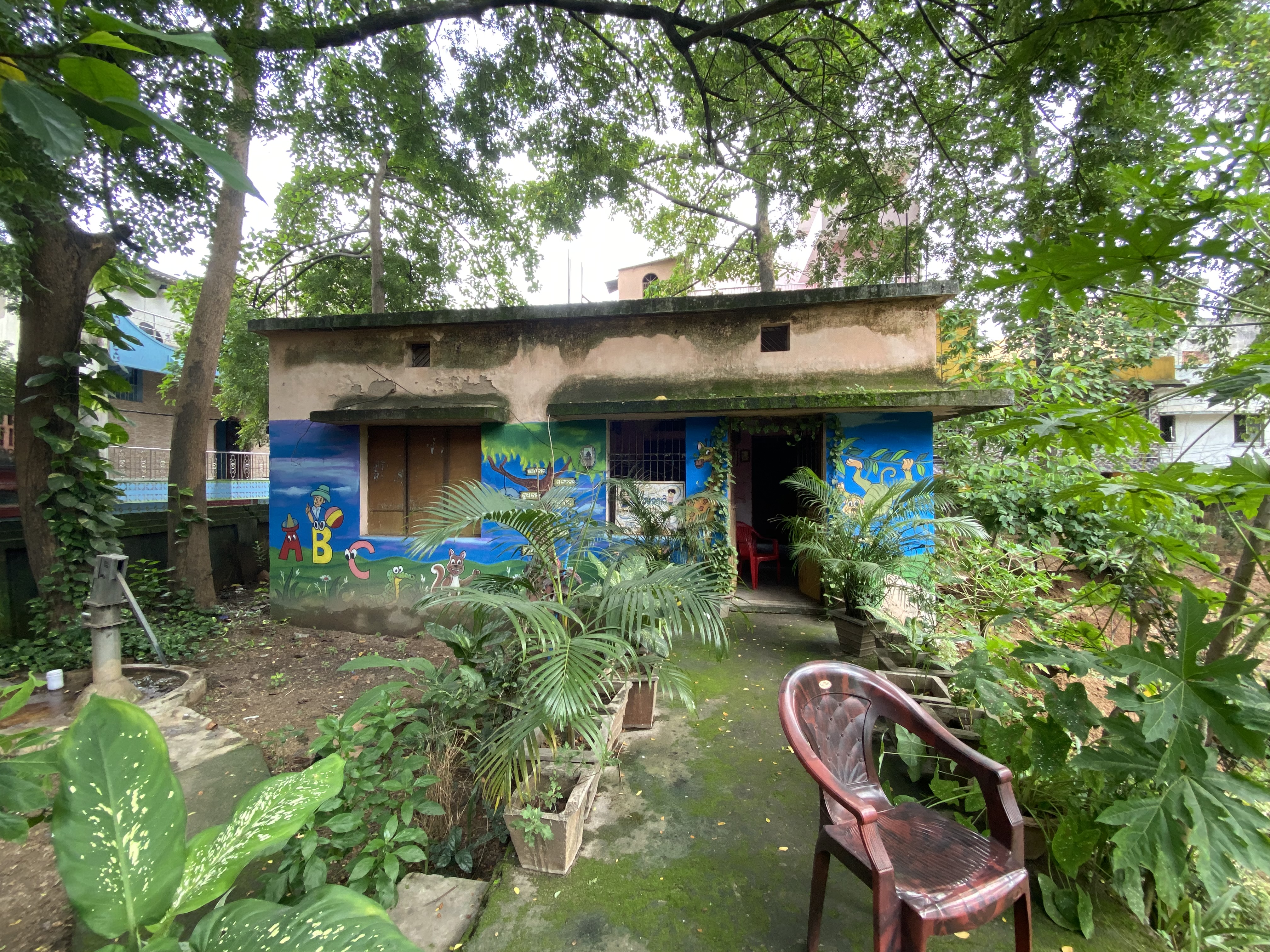
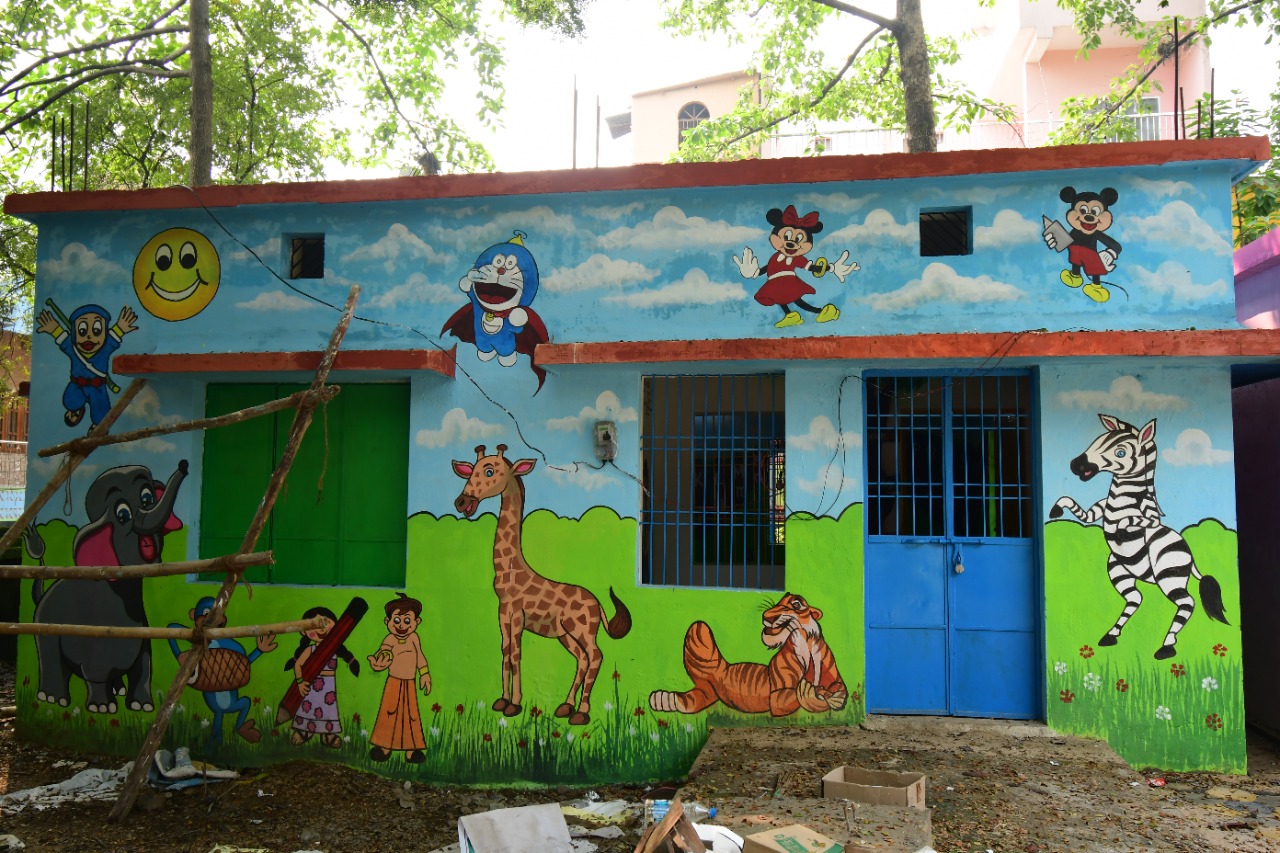
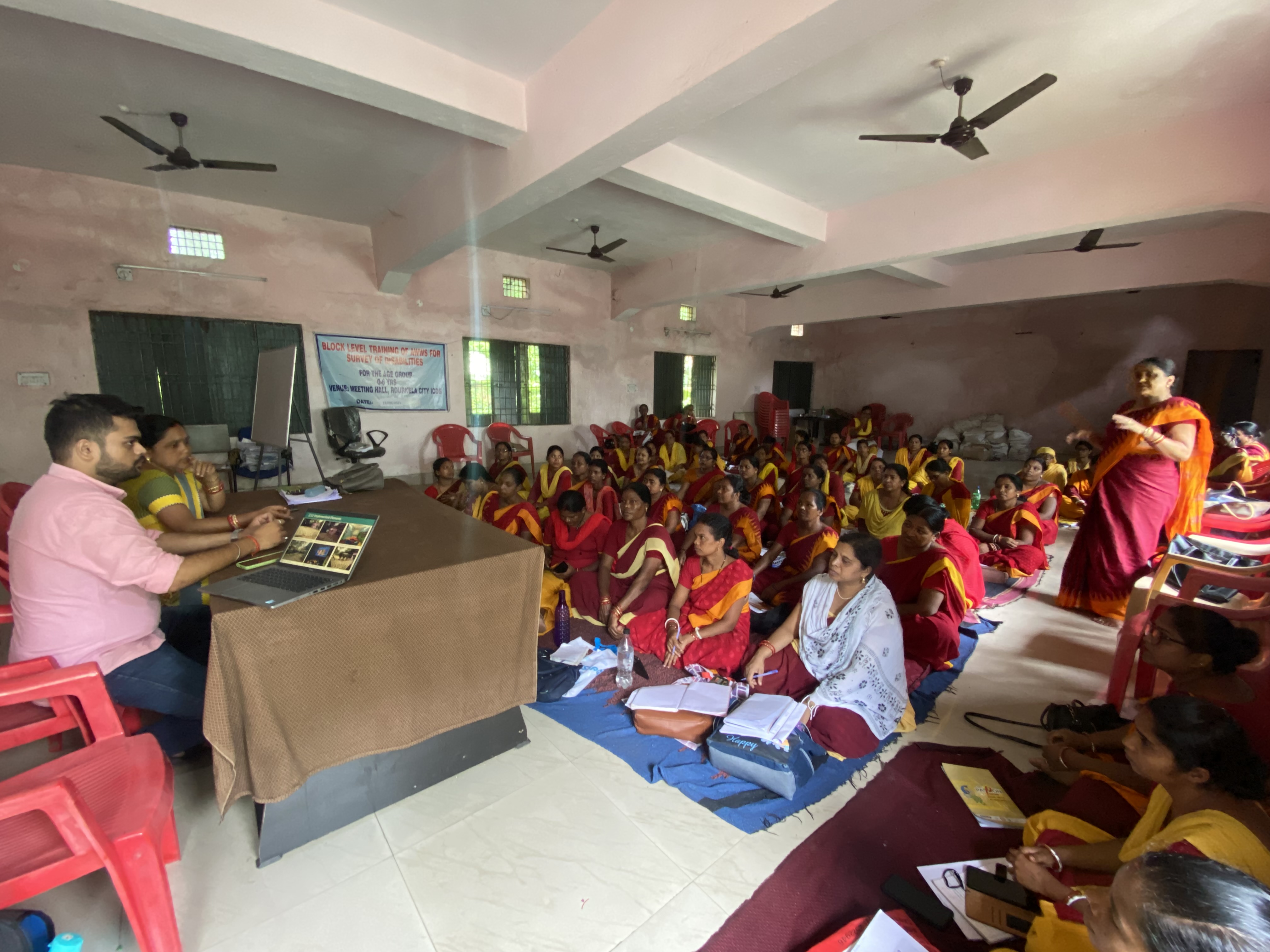
Anganwadis and public health centres were retrofitted with play spaces and caregiver-centric amenities such as breast-feeding pods. Rourkela is developing model Anganwadis with outdoor play areas, kitchen garden and Mamata griha (nursing centres). City wide mapping was undertaken to compare locations of slums and coverage of Anganwadis and under-served areas were identified to plan such interventions across 120 locations in the city by leveraging District Mineral Funds. The city is also incorporating multilingual curriculum suitable for local communities.
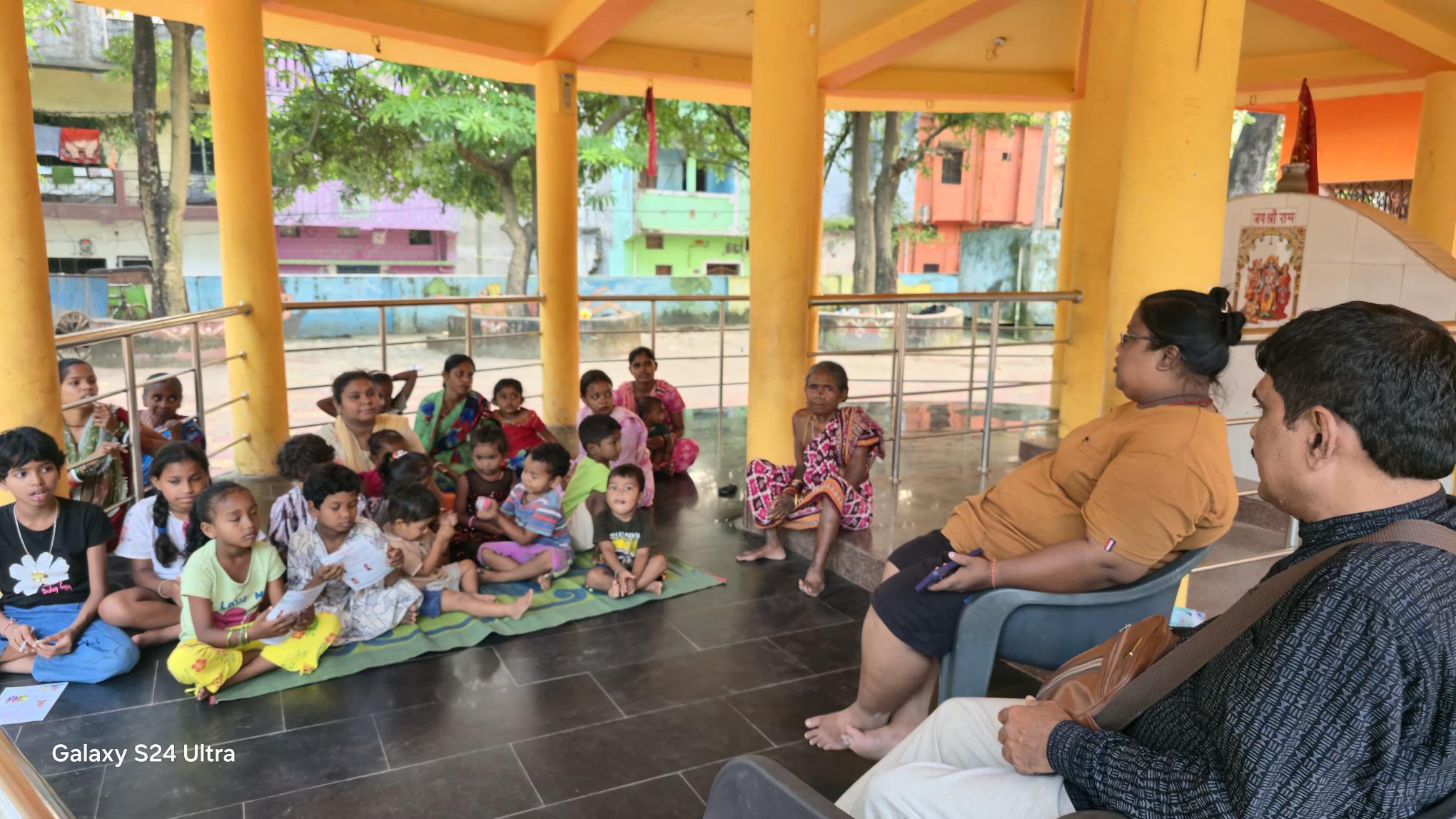
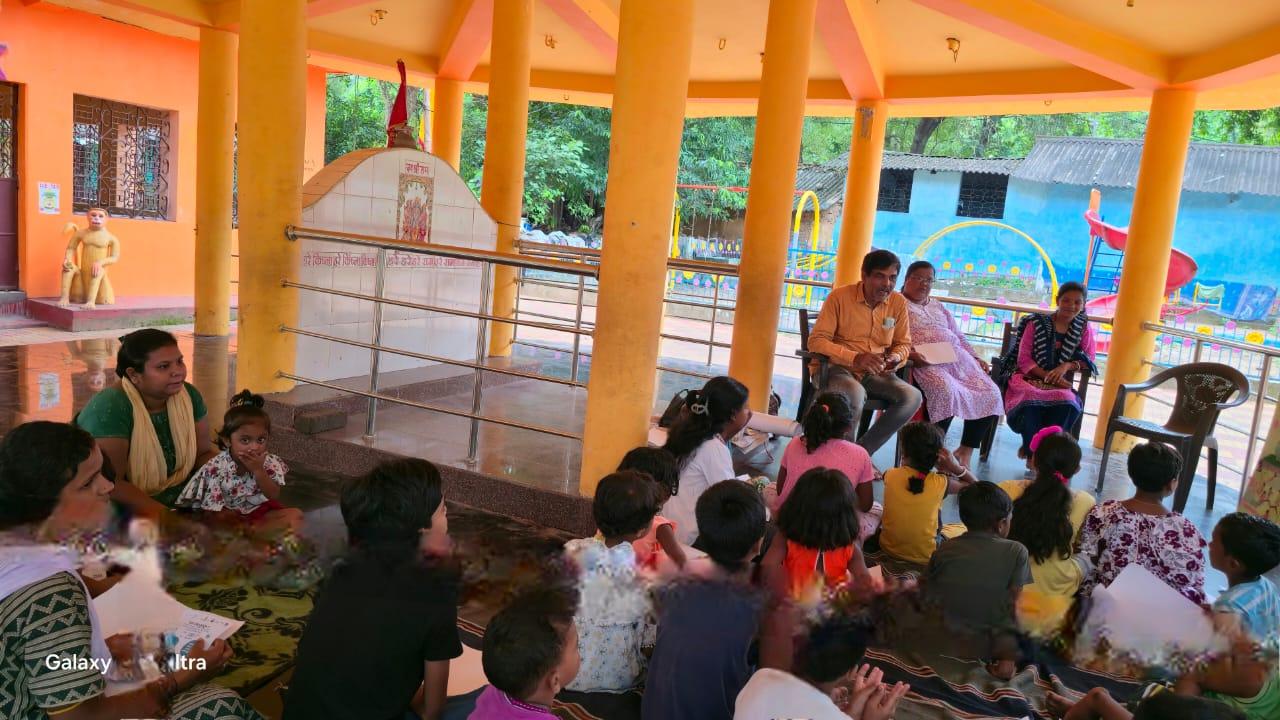
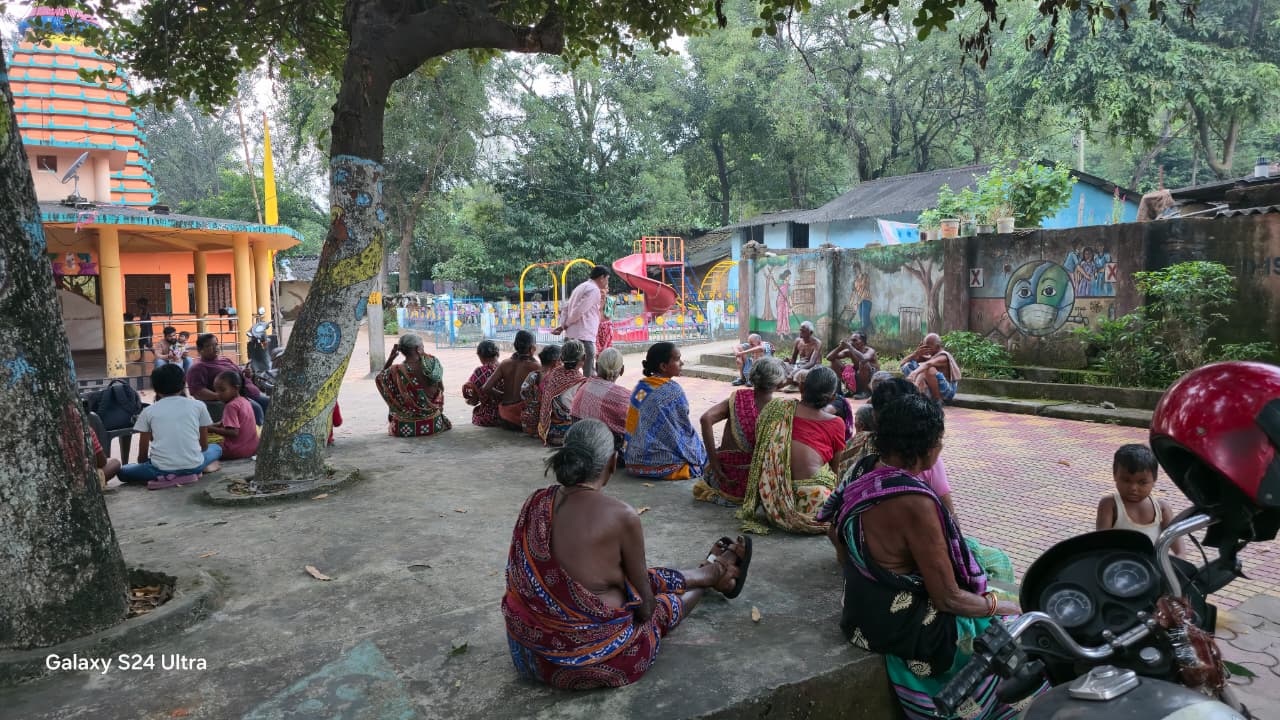
Going beyond implementation, there is a need to instil a sense of belonging towards these spaces, enabling people to overcome behavioural barriers and utilize these spaces to their complete potential. Activating these spaces through regular programming of events can help to sustain continuous usage of public spaces by target user groups i.e. caregivers and young children and foster community-led support systems for caregivers.