.png)





By 2026, Udaipur aims to enhance parental wellbeing and strengthen engagement between caregivers and young children by improving at least one public space* across each zone in the city. This will be fostered through supportive services such as affinity groups, awareness programs and training, while revitalizing traditional caregiving practices, particularly within low-income communities.
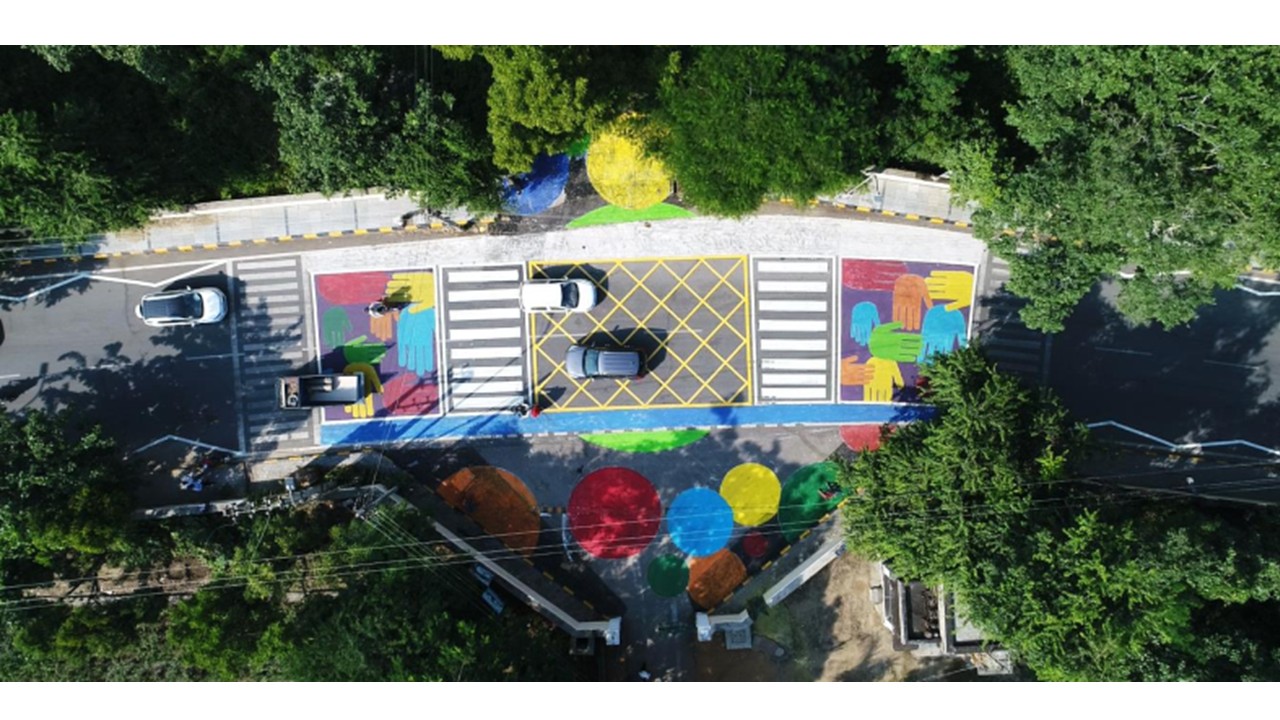
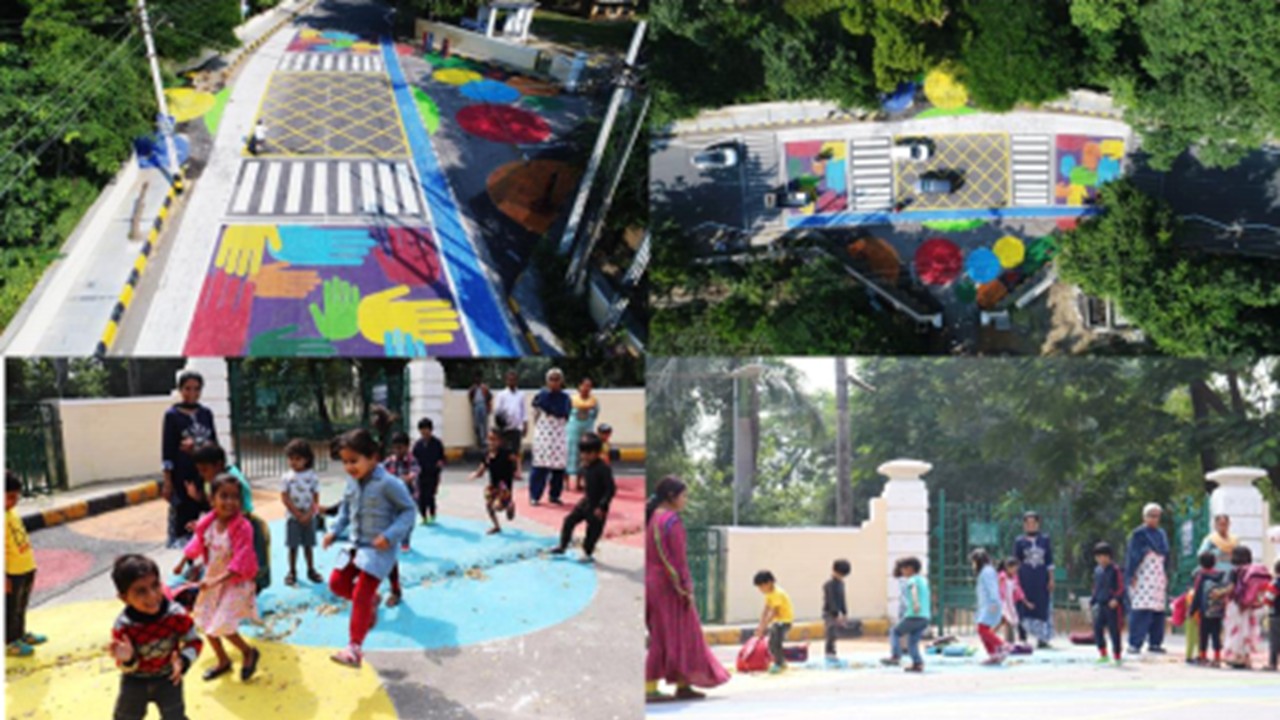
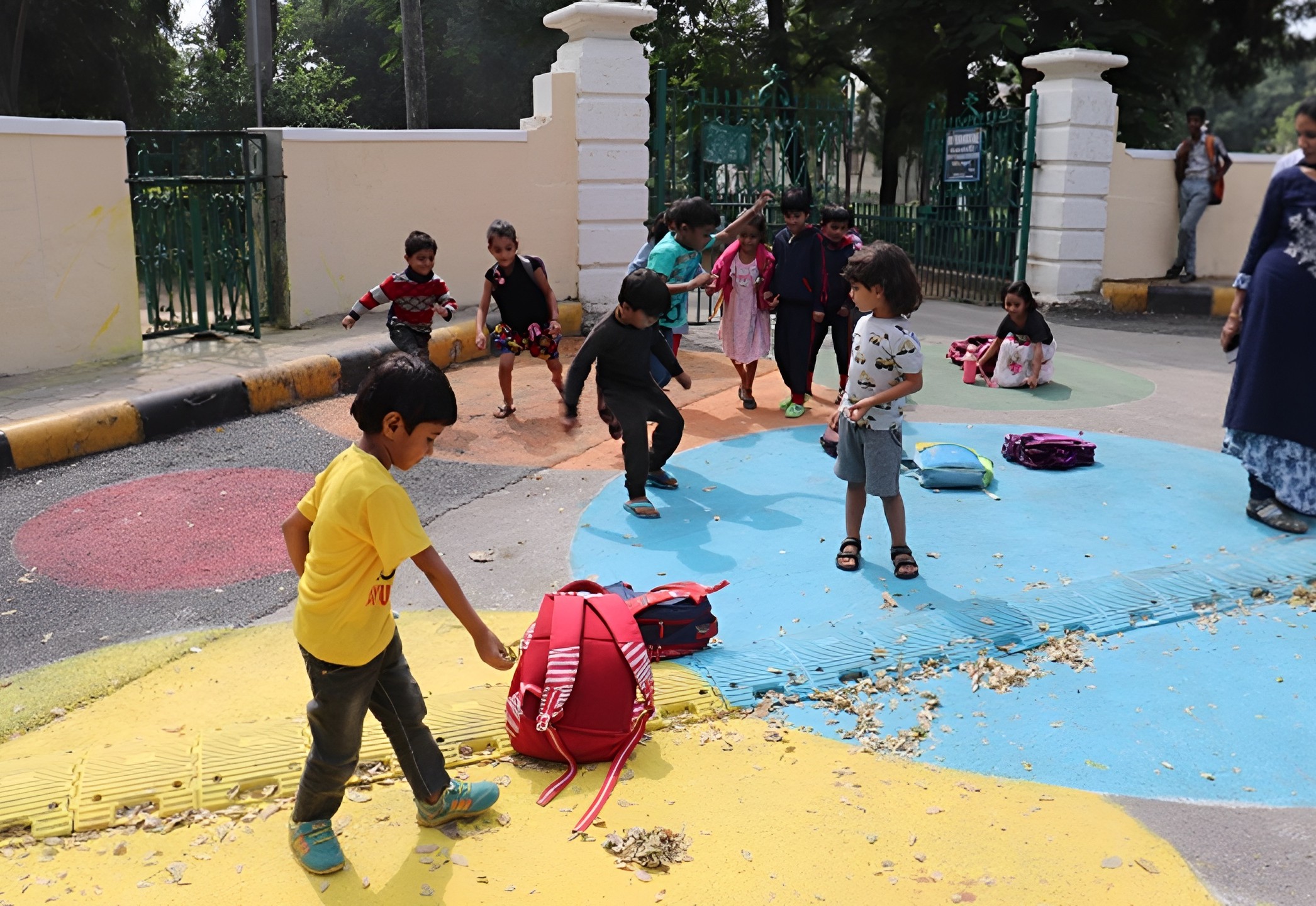
Udaipur implemented traffic-calming measures at the Vidhya Bhawan Pre-Primary School entrance to enhance safety for young children and caregivers. Introduced vibrant zebra crossings, “Keep Clear” boxes, zig-zag lines, colorful art, and interactive buffer zones. These low-cost, high-impact interventions slowed traffic, enhanced visibility, created safer crossings, and transformed the space into a lively, engaging zone for children and families.
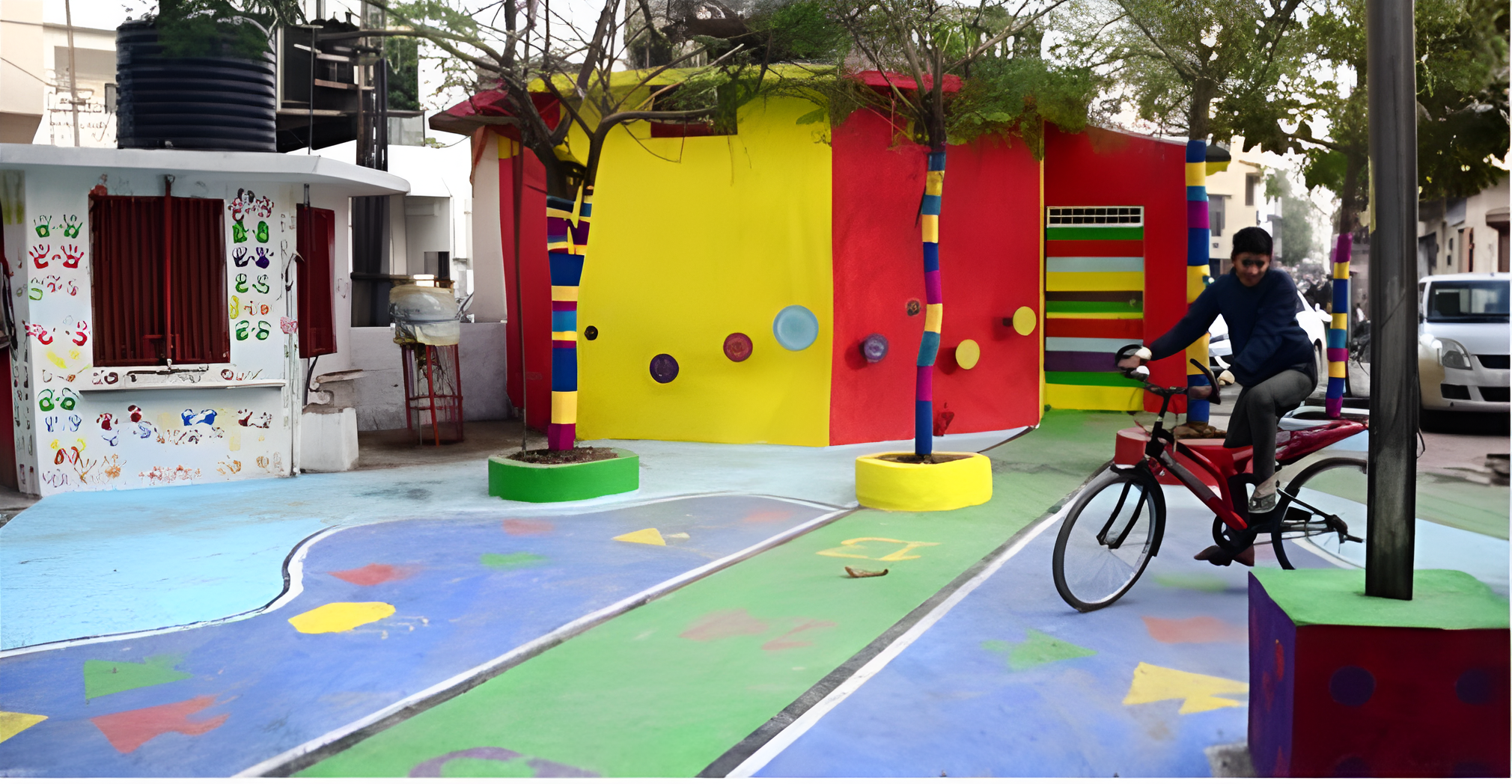
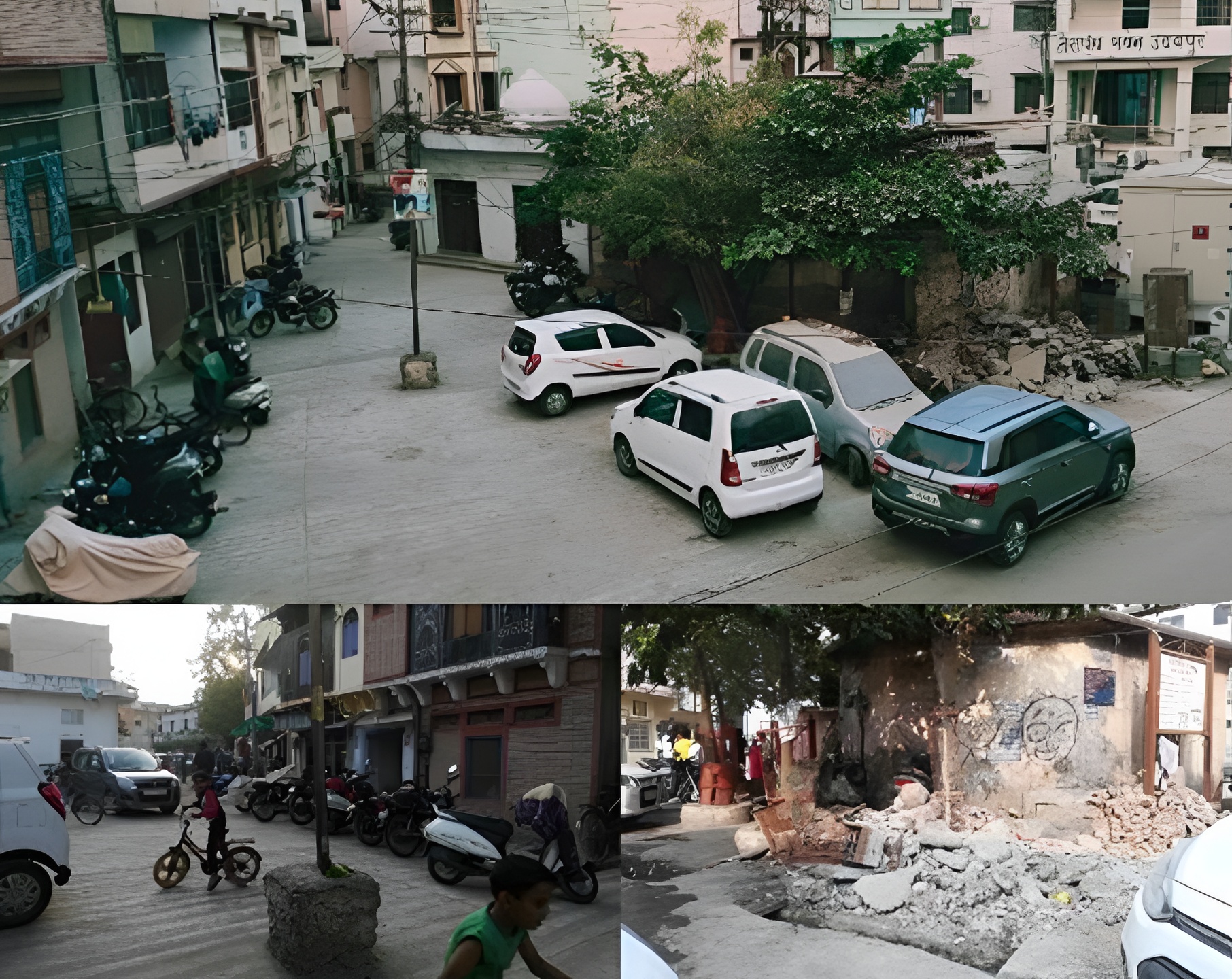
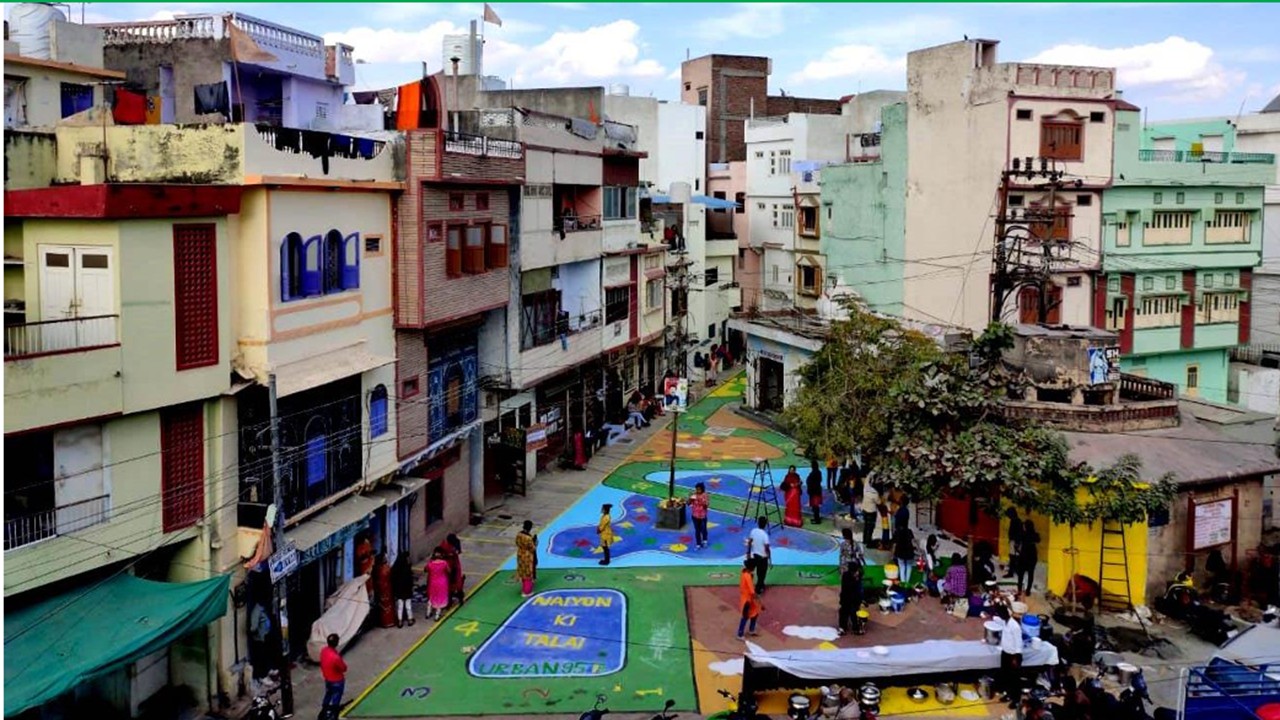
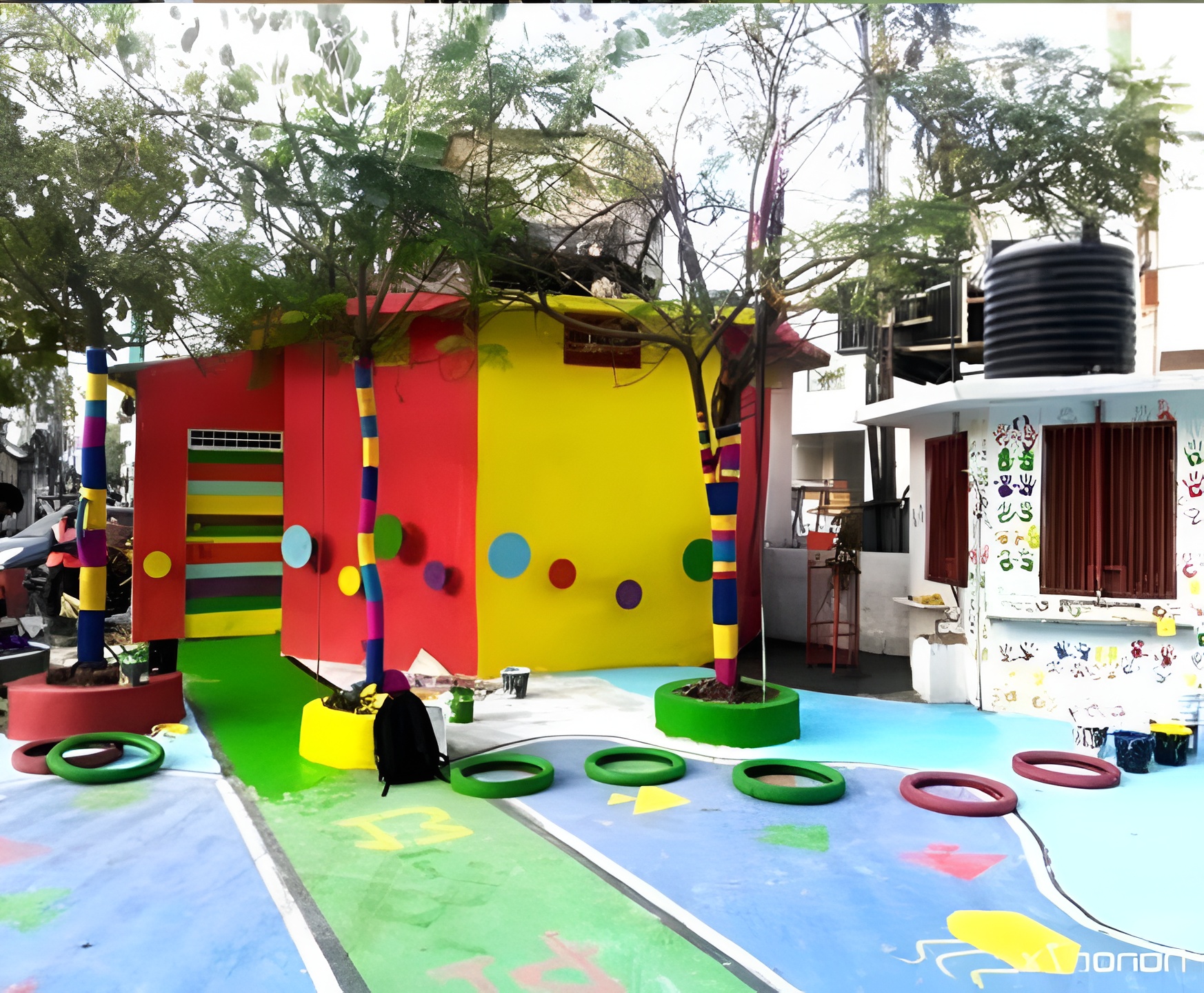
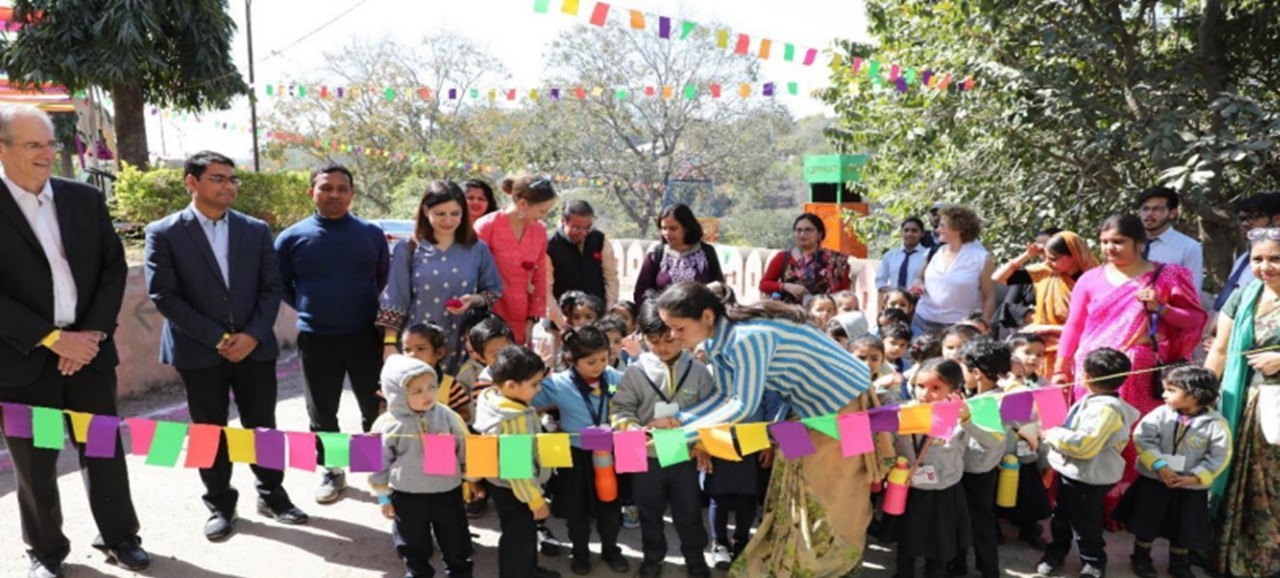
Under the Urban95 Program, Udaipur revitalized Nayion Ki Talai Chowk into a safe, engaging public space through the “Ghar, Aangan, Sansaar” initiative. The project introduced colorful play tracks, traditional games, murals, spinning wheels, shaded seating, and organized parking, engaging residents and students to create a vibrant, multi-use space for children and caregiver
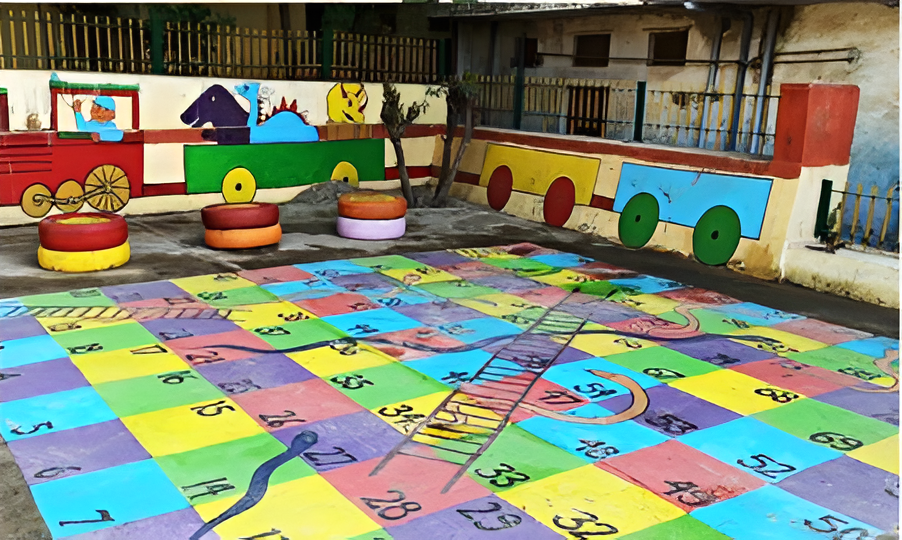
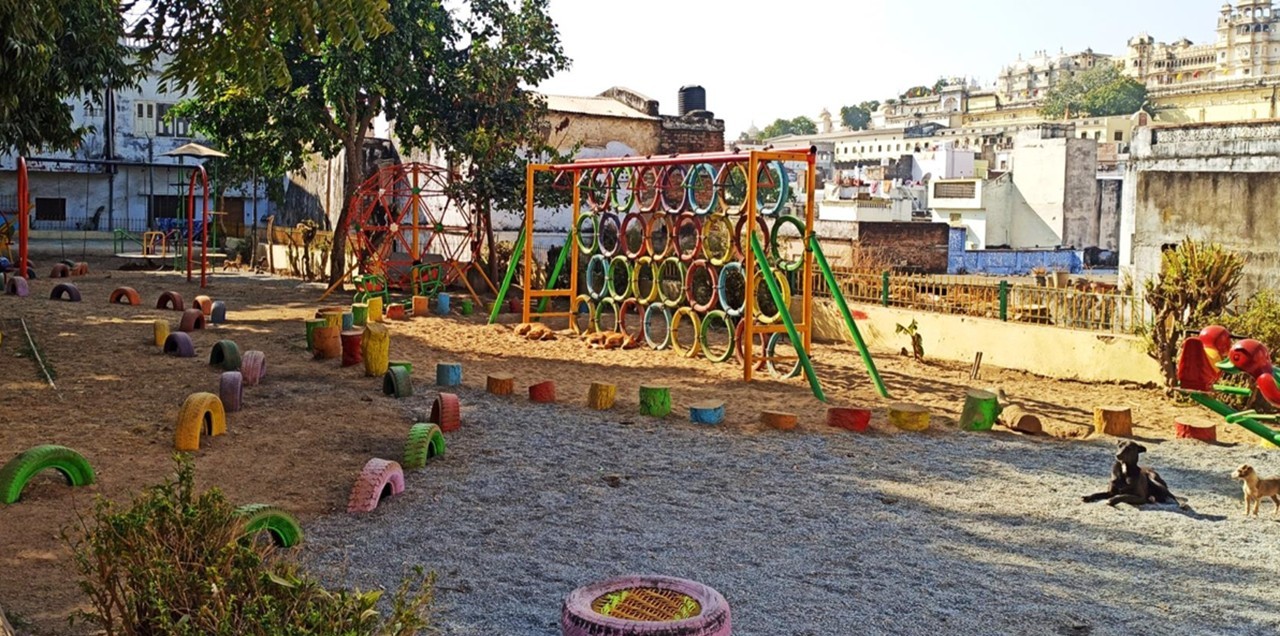
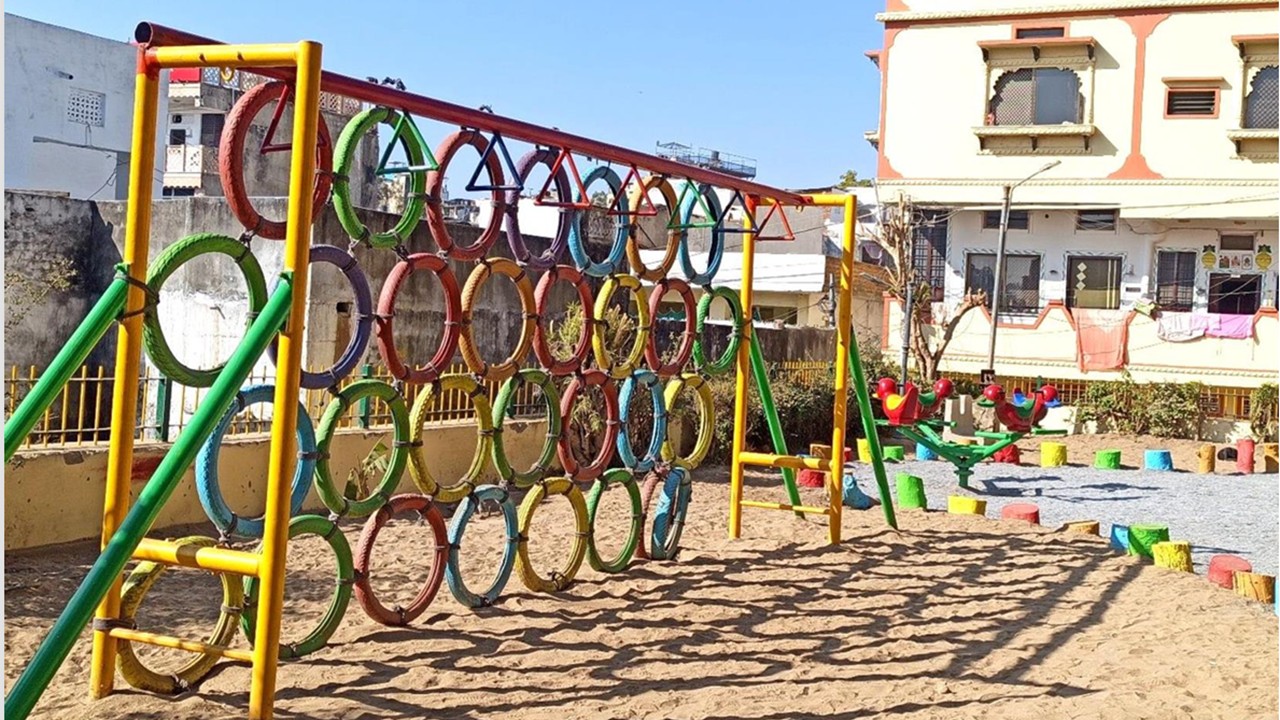
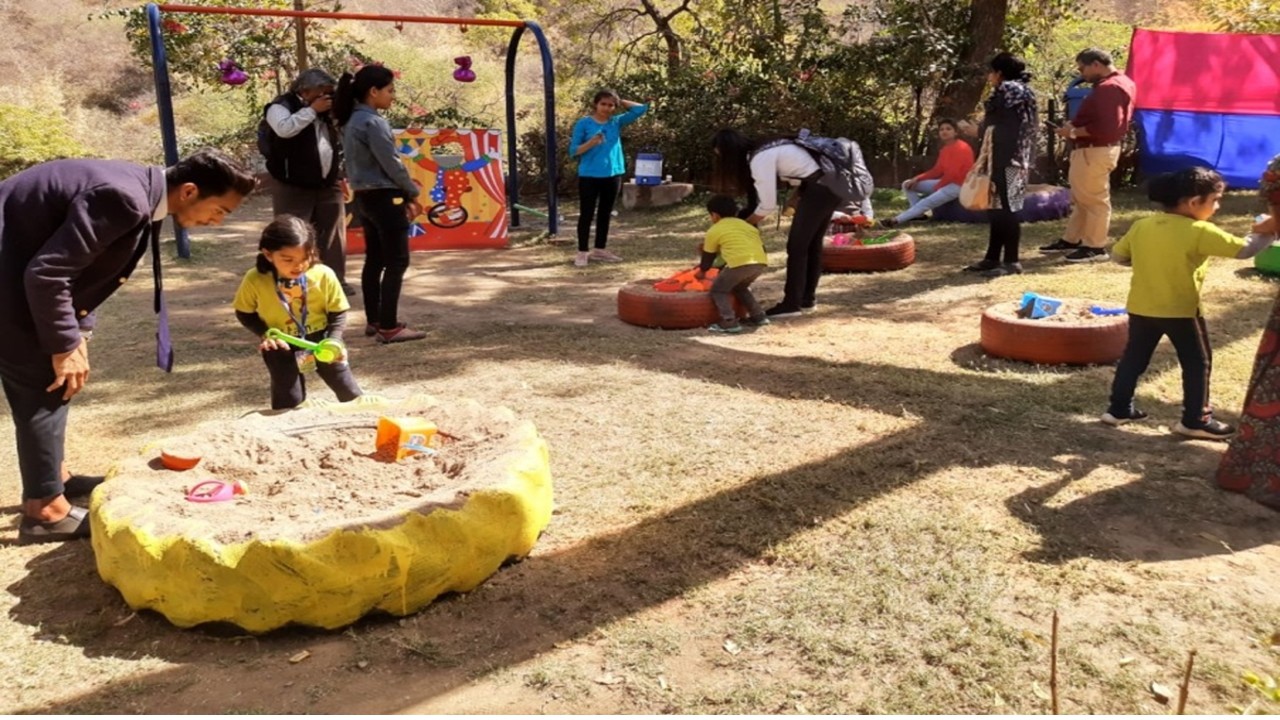
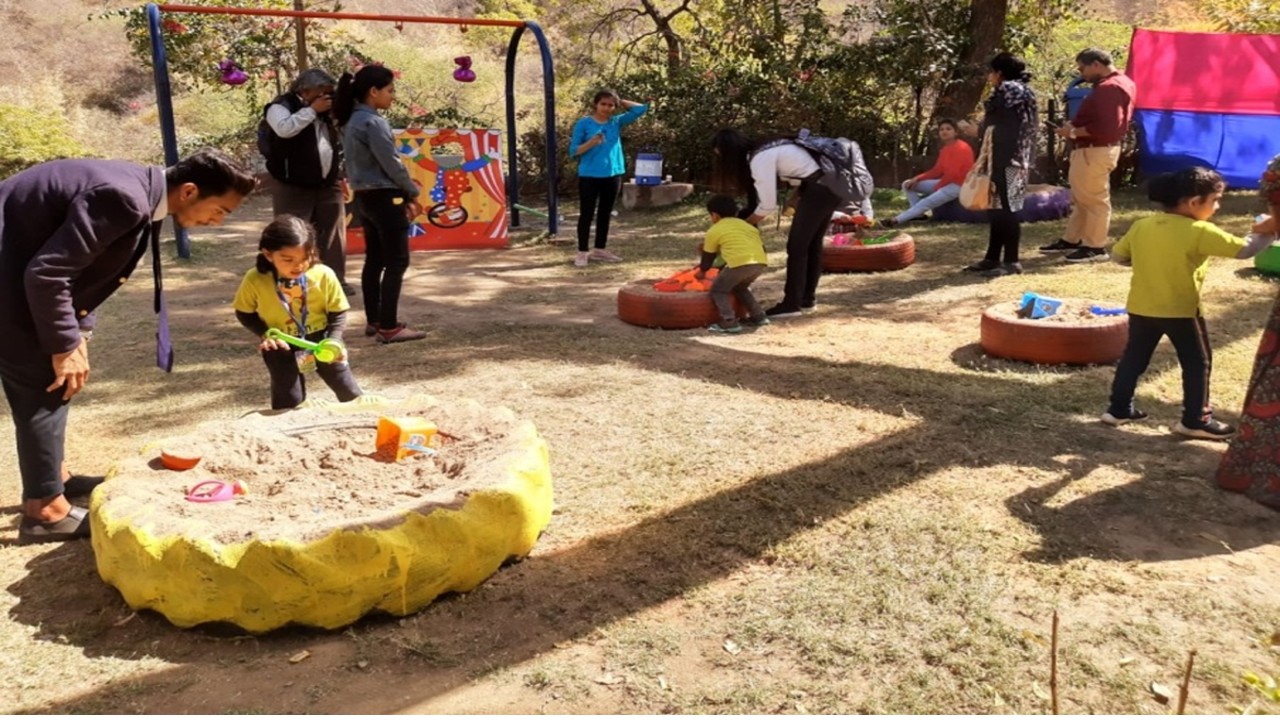
Under the Urban95 Program, Meera Park in the walled city was temporarily tarnsformed into an engaging, child-friendly space. Using low-cost, reused materials, the park offers safe, sensory play areas for young children and caregivers, promoting learning, play, and community ownership.
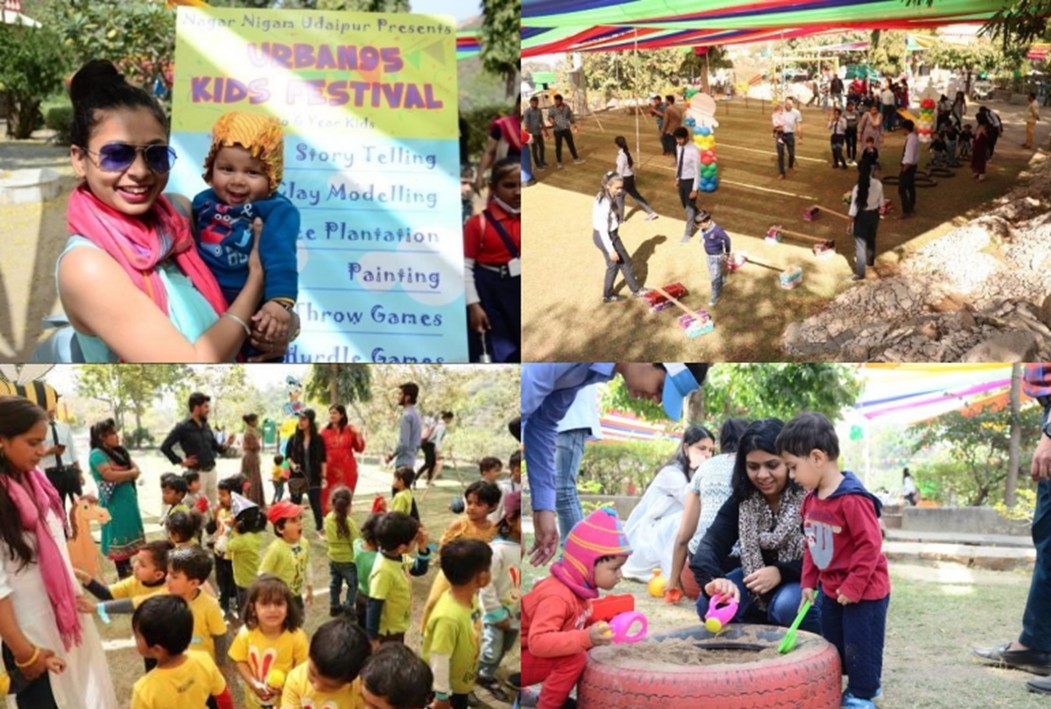
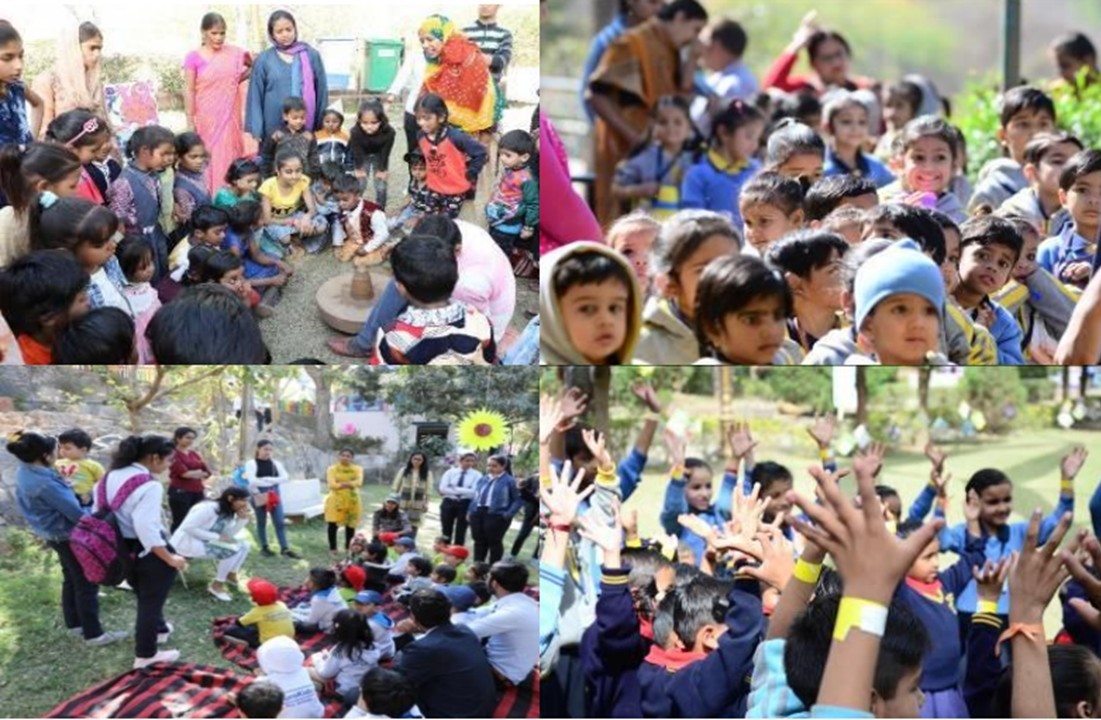
Under the Urban95 Program, The Young Kids Festival featured storytelling, clay modeling, painting, pottery, bubble zones, hurdle and target throw games, big ball play, puppet and magic shows, and a learning tree. These activities enhanced children’s motor, sensory, cognitive, and imaginative skills while promoting joyful interaction between young kids and their caregivers.
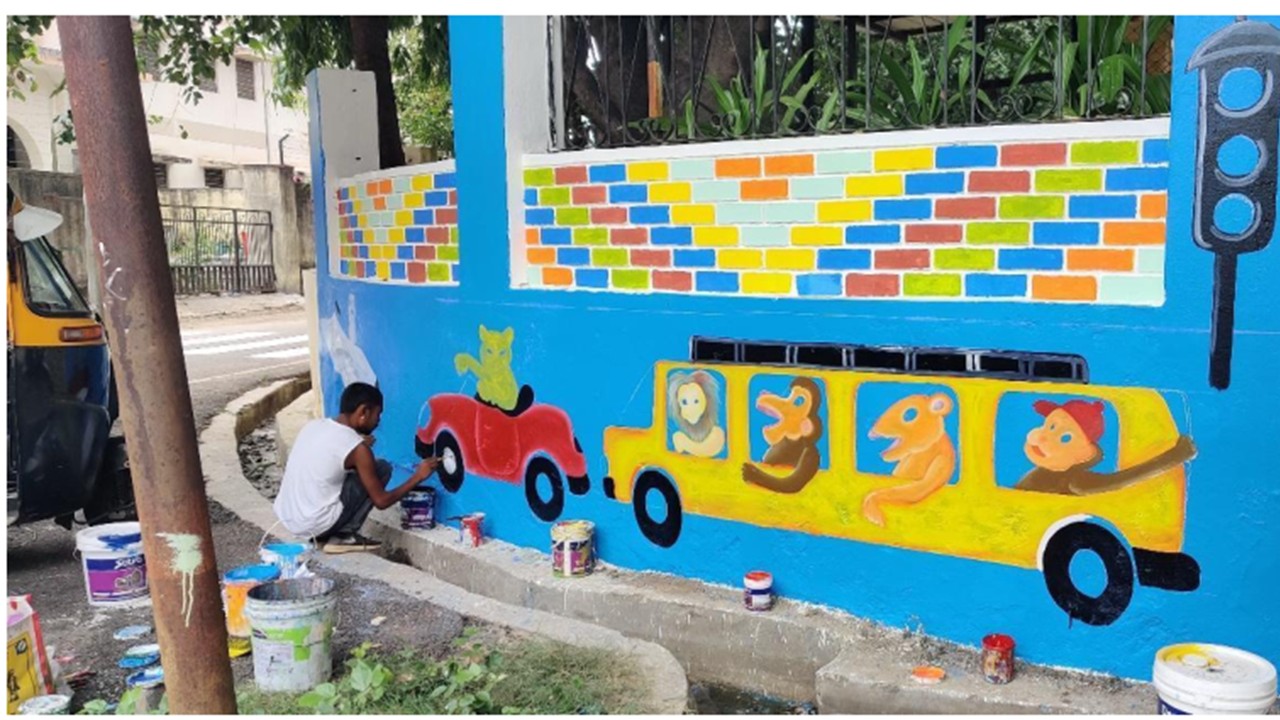
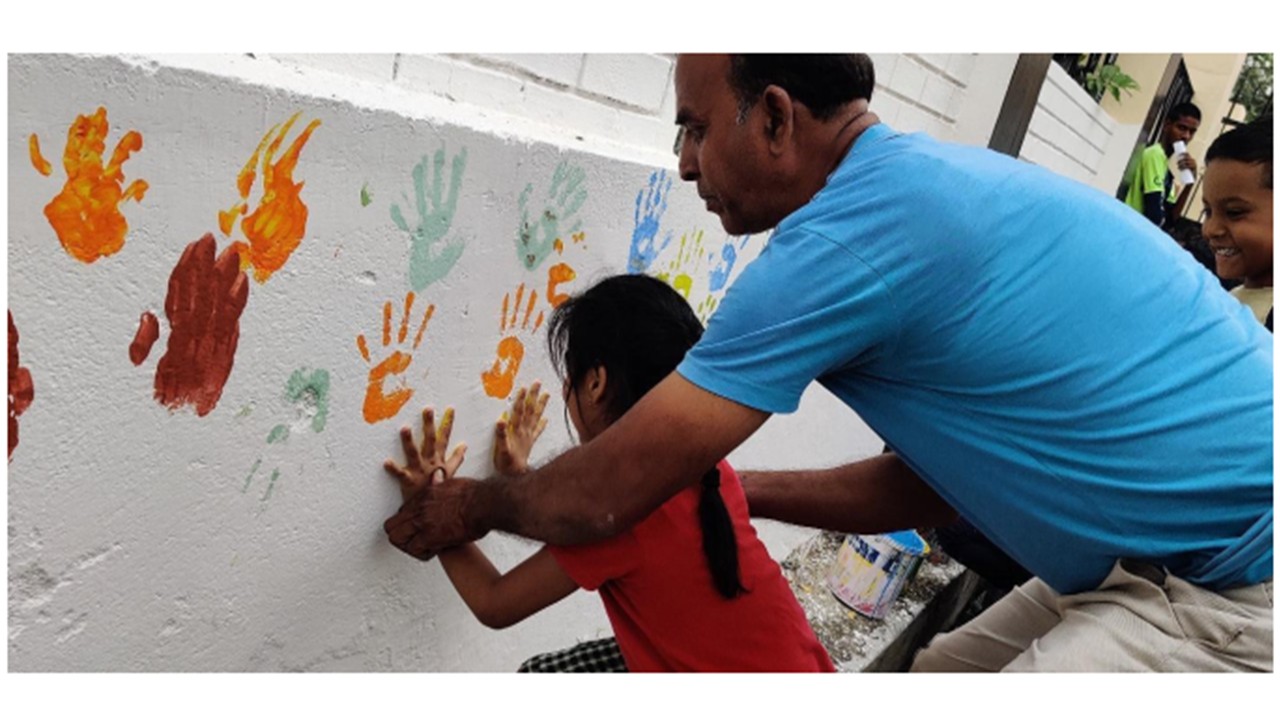
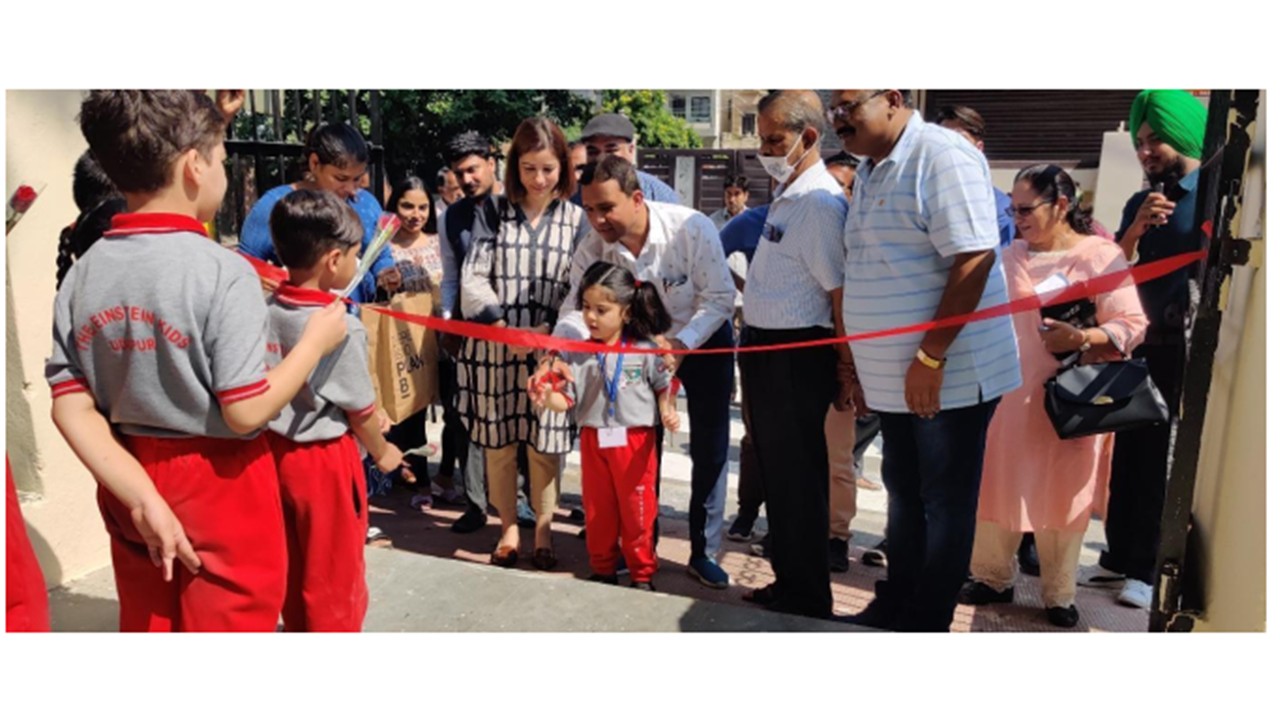
The Child Priority Zone at Ashok Nagar transformed Hanuman Park into a vibrant, safe, and engaging space for young children and caregivers through cleaning, wall art, seating, signages, plantations, and traffic-calming measures. Community participation, awareness drives, and media outreach further strengthened child-friendly urban development and inspired future citywide intervention
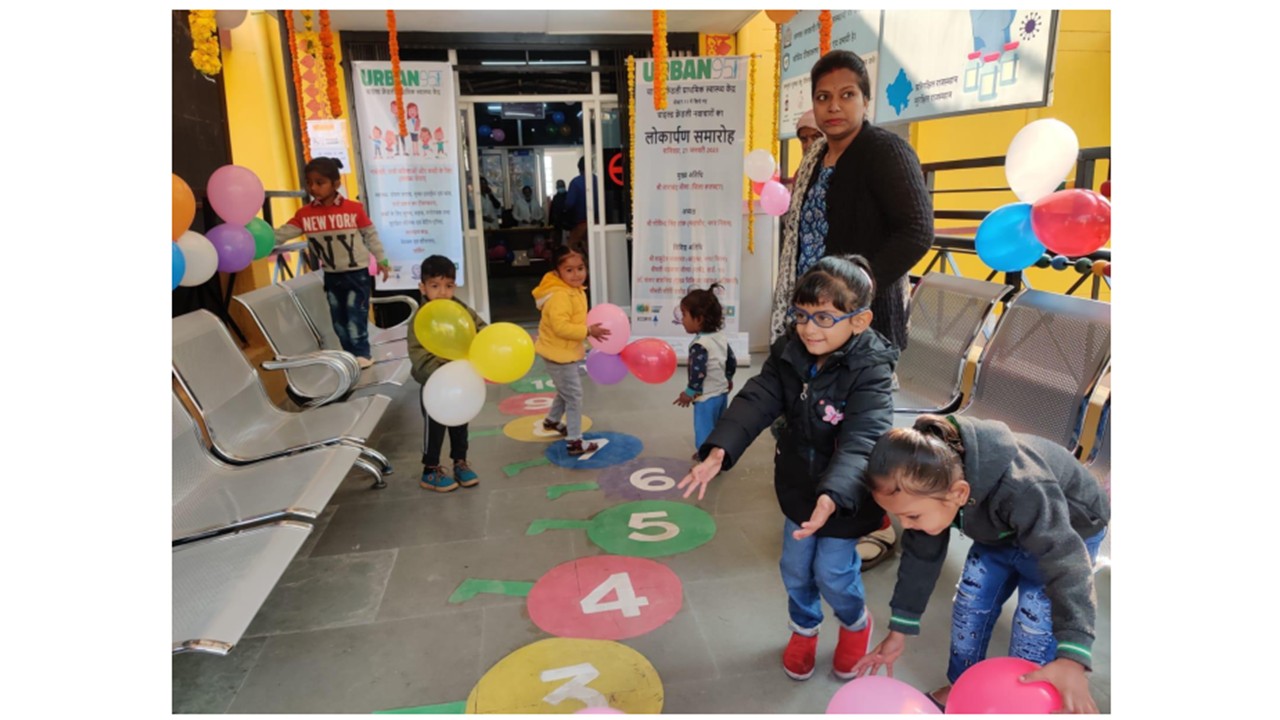
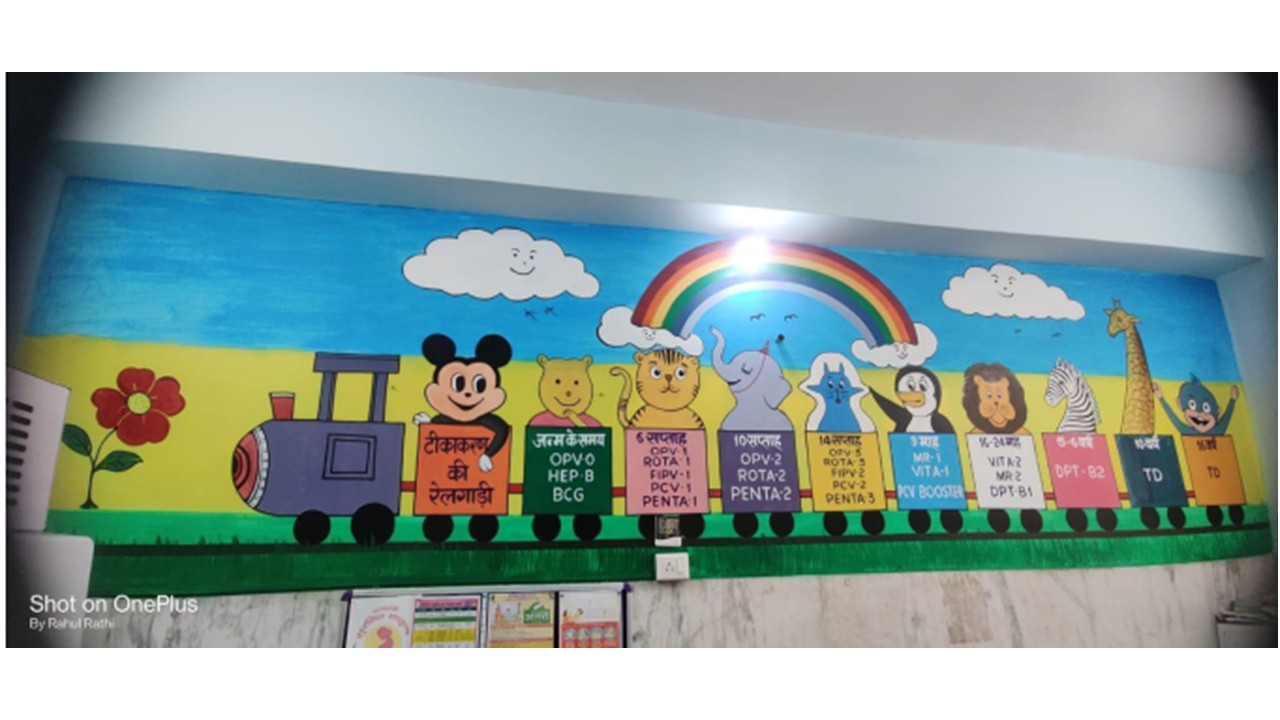
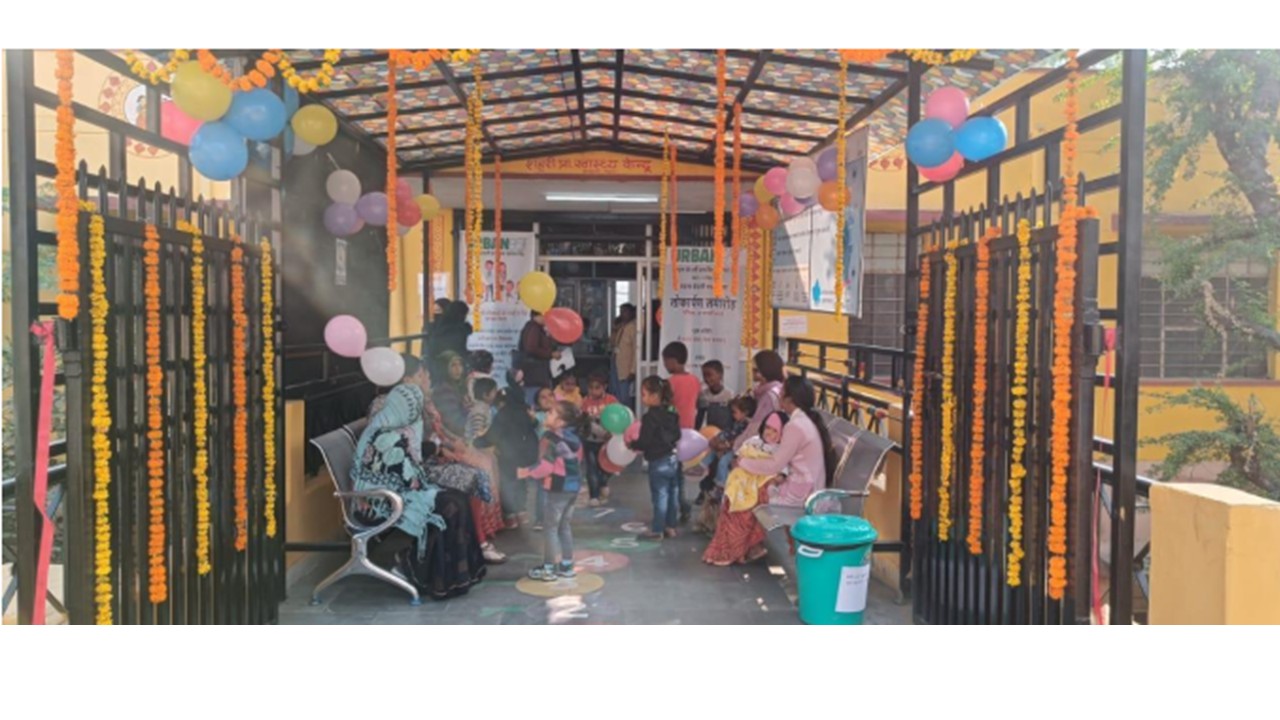
The Sector-11 PHC in Udaipur was transformed into a child- and caregiver-friendly space with ramps, interactive seating, floor games, abacus railings, and educational wall paintings. The initiative enhanced safety, engagement, and early childhood learning, received official appreciation, achieved NQAS certification, and serves as a replicable model for other PHCs.
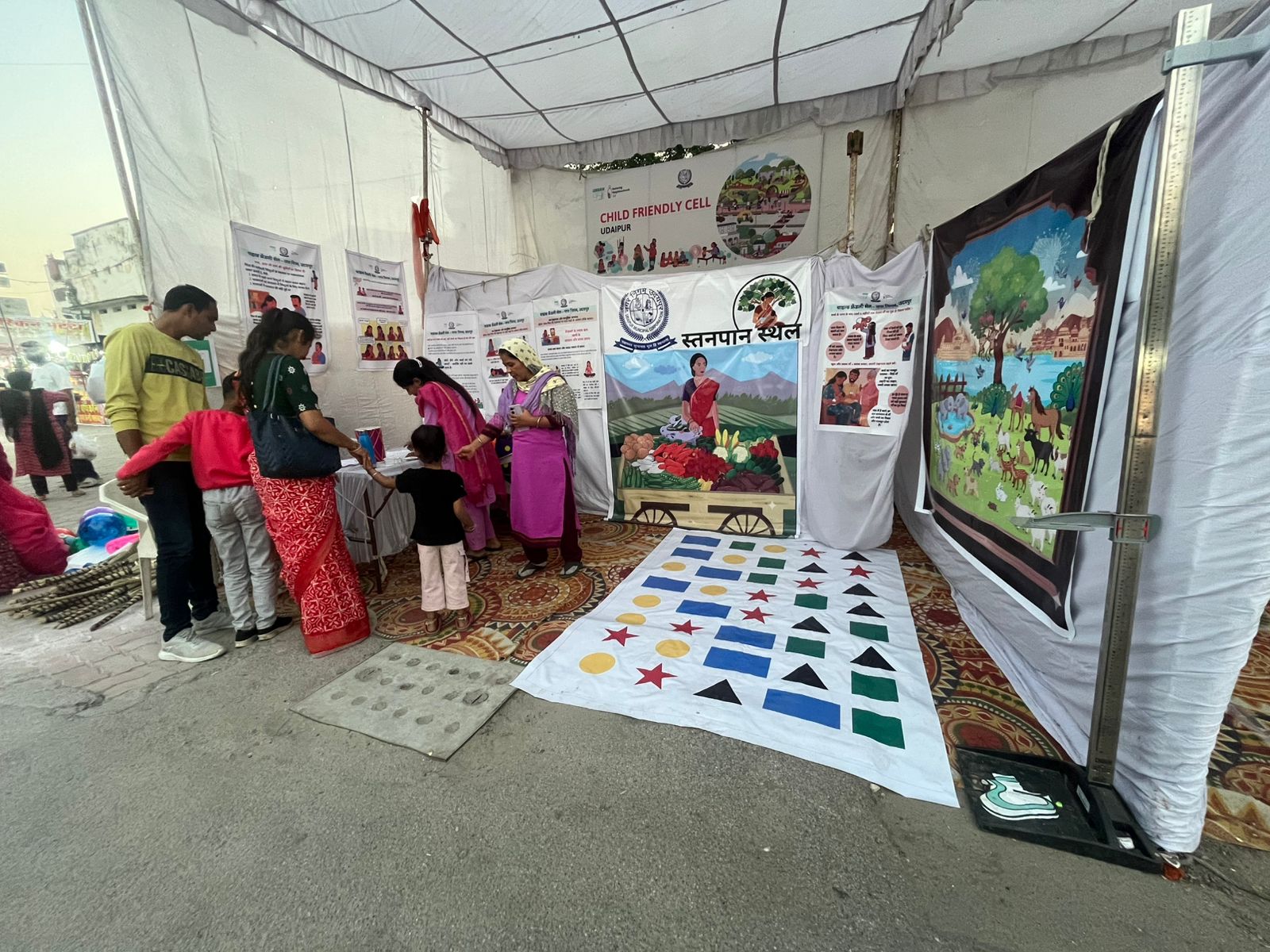
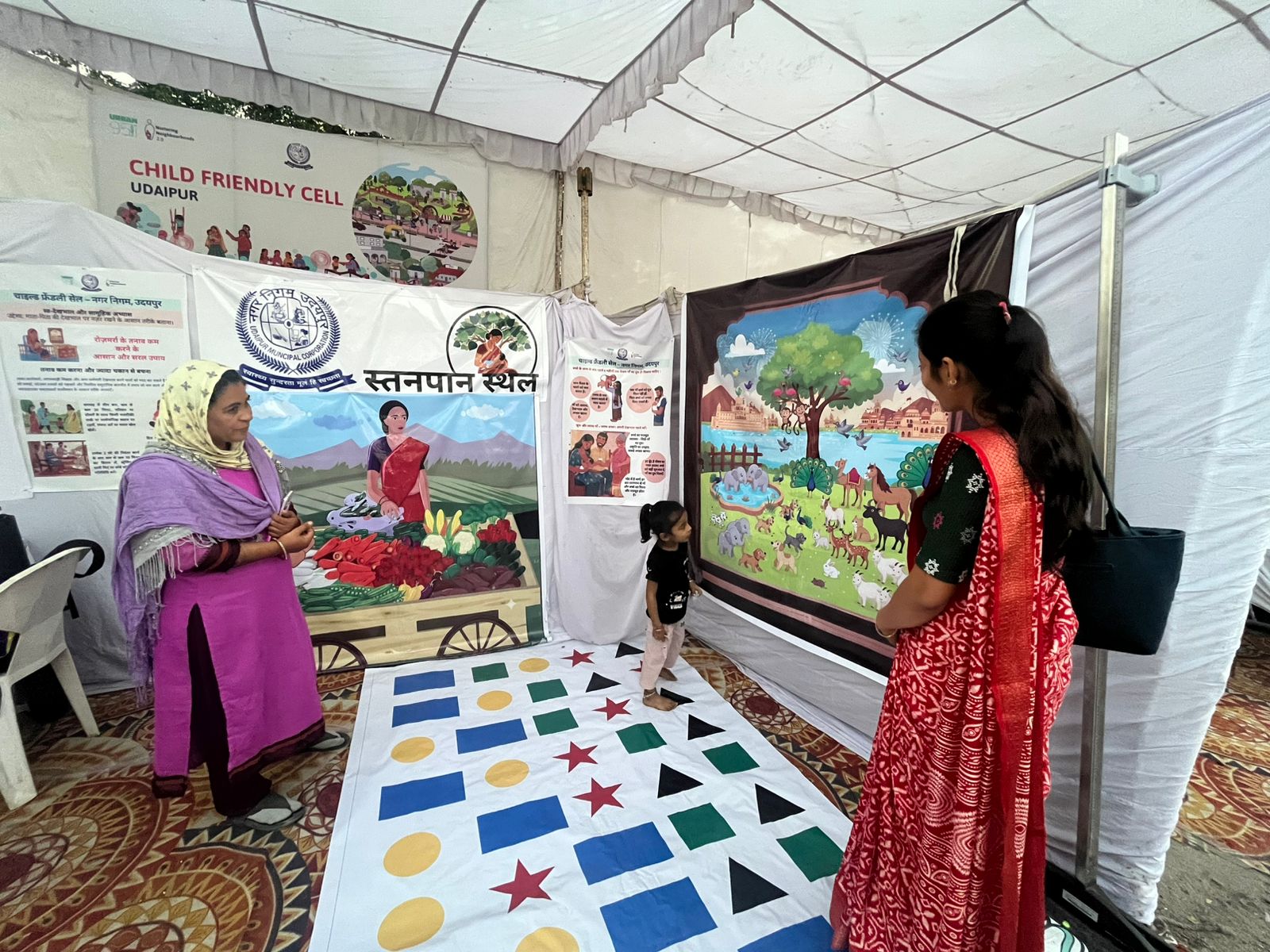
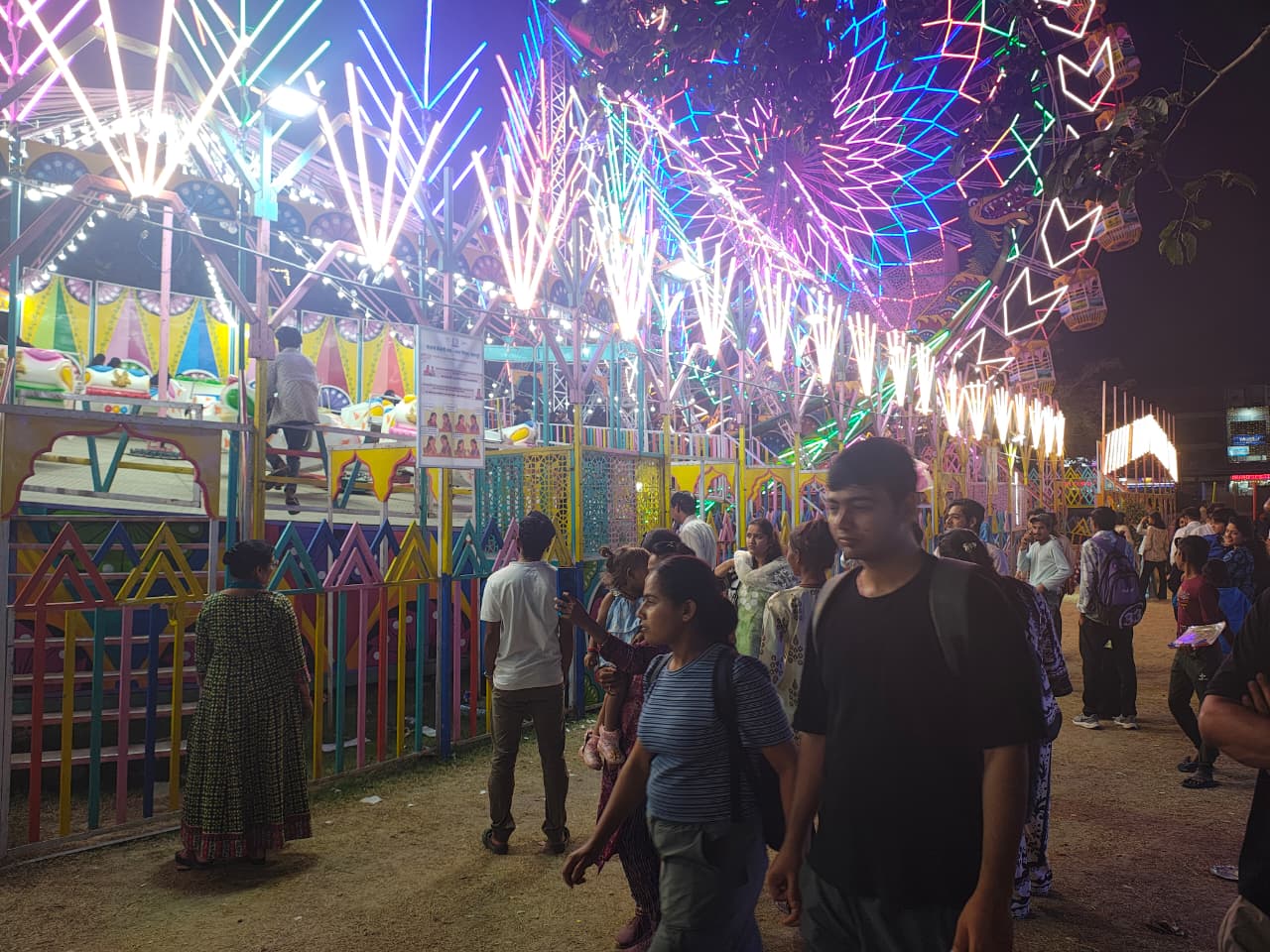
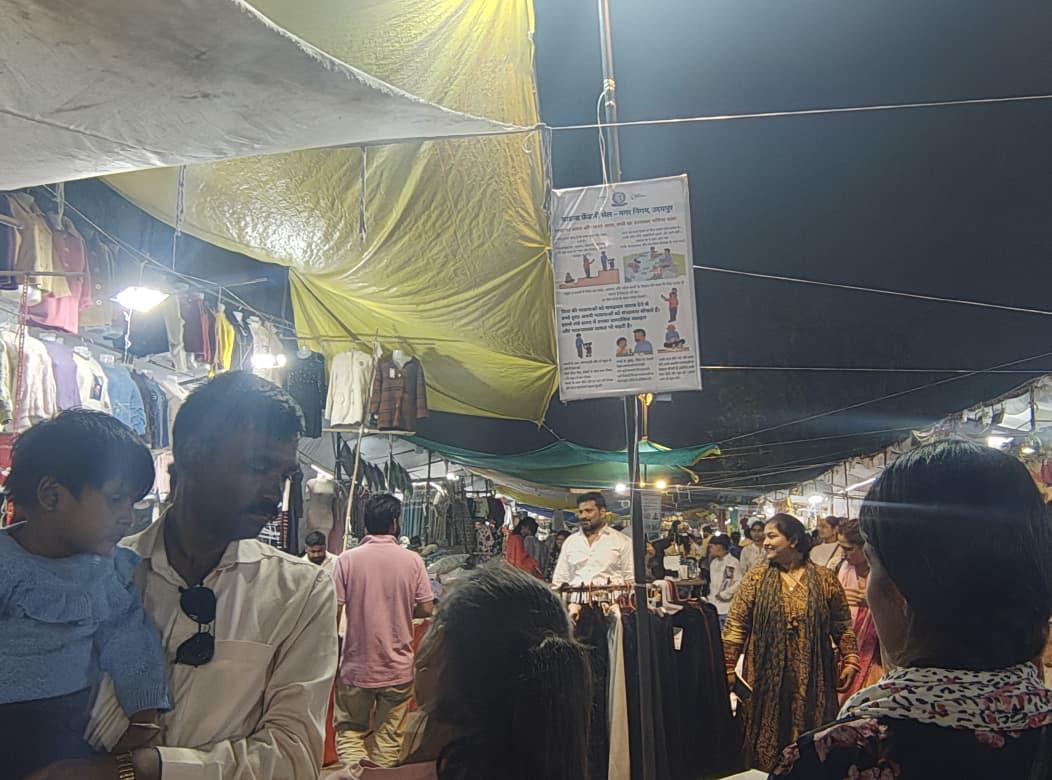
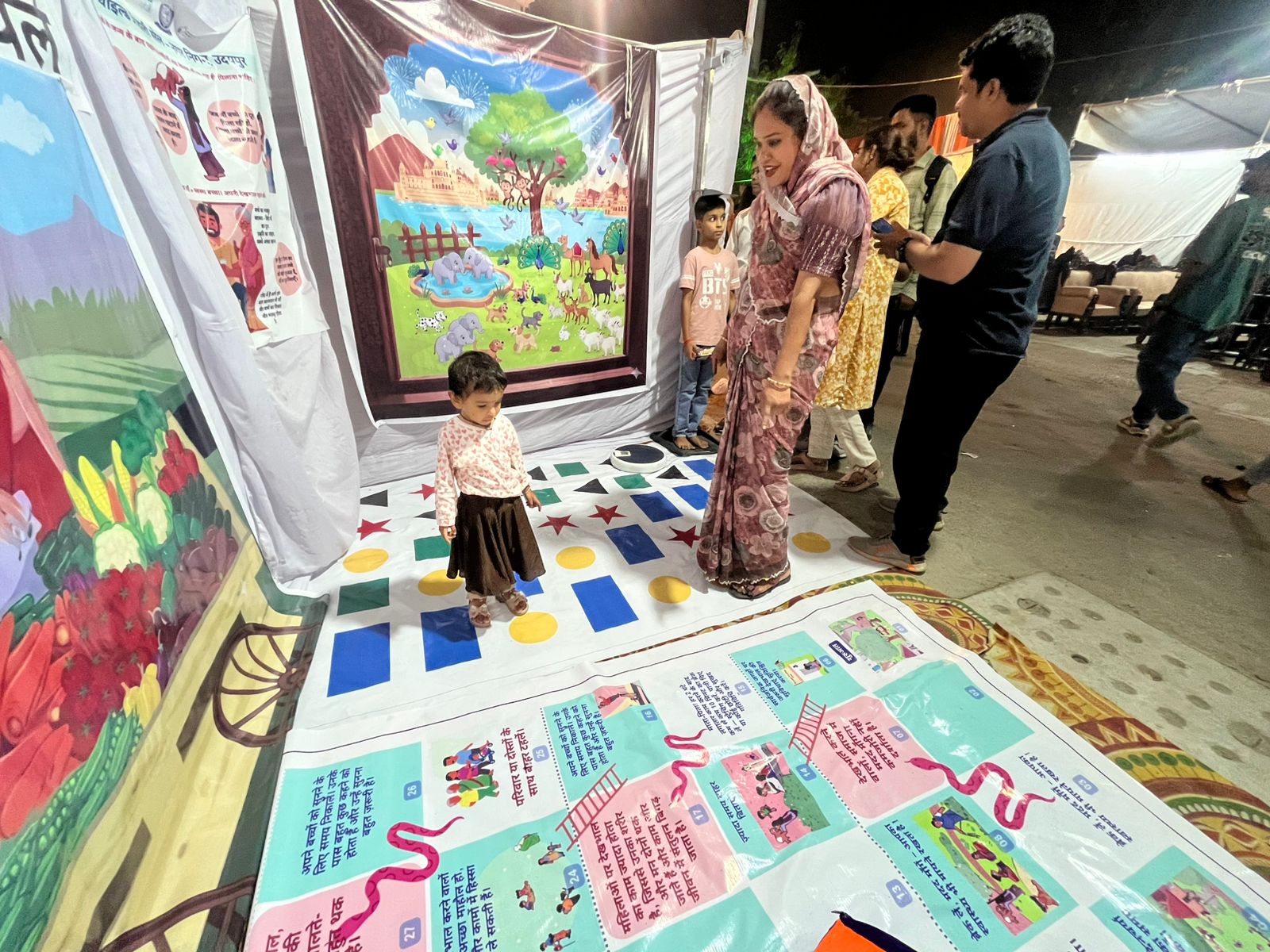
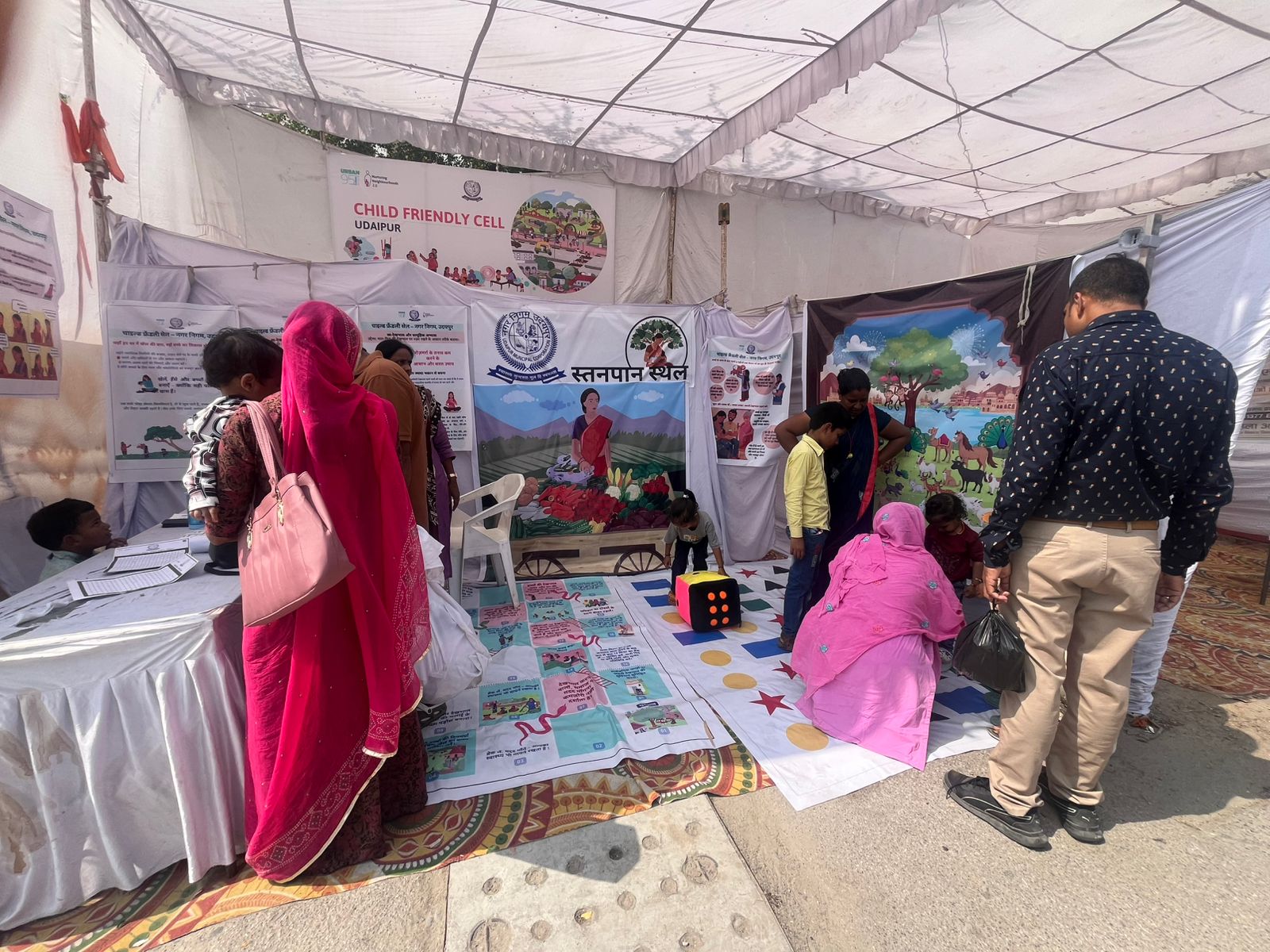
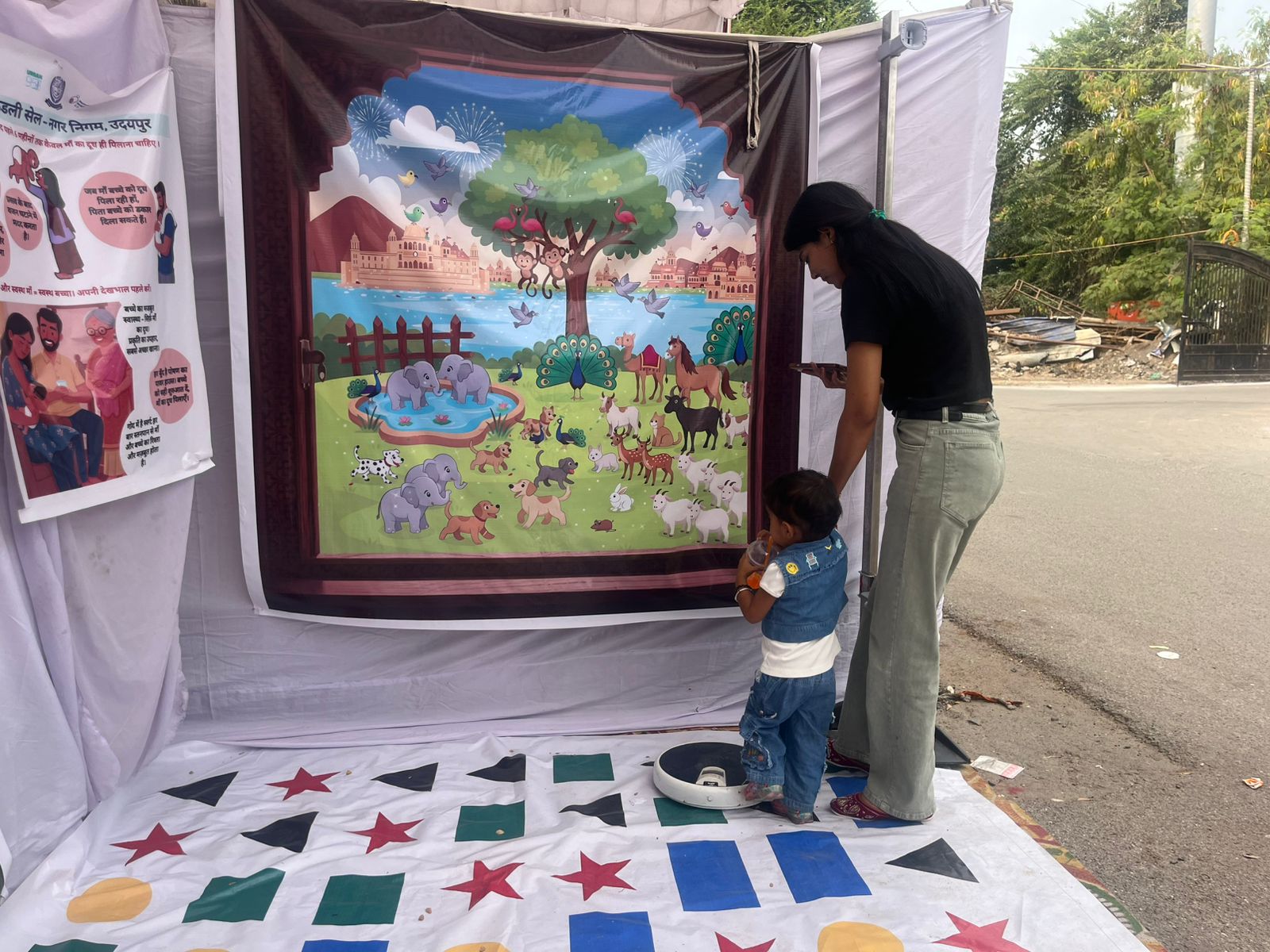
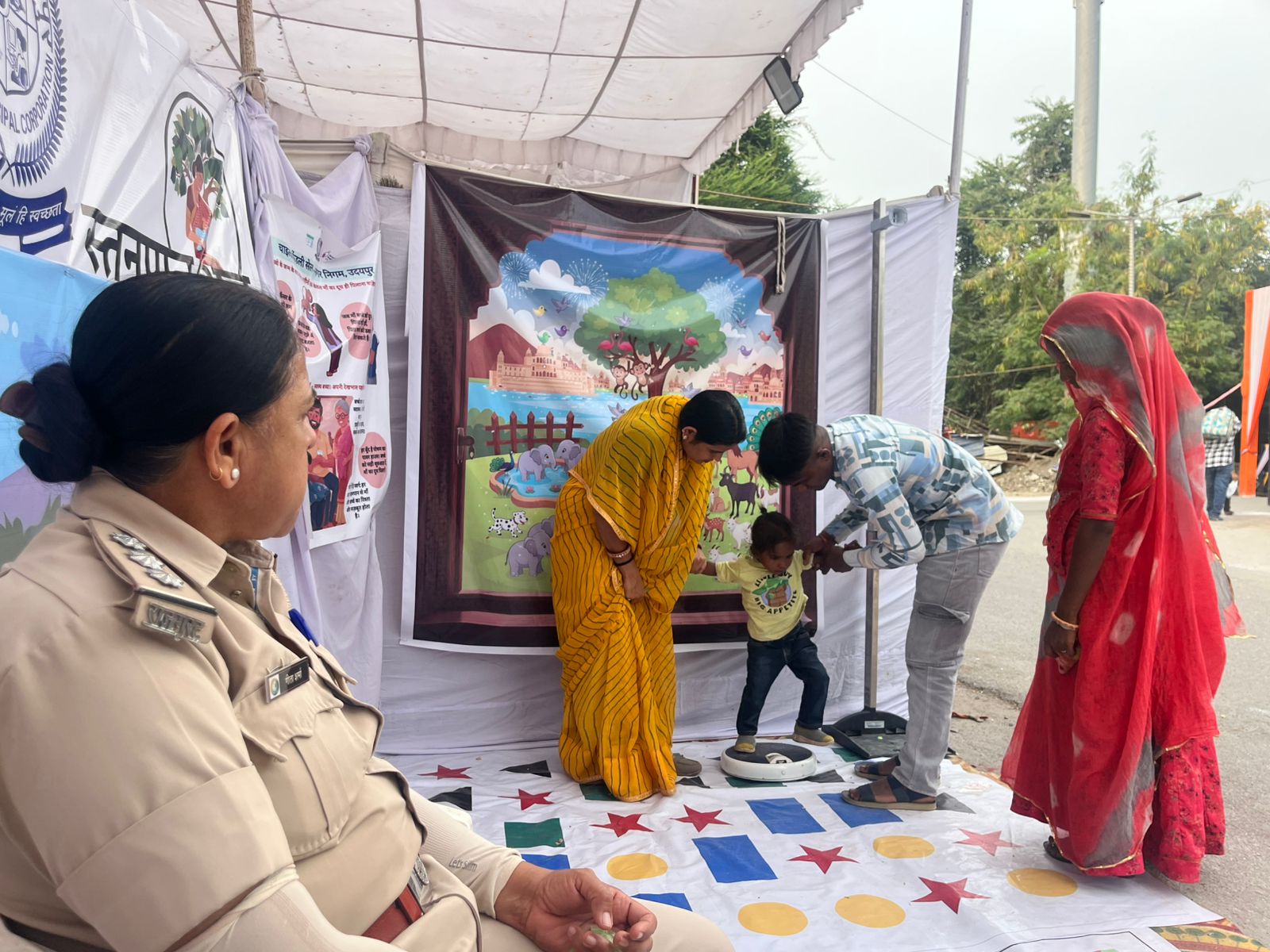
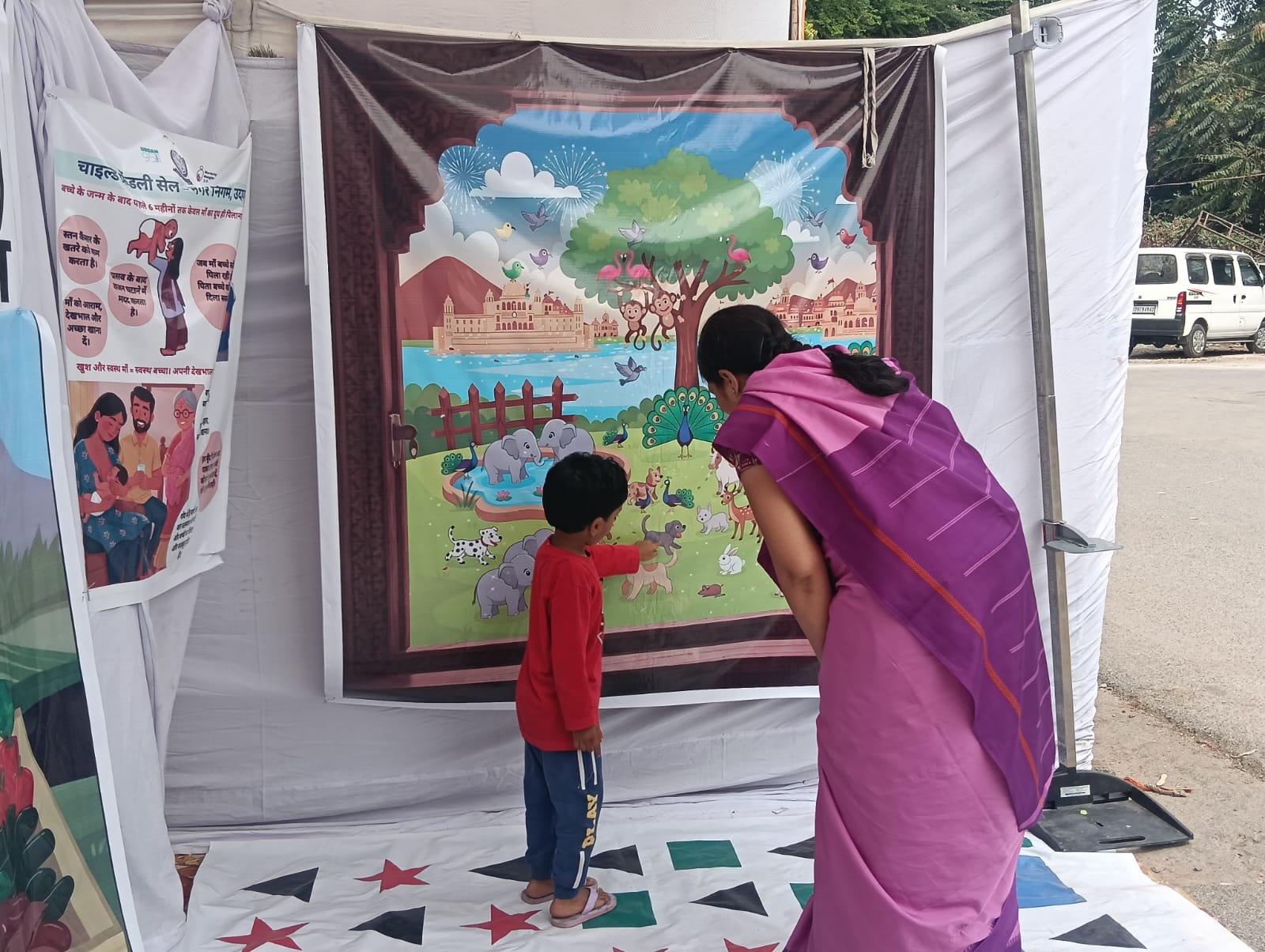
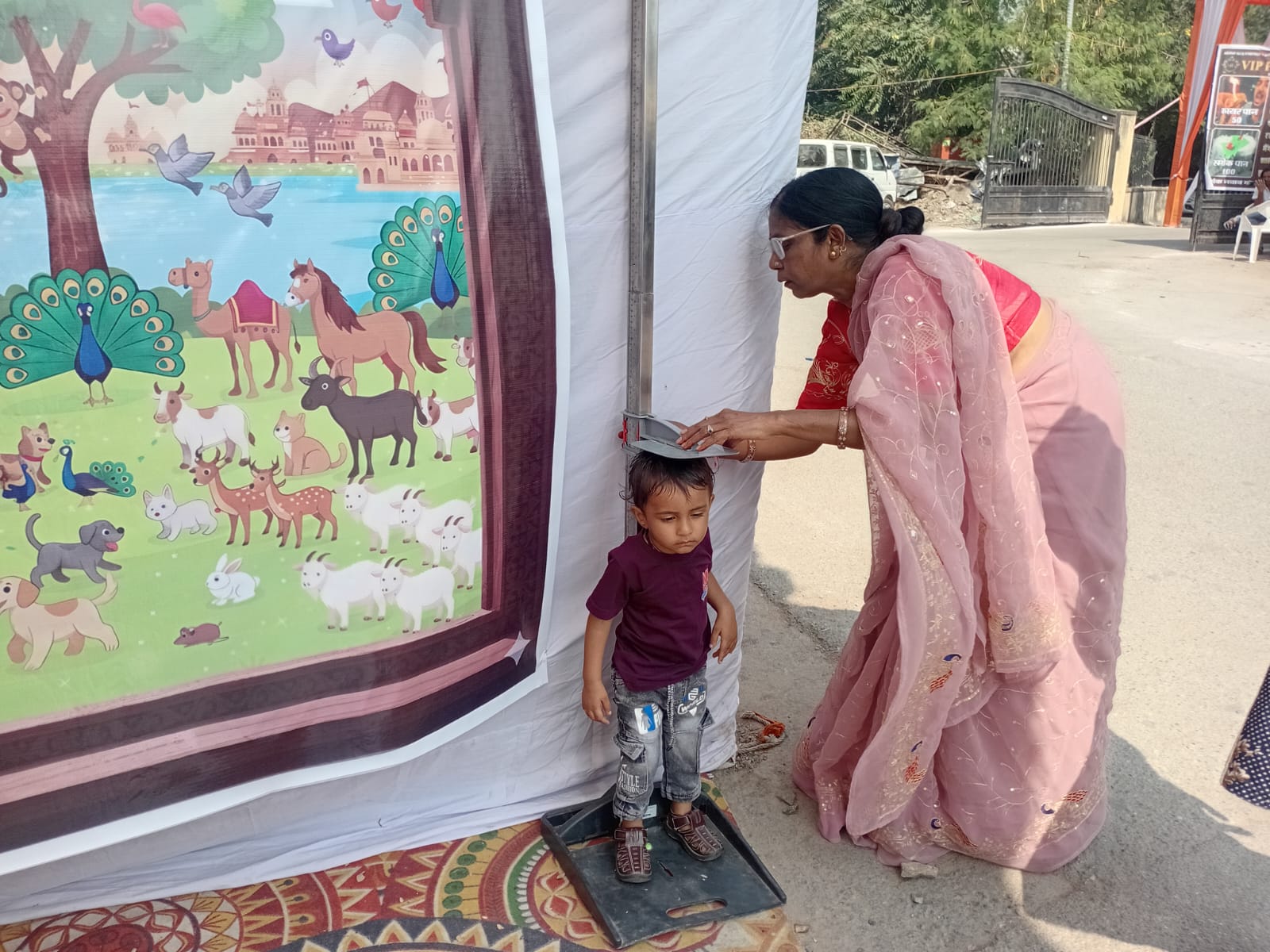
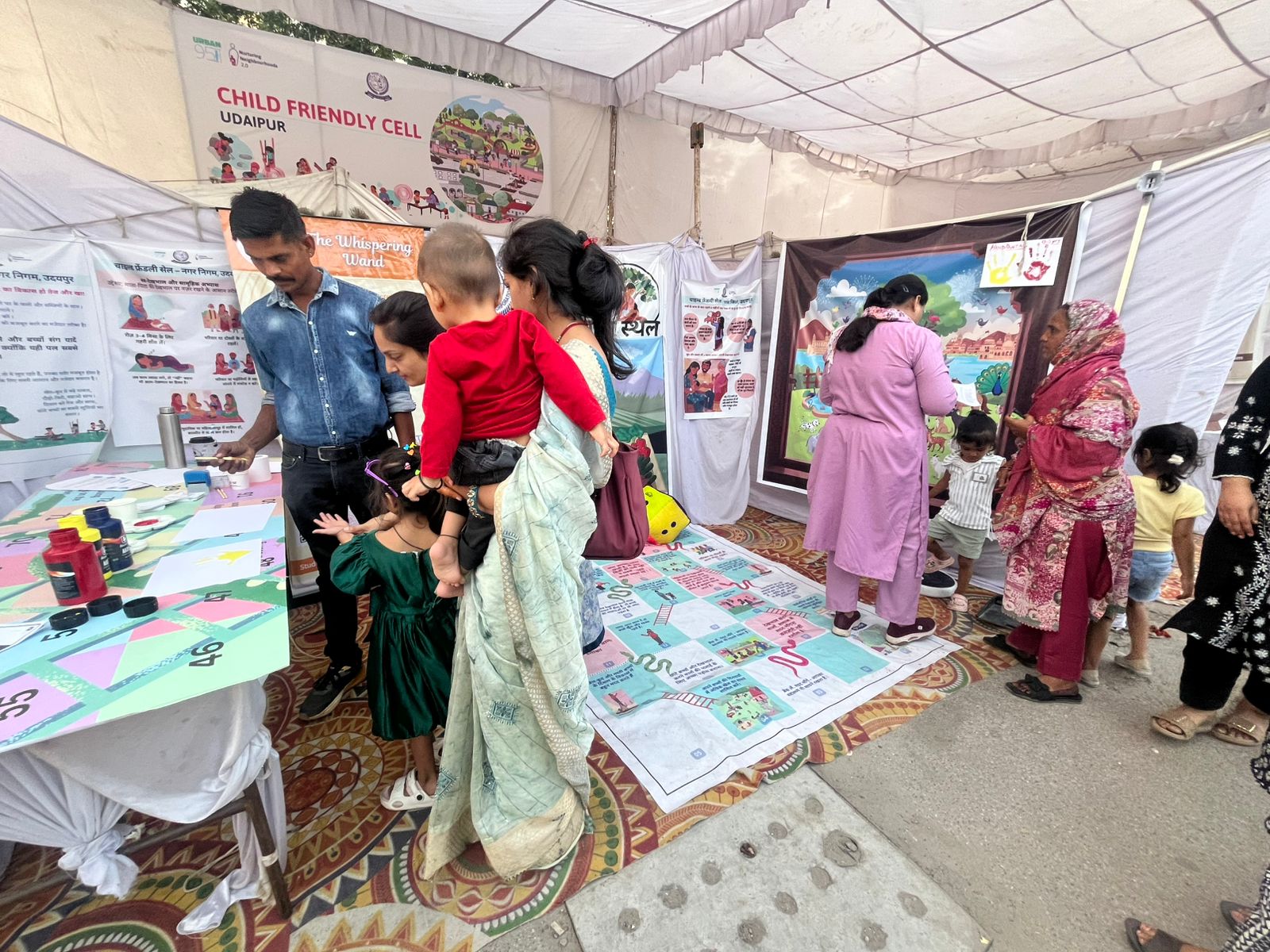
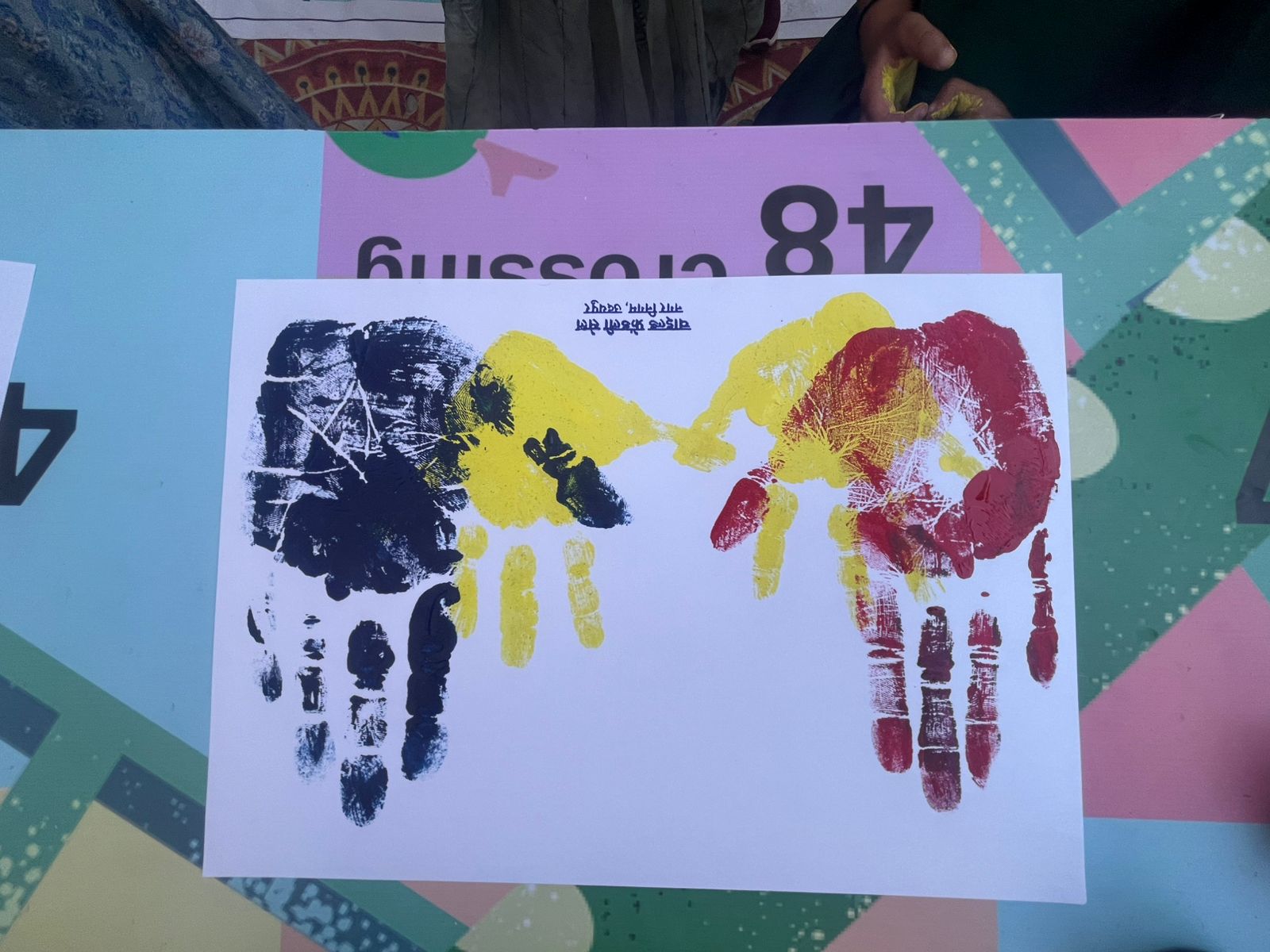
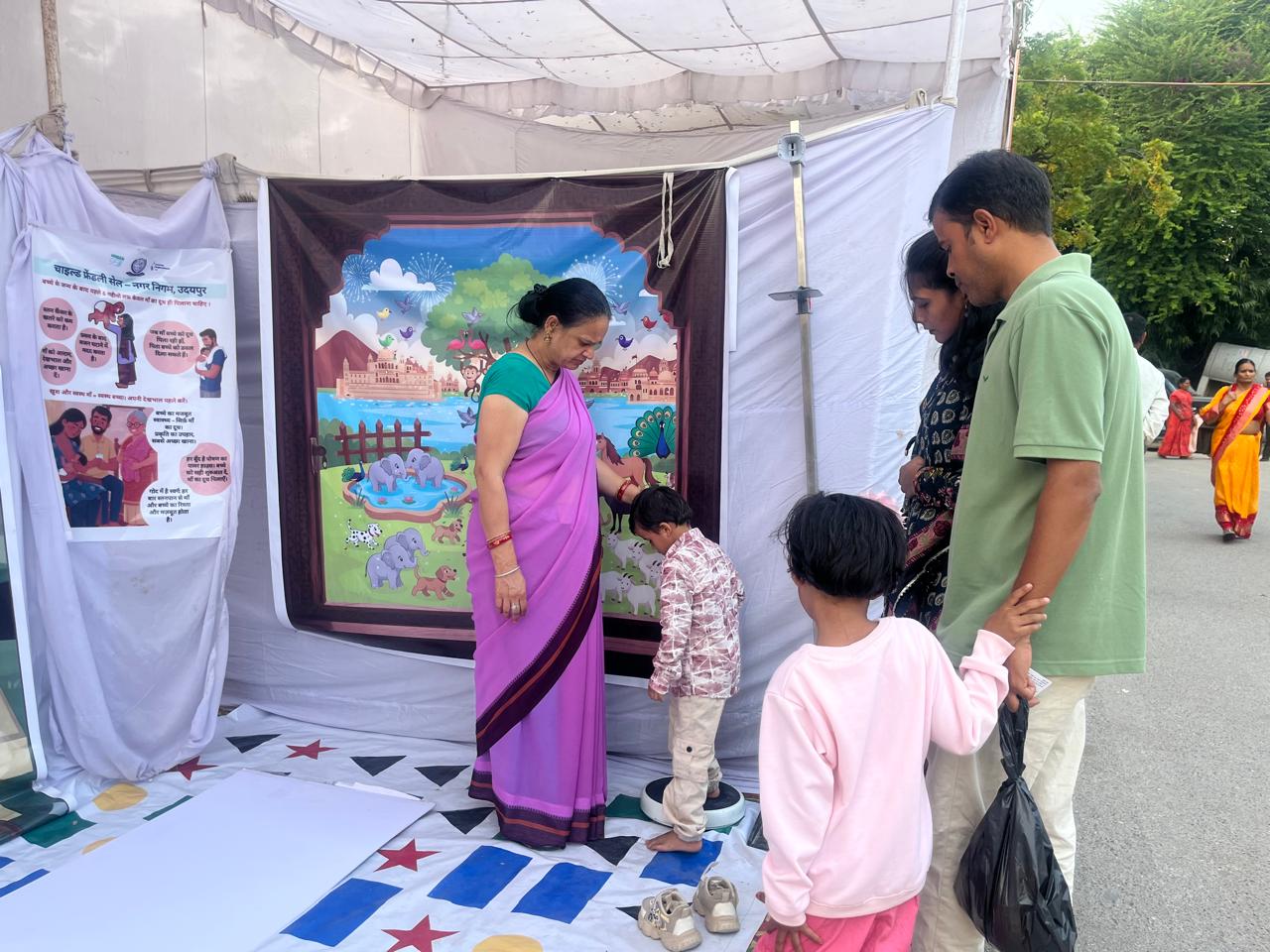
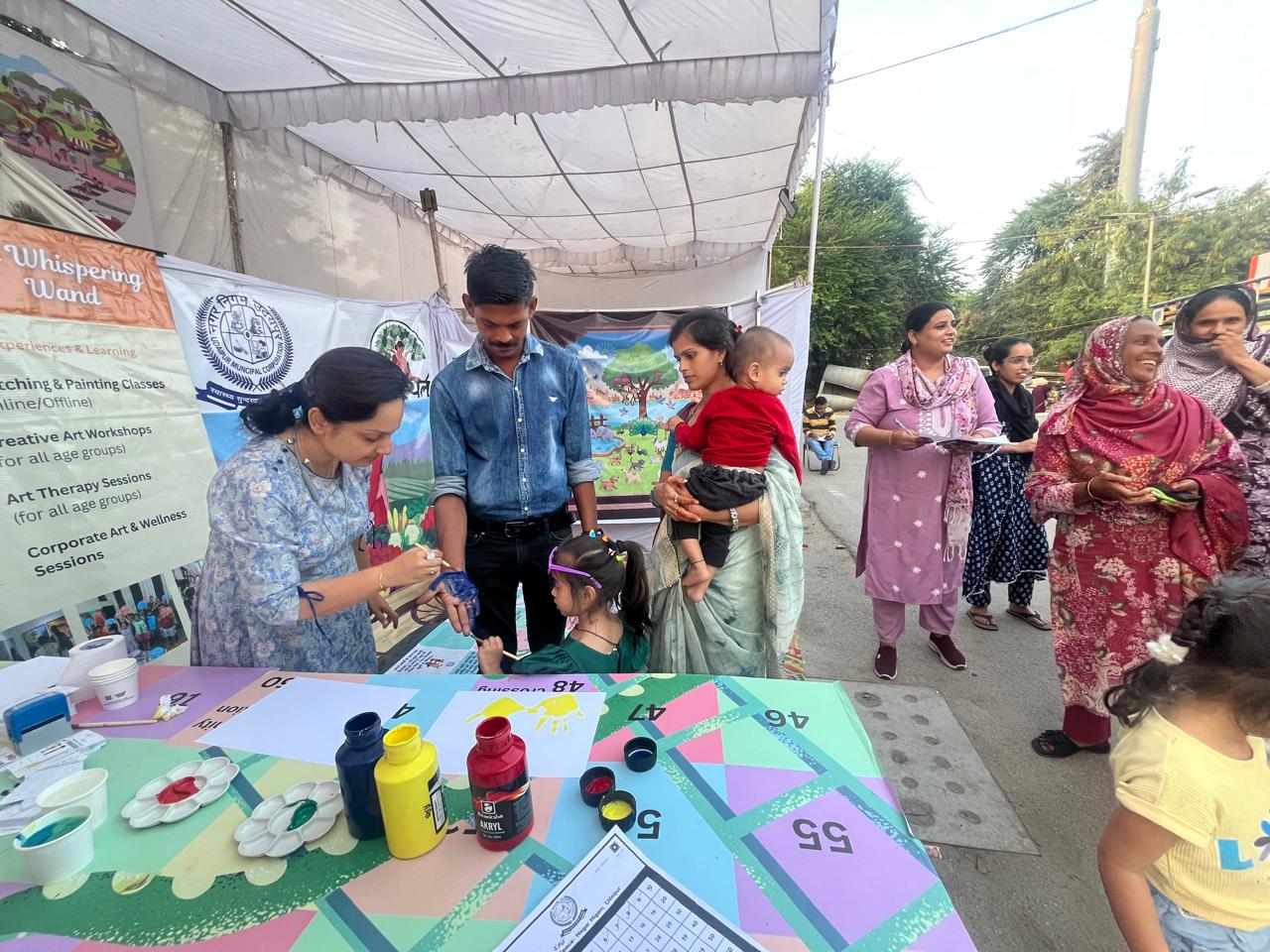
At the vibrant Udaipur Diwali Dussehra Mela, amid lights, laughter, and celebration, a quiet transformation was unfolding. The Child Friendly Cell of Udaipur created an interactive space where over 400 caregivers and 340 young children paused to reflect, play, and connect. What began as casual mela visits turned into meaningful conversations about parenting, everyday stress, and the power of simple play. Caregivers who initially felt they had “no stressors” began recognizing the invisible pressures they carry, while children explored colourful floor games, storytelling prompts, and movement activities that sparked joy and learning. Posters and audio messages echoed across the mela grounds, spreading awareness beyond the stall. In the heart of celebration, Udaipur took another step toward its 2026 vision, strengthening bonds between caregivers and young children and building a city that truly nurtures its youngest citizens.
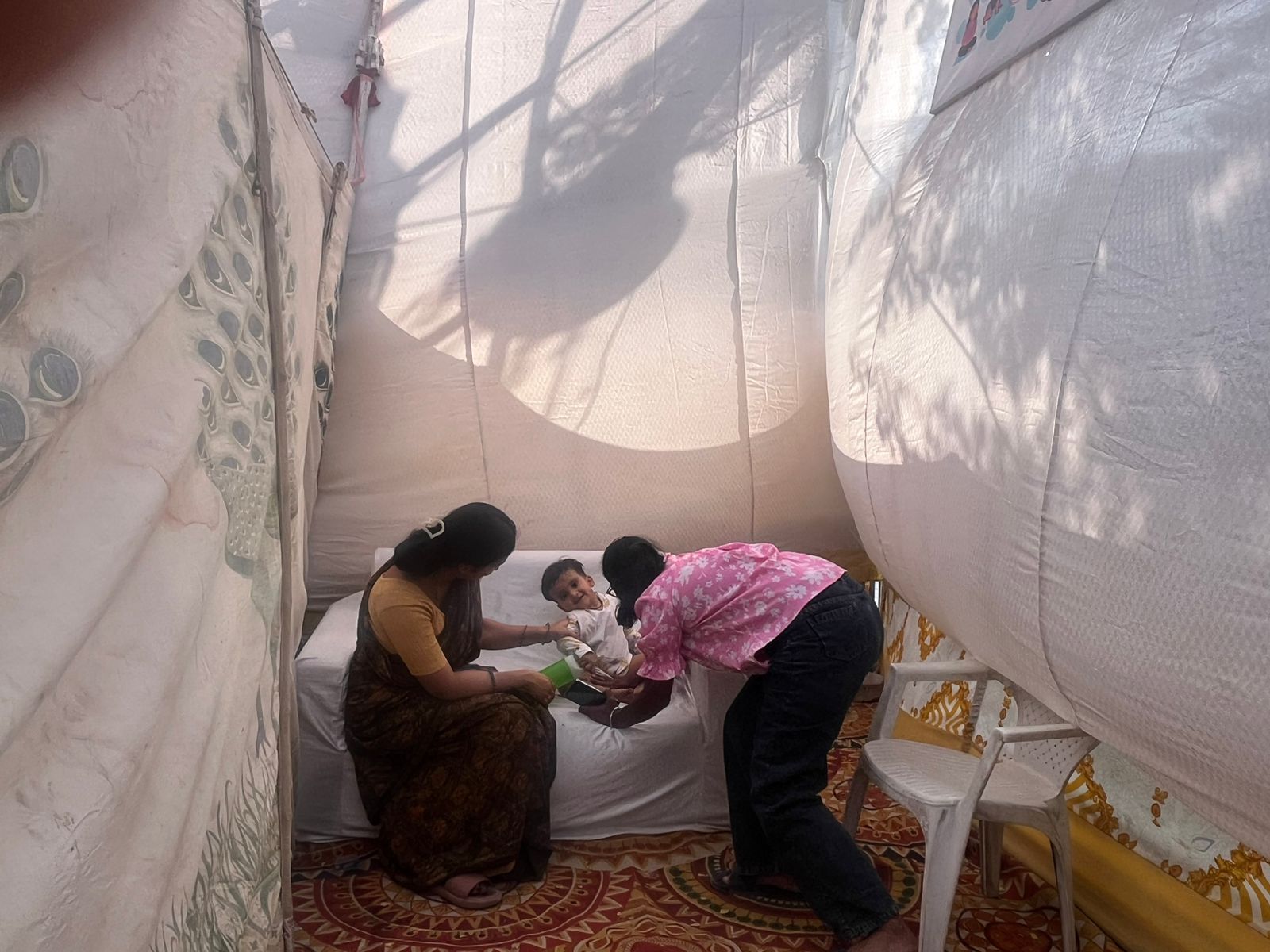
Amid the vibrant crowds of the Udaipur Diwali Dussehra Mela, the Child Friendly Cell of Udaipur created a clean, private Lactation Space to supportbreastfeeding mothers. Used by 200+ women, the space ensured that mothers could comfortably feed and care for their infants in the middle of abusy public event. By enabling timely breastfeeding, rest, and attentive care, the initiative directly supported responsive caregiving, recognizing thatwhen mothers are supported, they are better able to respond to their child’s needs. It was a simple yet powerful step toward making public spacesnurturing for both caregivers and young children.
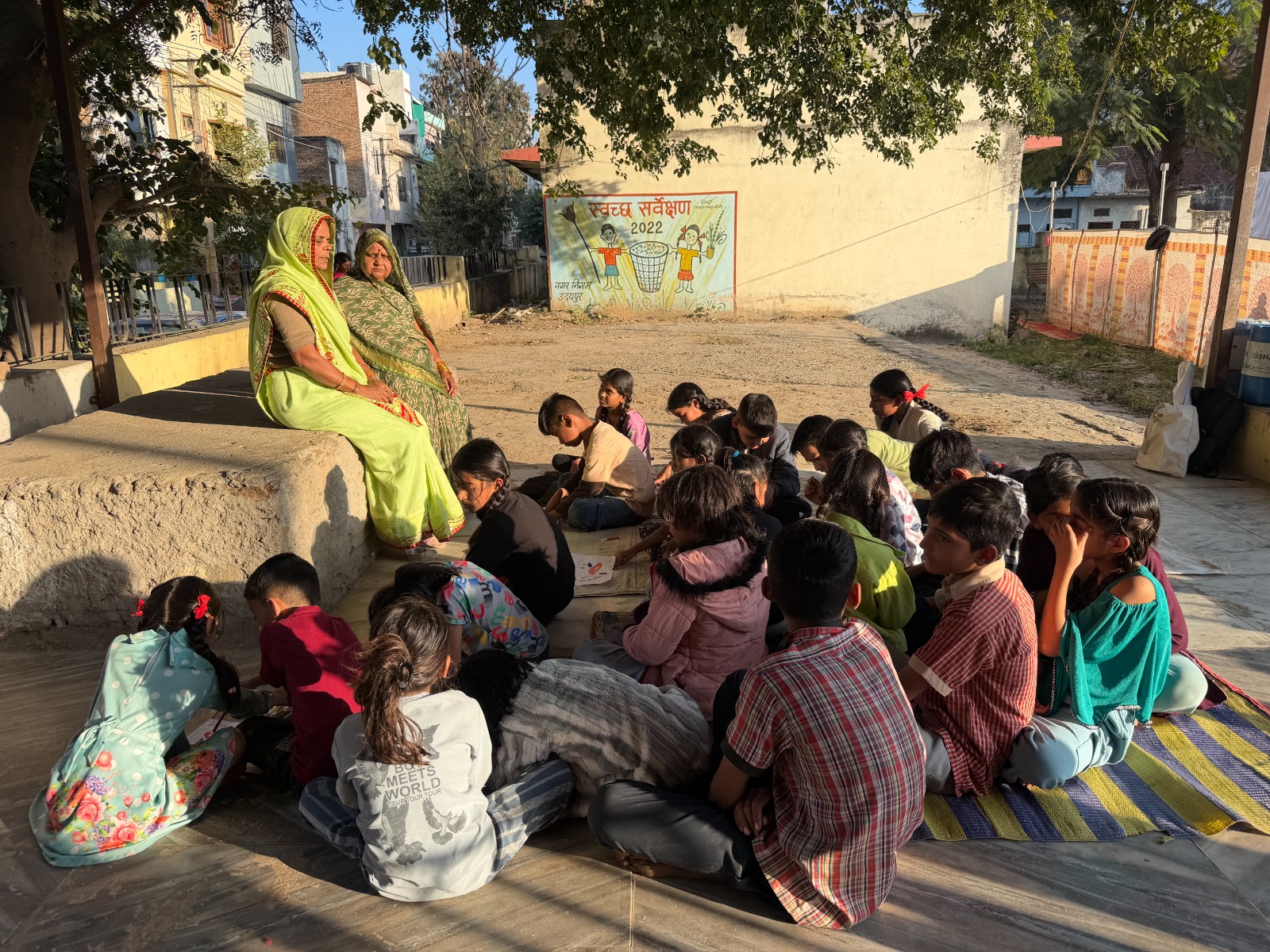
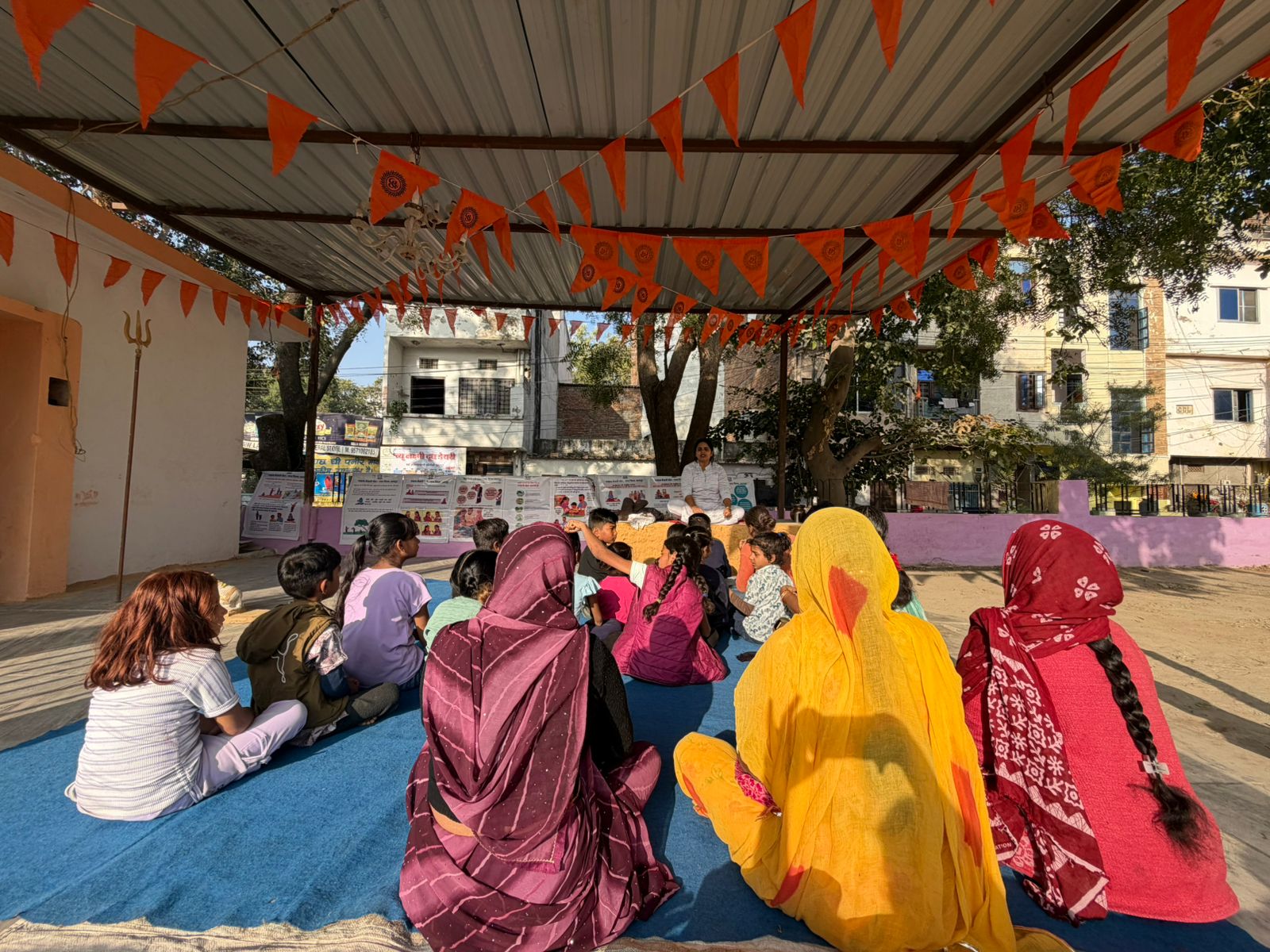
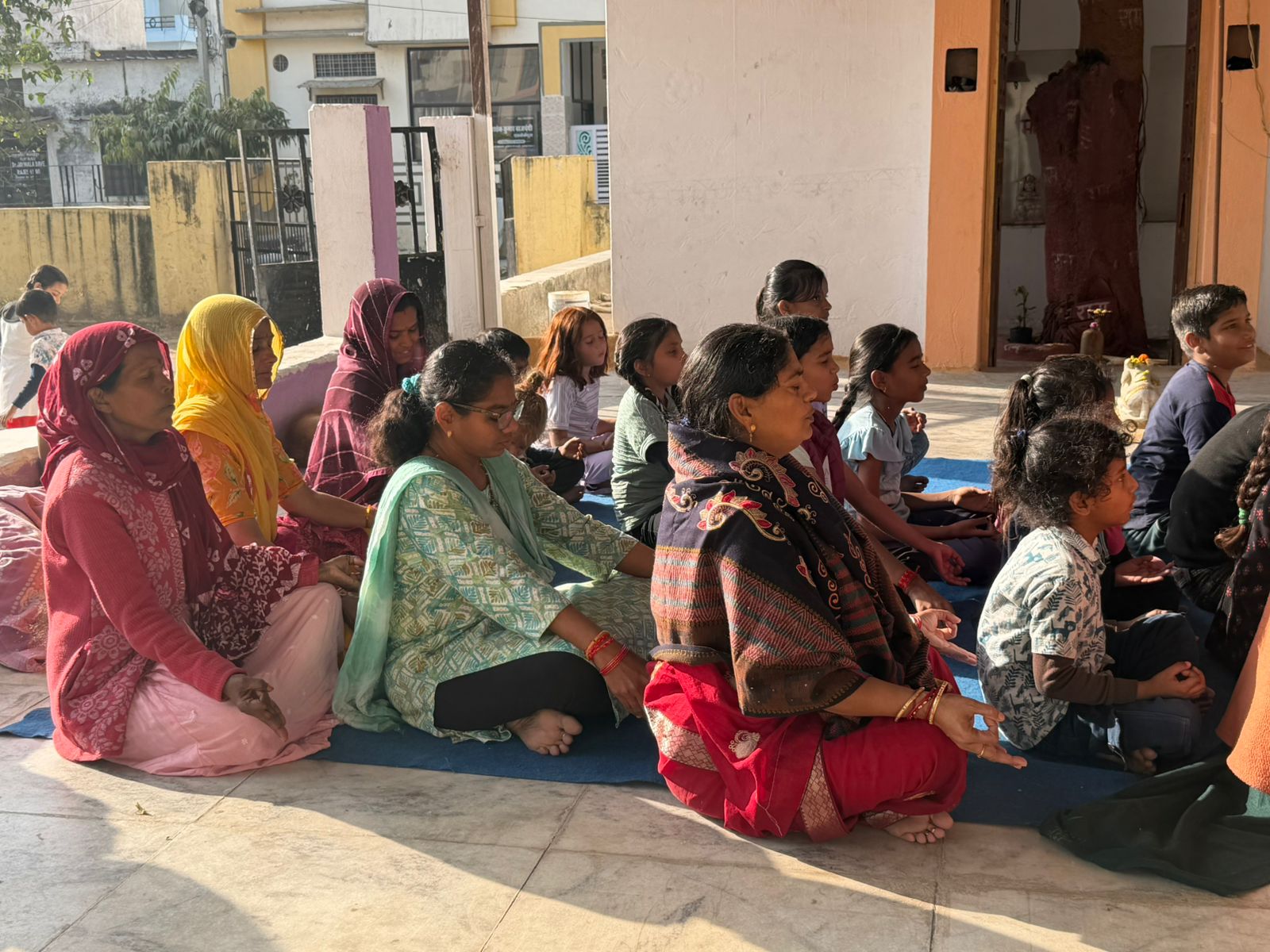
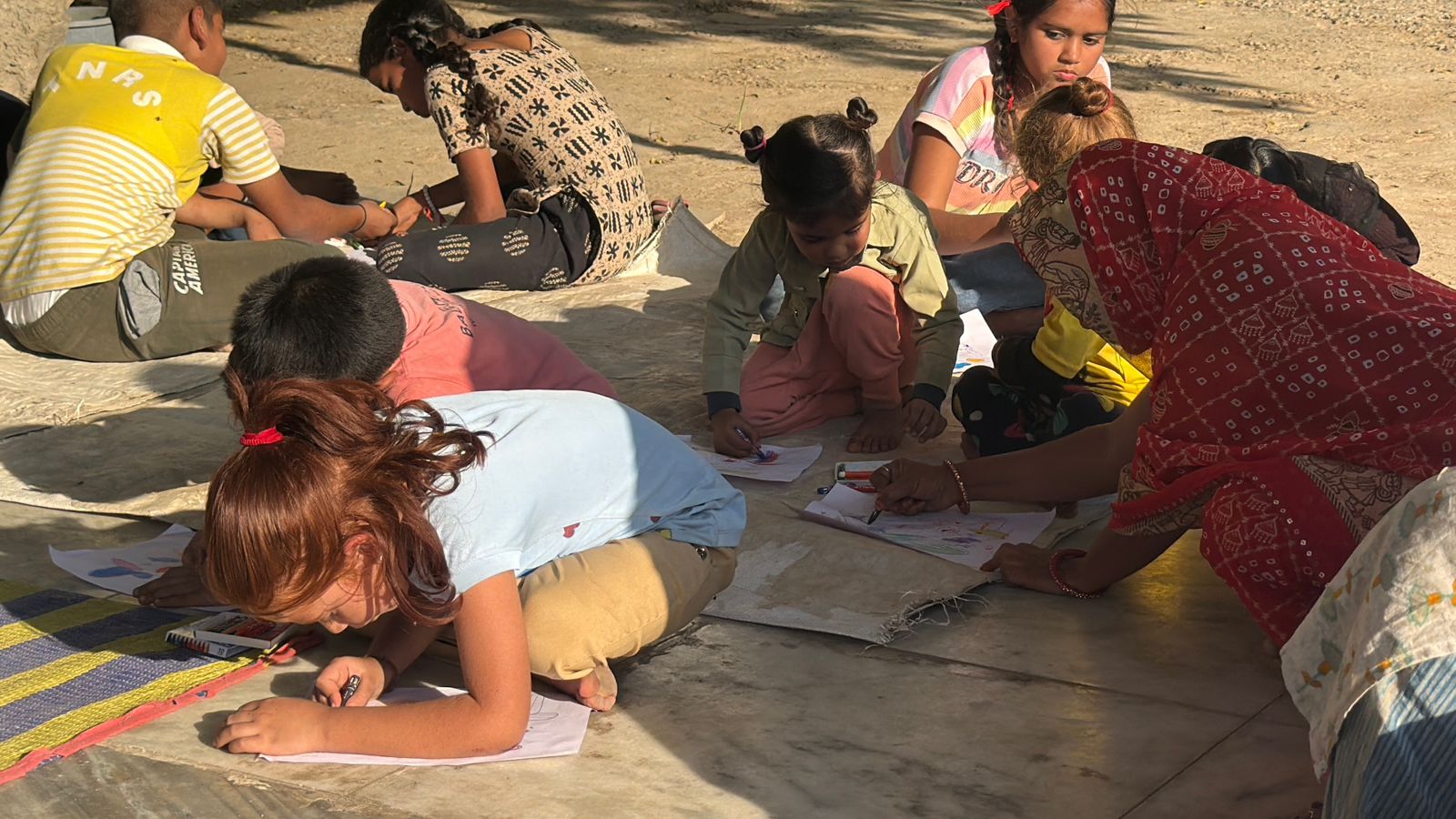
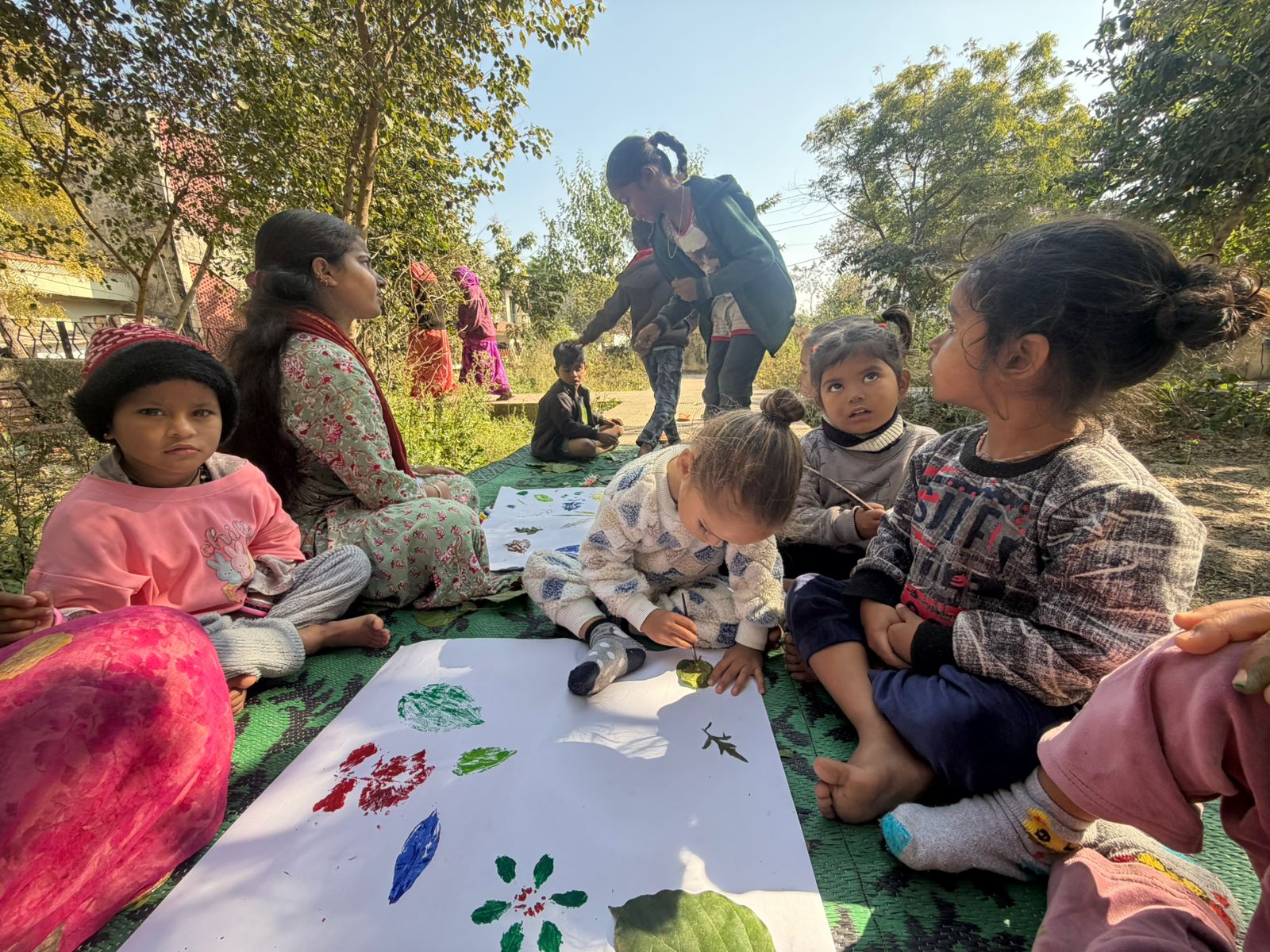
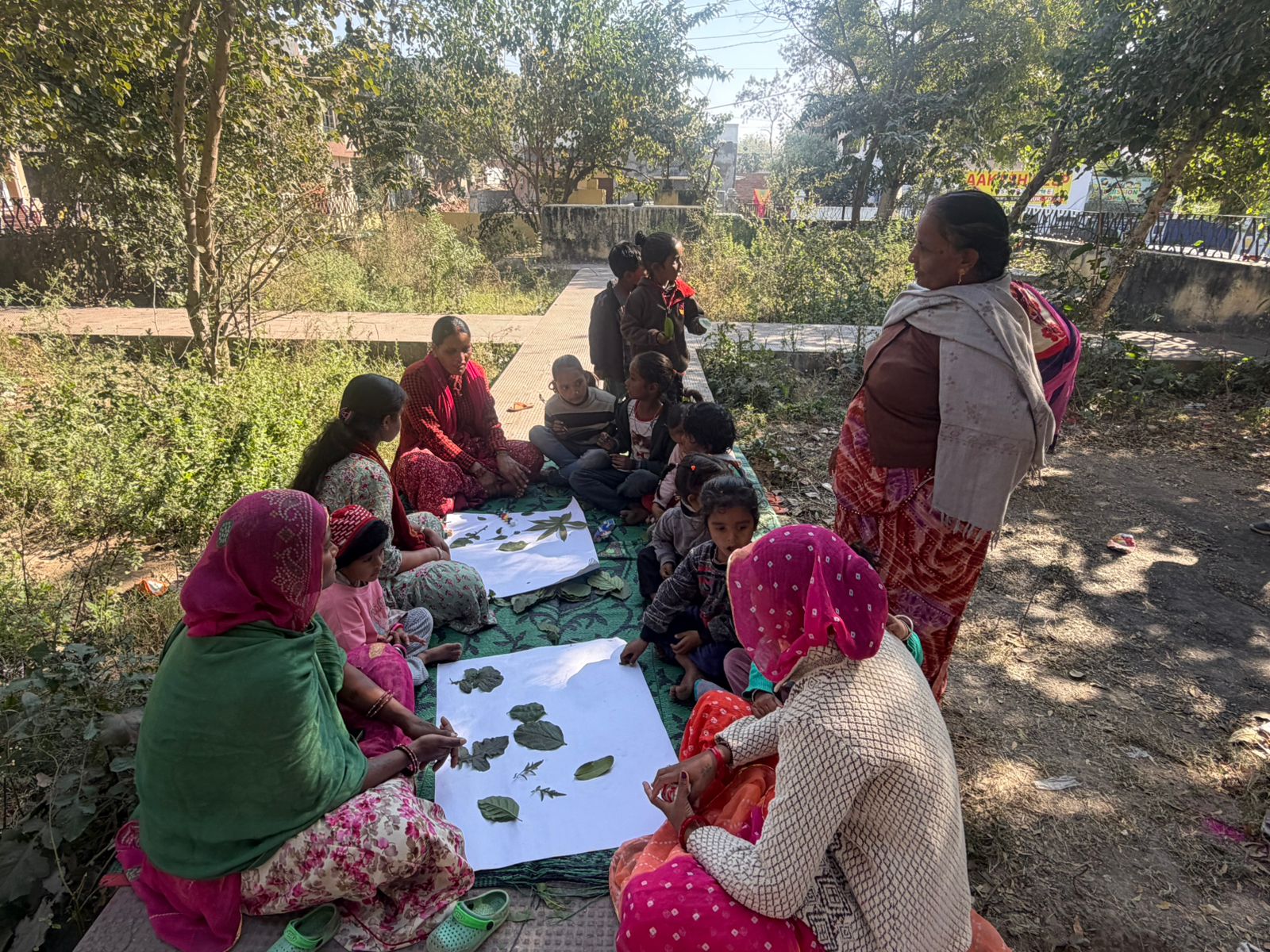
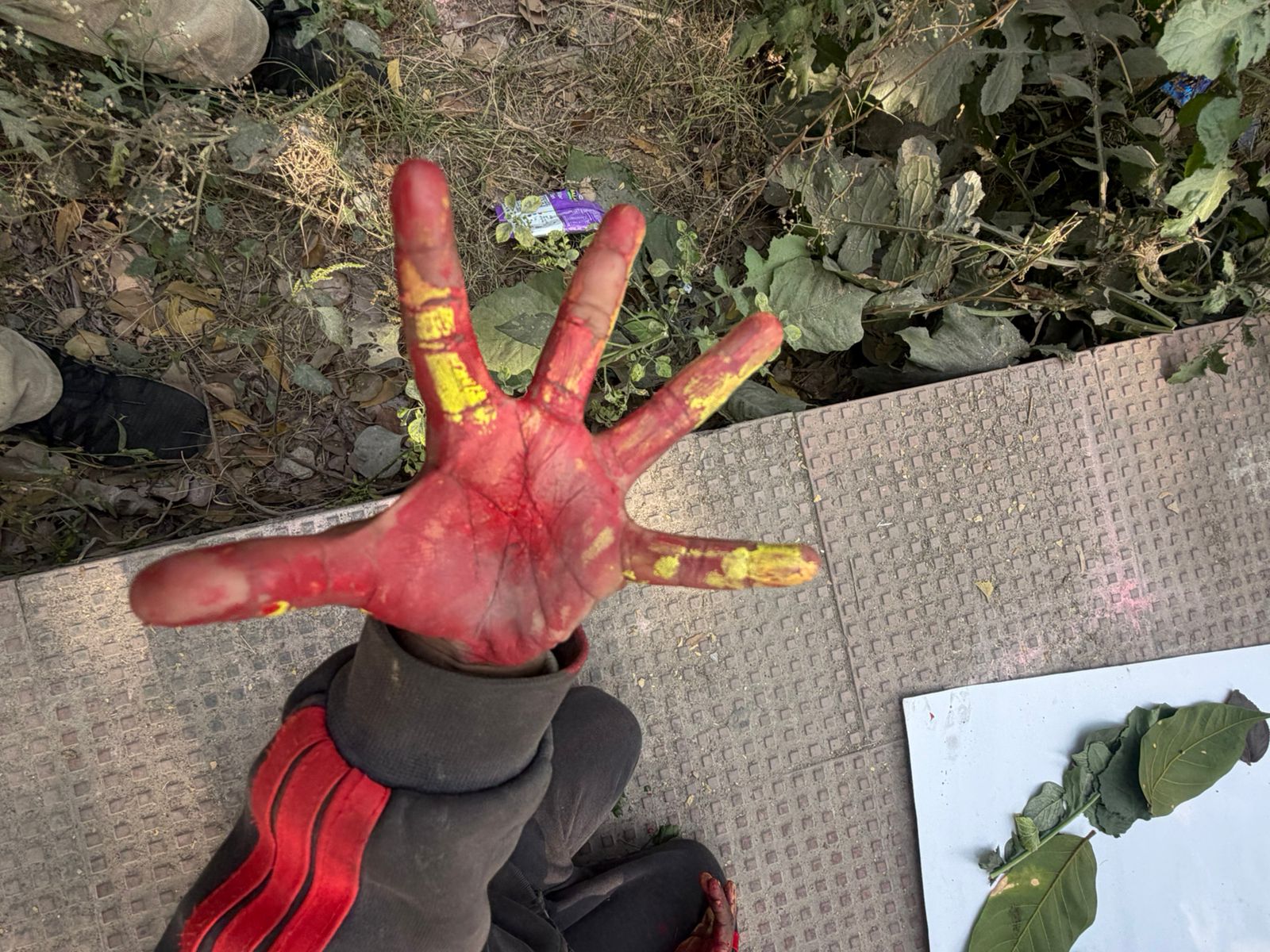
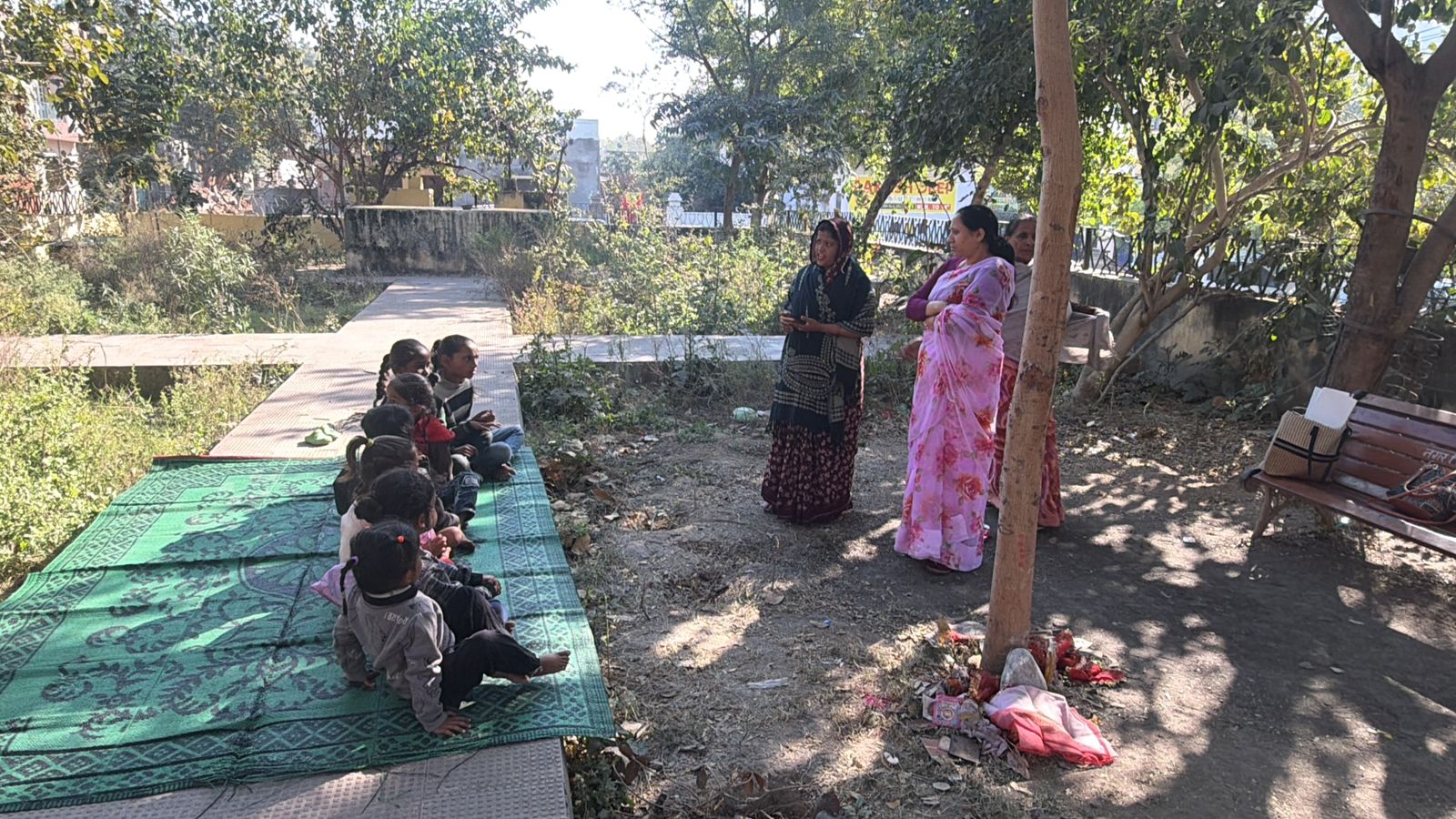
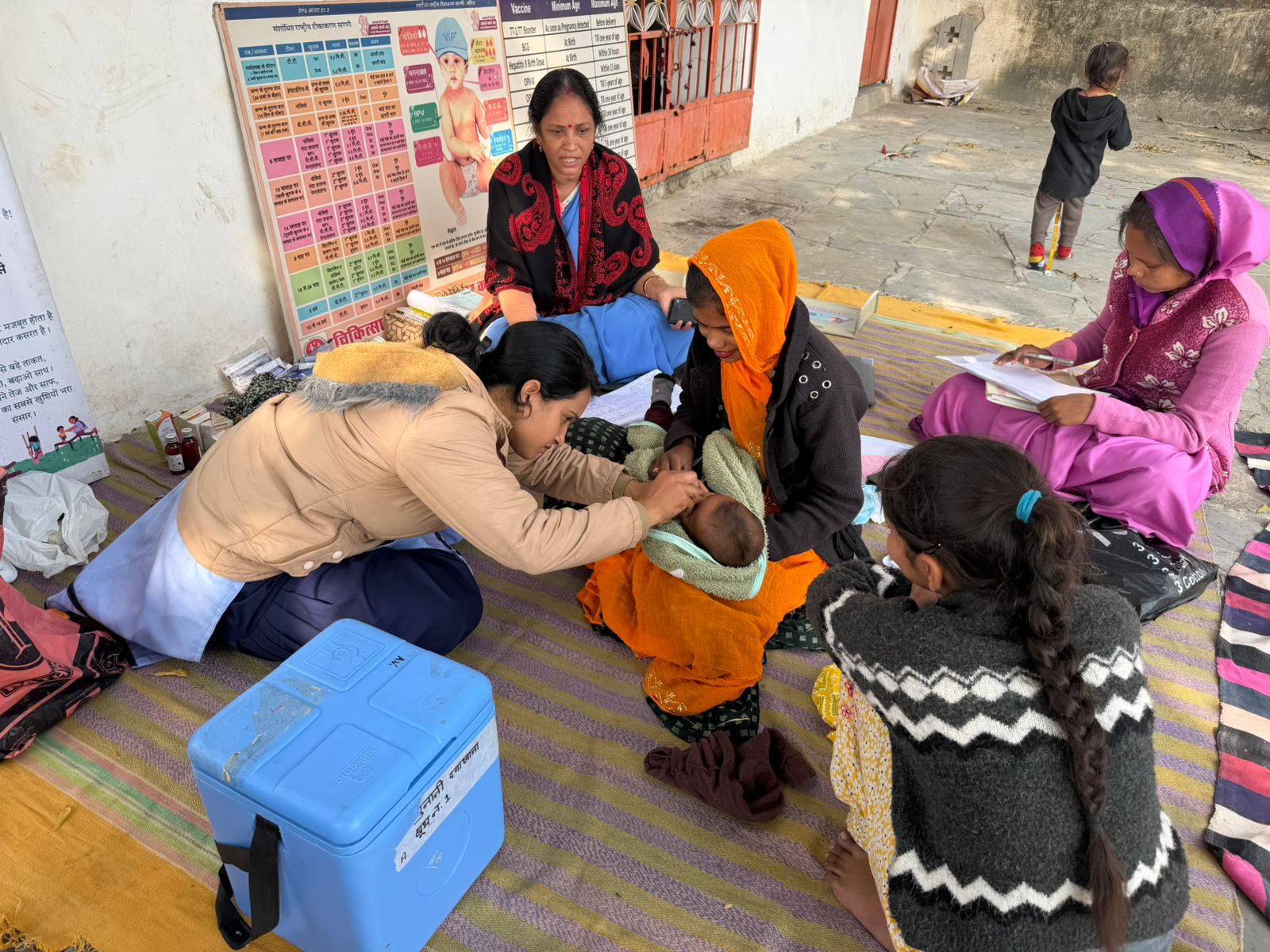
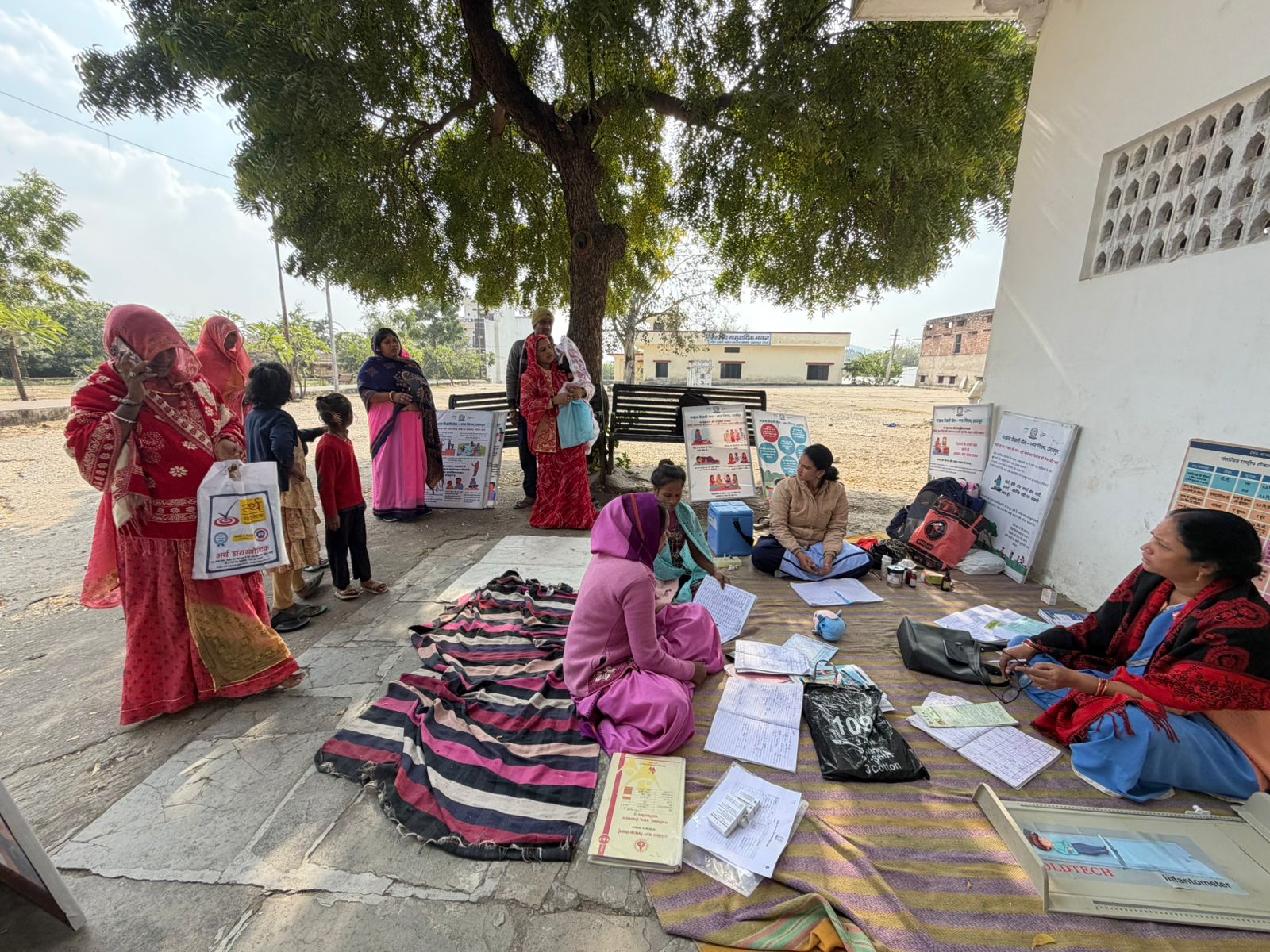
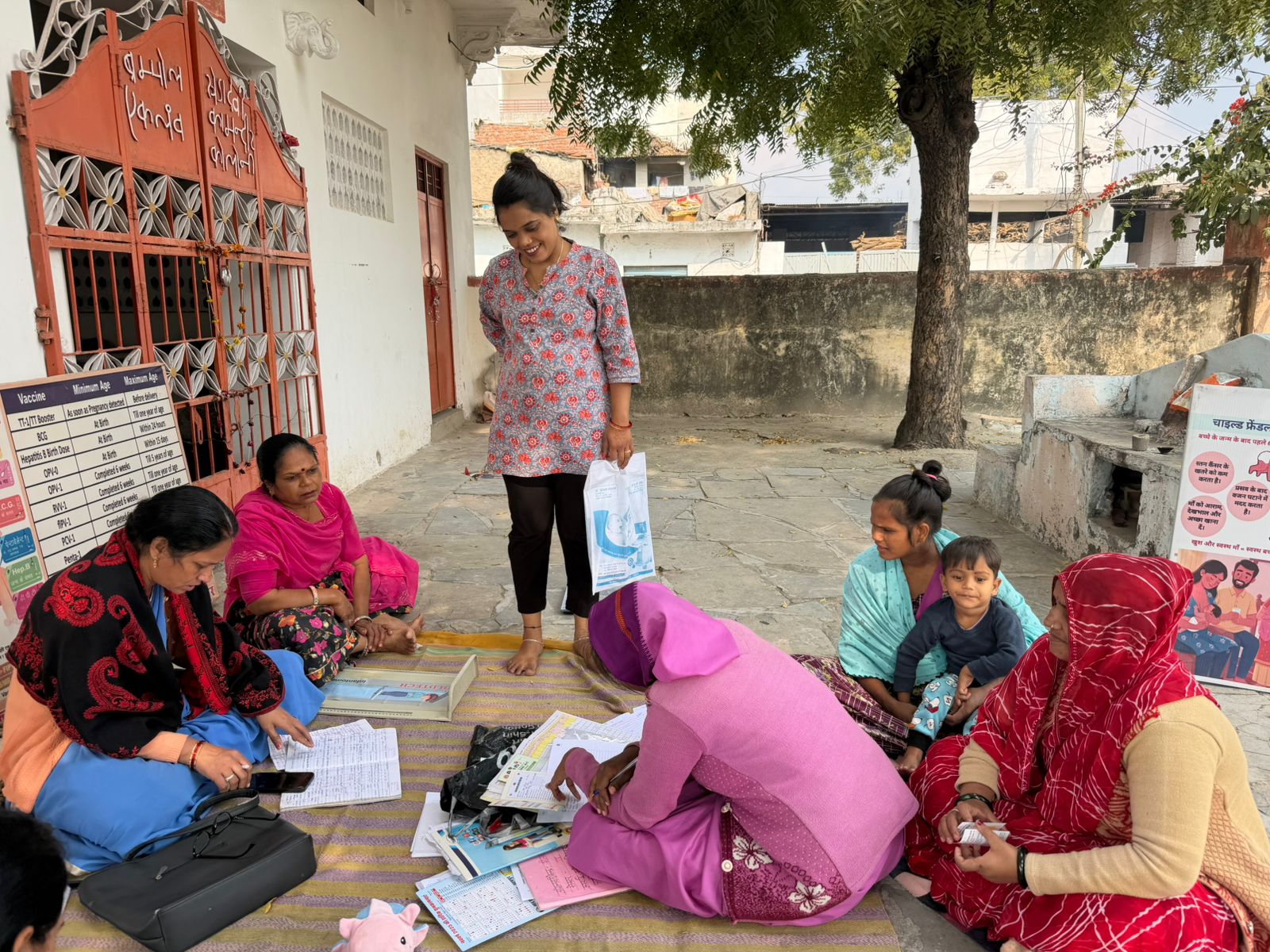
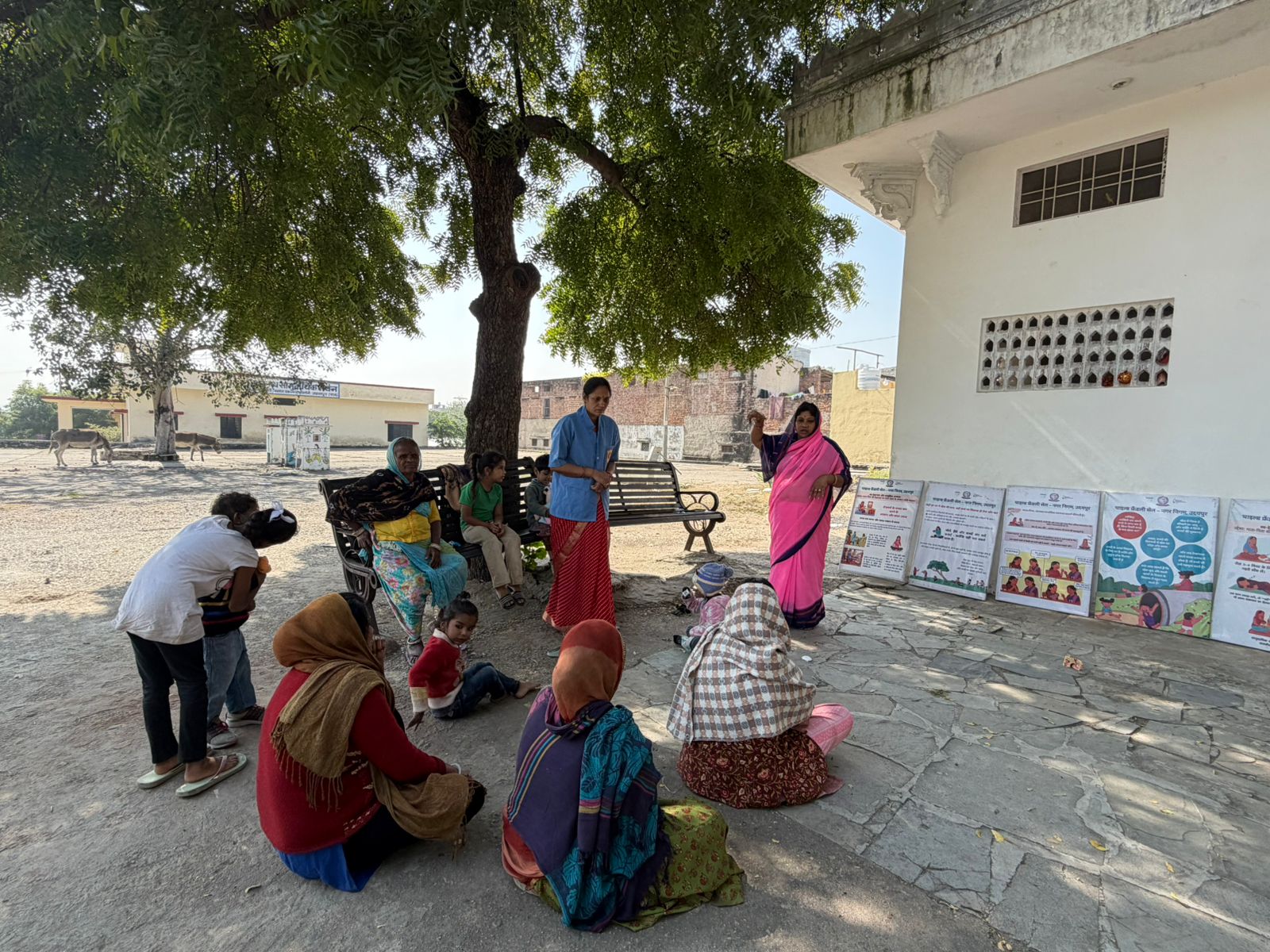
Regular Activation events across Eklavya park, Ambamata park, and Akashvani Park have transformed underused public spaces into vibrant hubs for children, parents, and community.
-
Eklavya Park, once avoided and silent, came alive through immunisation camps, Anganwadi parent-teacher meetings, and growth monitoring sessions. Mothers gathered under open skies, children received care, and families began to reconnect with the space. For many women, it was their first visit in months, some in years.
-
At Ambamata Park, Friday Khuli Kaksha sessions blended play with laerning. Leaves became toys, stones turned into games, and parents joined their children in simple, low-cost play activities. Children left joyful, parents more confident, and the park felt alive.
-
At Akashvani Park, regular yoga sessions, storytelling circles, and chai meet-ups created a platform for caregiver wellbeing and connection. A “Passing and Sharing the Stress” session led to a self-help group, with a core group now mobilisingthe community and planning future activities.
Together, these efforts show how regular, community-led activation can enhance public spaces, turning them into safe, inclusive environments for play, parenting, and community connection.
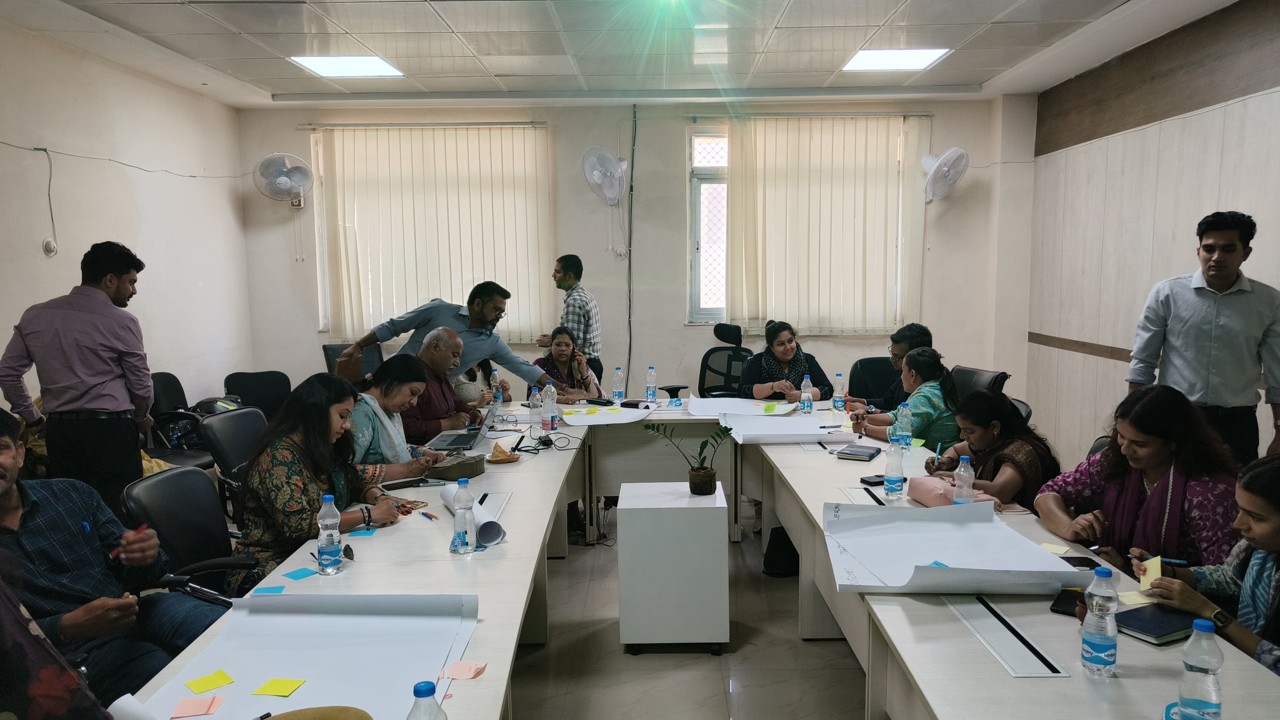
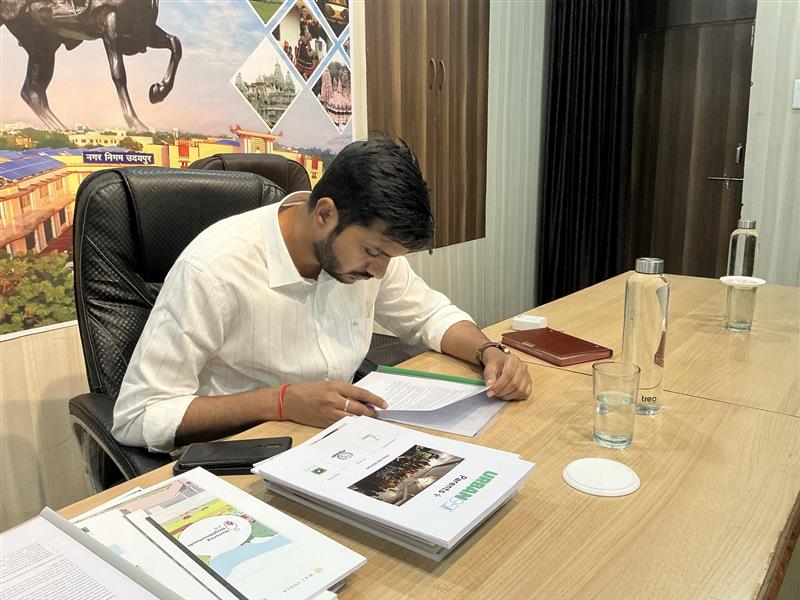
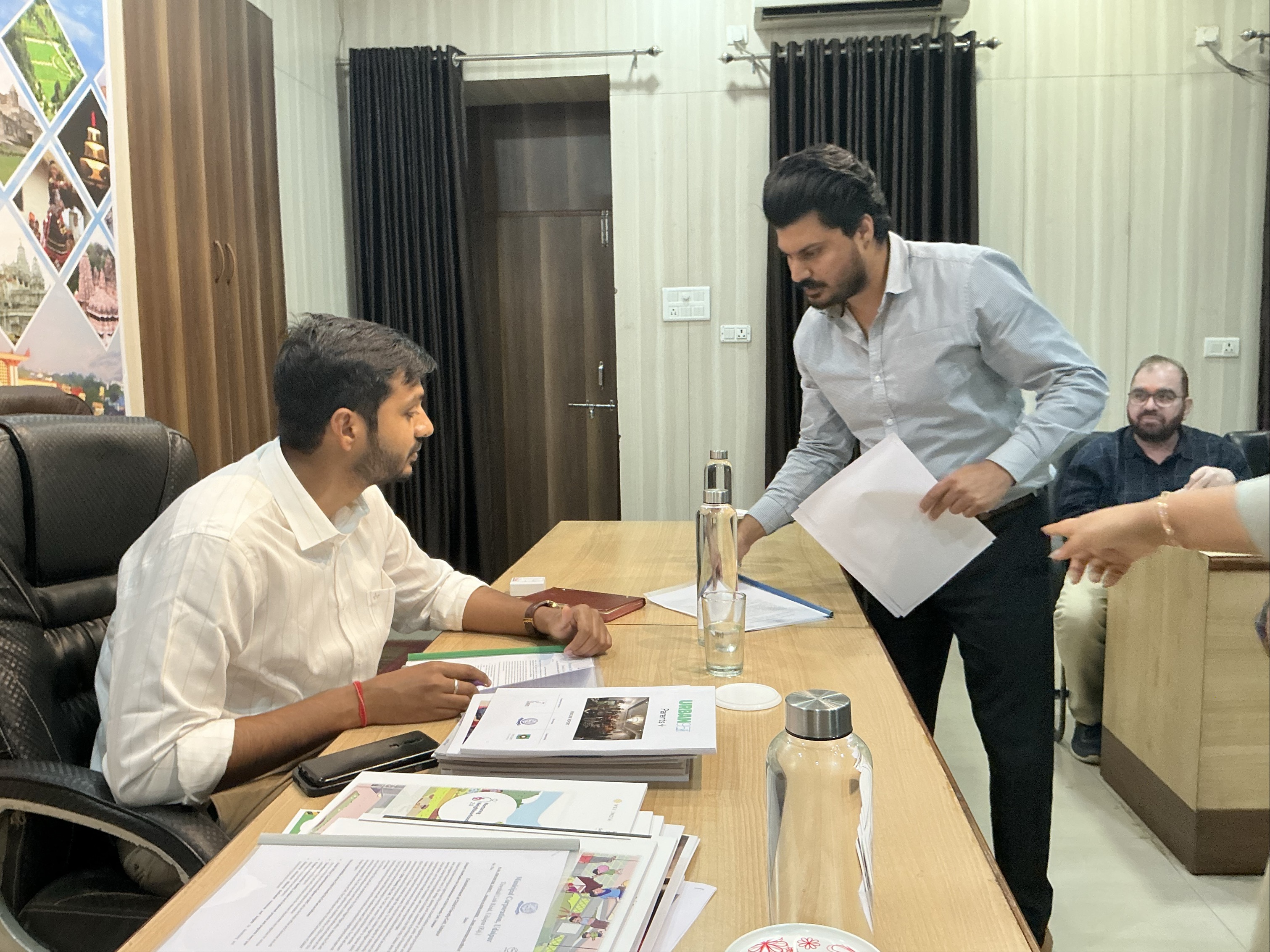
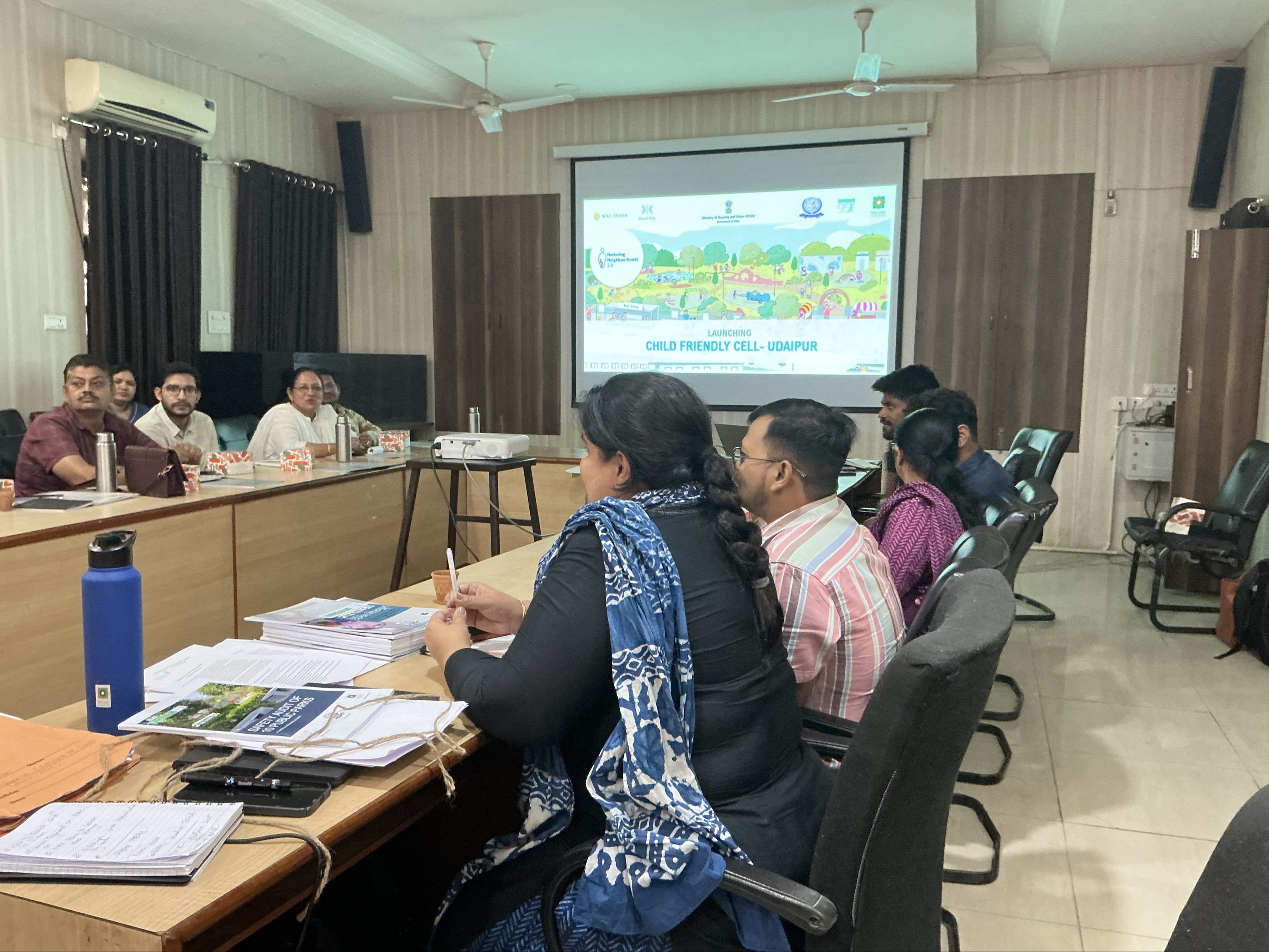
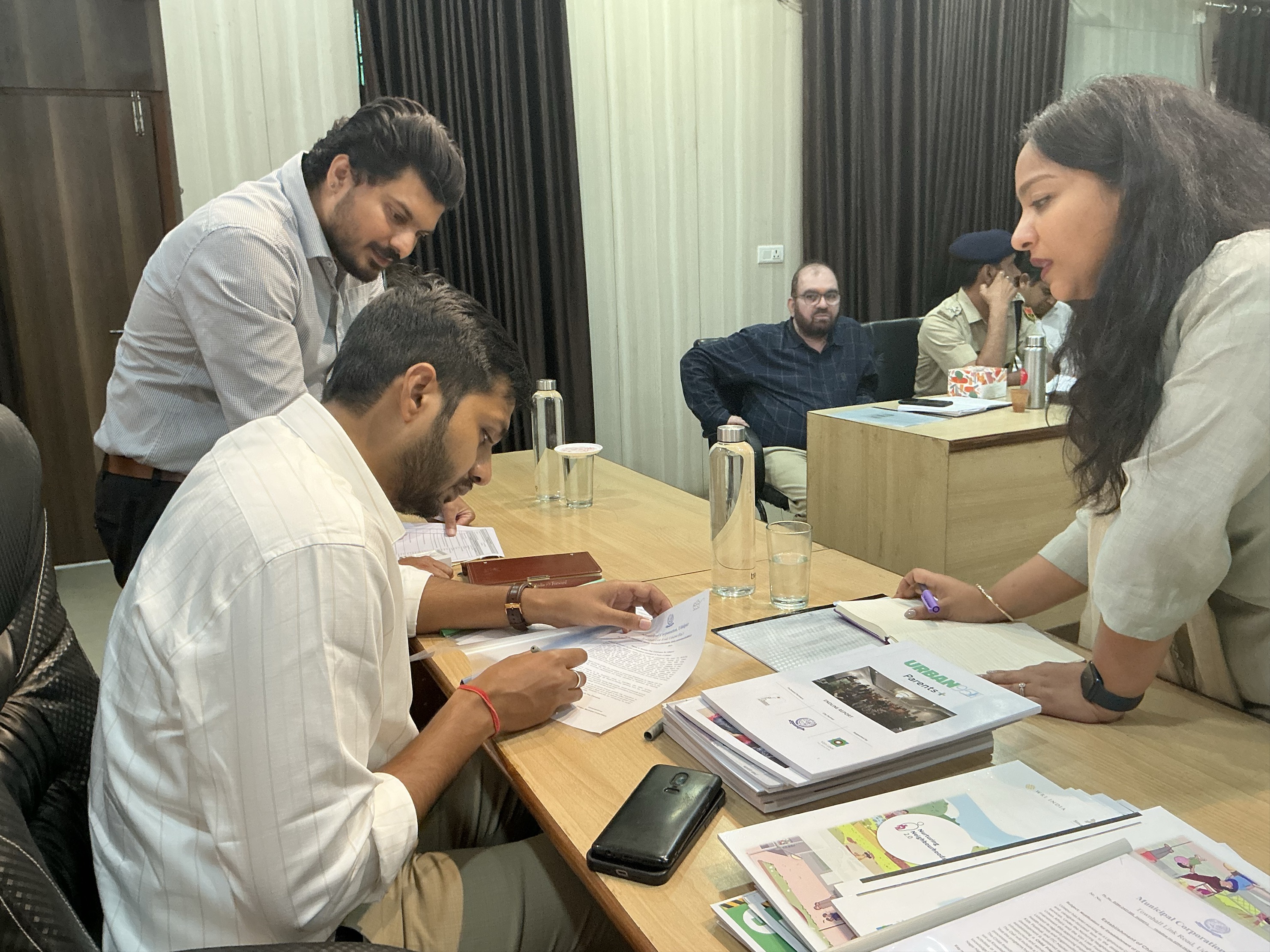
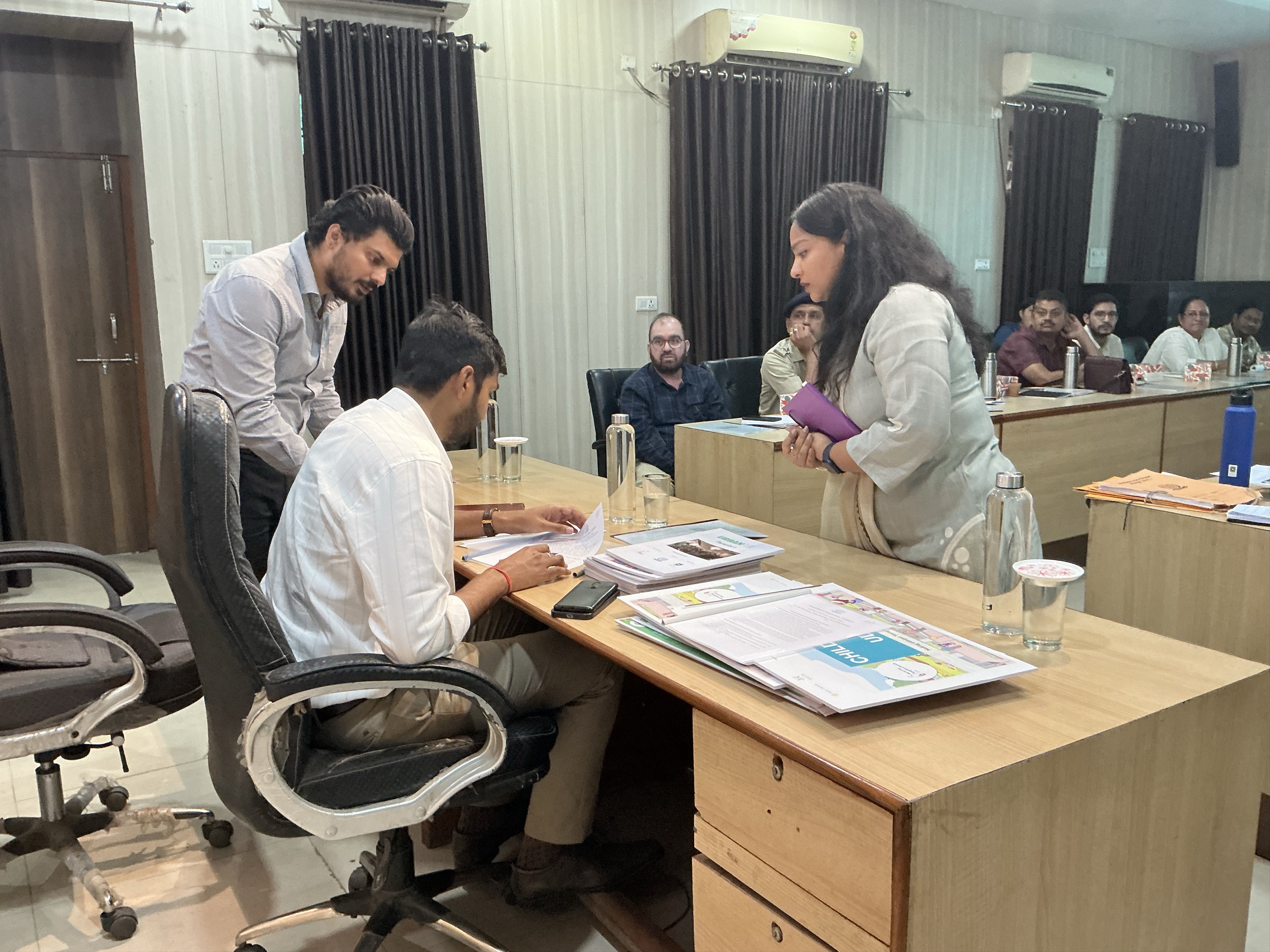
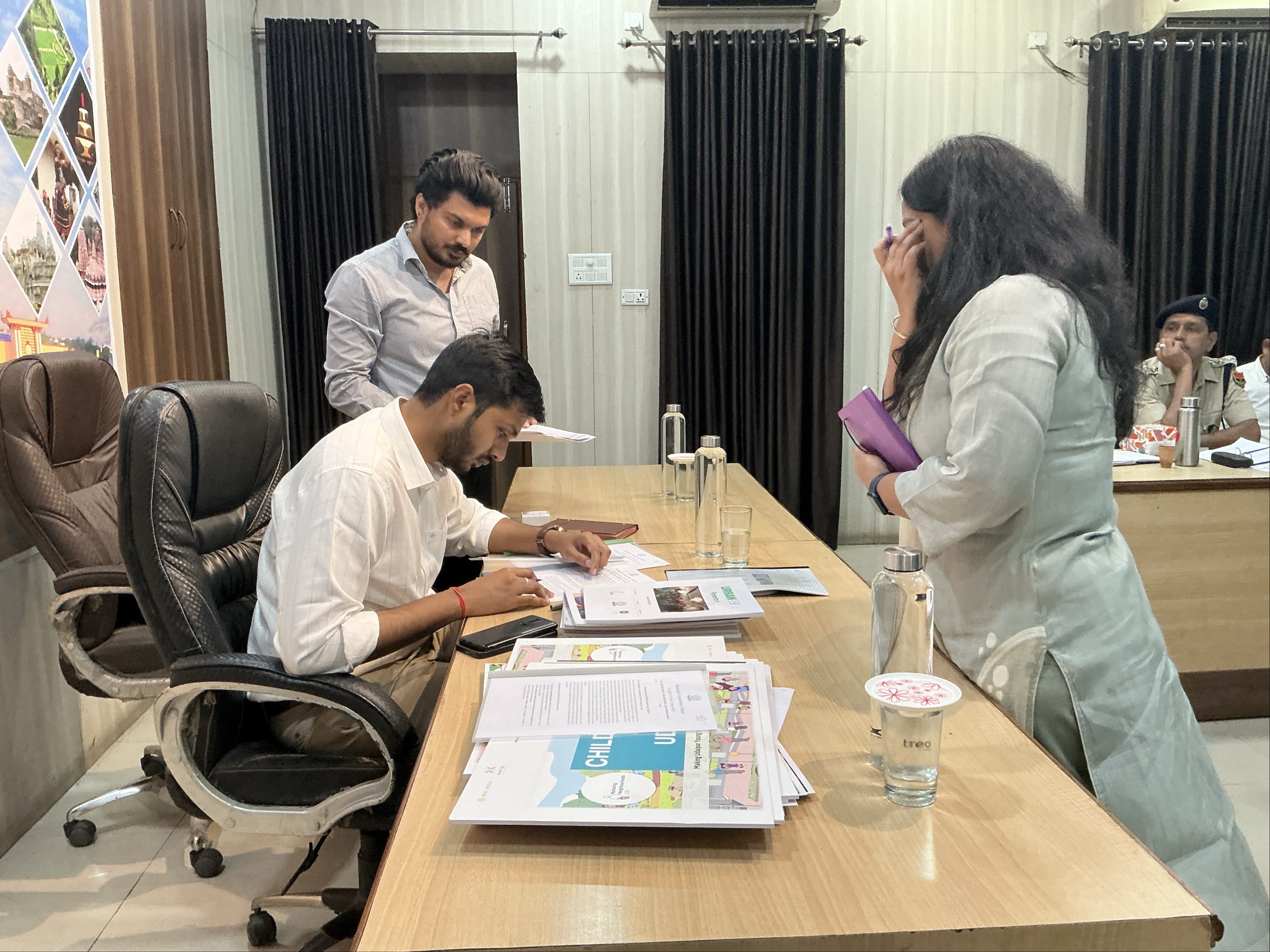
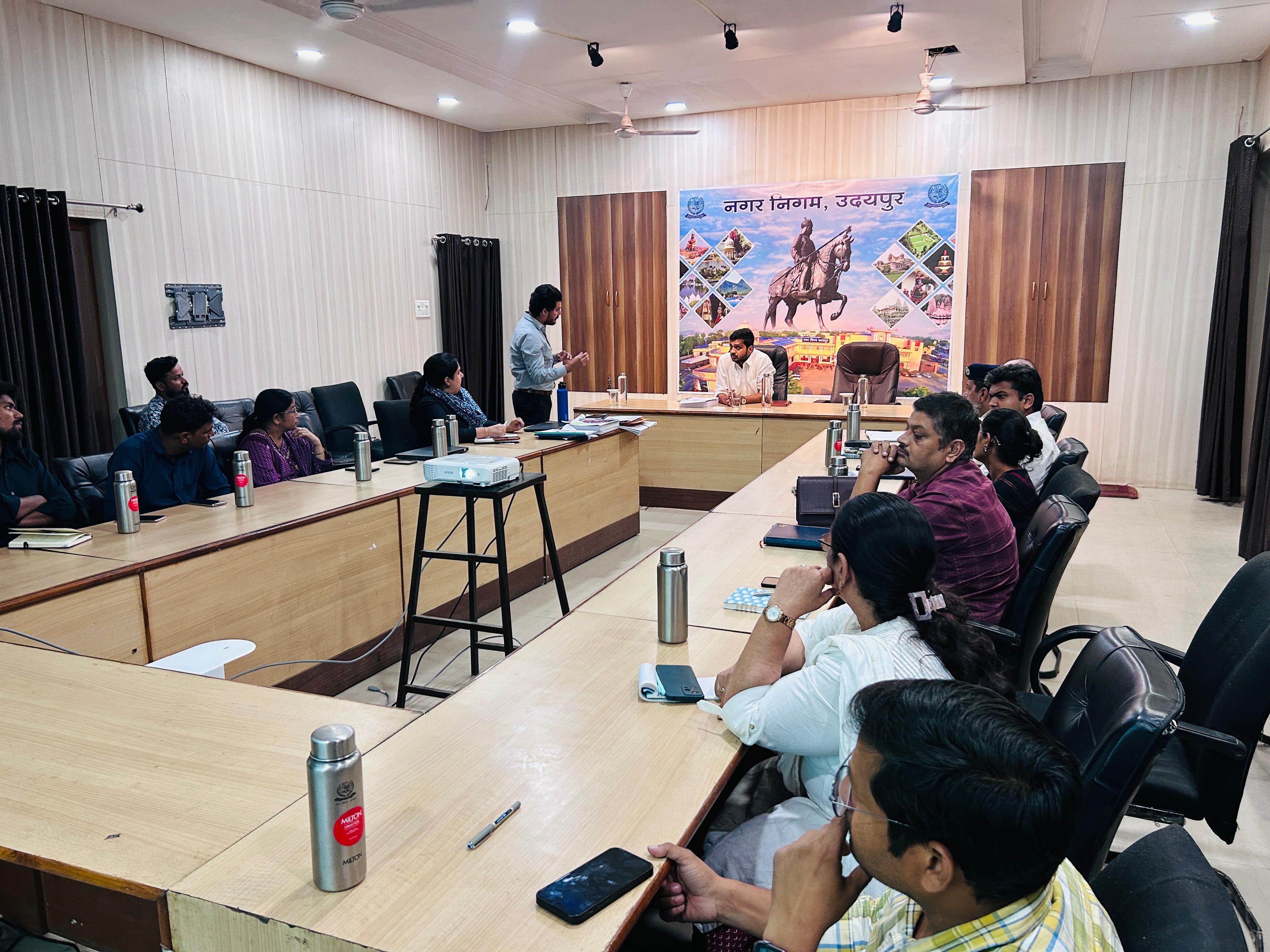
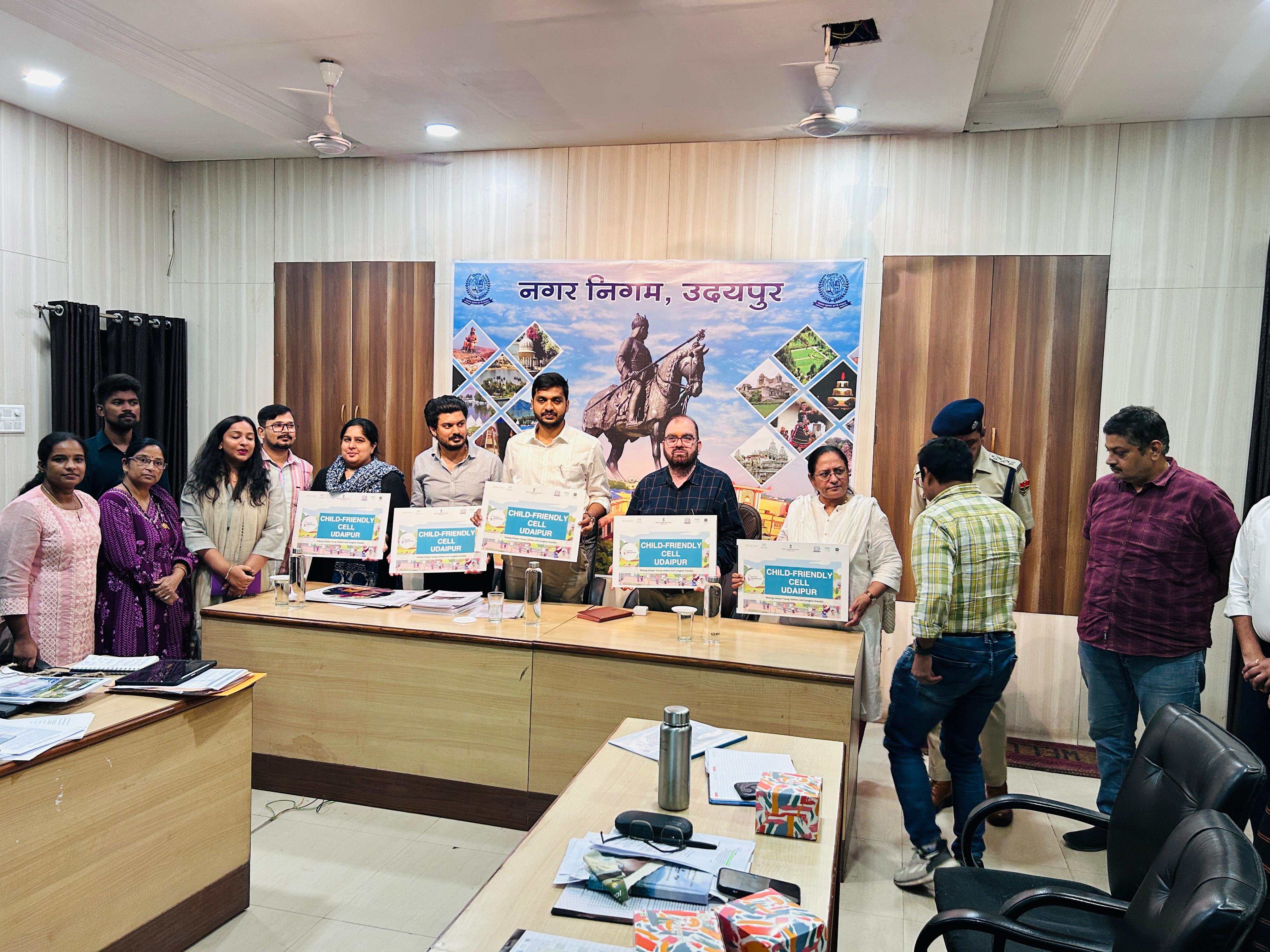
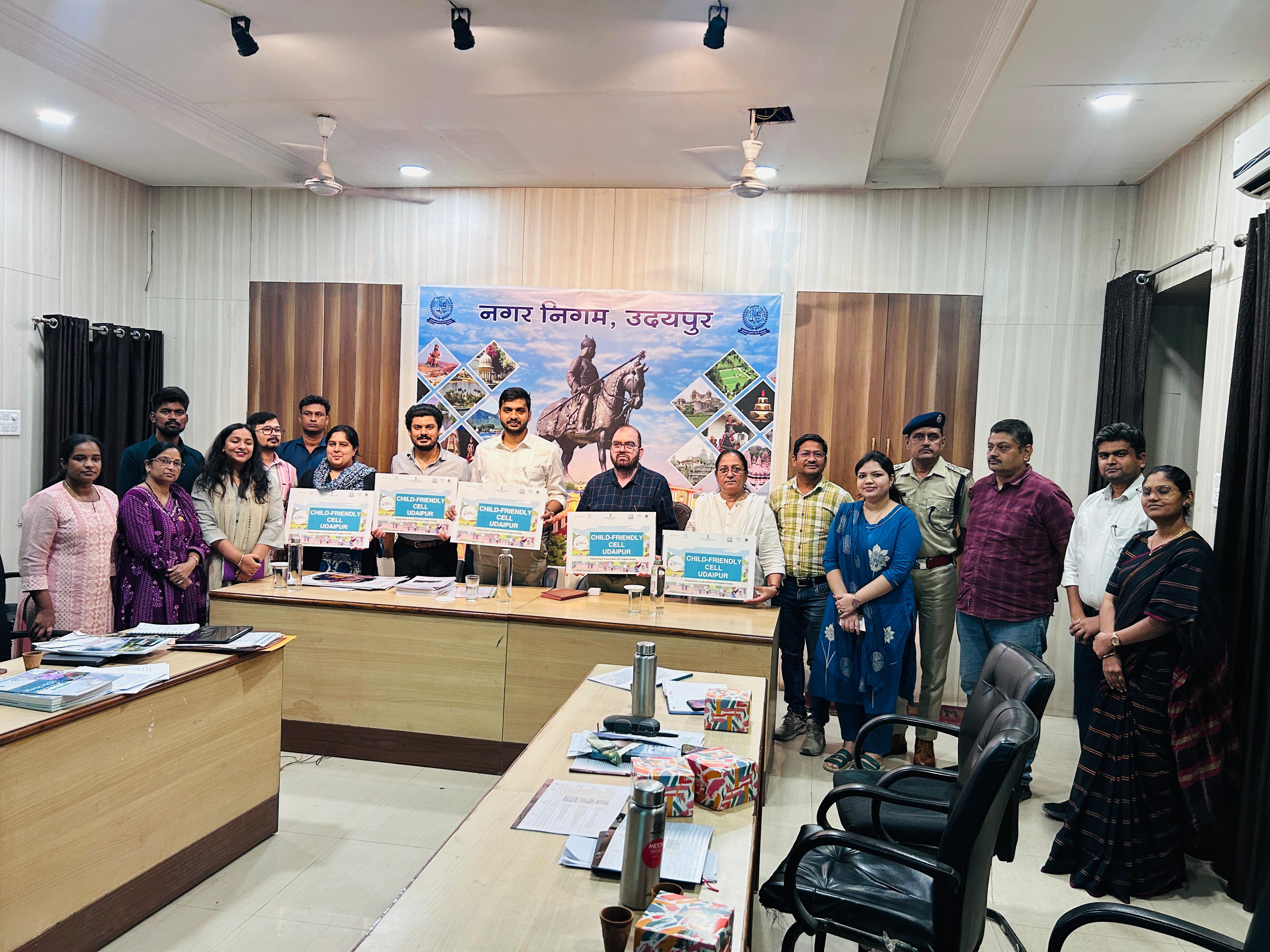
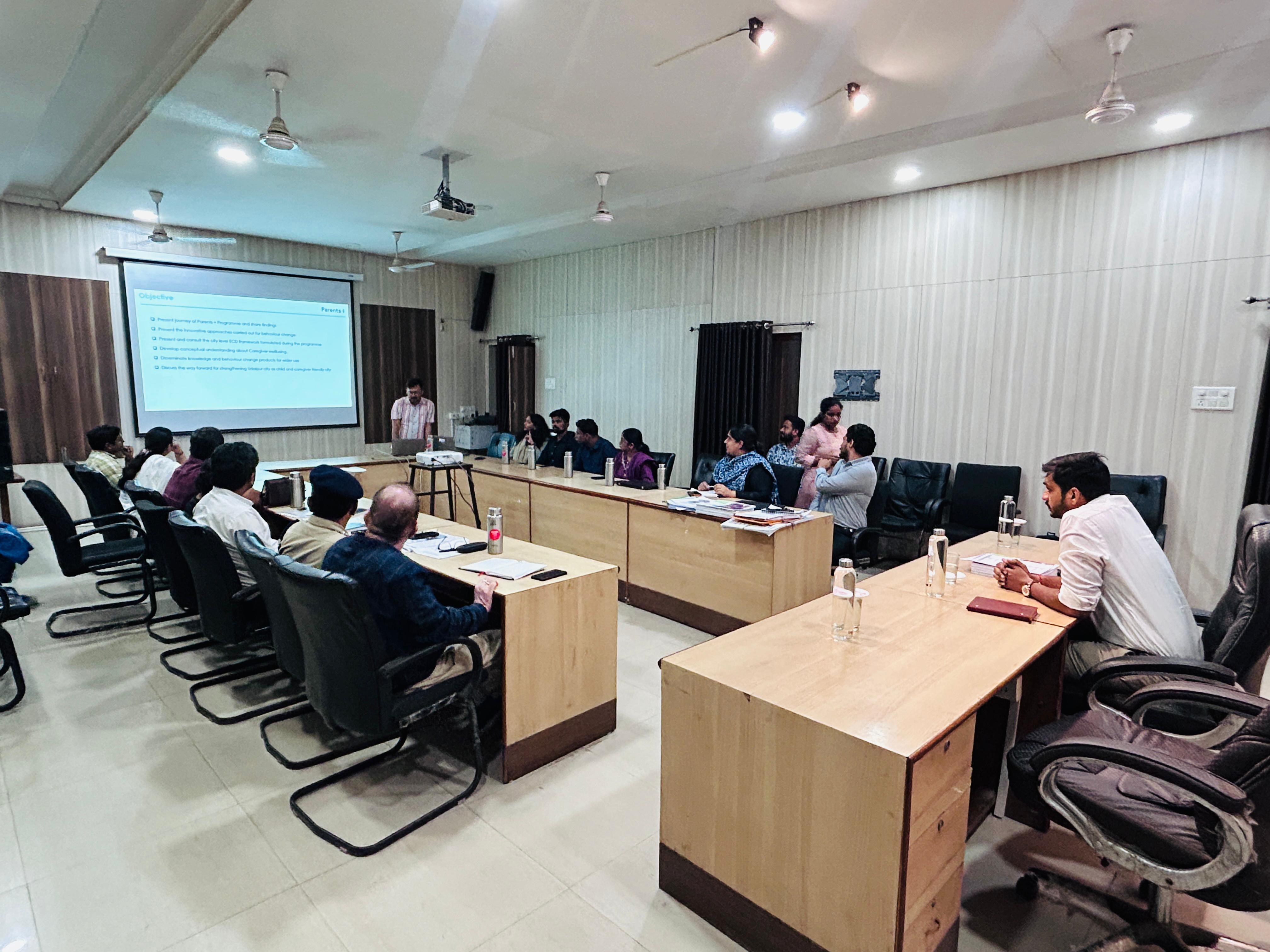
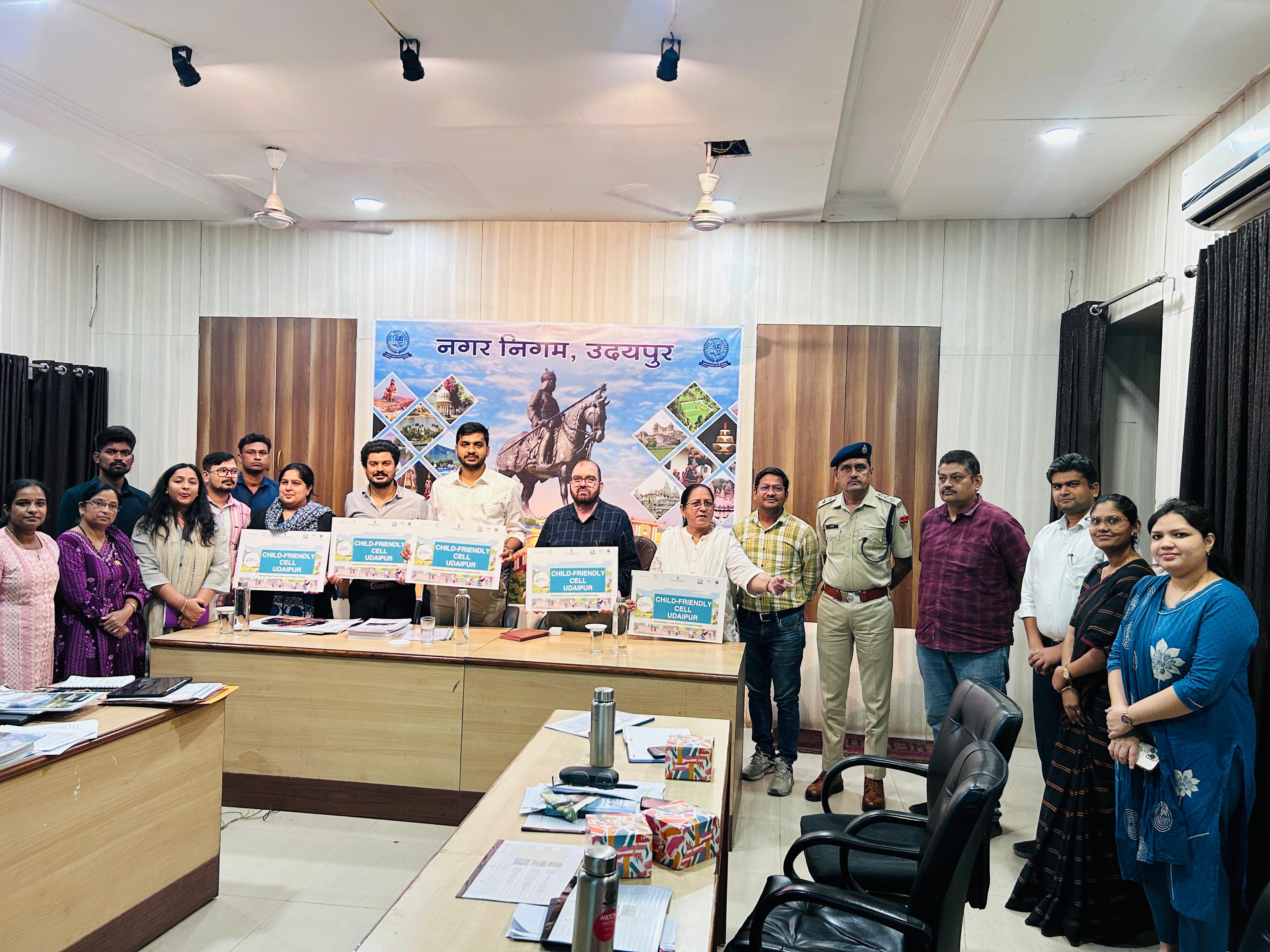
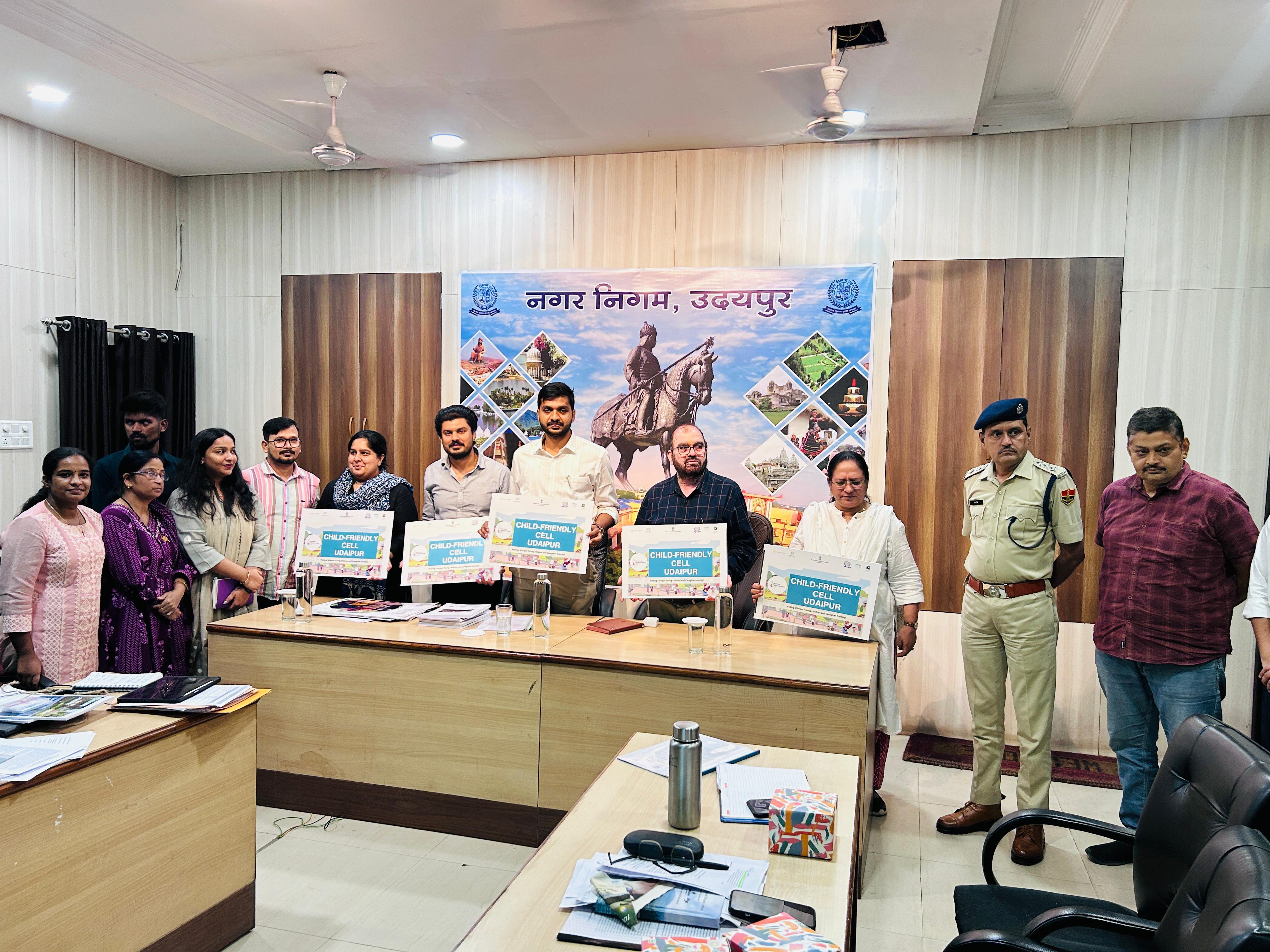
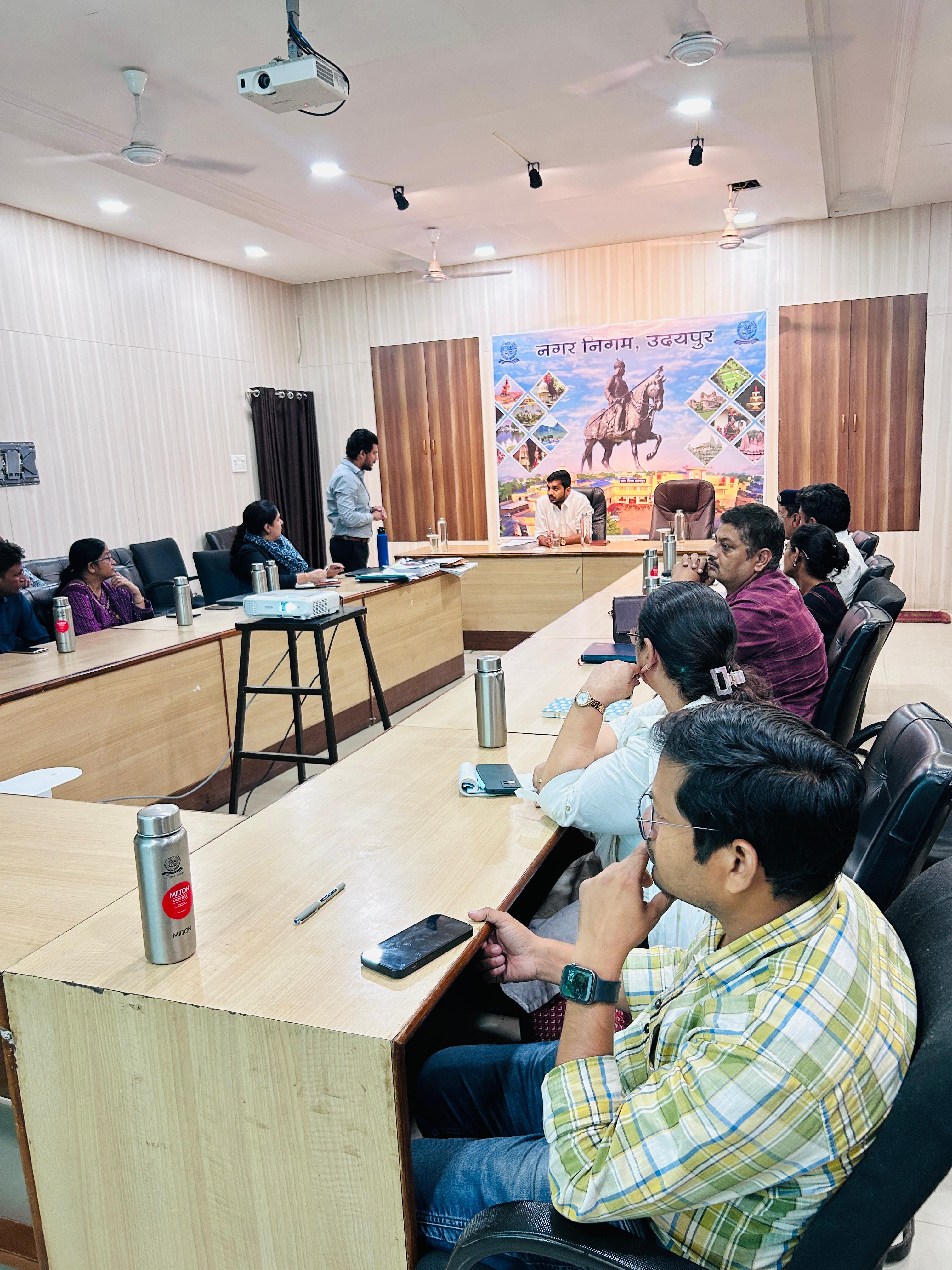
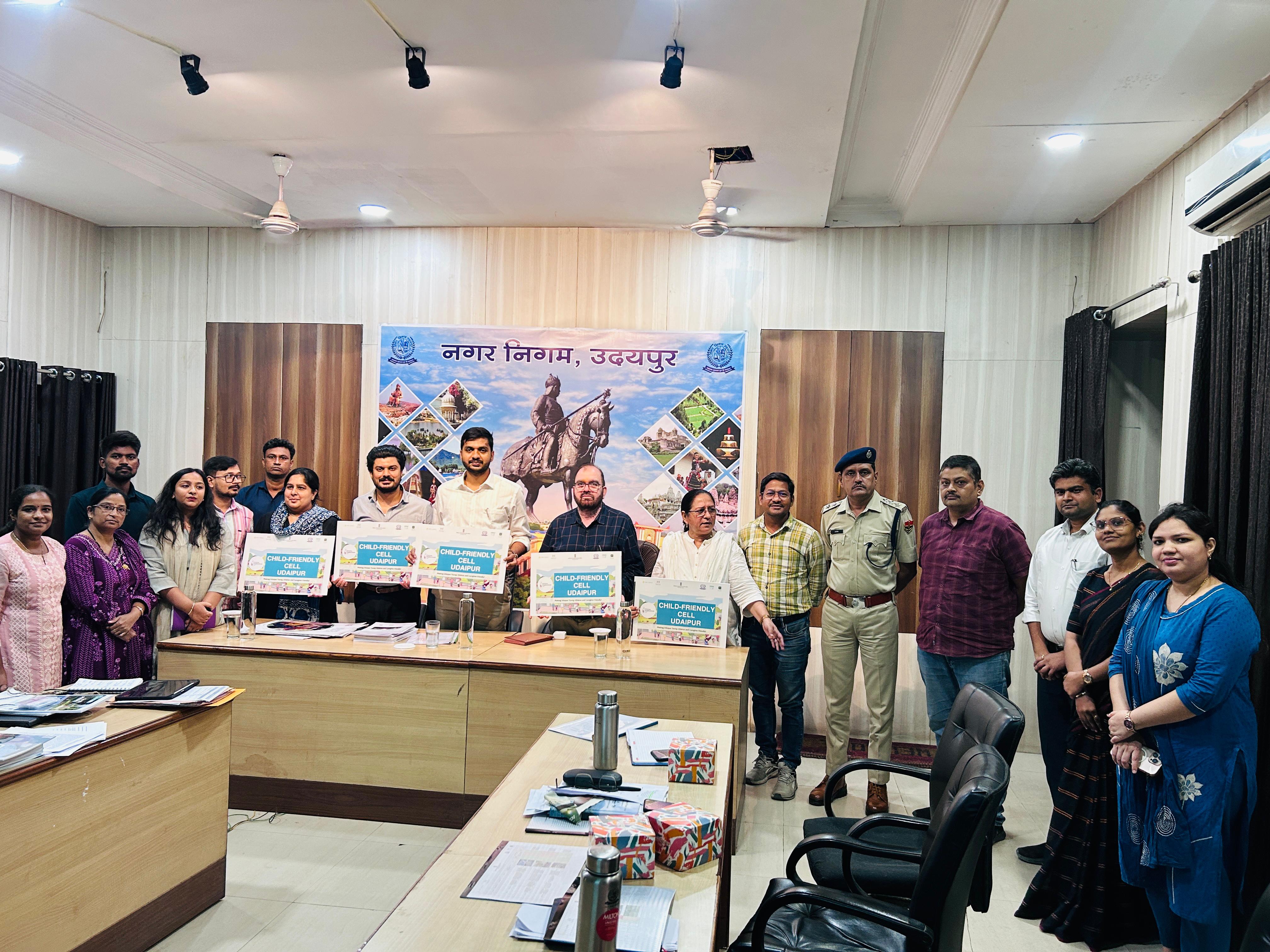
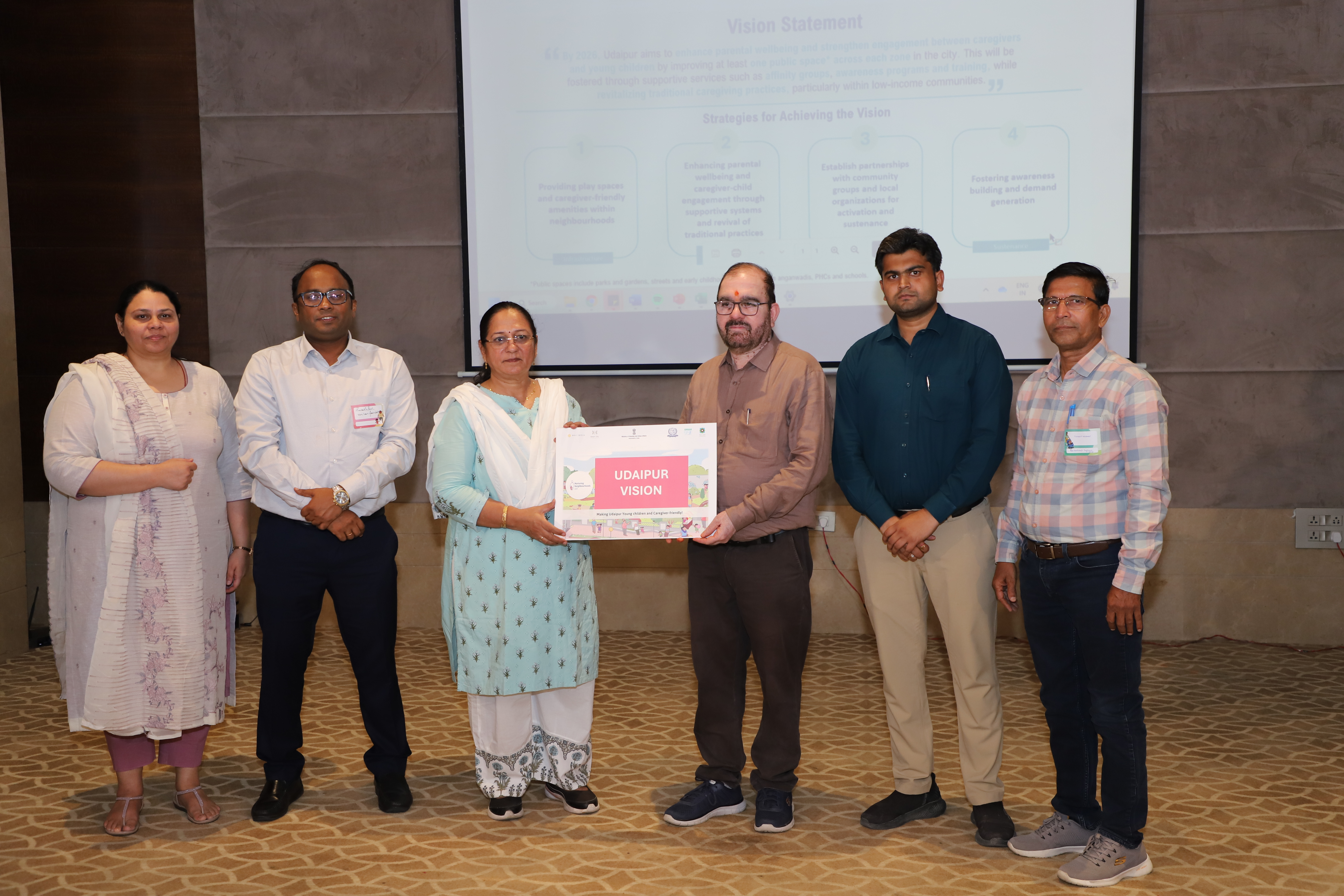
Udaipur is institutionalizing young children and family-friendly planning through dedicated cell, vision development and various guidelines and notifications to mainstream the lens in practice. City leaders have launched a Vision for the city, created Child-friendly Cell and notified key documents such as Plantation Catalogues, Child and Family-friendly Restroom Prototypes, Waste to Wonder Play catalogue.
The Child-friendly Cell acts as a central platform for coordination, knowledge sharing, and monitoring of focused initiatives, while the catalogues and prototypes embed child-friendly design principles into all city projects, ensuring long-term sustainability.
Udaipur ICDS has also mandated Friday Play date initiative to enhance outdoor playtime among young children, led by their Anganwadi staff.
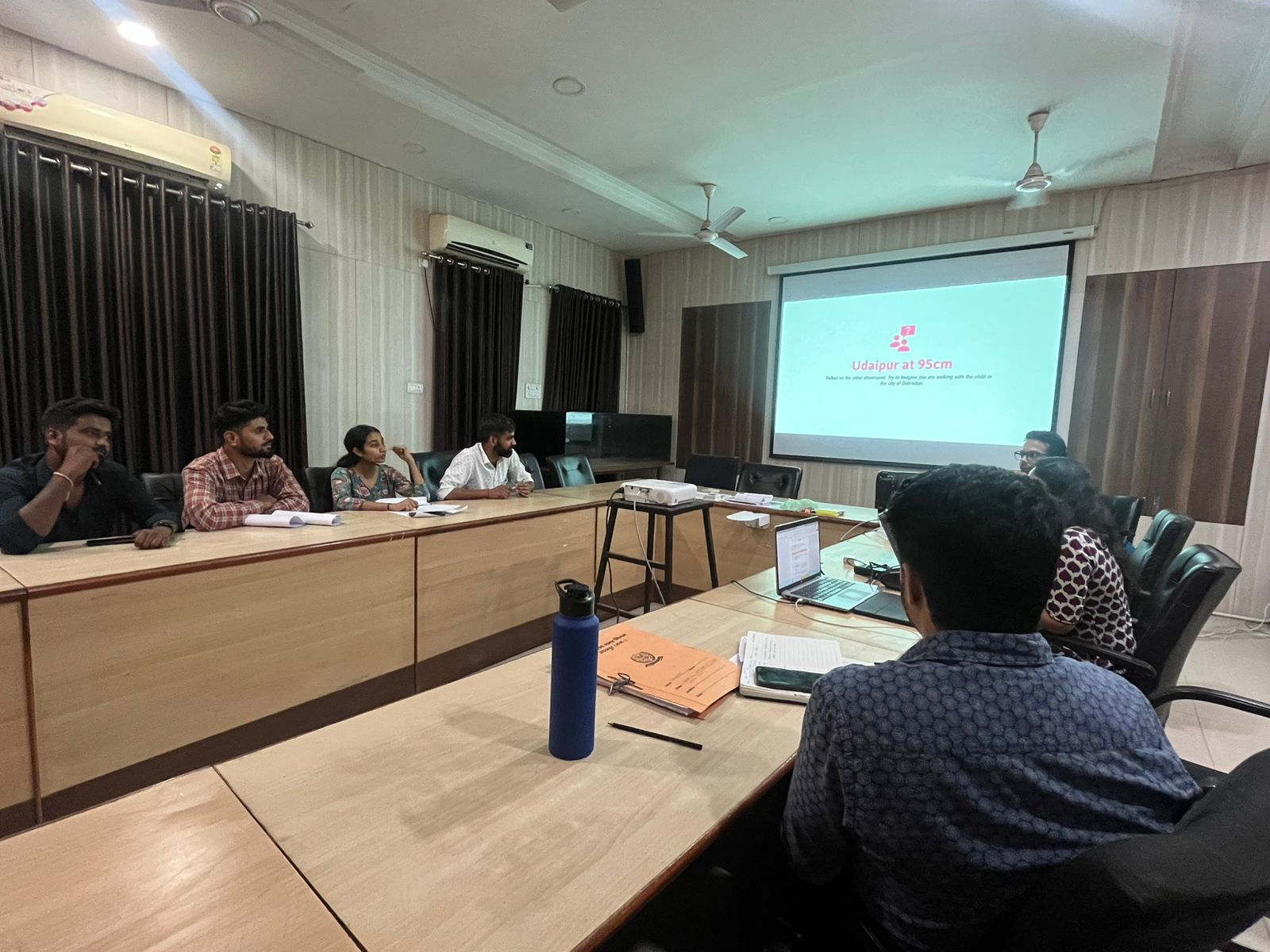
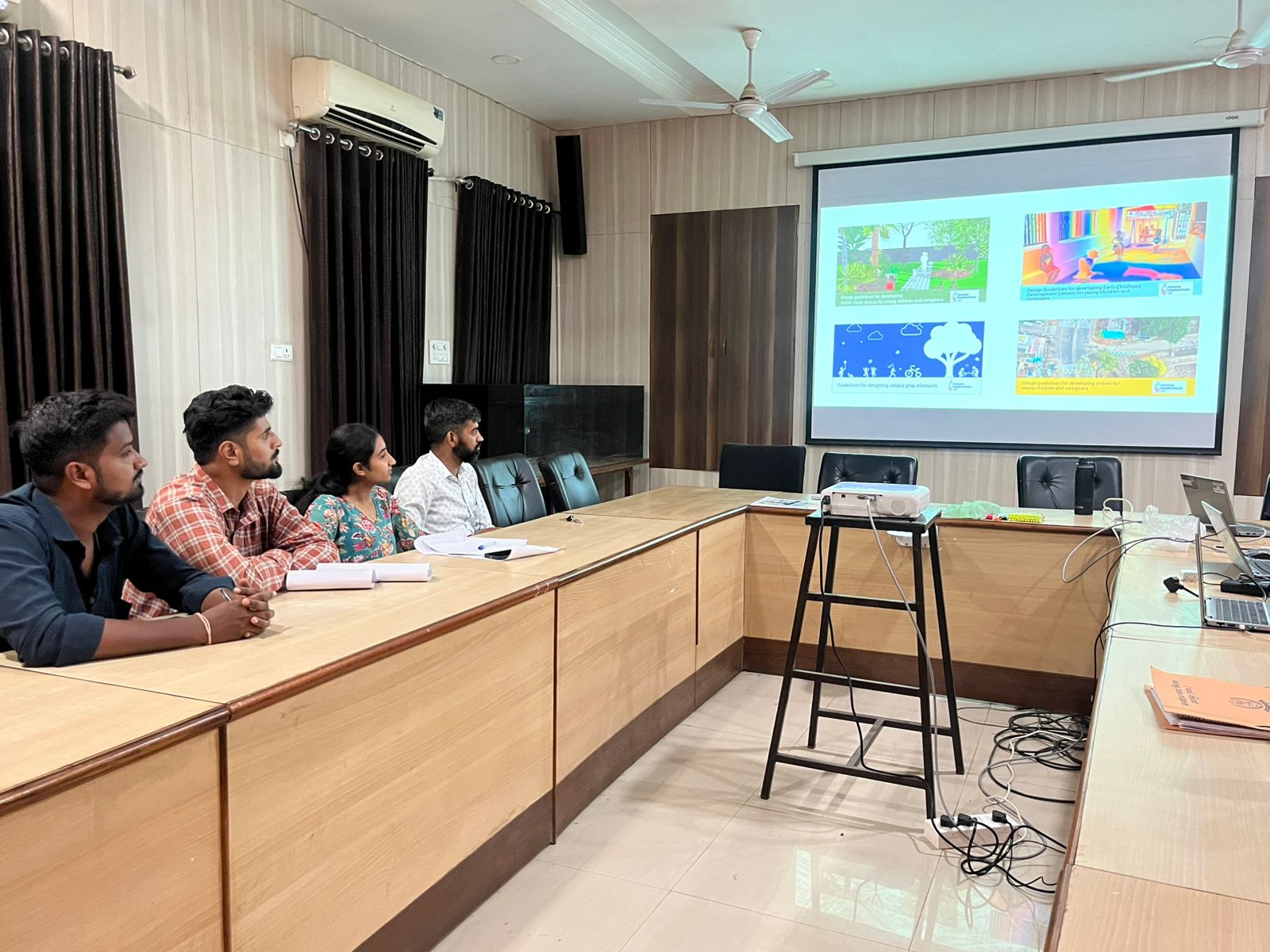
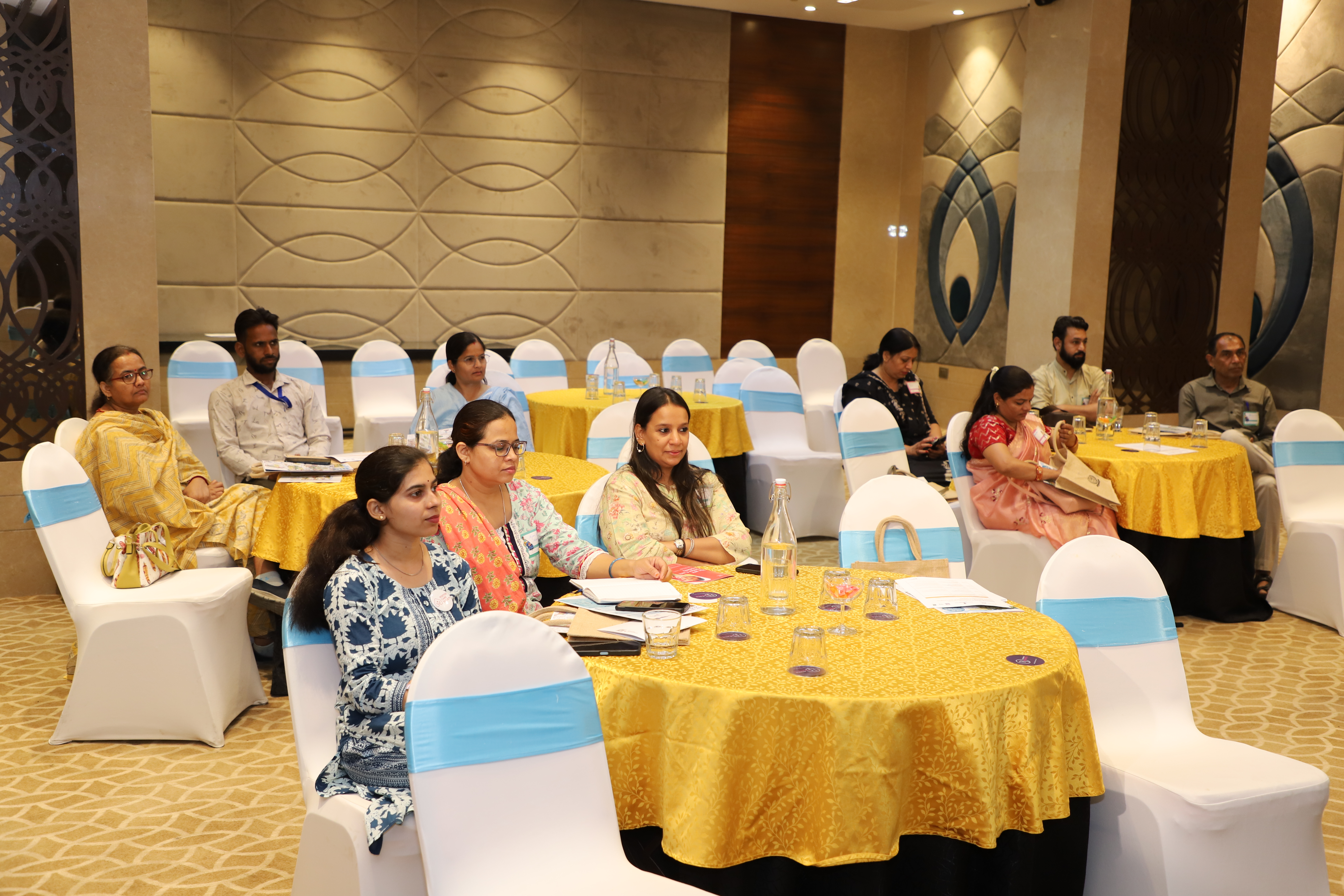
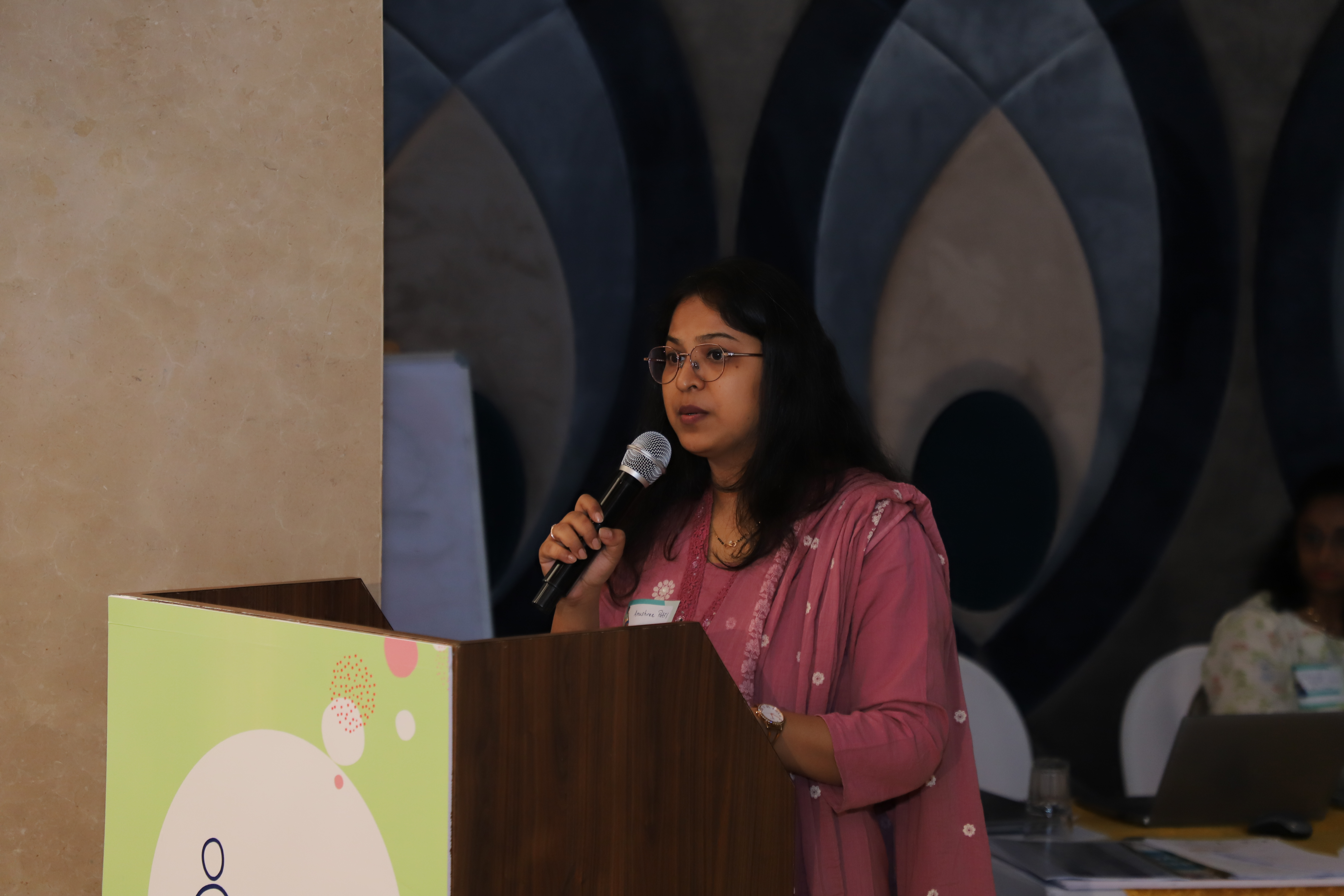
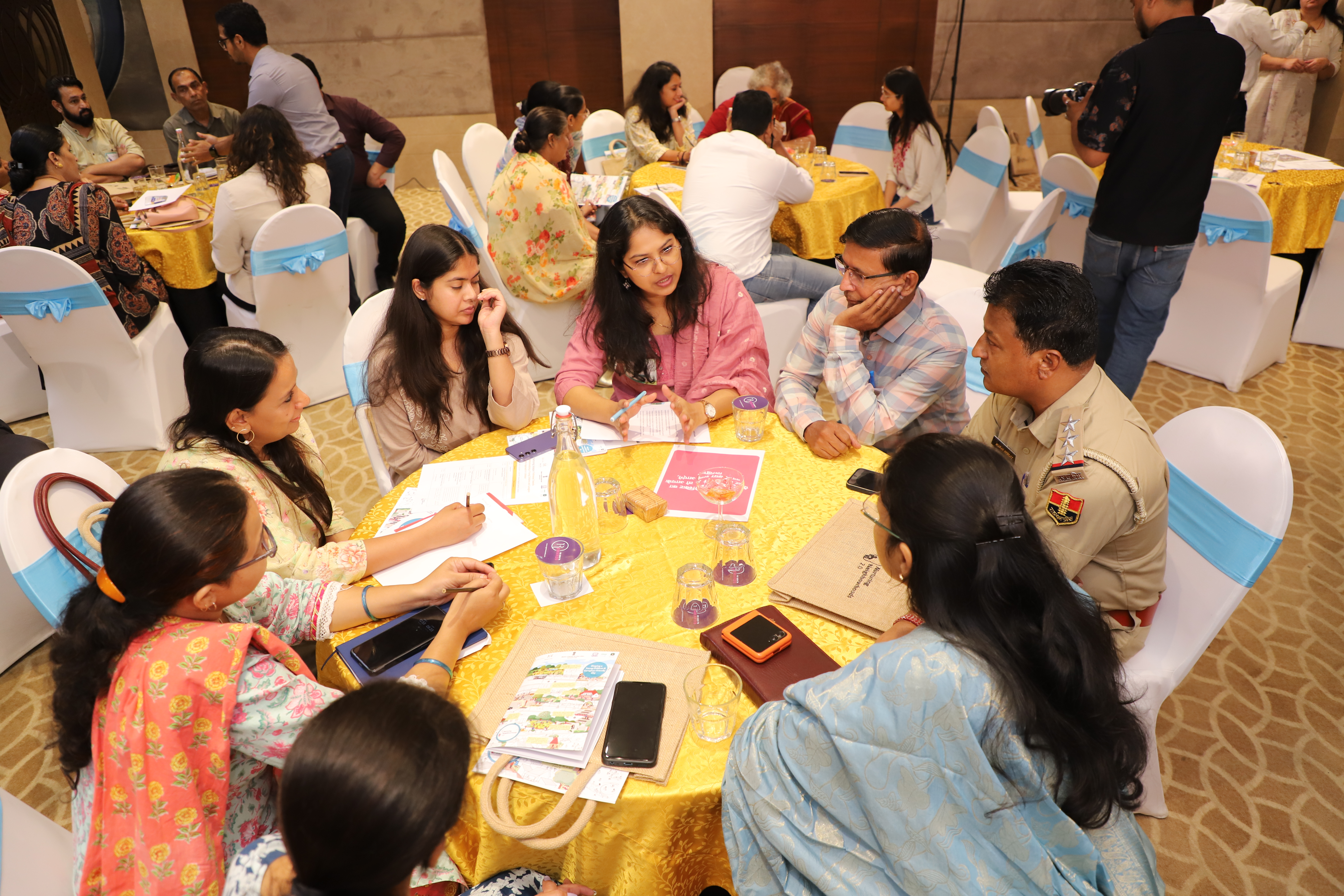
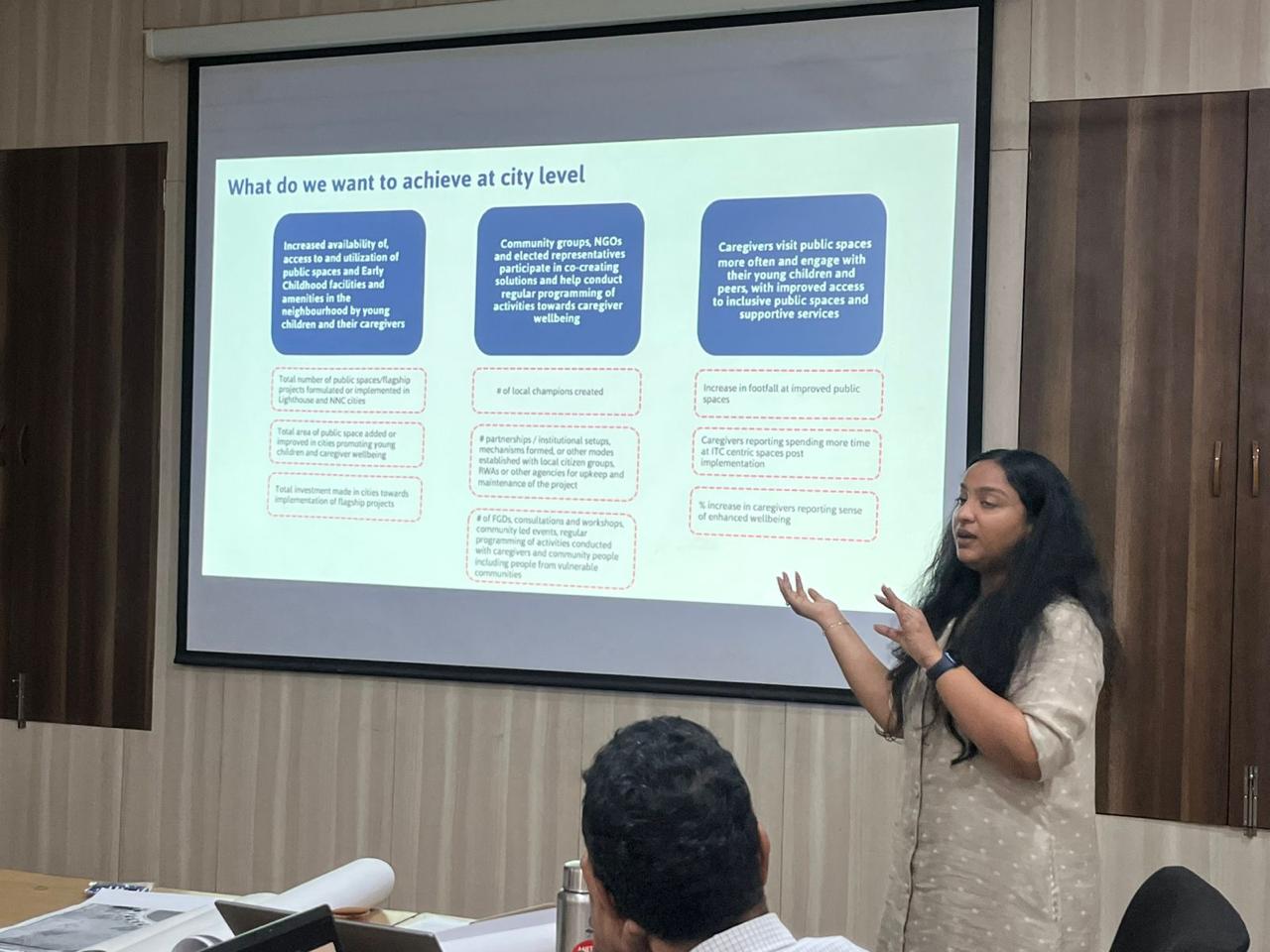
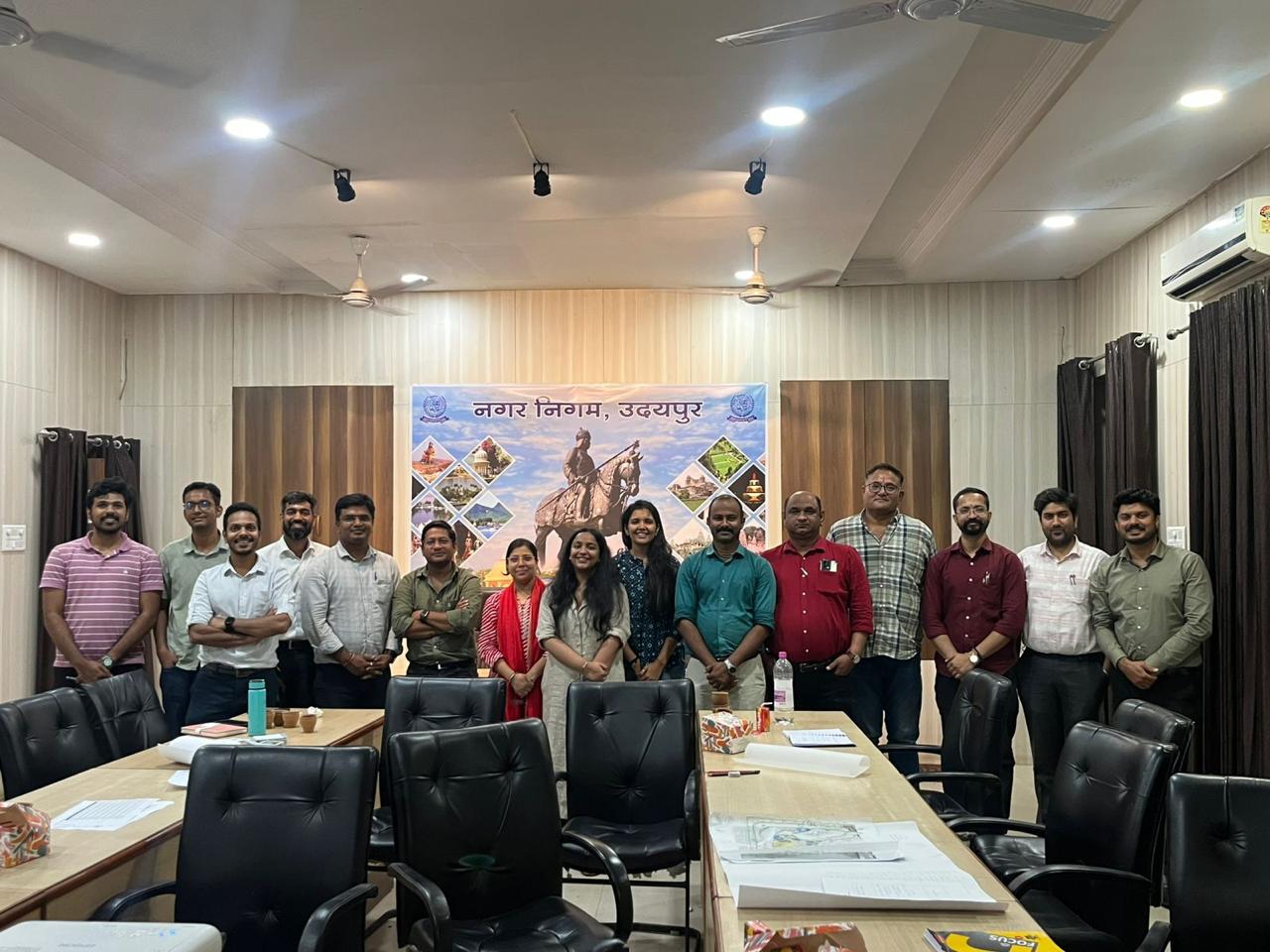
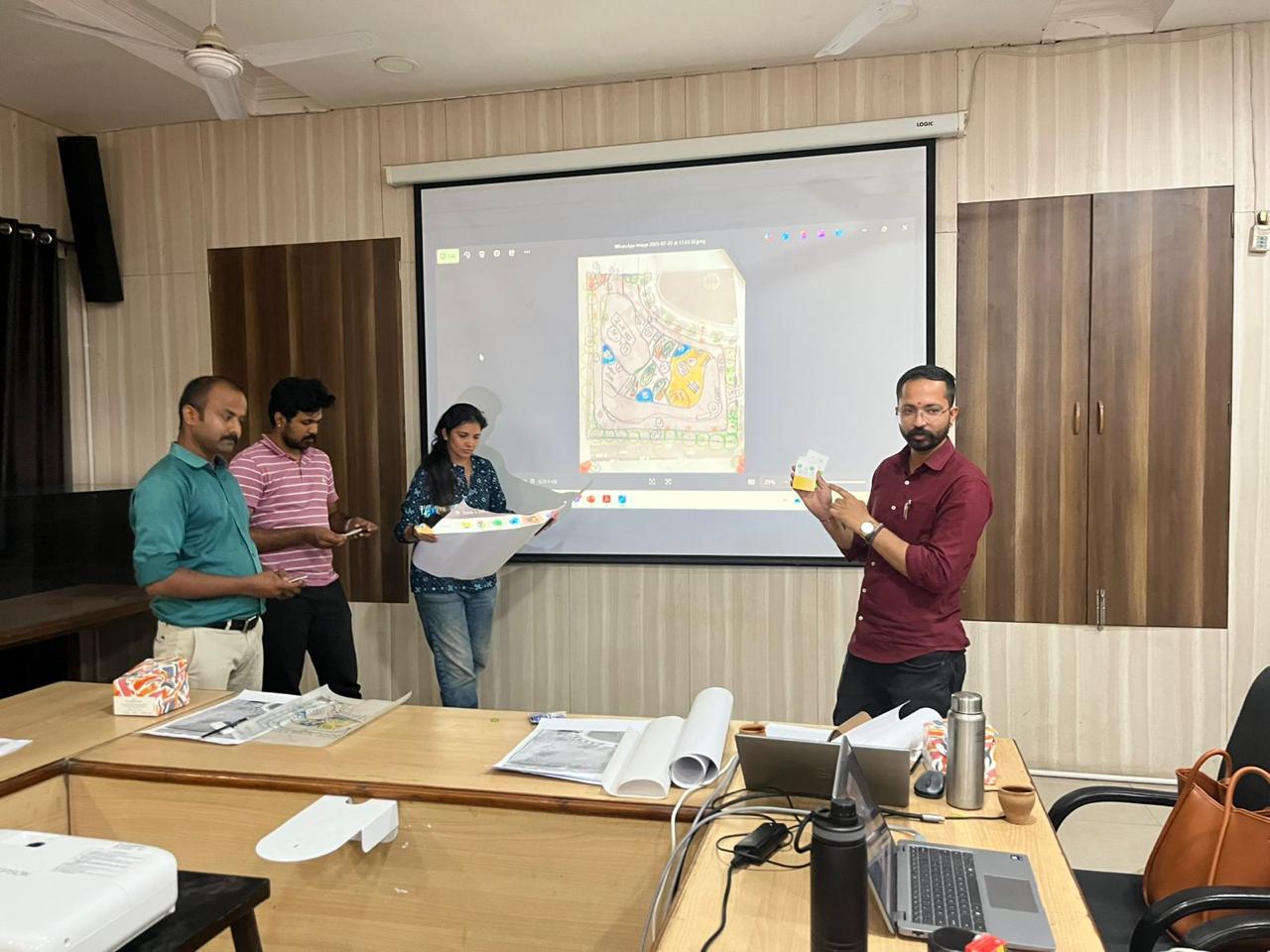
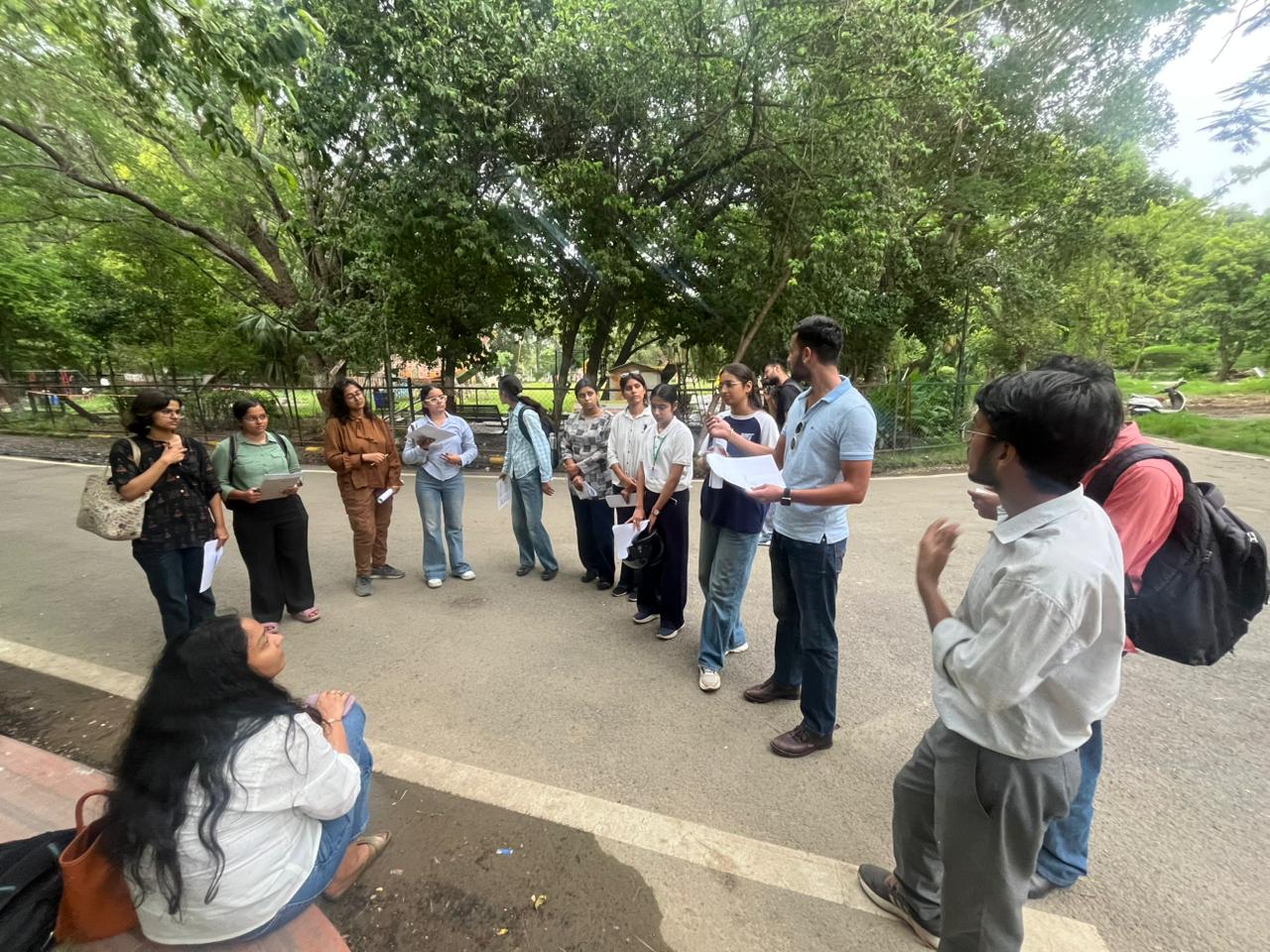
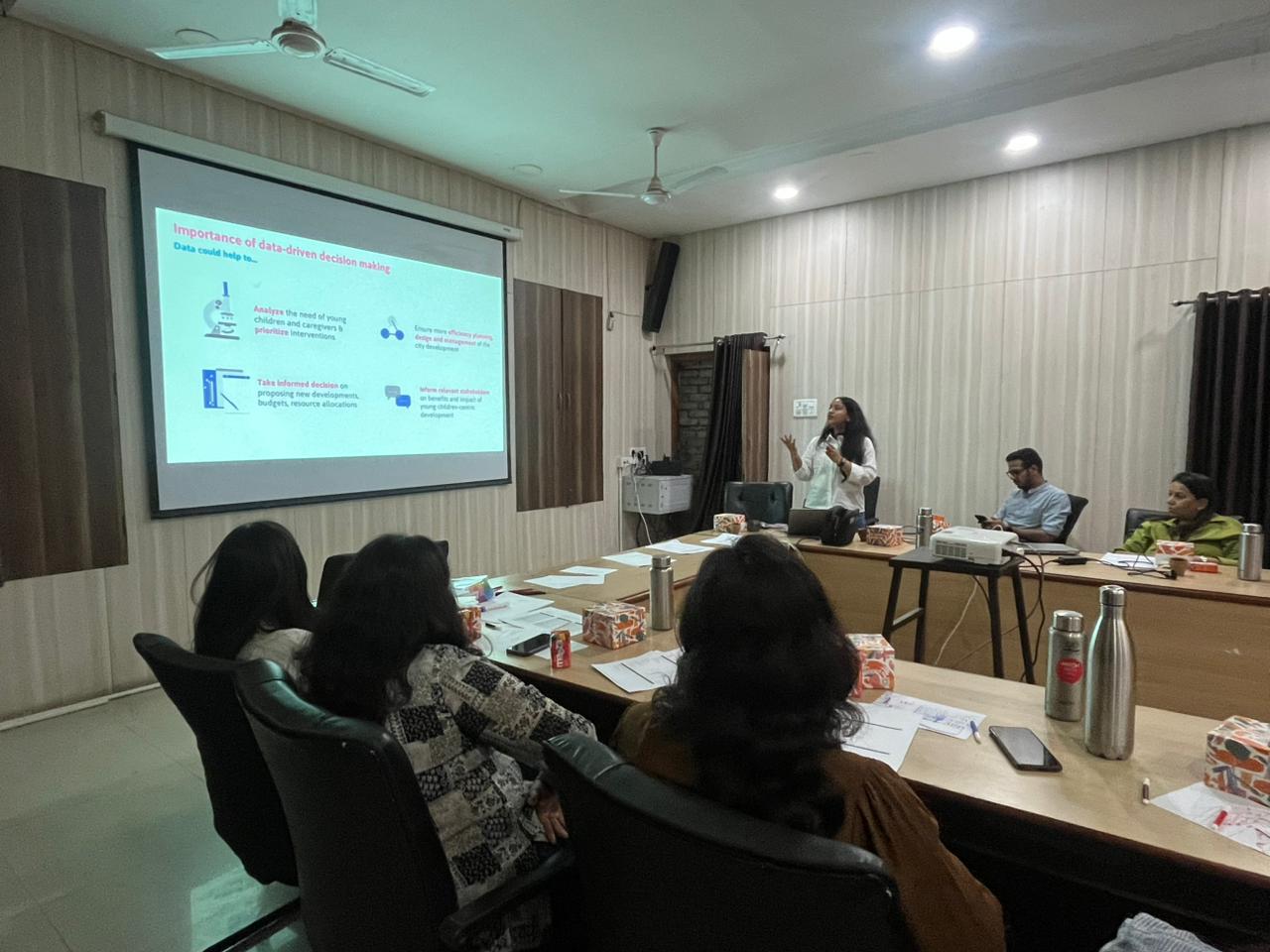
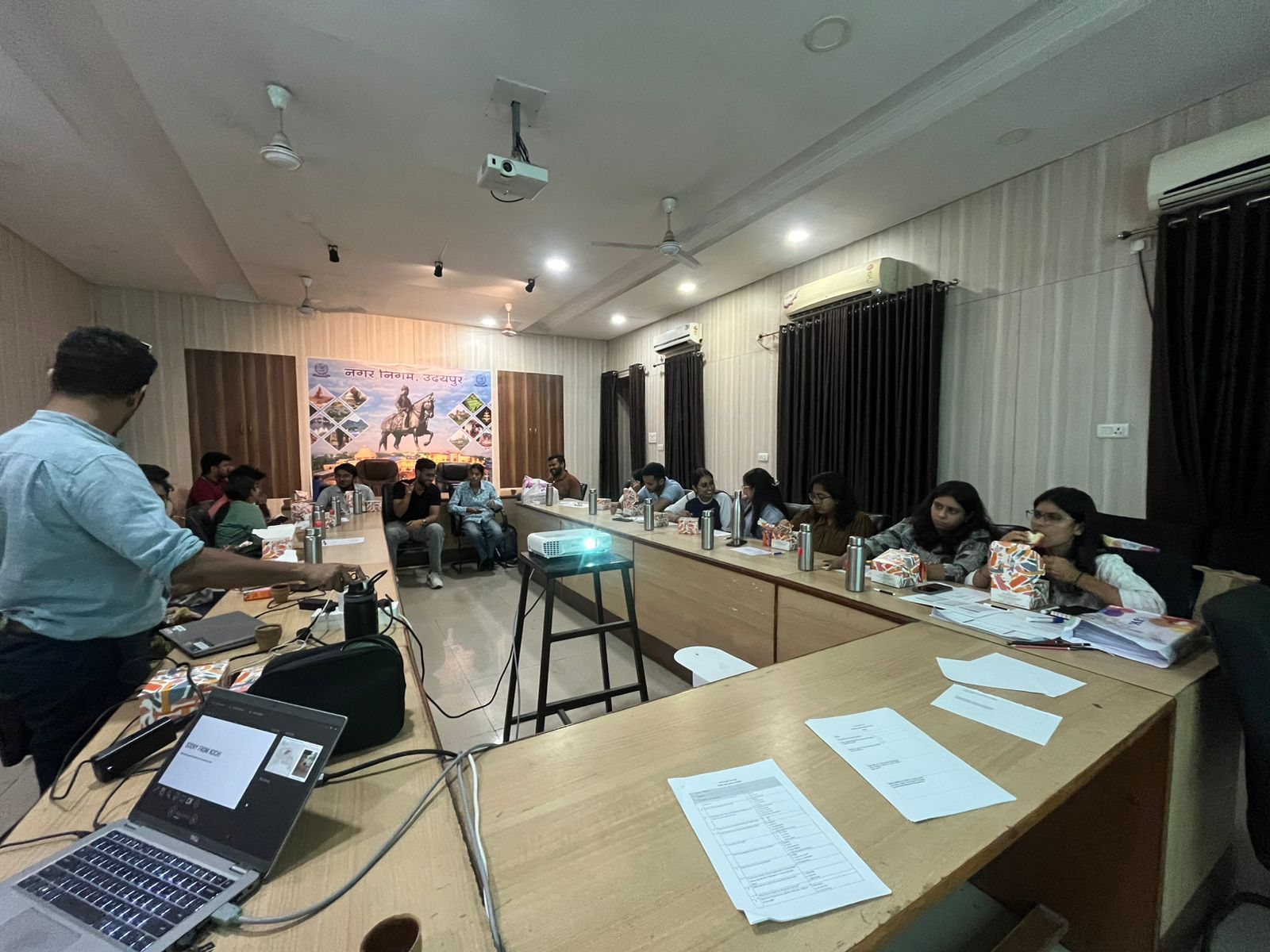
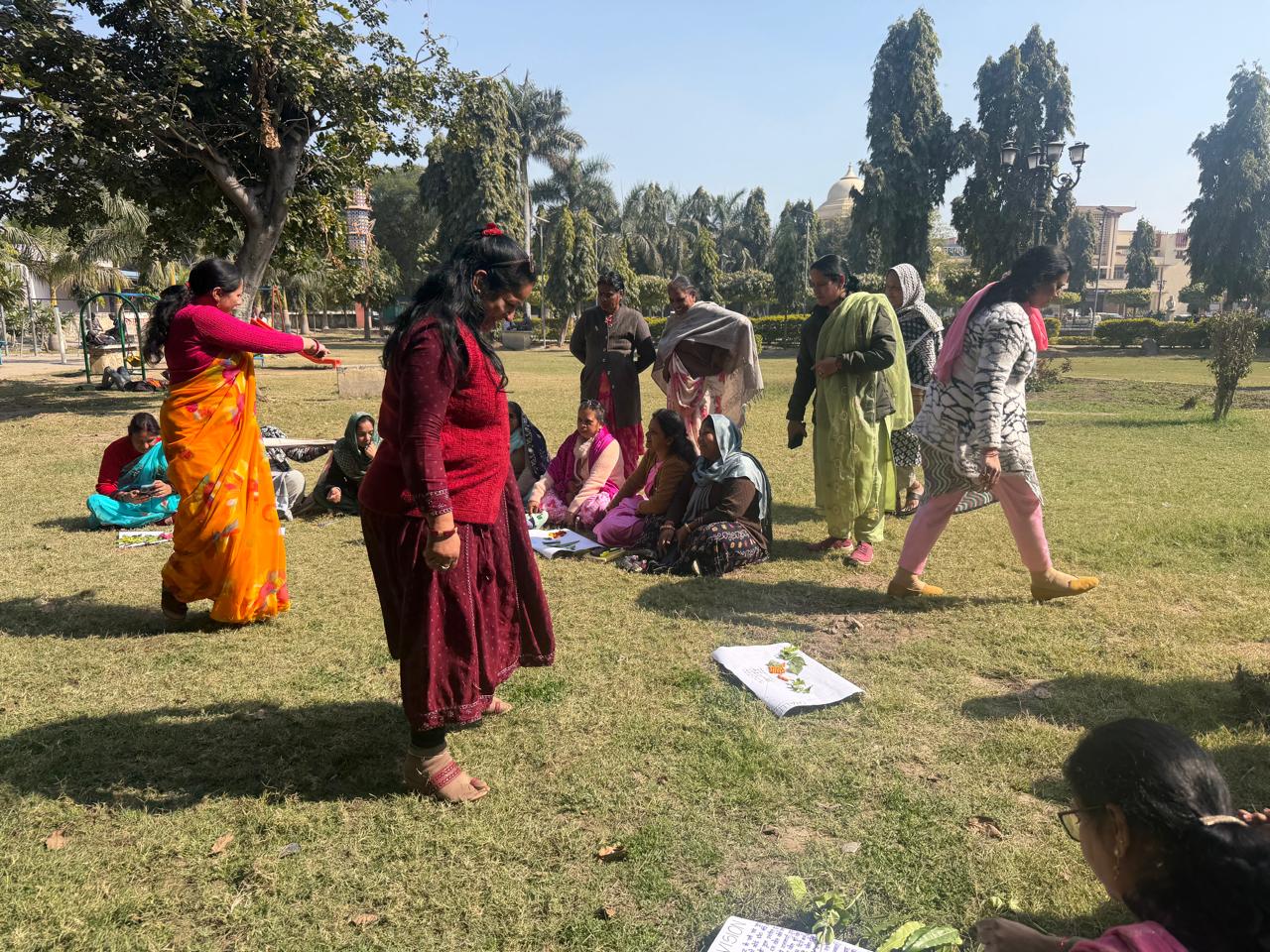
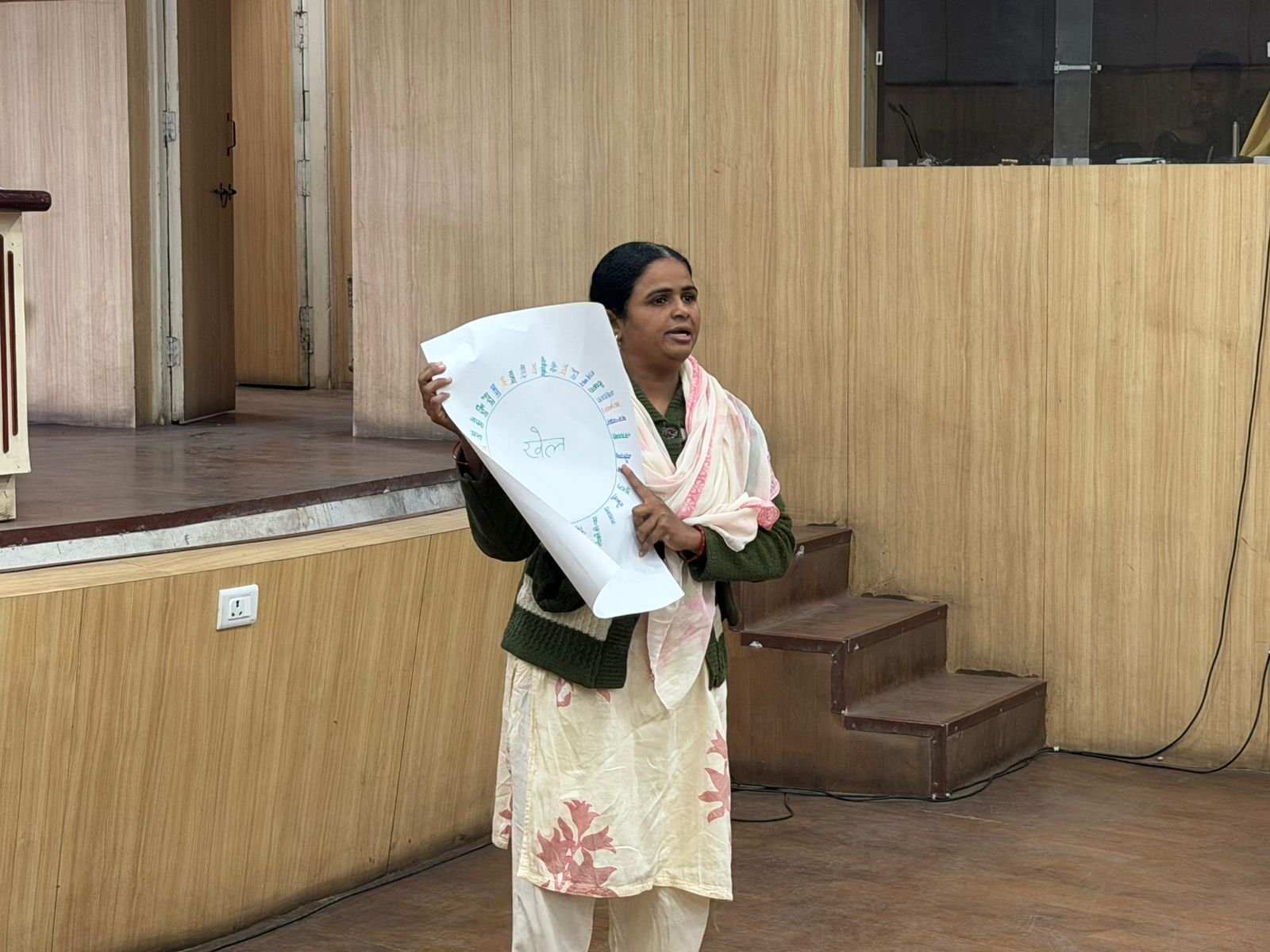
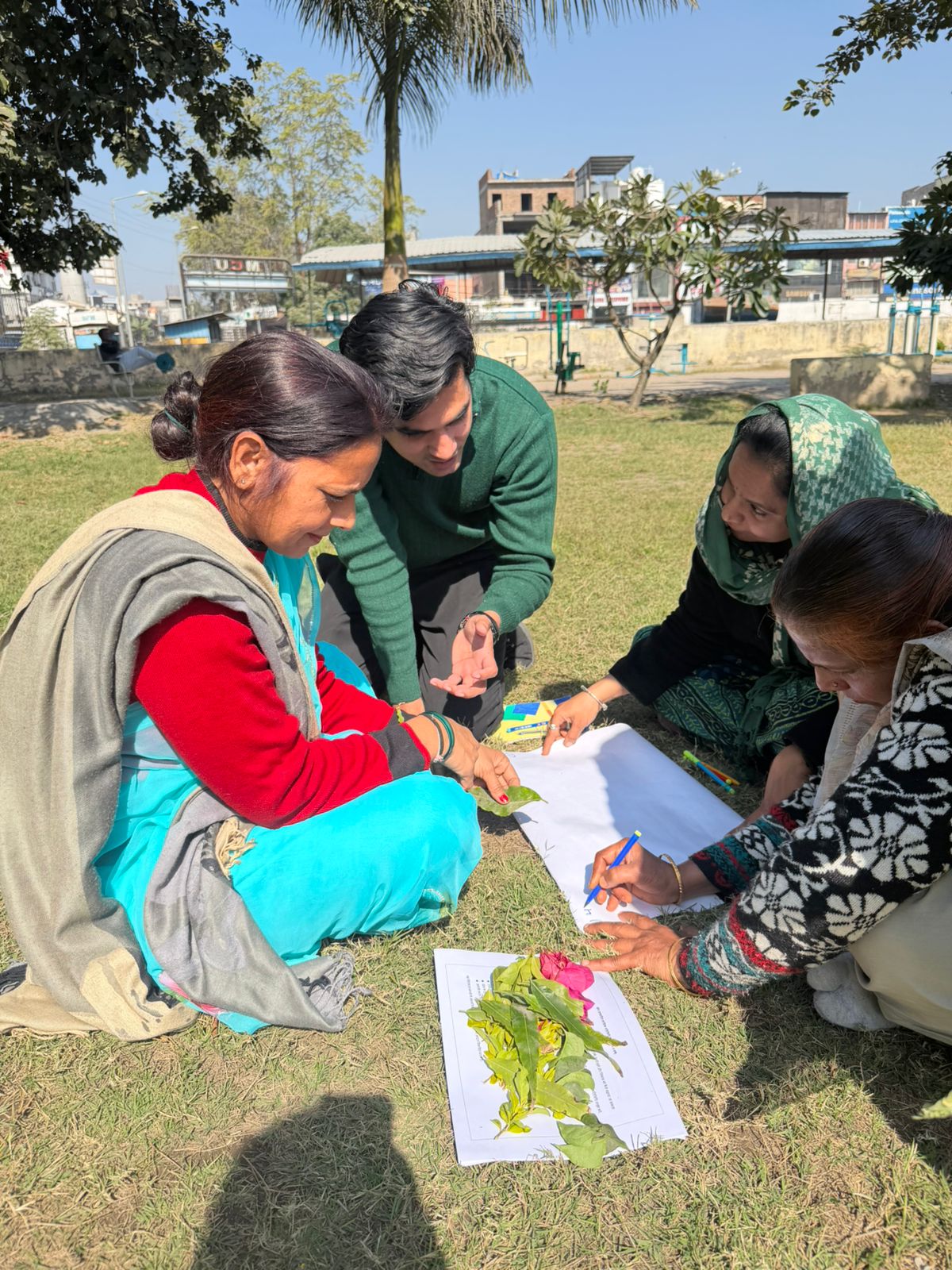
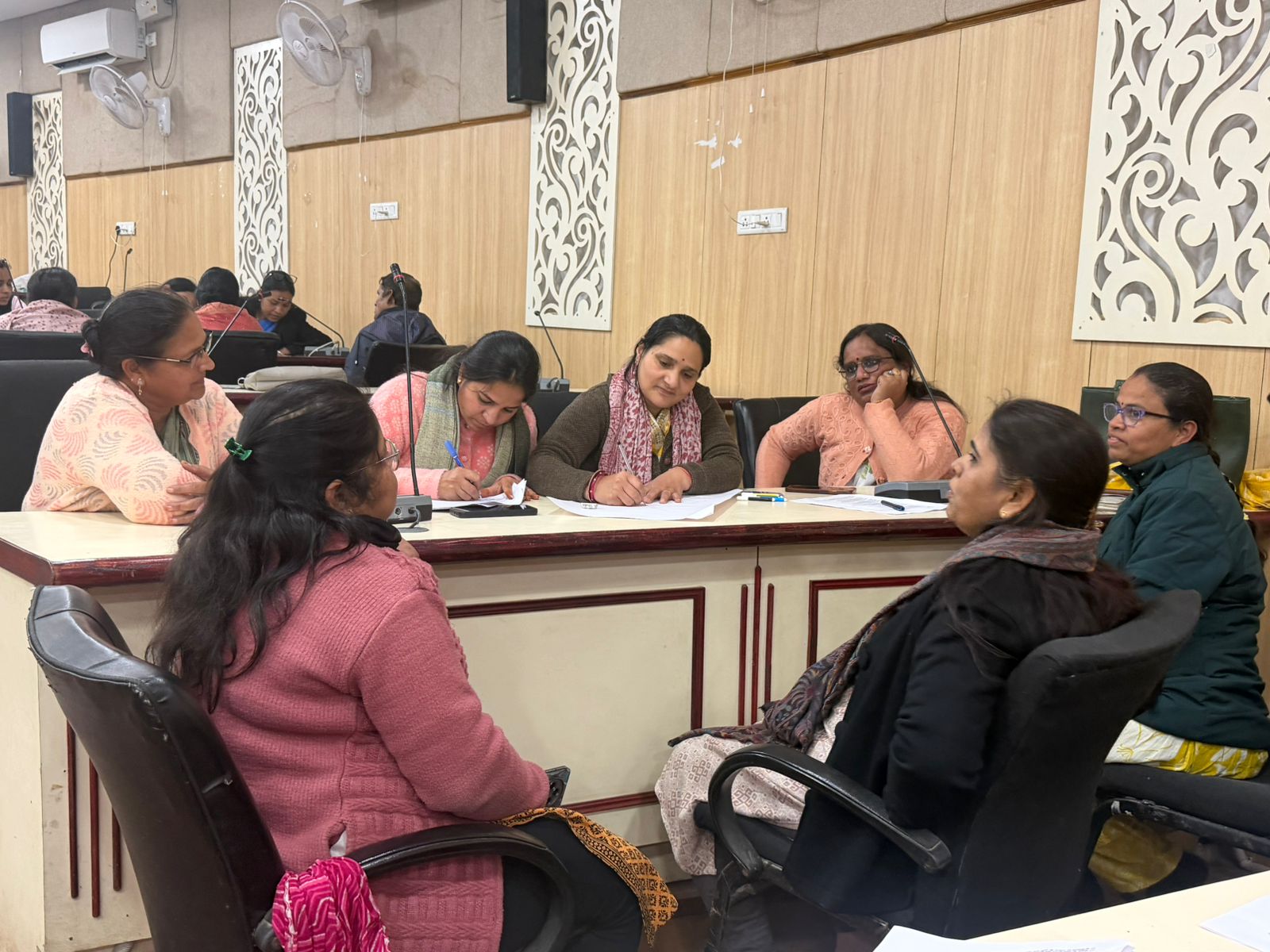
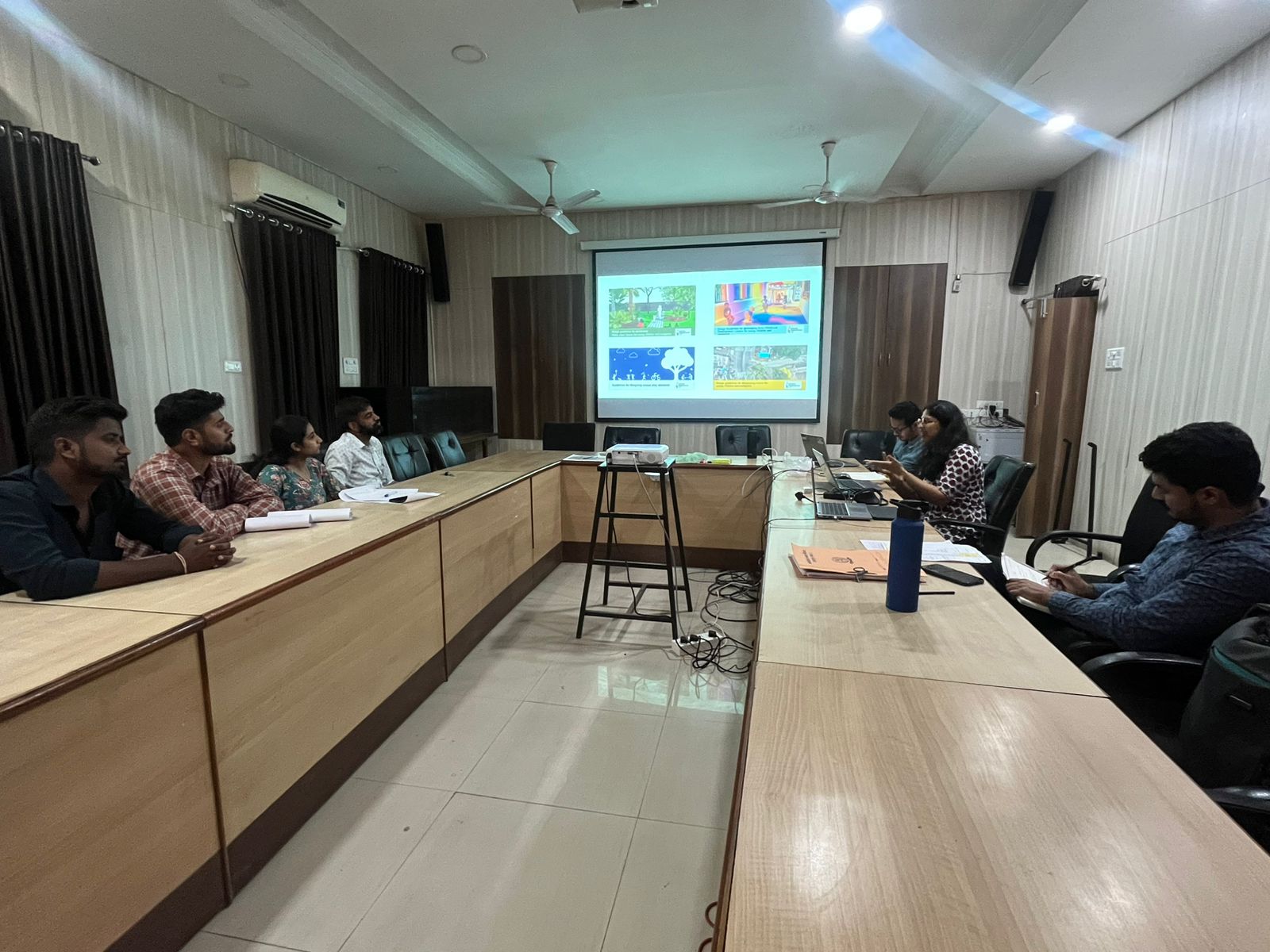
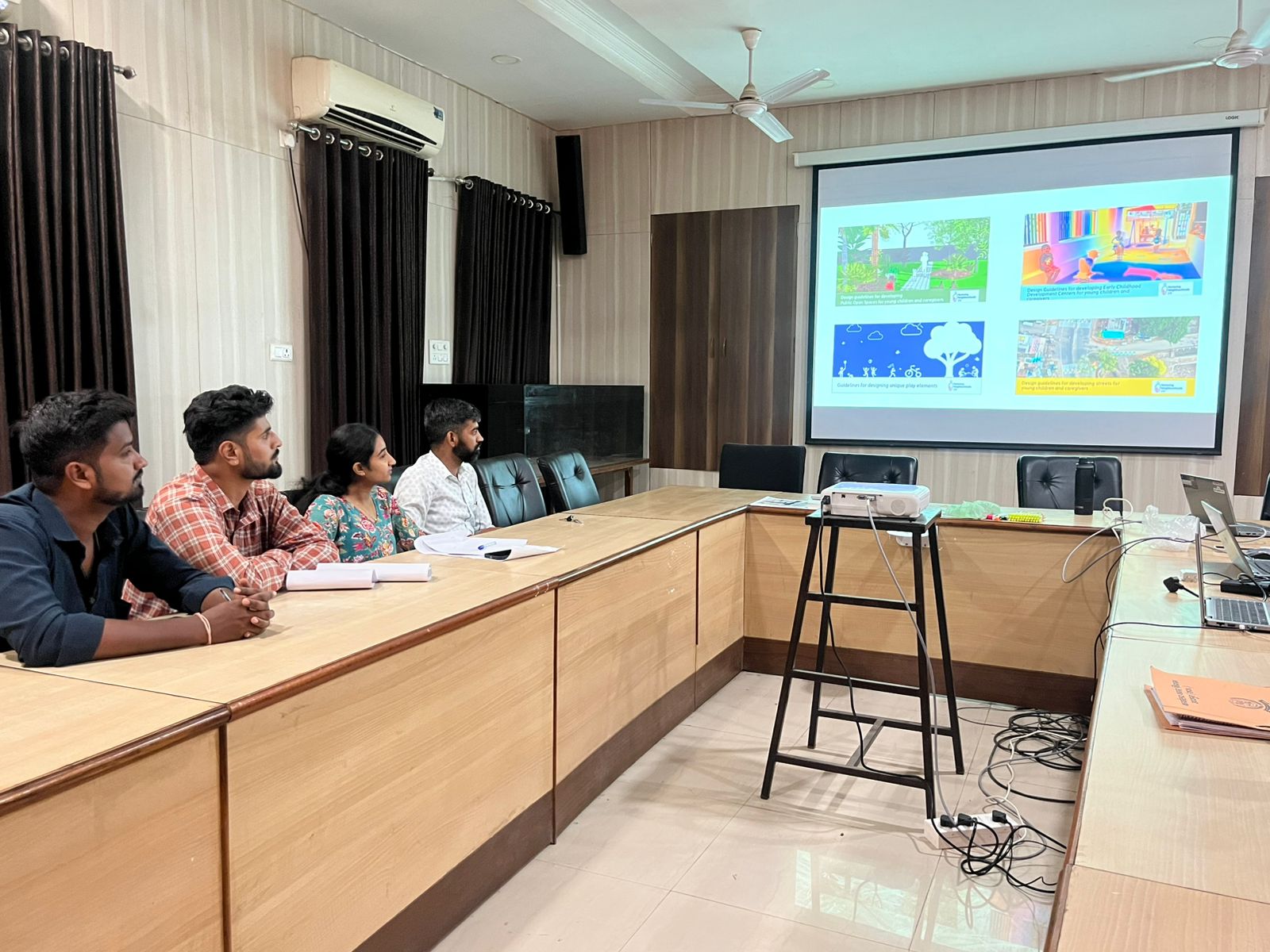
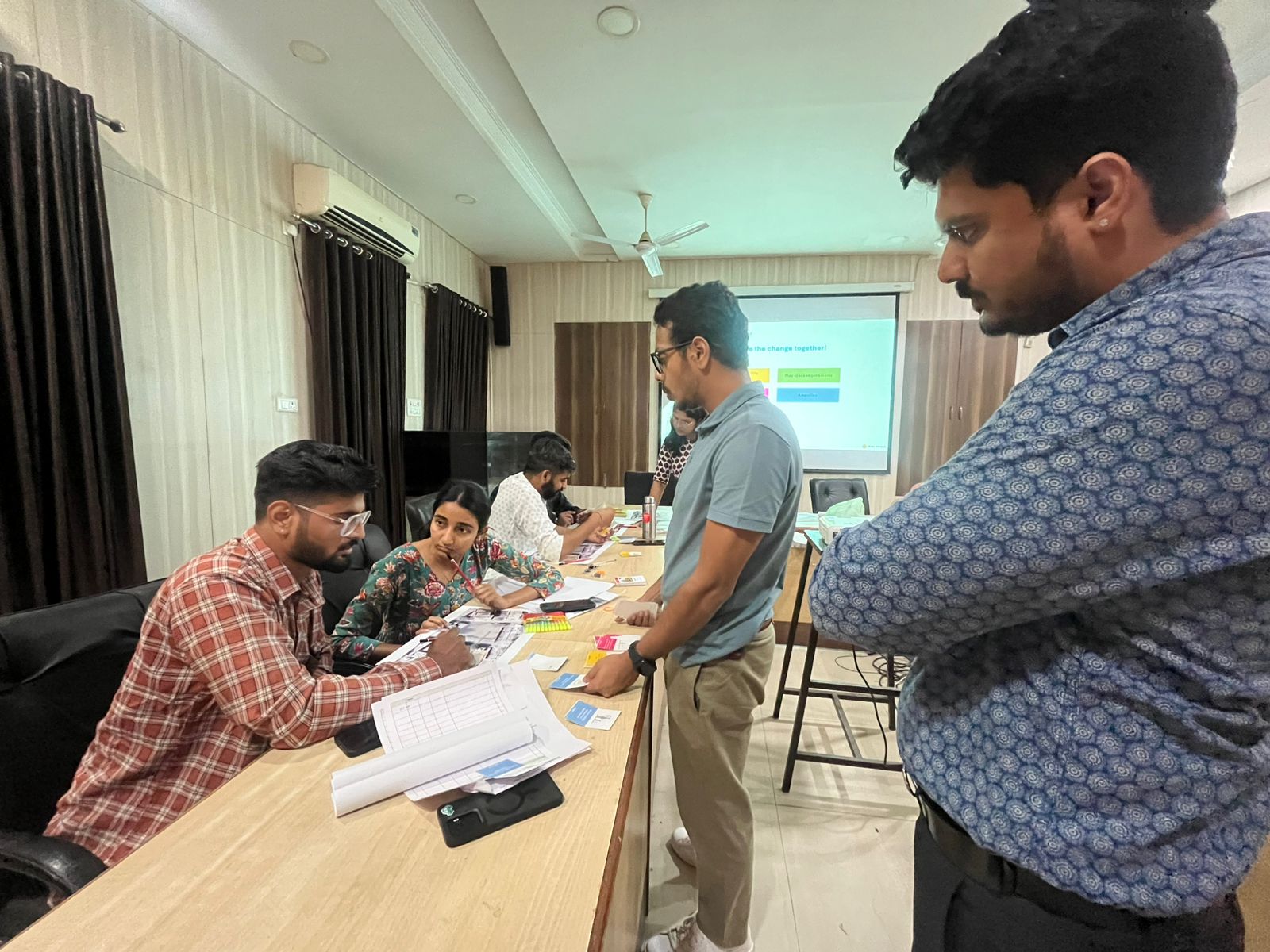
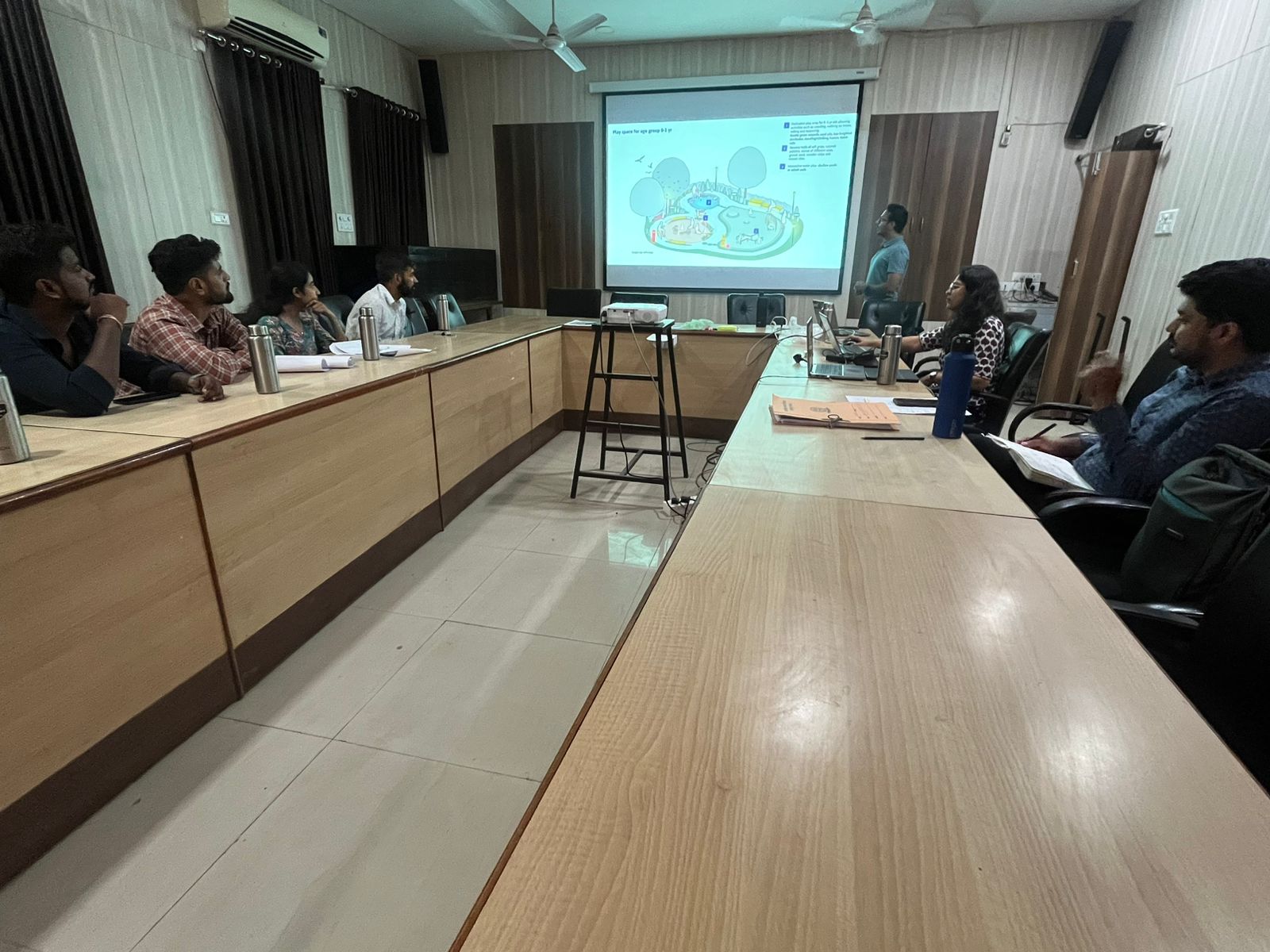
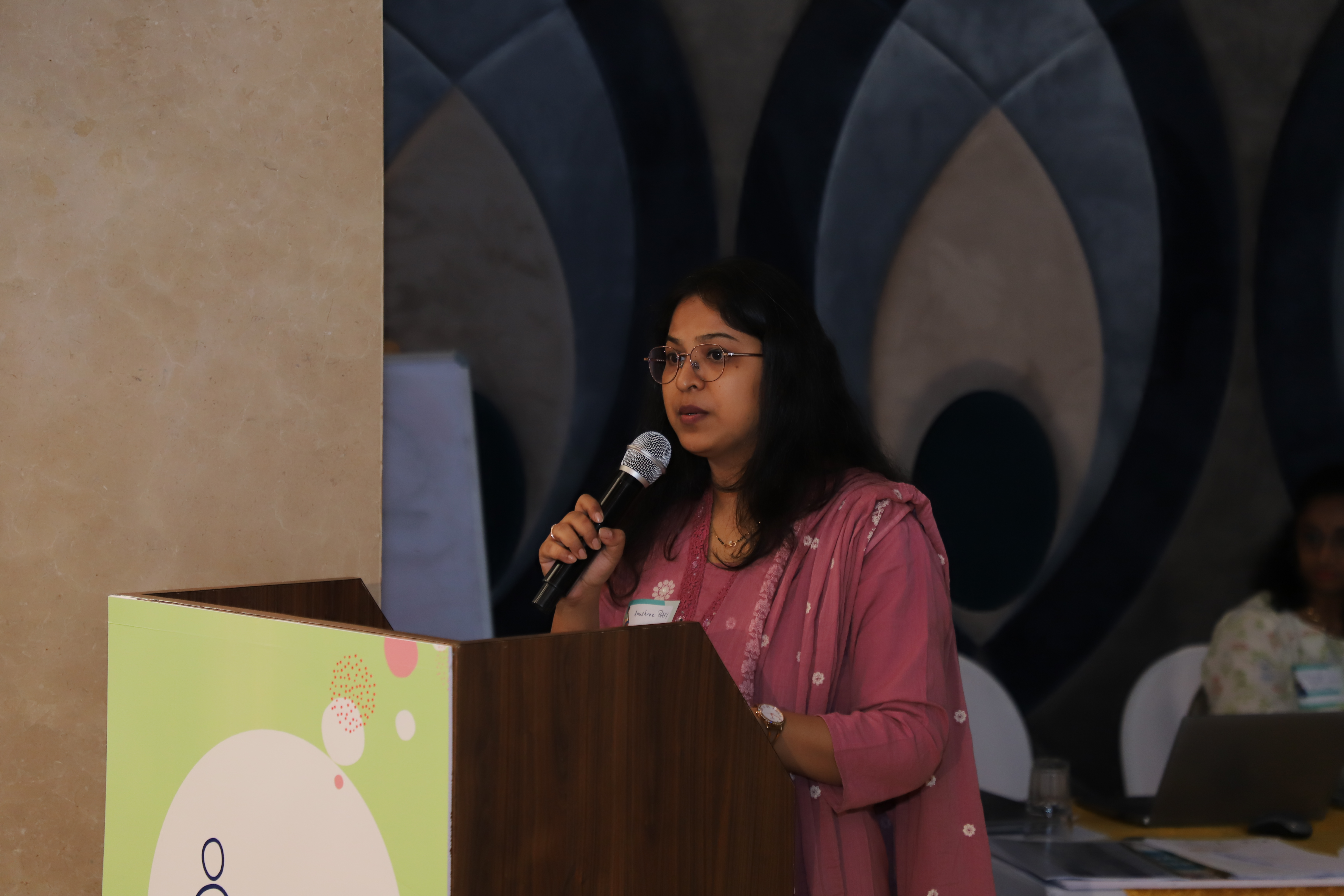
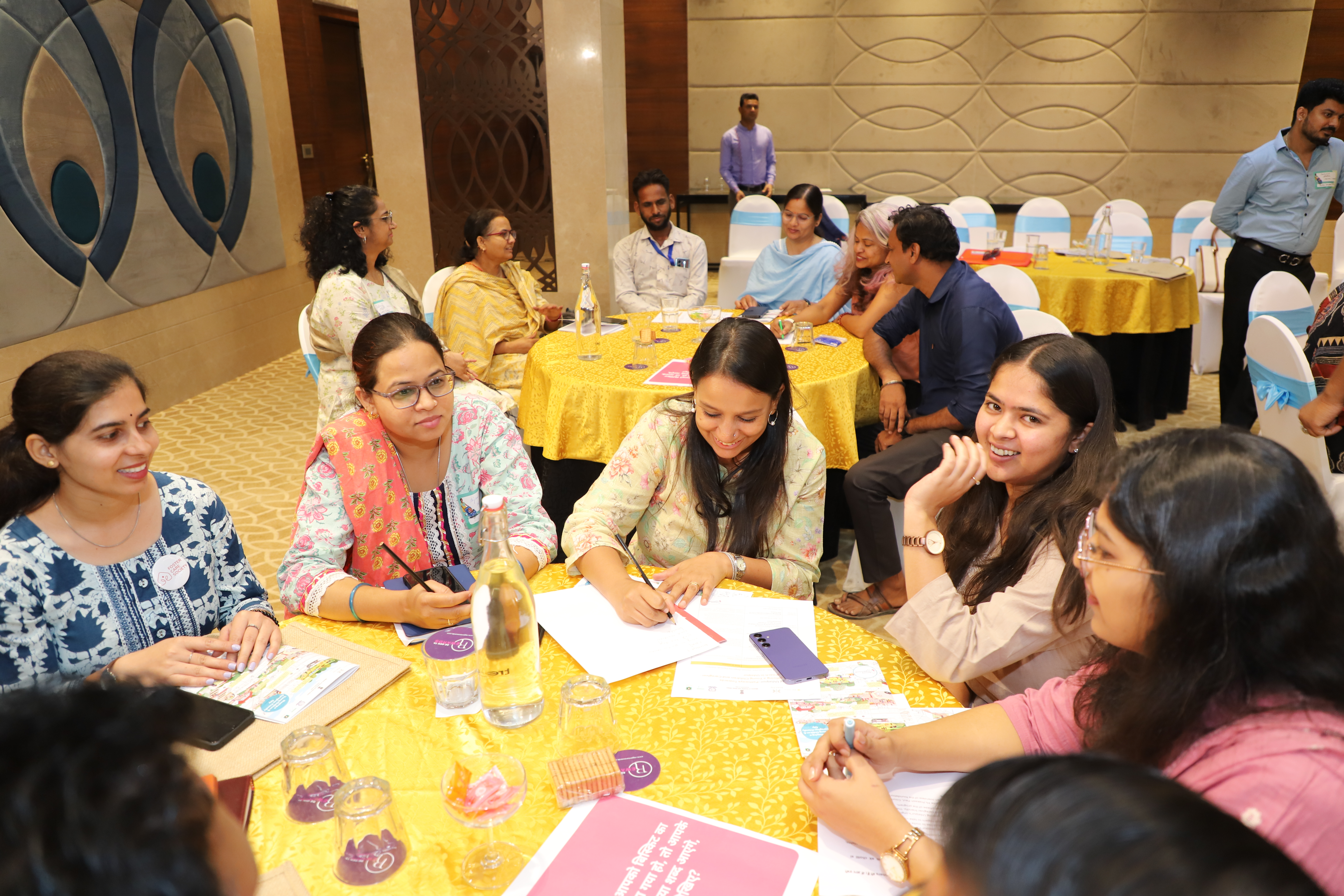
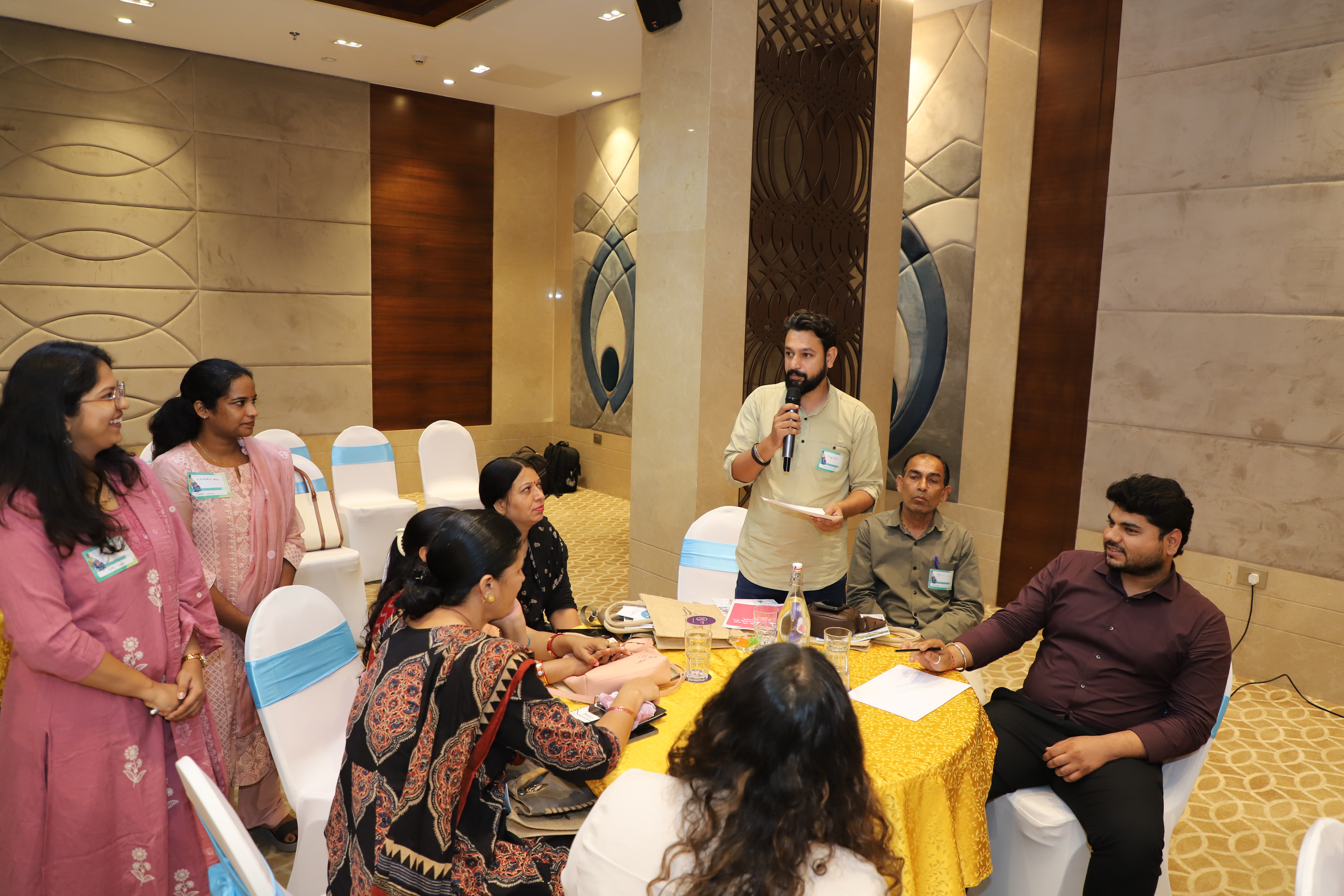
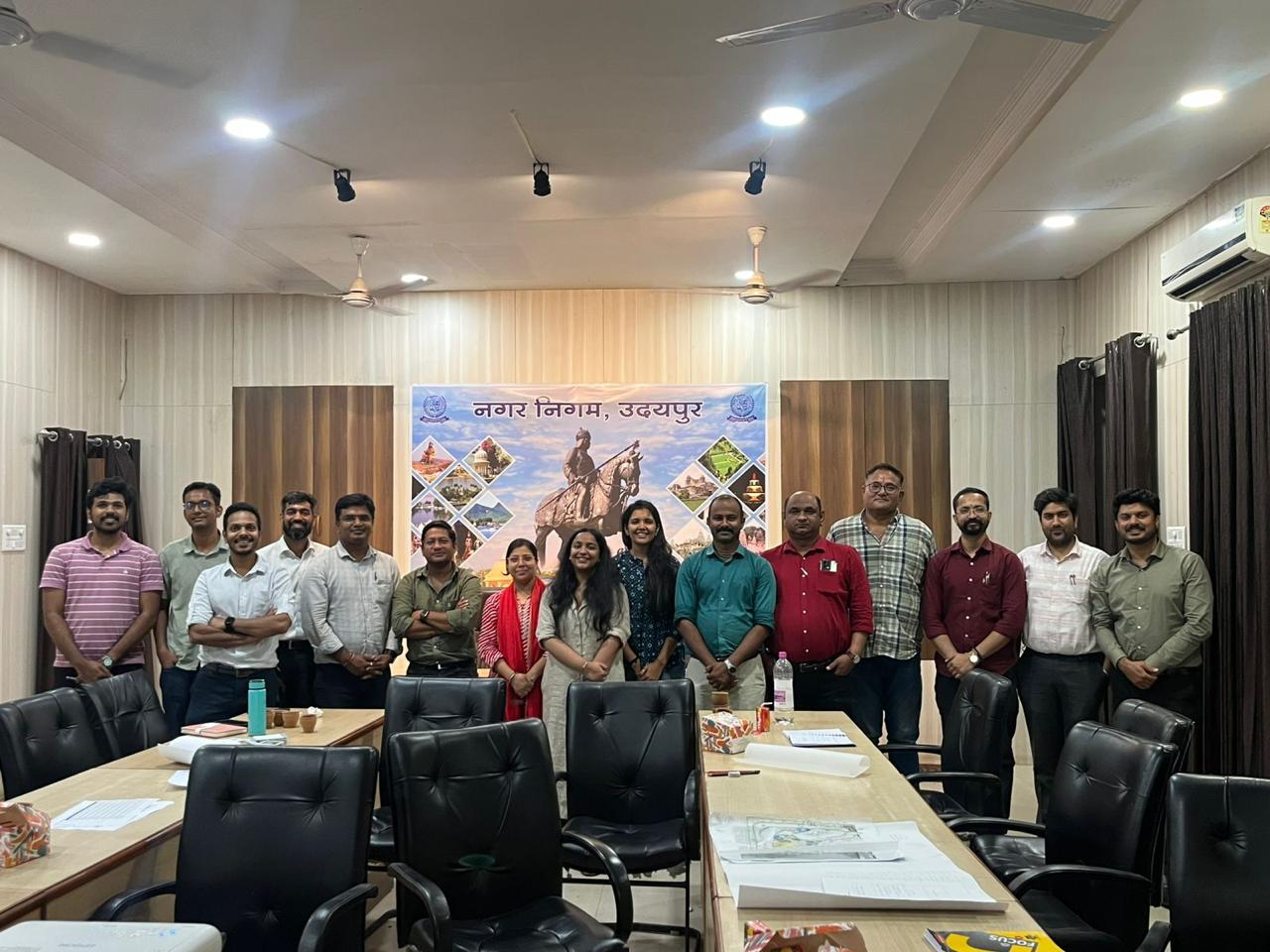
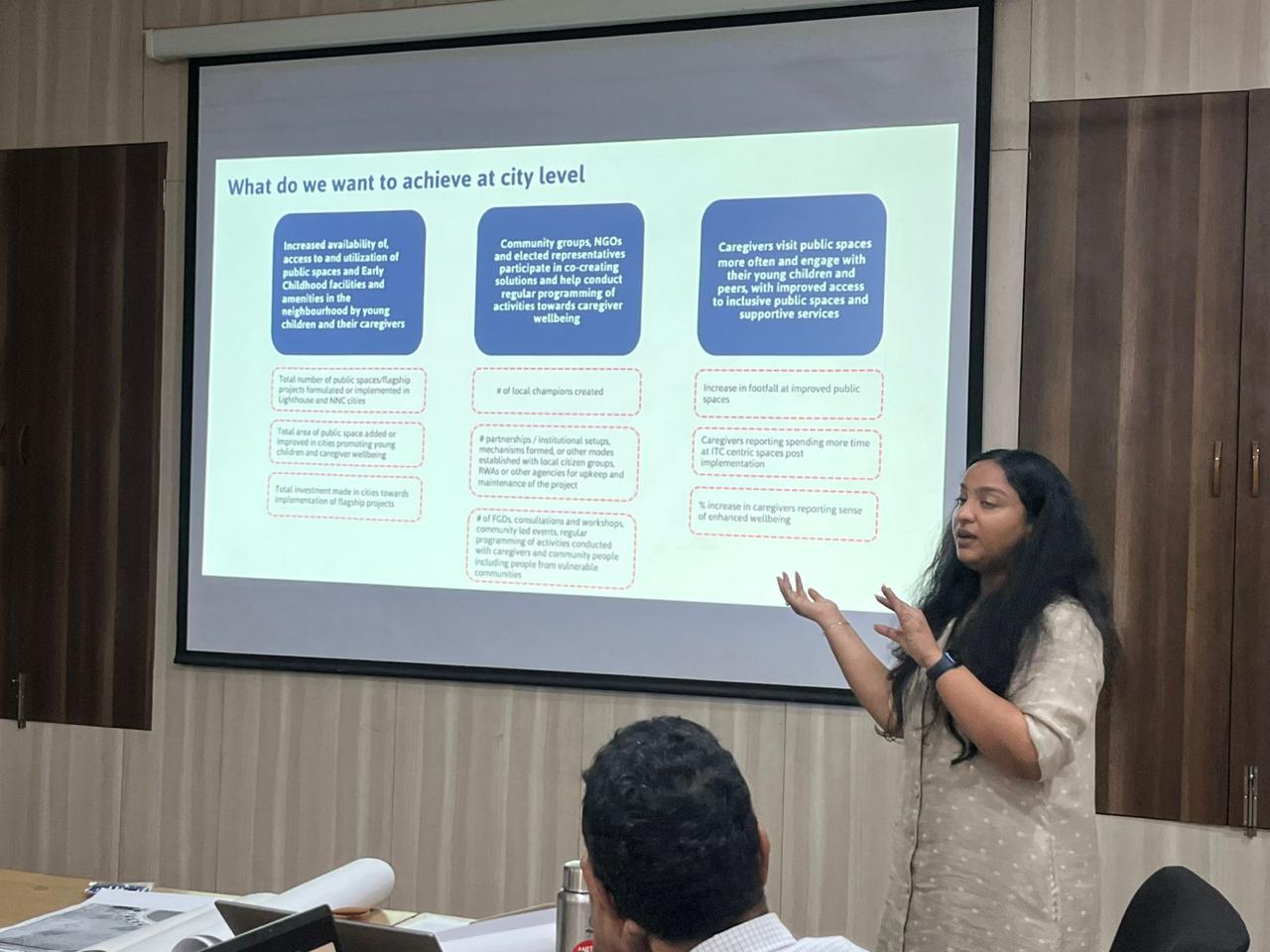
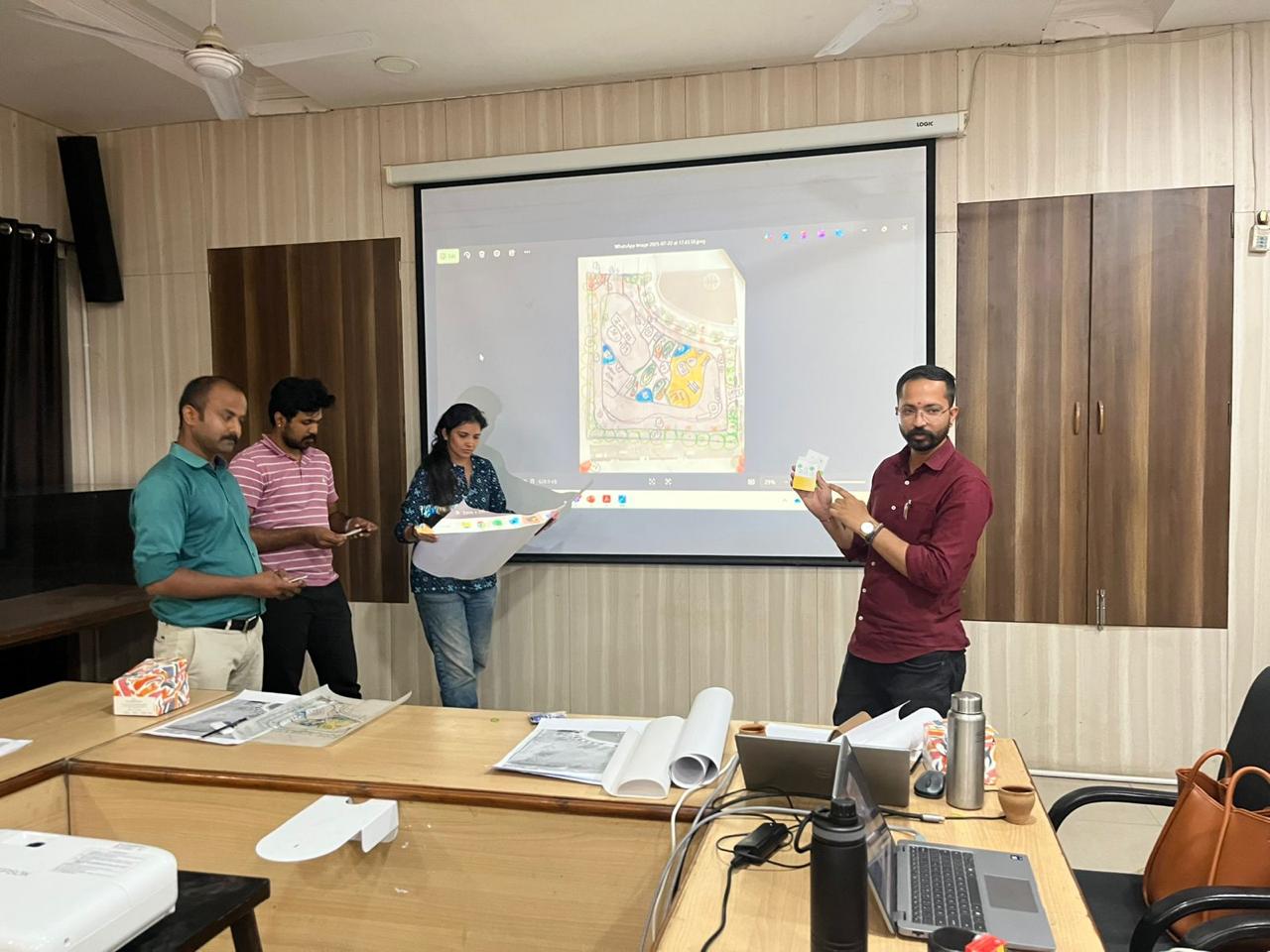
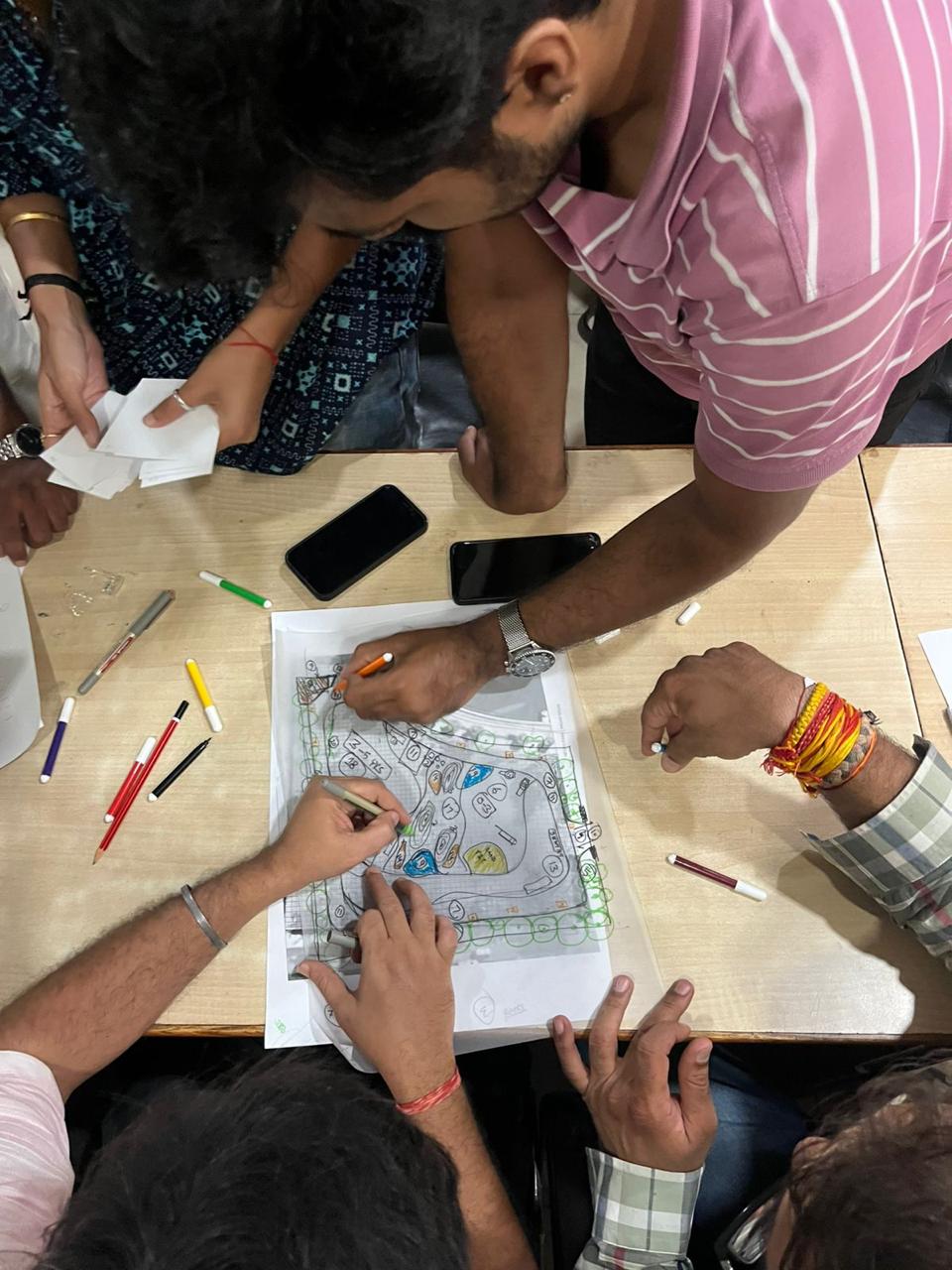
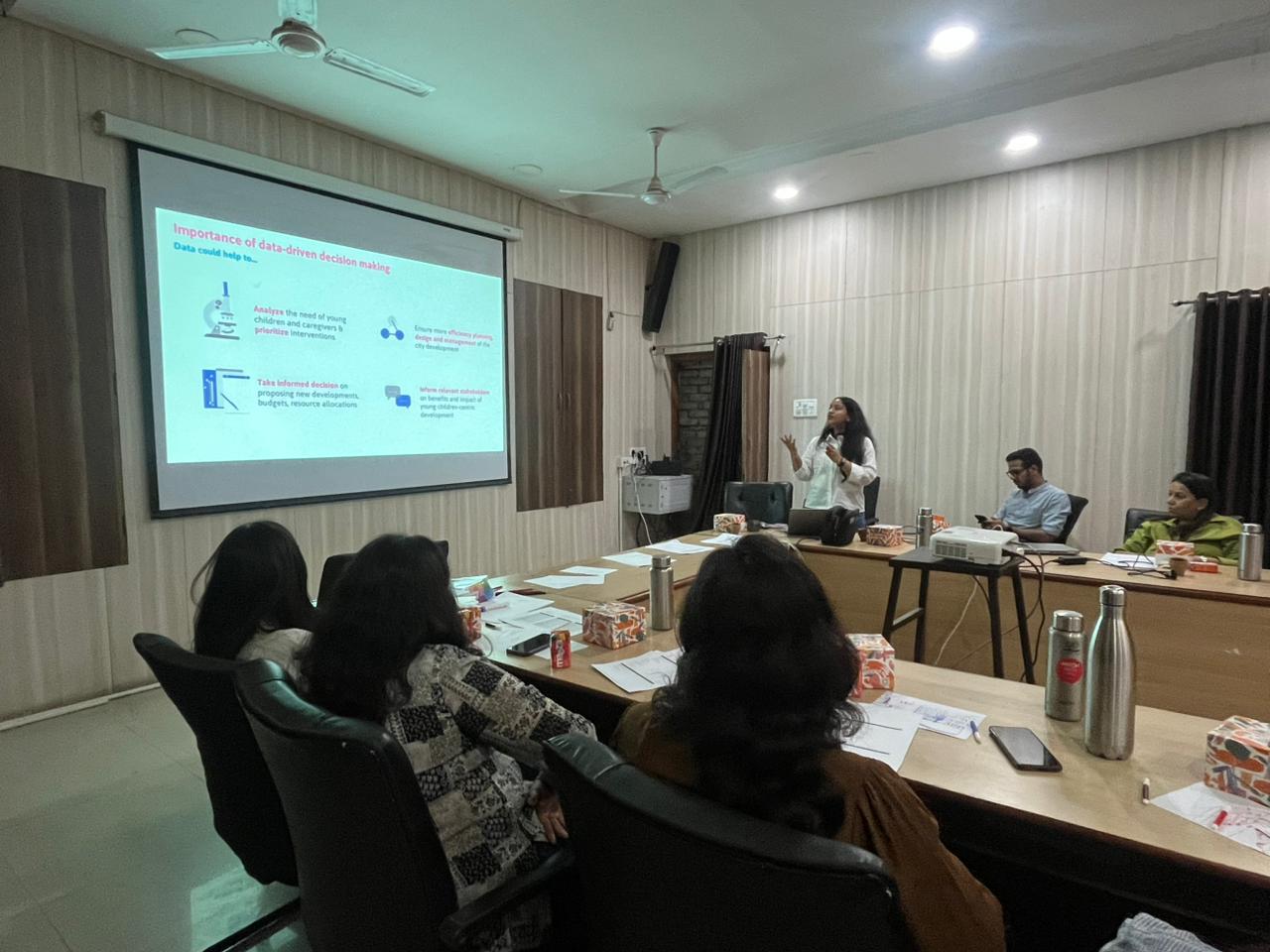
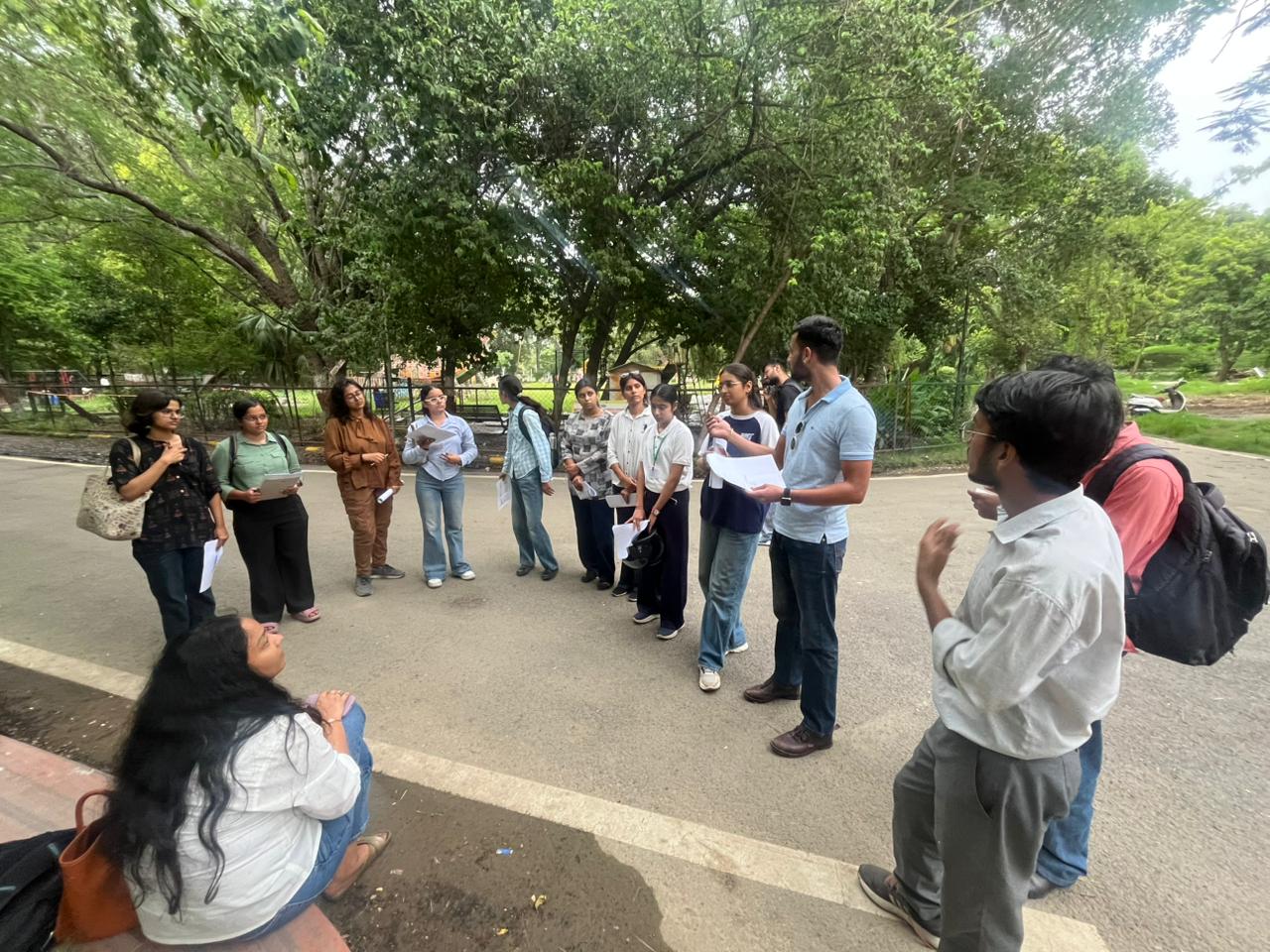
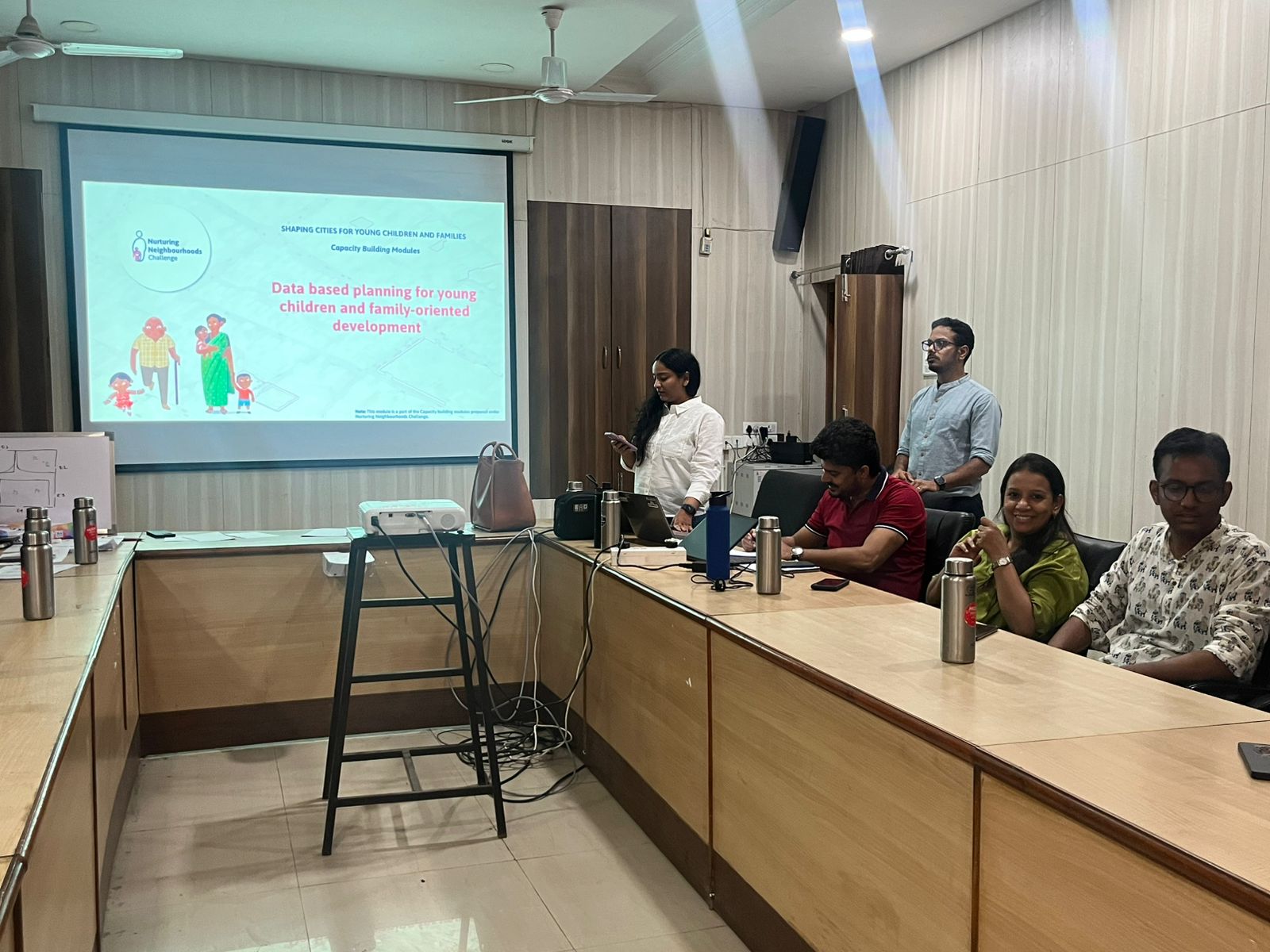
Various technical trainings on design, data collection and MEL have equipped city officials with tools to design inclusive, safe, and engaging public spaces and monitor the project impact regularly. Through presentations, case studies, and hands-on design exercises, participants improved their technical understanding and committed to apply learning in future parks and ECD centres projects. The second and third training was done as a combination of MEL and on how to design a open space or park based on ground situation. A dedicated MEL training with pilot on-ground surveys trained participants in data collection, monitoring, and evaluation of projects using tools like People Moving Counts, Activity Mapping, and Intercept Surveys. The city also conducted 2-day ECD training with 43 ICDS and Health Department staff on the topic of parental wellbeing, outdoor play, and responsive caregiving and co-created action plan to integrate learnings into their routine services.