.png)



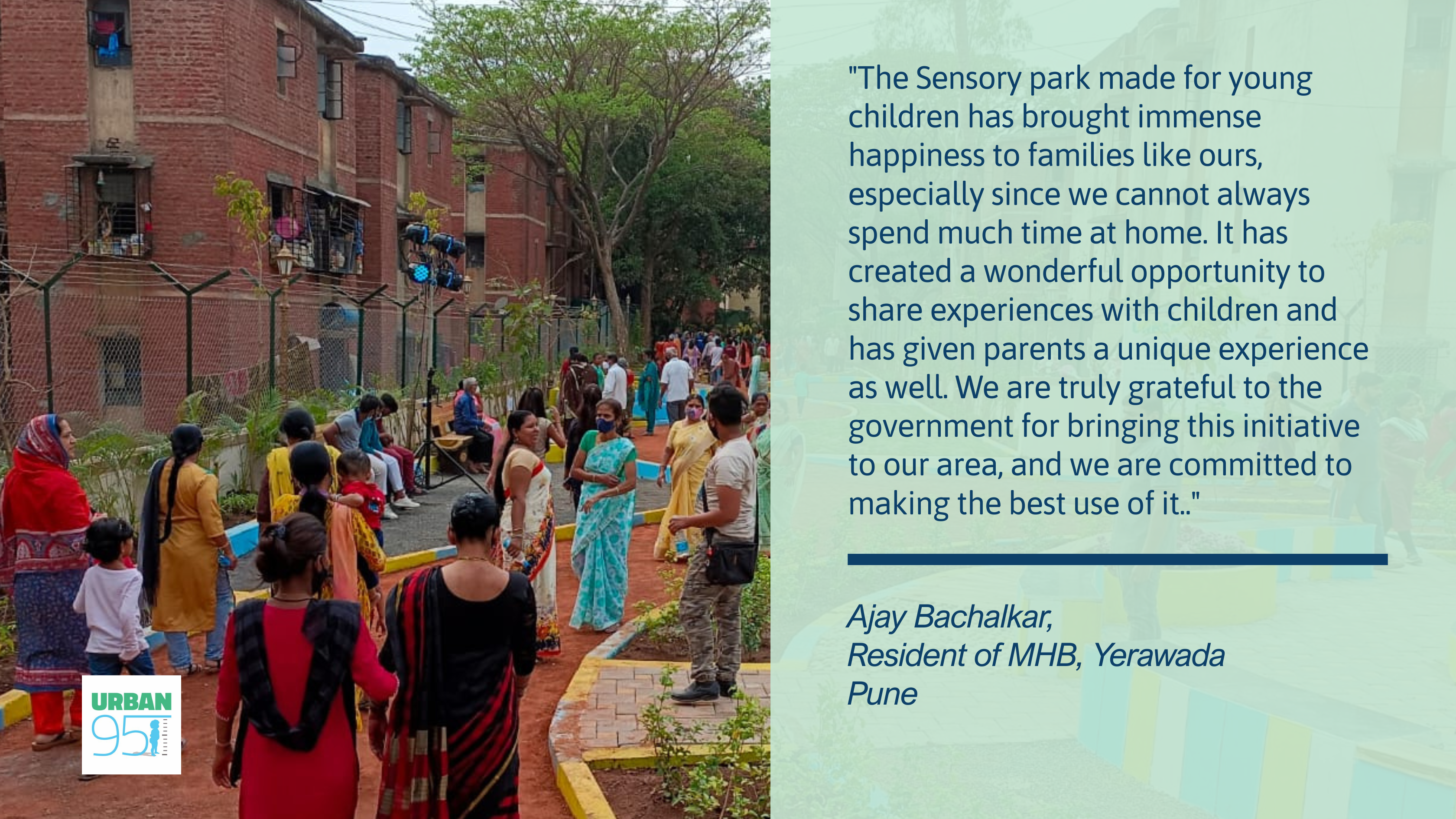
Pune has led India’s Urban95 program, championing child- and caregiver-friendly urban planning. Through Phases I and II, the city built institutional capacity within the Pune Municipal Corporation, integrated Urban95 principles into governance, and piloted 13 on-ground interventions to foster early childhood development.
Recognized as a Lighthouse City under Nurturing Neighbourhoods 2.0, Pune now aims to create 2–3 family-friendly public spaces per zone by 2026 by repurposing underused areas. These will offer services like crèches and peer groups to support parental wellbeing. The city is embedding this approach through systemic reforms, training, and partnerships.
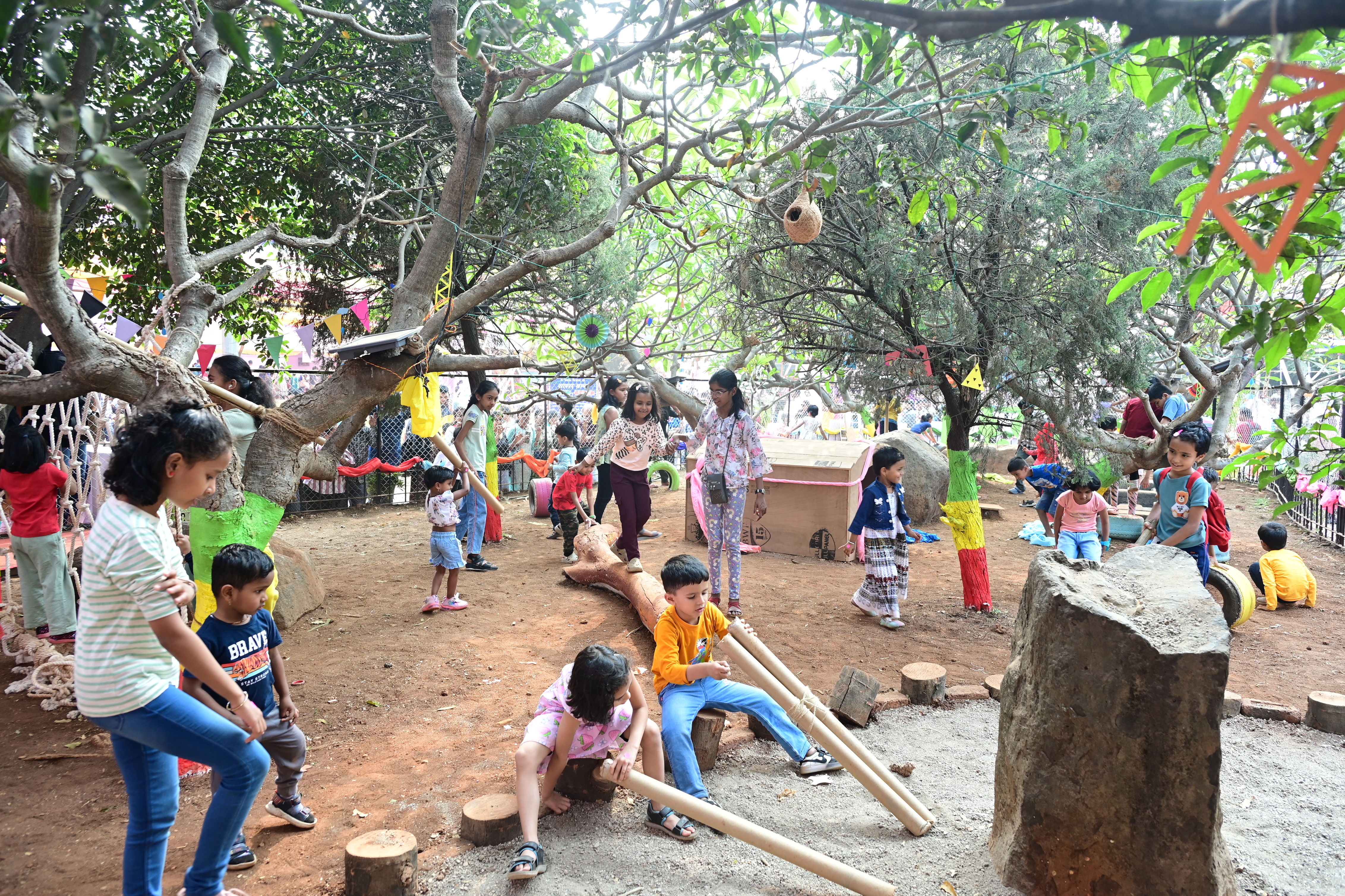
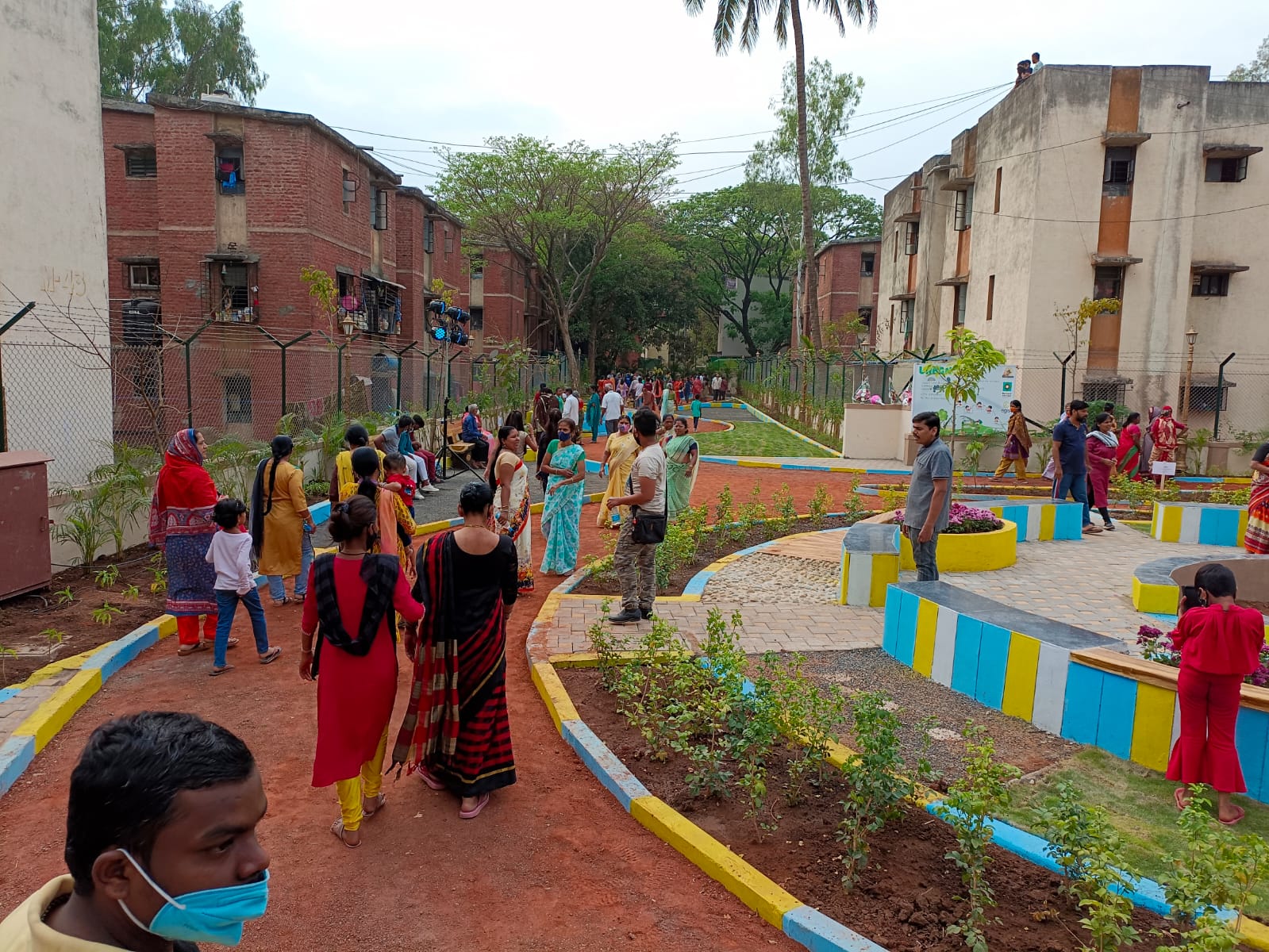
This ITC-friendly Balwadi is designed as a safe, affordable, and welcoming space where young children can come every day to learn through play. With both indoor learning corridors and an outdoor playful area, it encourages exploration, creativity, and social development that children often miss at home.
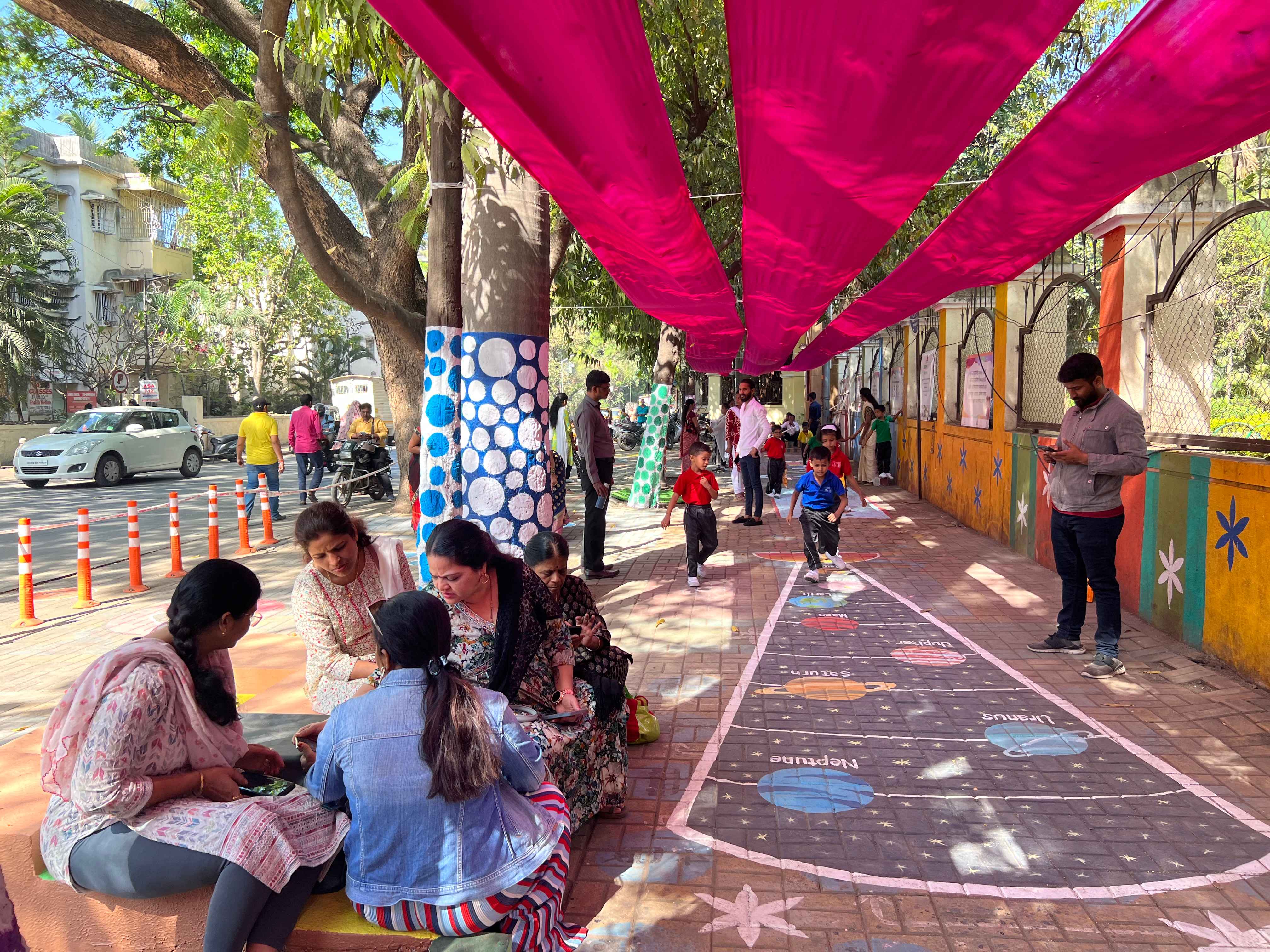
The Parvati CPZ in Pune reimagines neighbourhood streets with a child- and caregiver-first approach. Through safer crossings, shaded walkways, traffic calming, and playful pockets, the project makes everyday journeys — whether to Anganwadis, schools, or markets — more comfortable and engaging for young children and their families. By integrating Urban95 principles, the initiative transforms local streets into vibrant, inclusive, and nurturing spaces for the community.
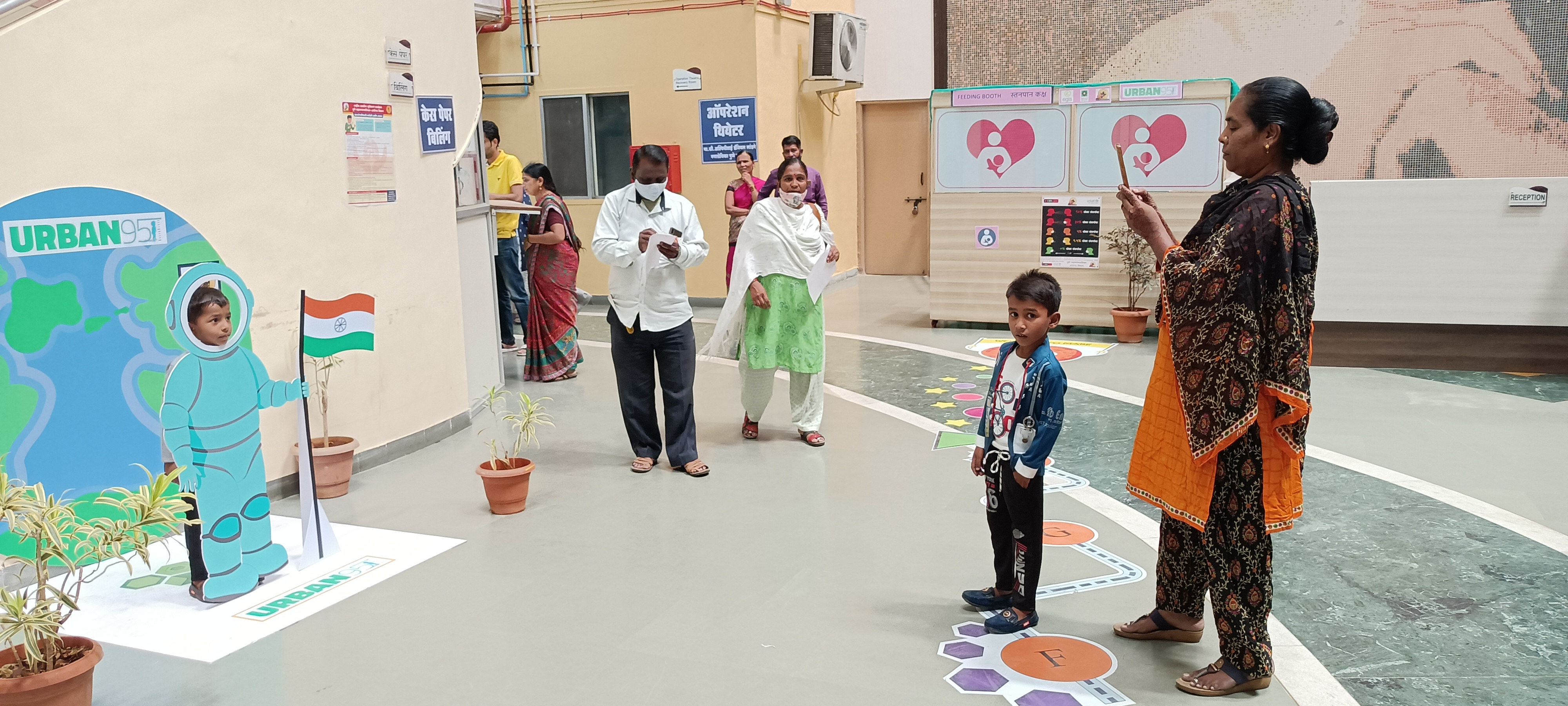
A colourful, child-friendly space inside the hospital that turns anxiety into joy. This intervention helps young children and parents feel safe, engaged, and comfortable, making hospital visits less intimidating and more welcoming.
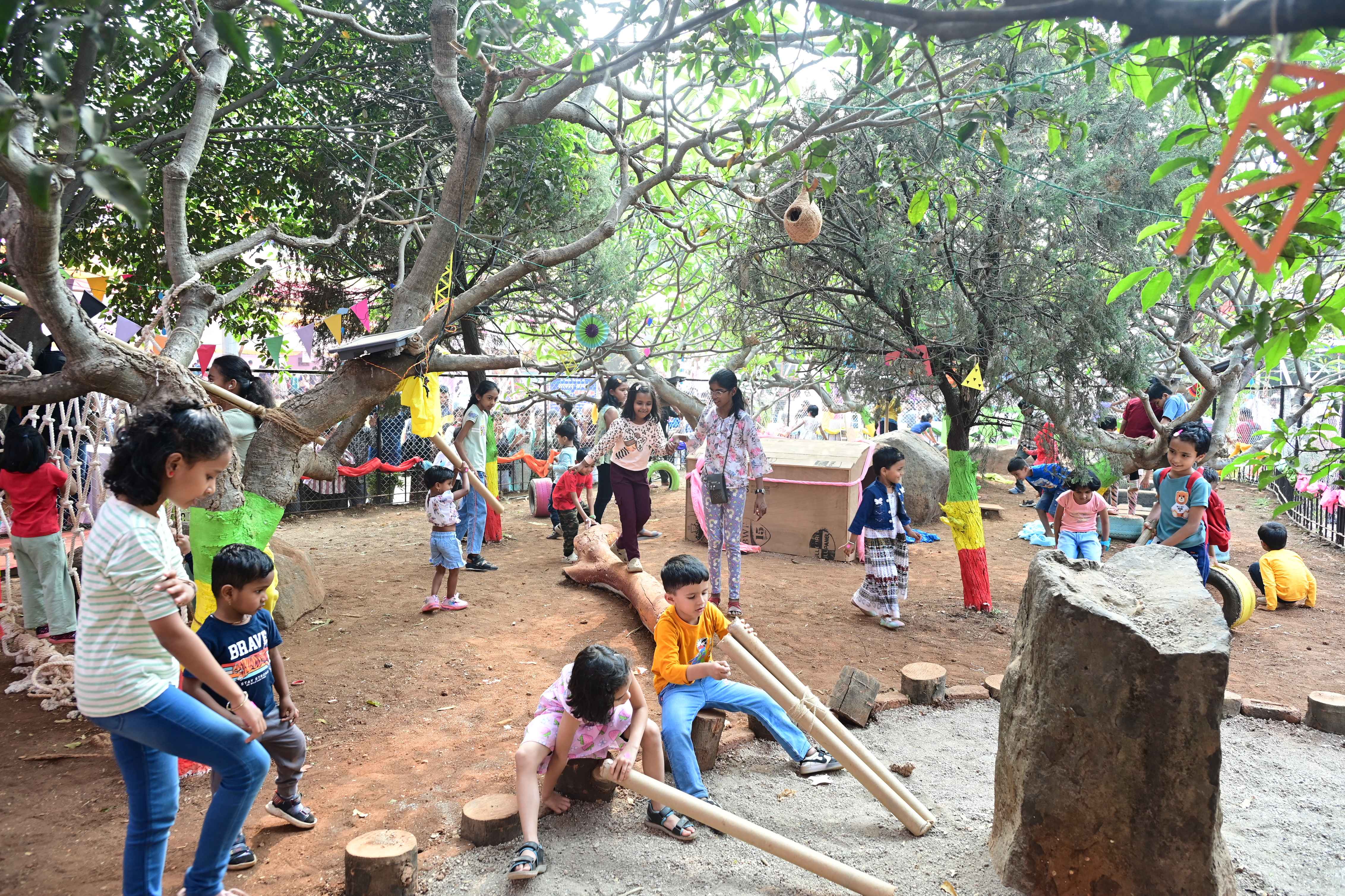
Children enjoying the thoughtfully designed free play elements, set up by PMC in collaboration with students of Cummins College of Architecture, fostering joyful learning, exploration, and social interaction during the Urban95 Kids Festival 2024 in Pune.
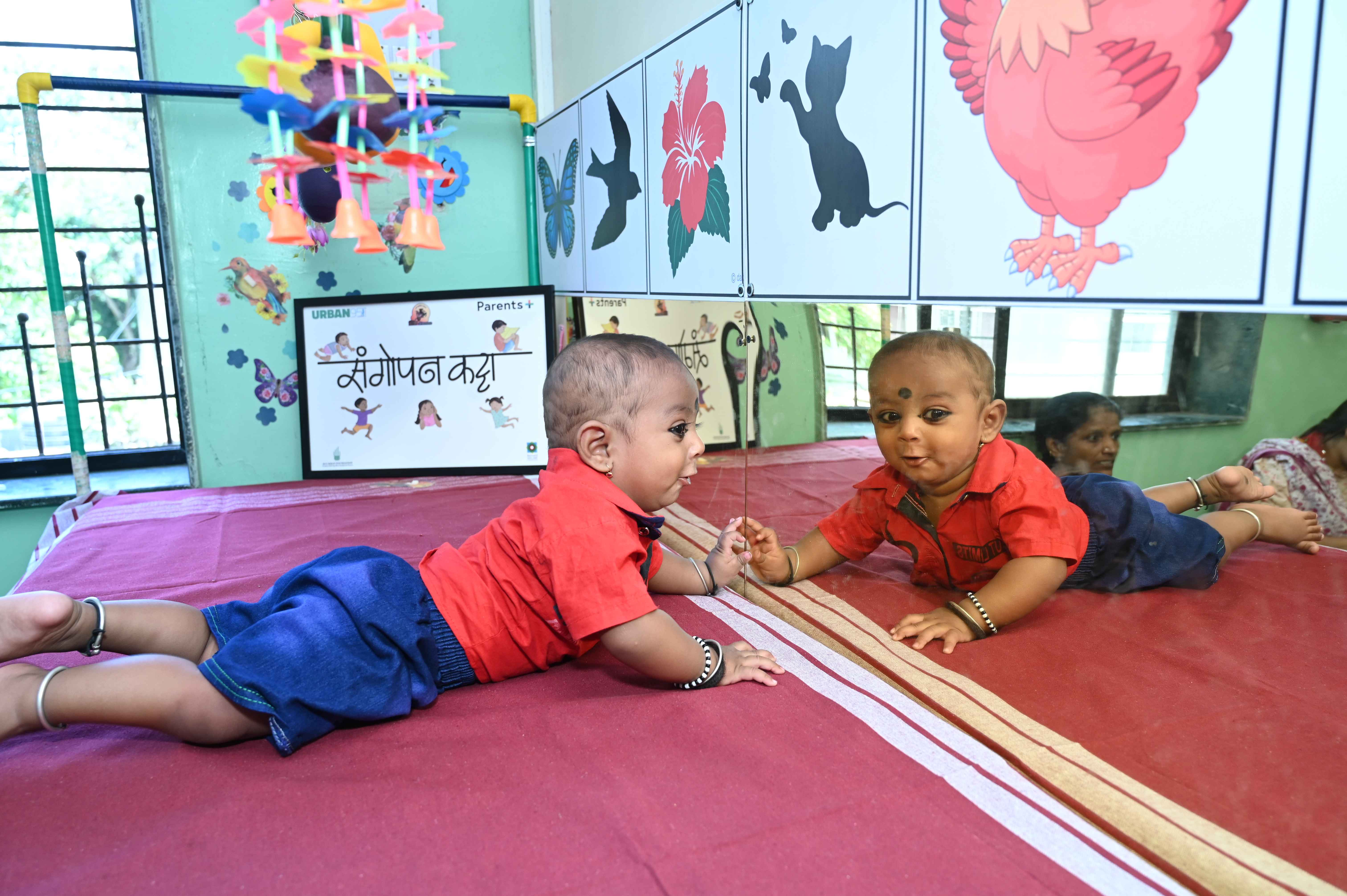
Infants engaging with mirrors and visually stimulating elements at the Stimulation Corner, designed to make the vaccination experience more comfortable and playful. The patient bed is thoughtfully designed to attract and engage young children, easing anxiety for both infants and their caregivers.
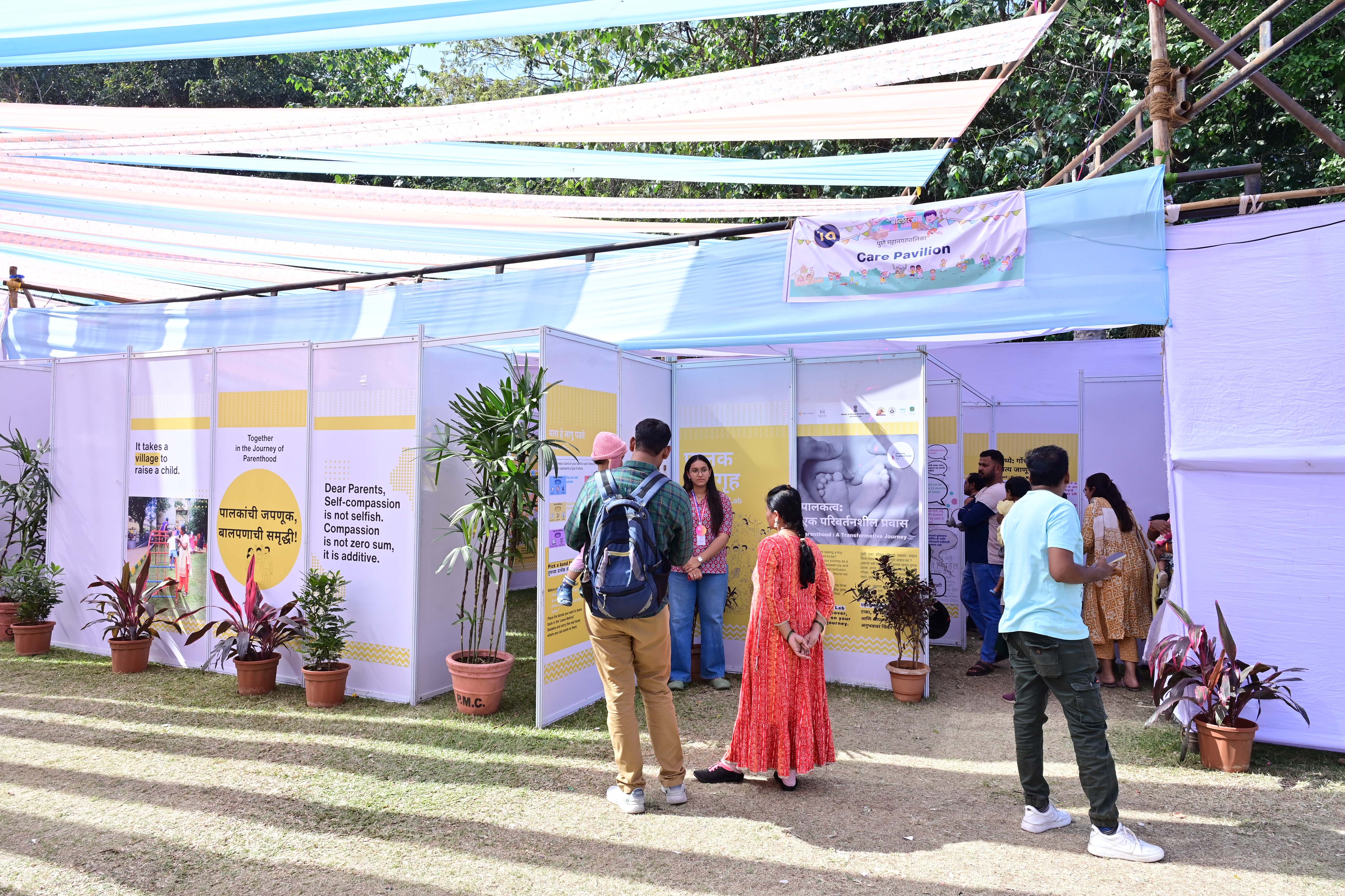
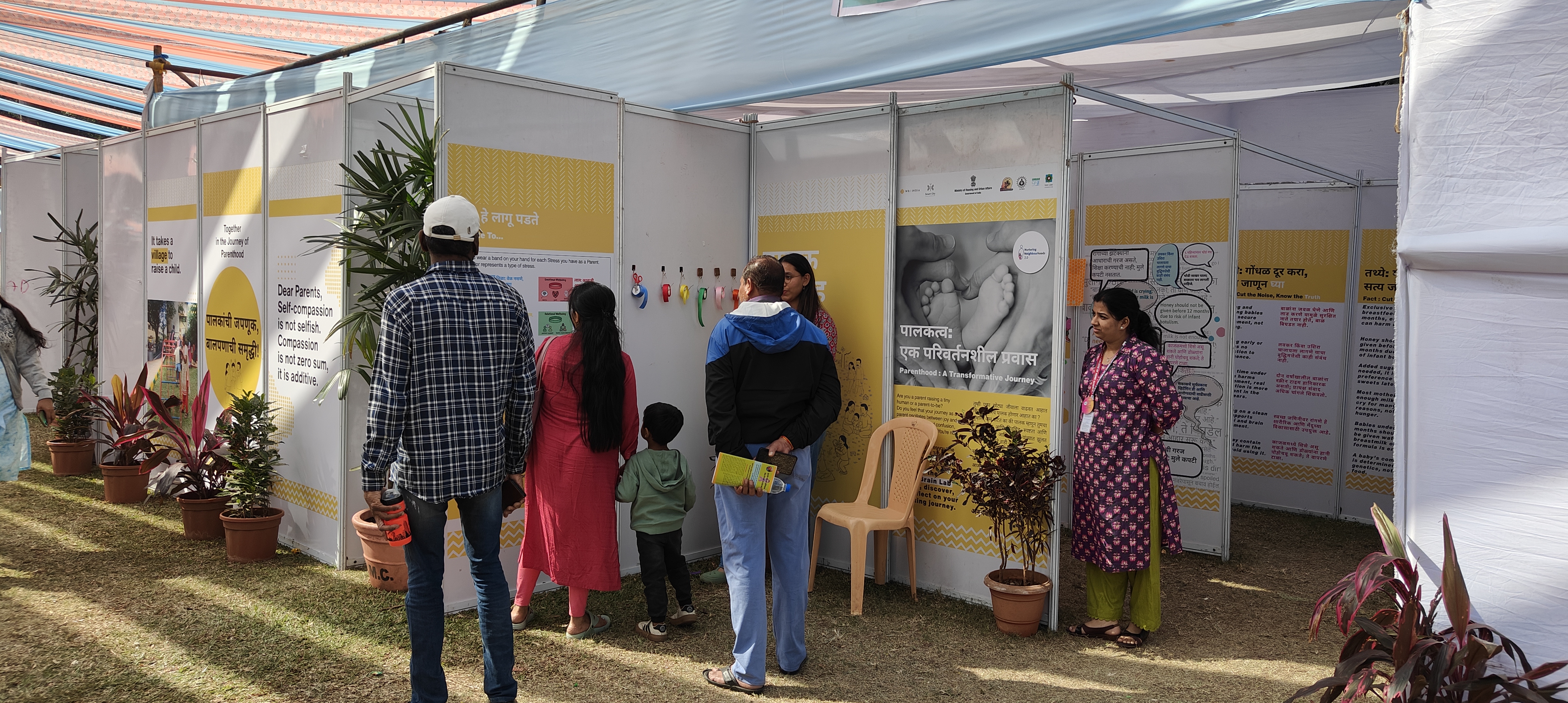
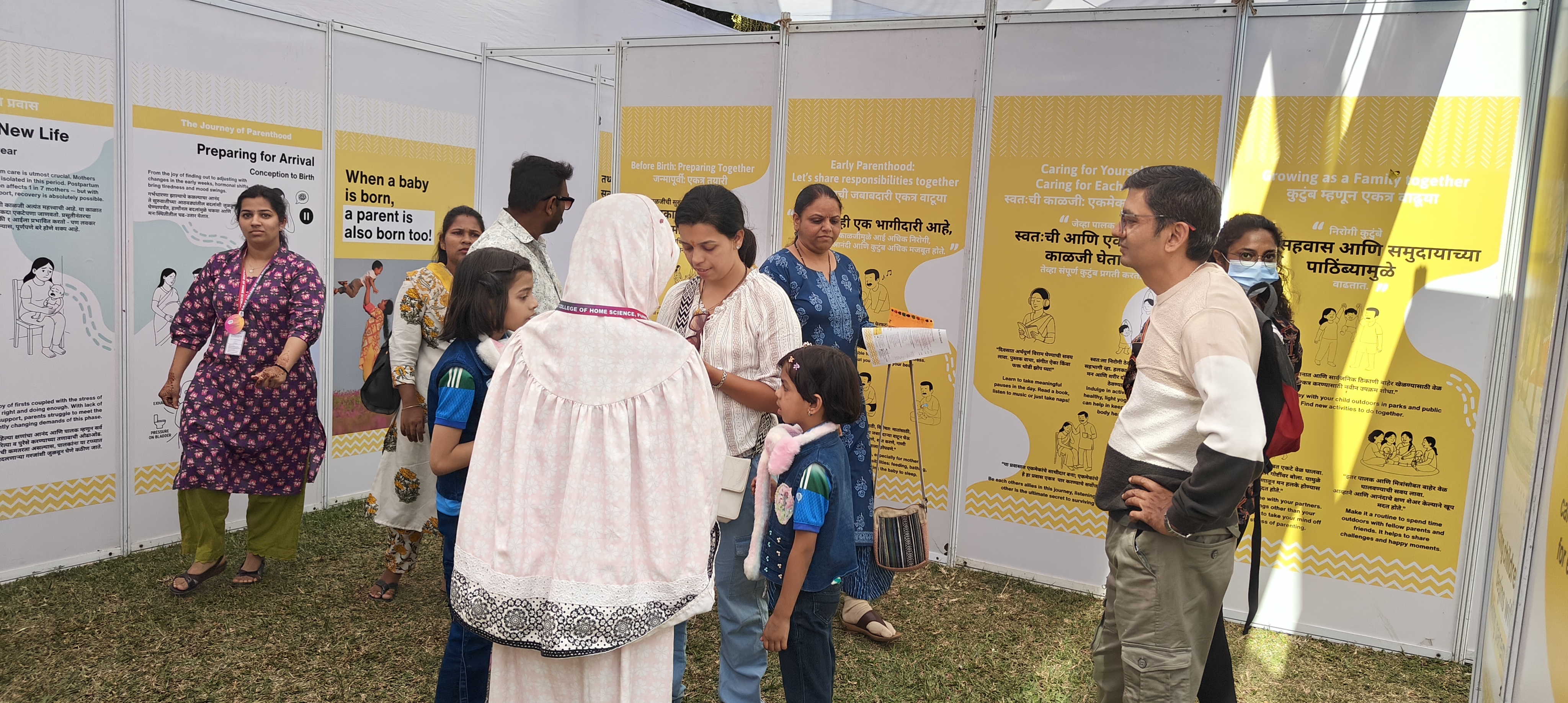
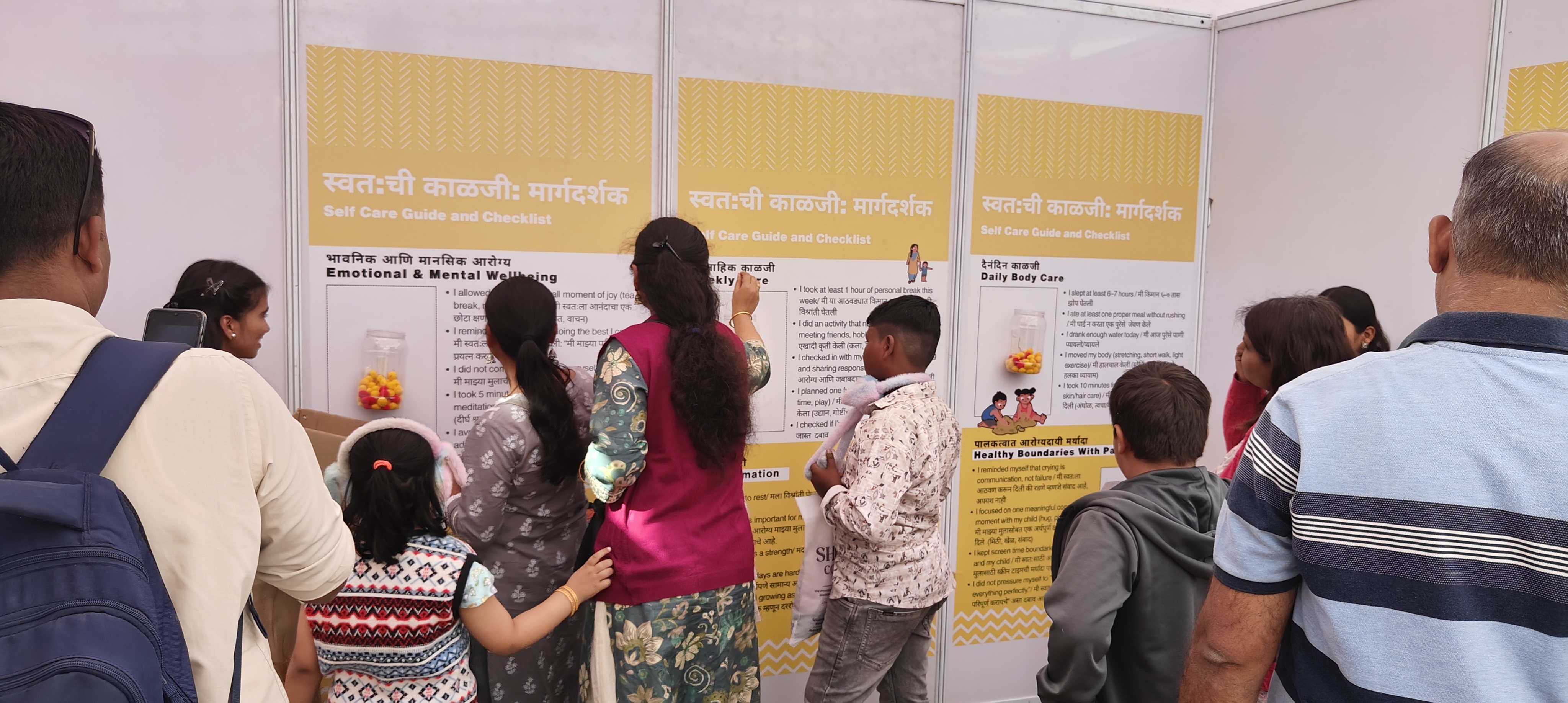
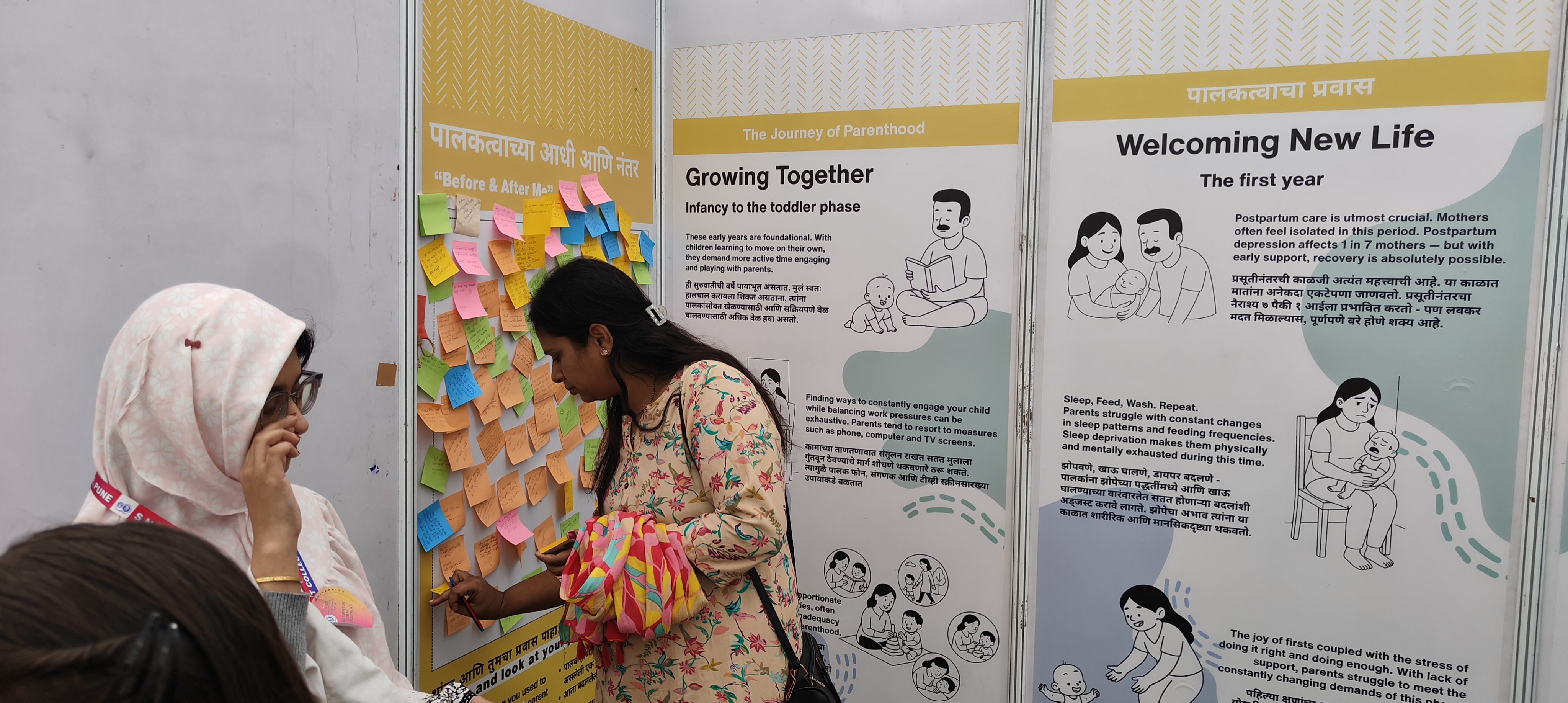
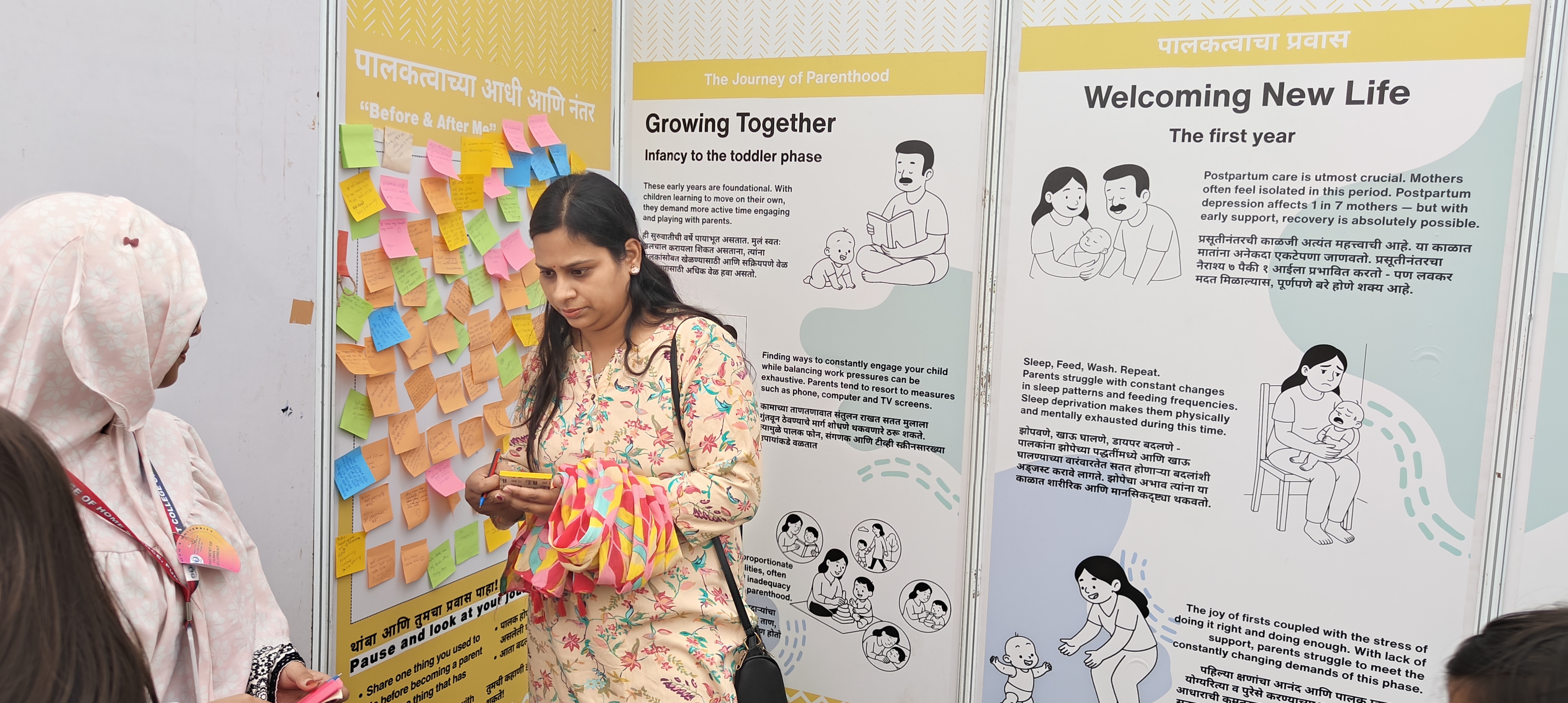
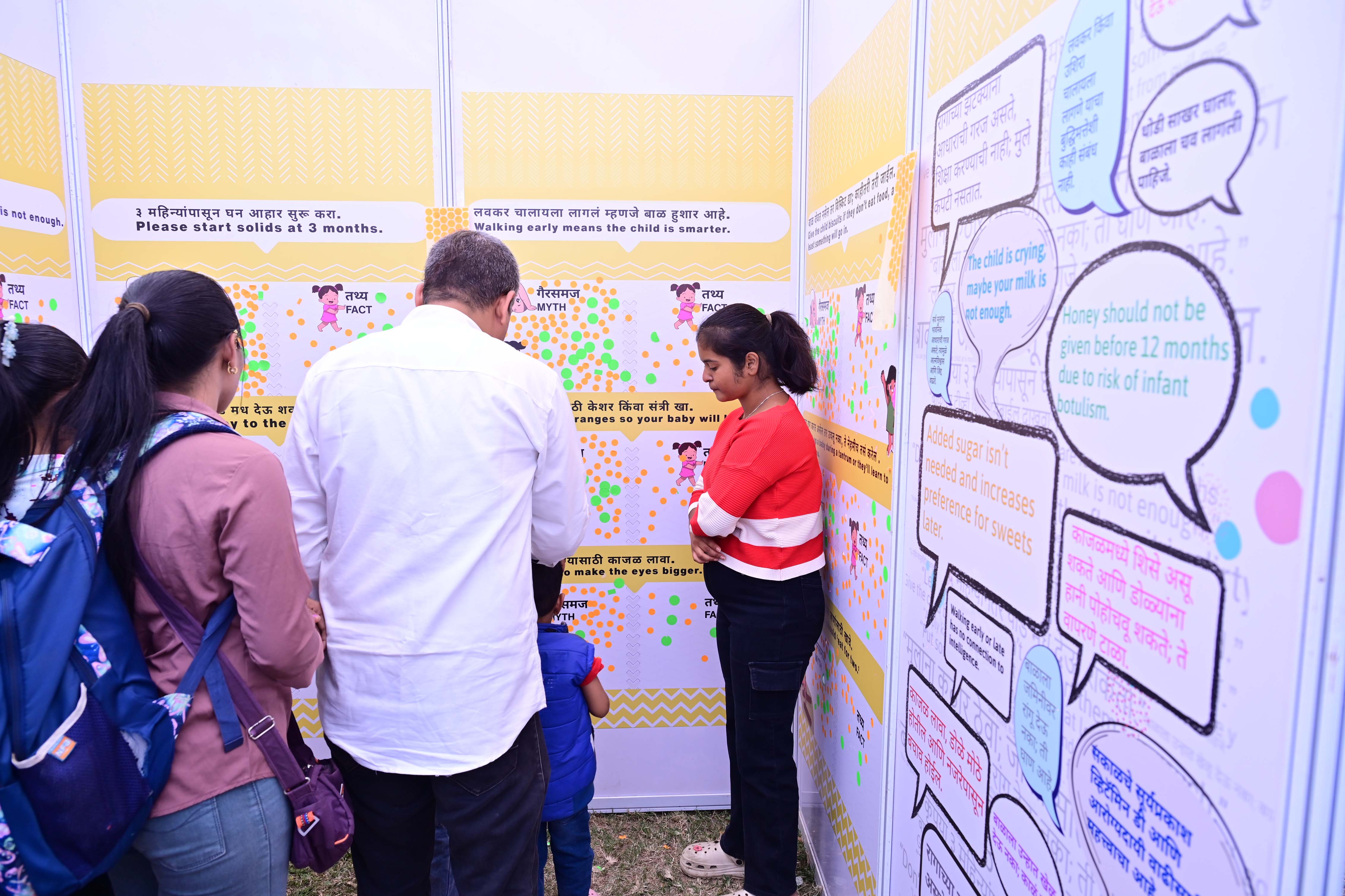
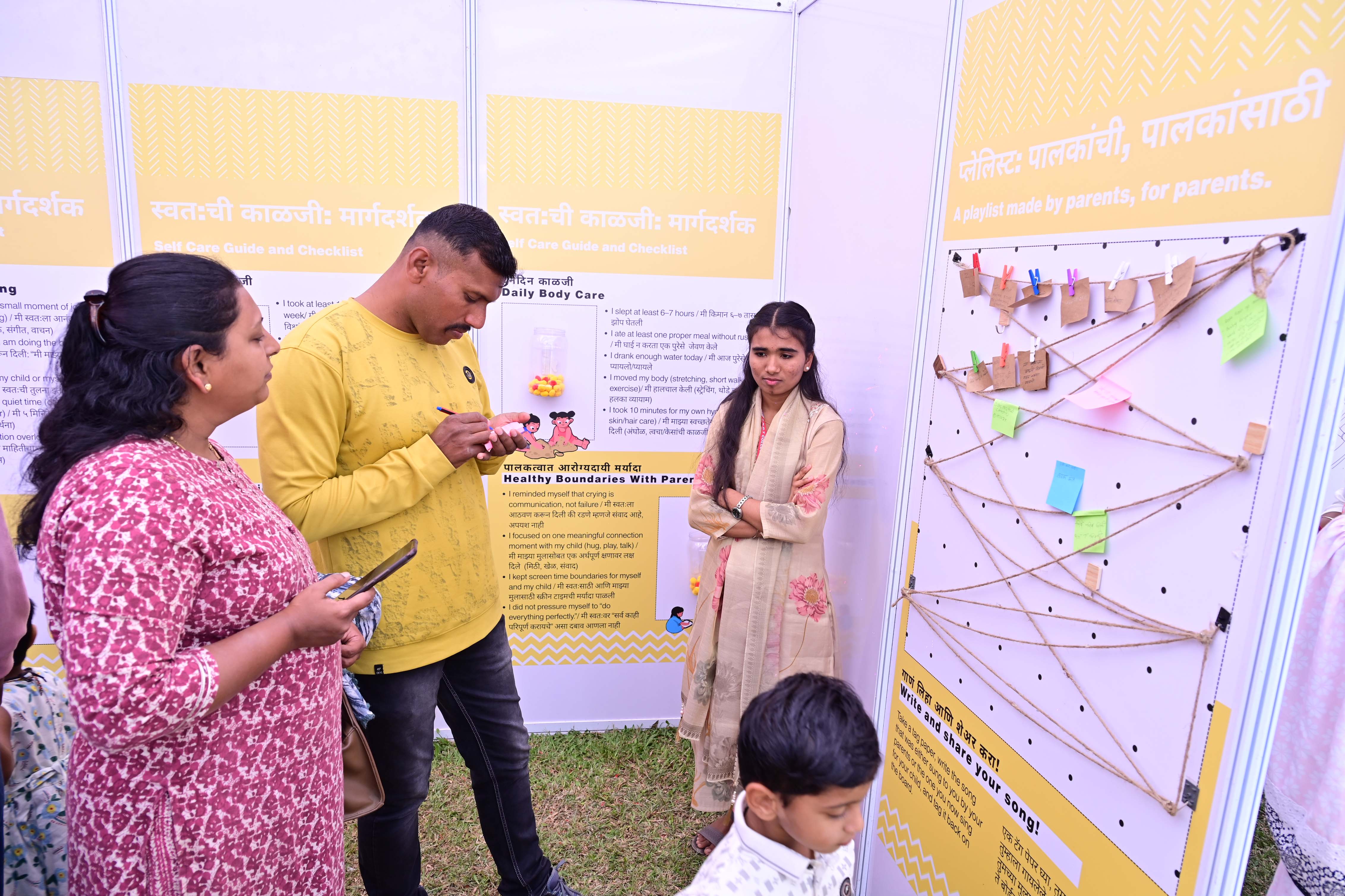
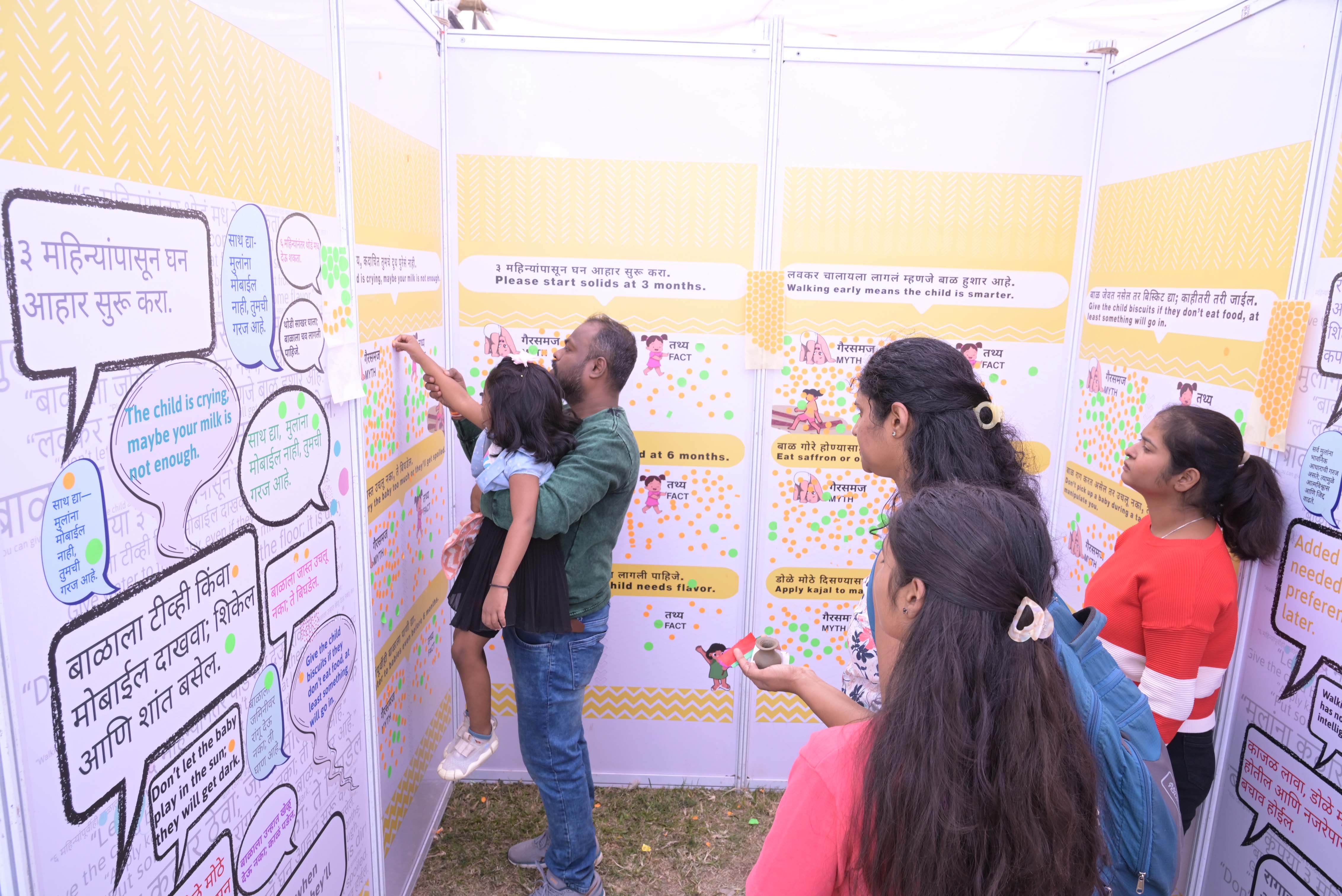
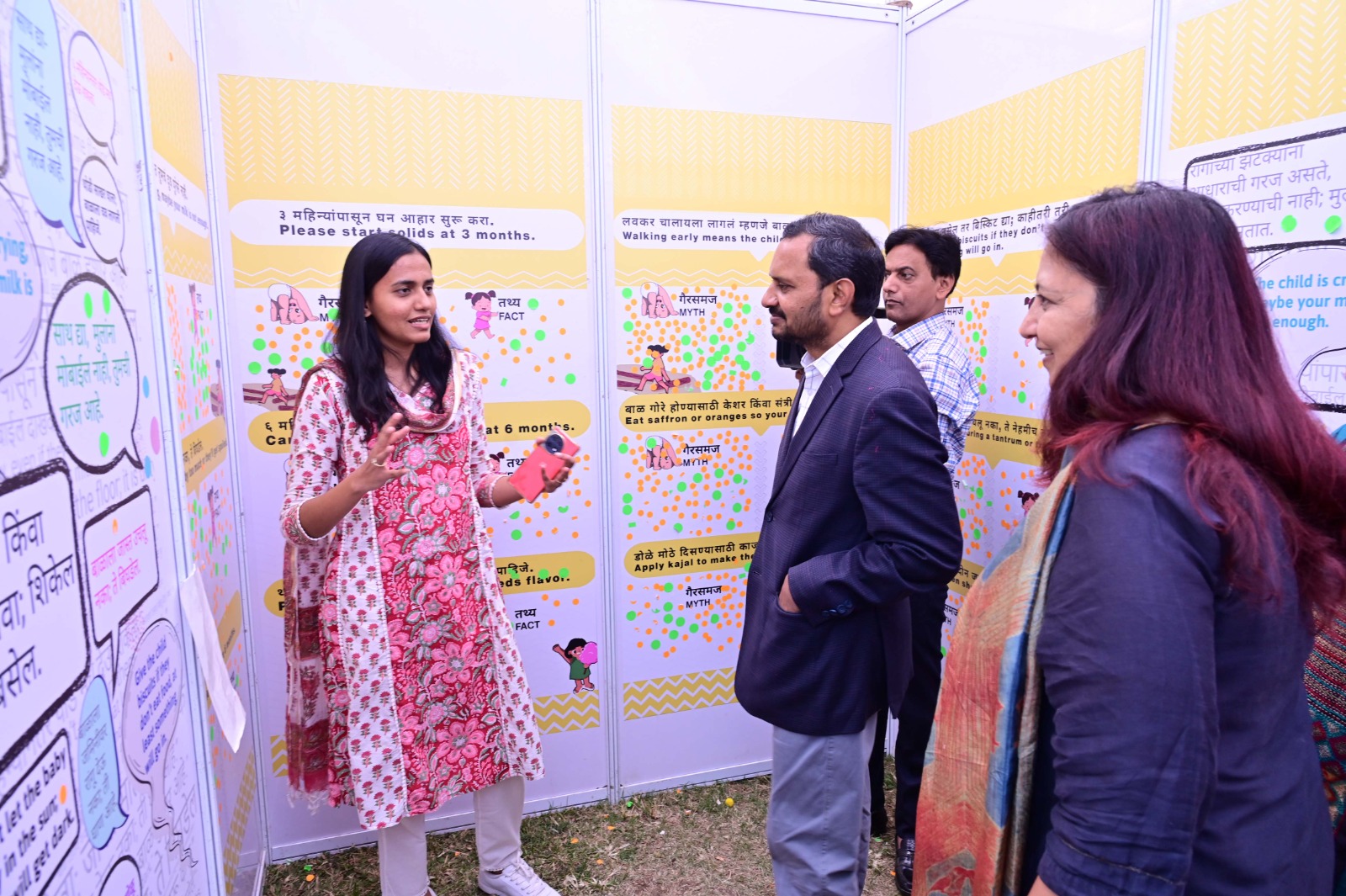
The Care Pavilion at the Kids Festival offered a calm, welcoming space where parents and caregivers could pause, reflect, and engage with simple ideas around self-care, responsive caregiving, and mental wellbeing through interactive exhibits and guided activities.
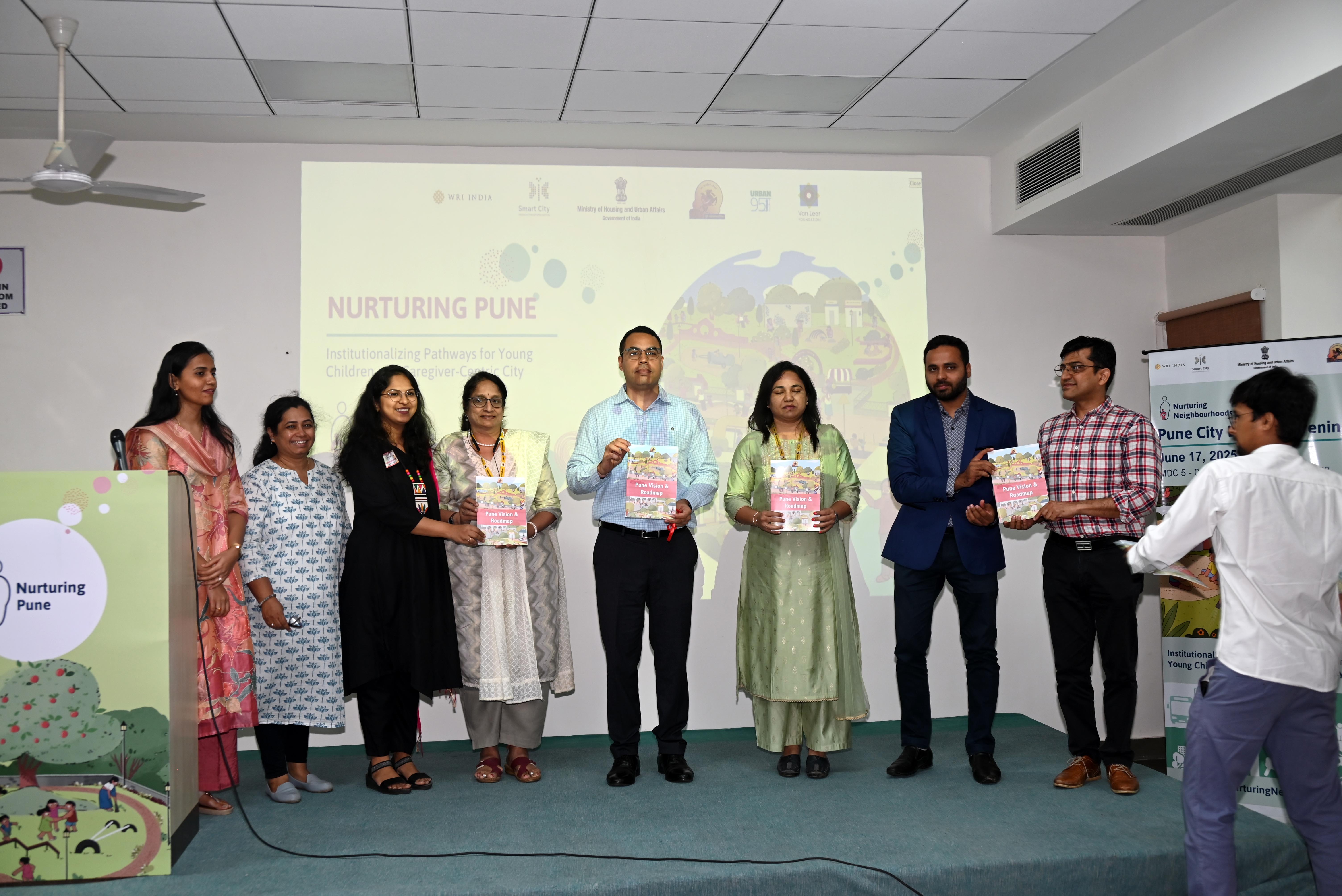
Urban95 norms were embedded in PMC’s policies, tender processes, and capacity-building programs, equipping officials to plan with a child- and caregiver lens. Key steps towards institutionalisation included the formation of a Child-Friendly Cell, regular Project Steering Committee meetings, publishing of guidelines and checklists for ITC-friendly planning, and the celebration of an annual Urban95 Kids Festival focused on the wellbeing of children aged 0–6 years and their caregivers.
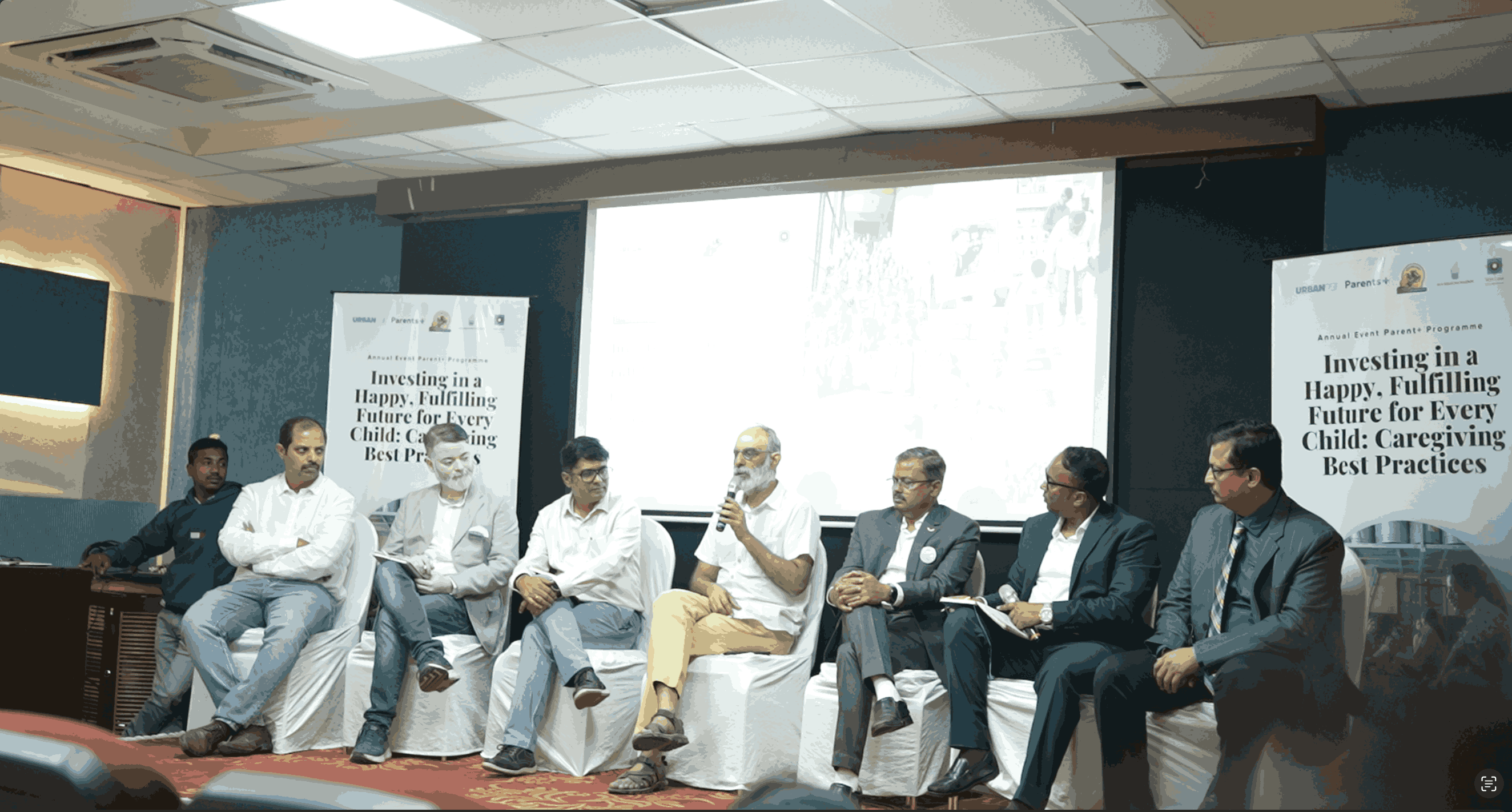
Capacity Building and trainings have been conducted for multi-sectoral stakeholders throughout the life cycle of the flagship projects in Pune to enhance technical knowledge of officials and frontline workers and enable them to integrate the young children and caregiver-friendly lens through an informed data-driven and guided design approach coupled with supportive actions taken towards early childhood development and social and behaviour change communication across different projects.