.png)






Jabalpur, one of the top ten cities under the Nurturing Neighbourhoods Challenge has retrofitted parks and public spaces with age-specific and natural play opportunities for young children and outdoor spaces for caregivers.
Going further, as part of Nurturing Neighbourhoods 2.0, Jabalpur aims to create a network of accessible, inclusive public spaces by developing or retrofitting parks and open spaces across the city. Through a play master plan, the city seeks to systematically expand play opportunities with active community engagement.
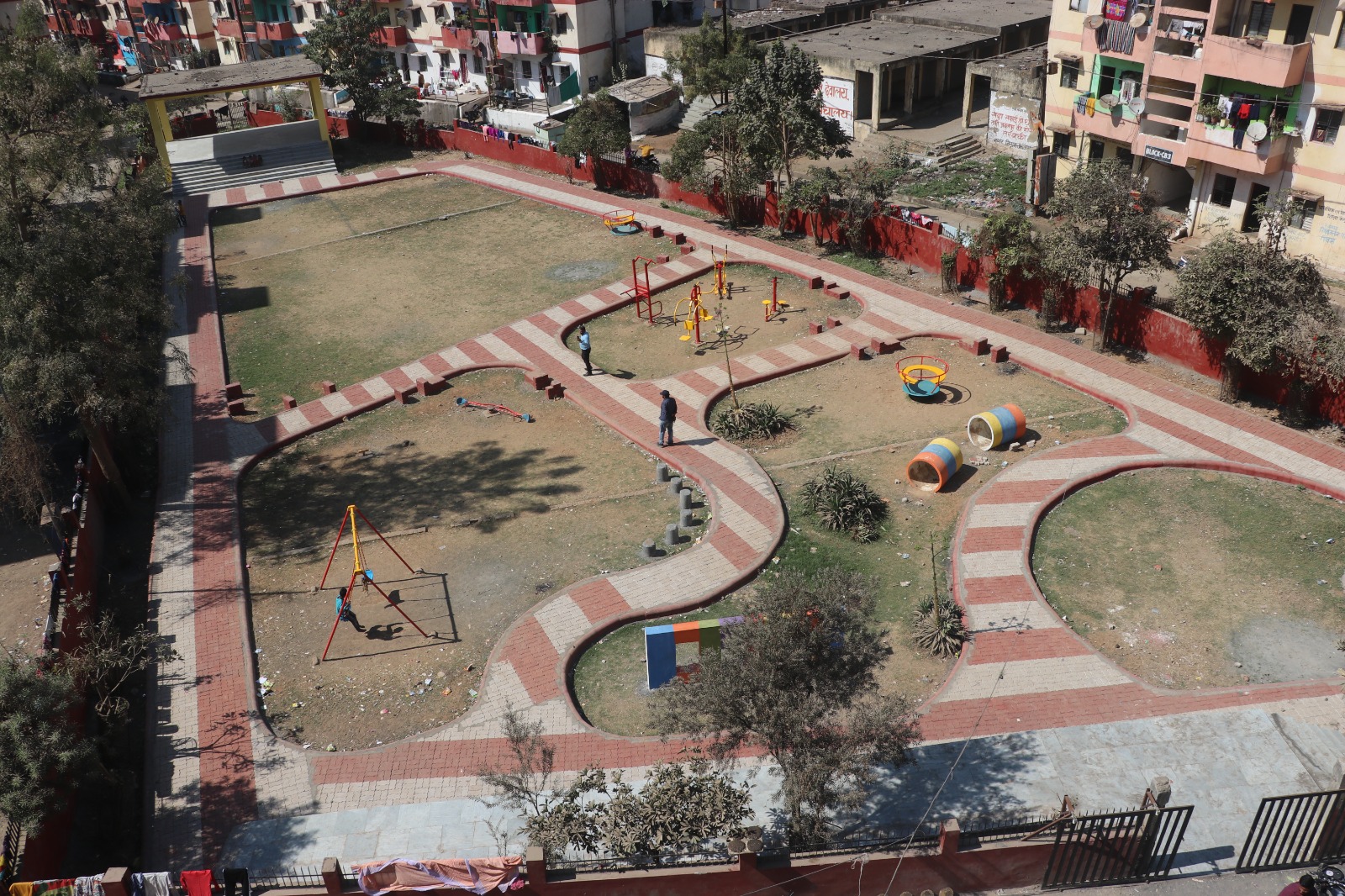
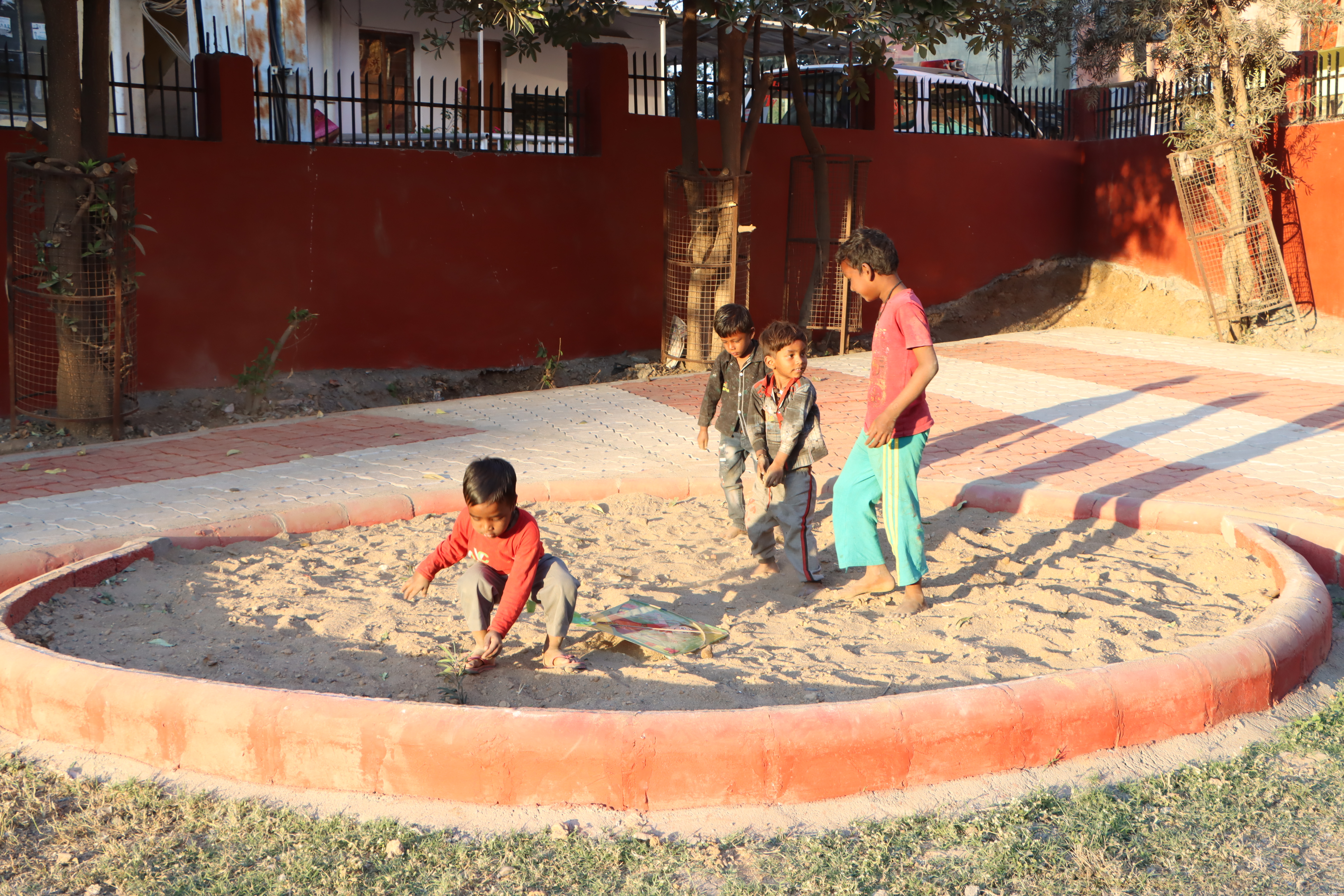
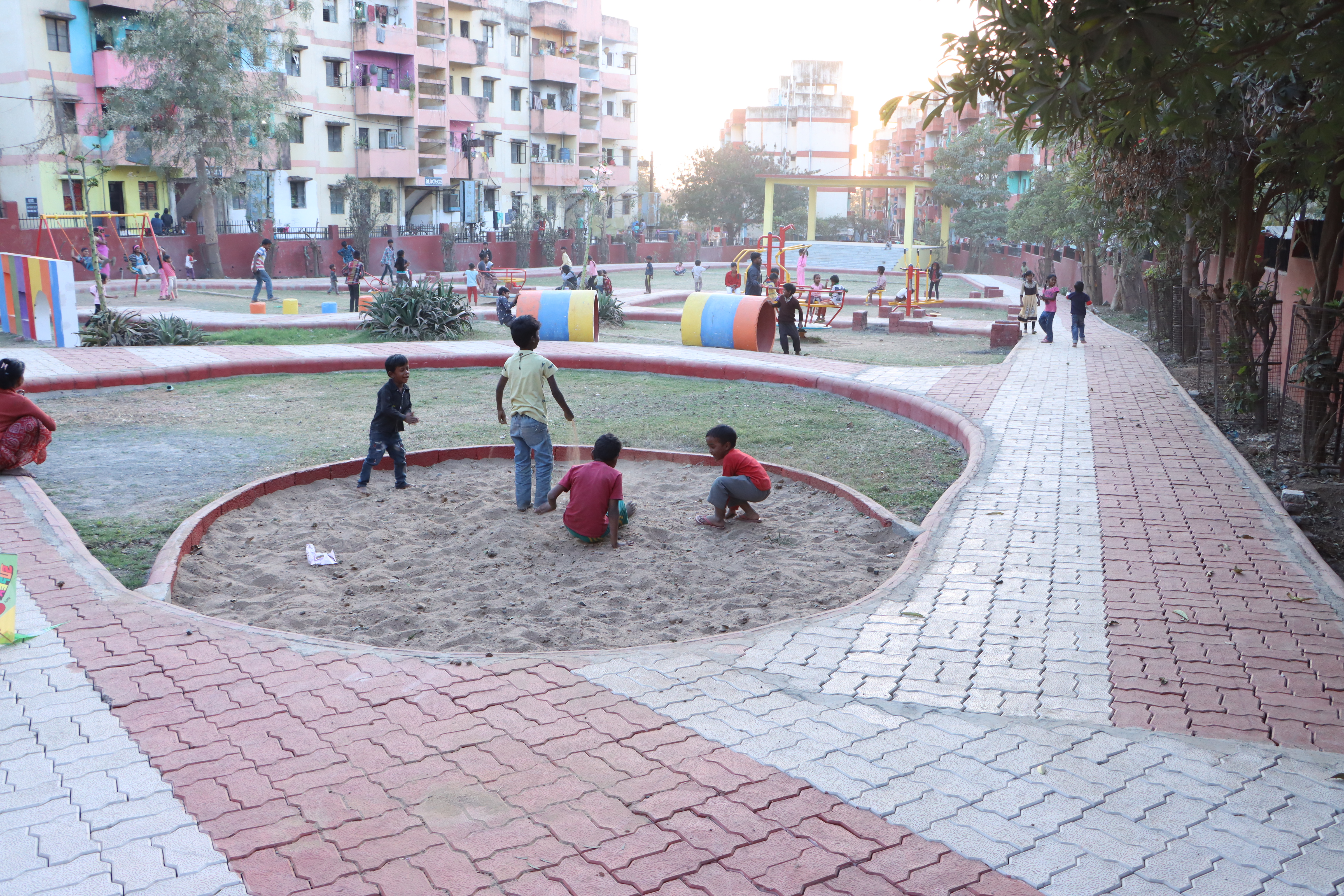
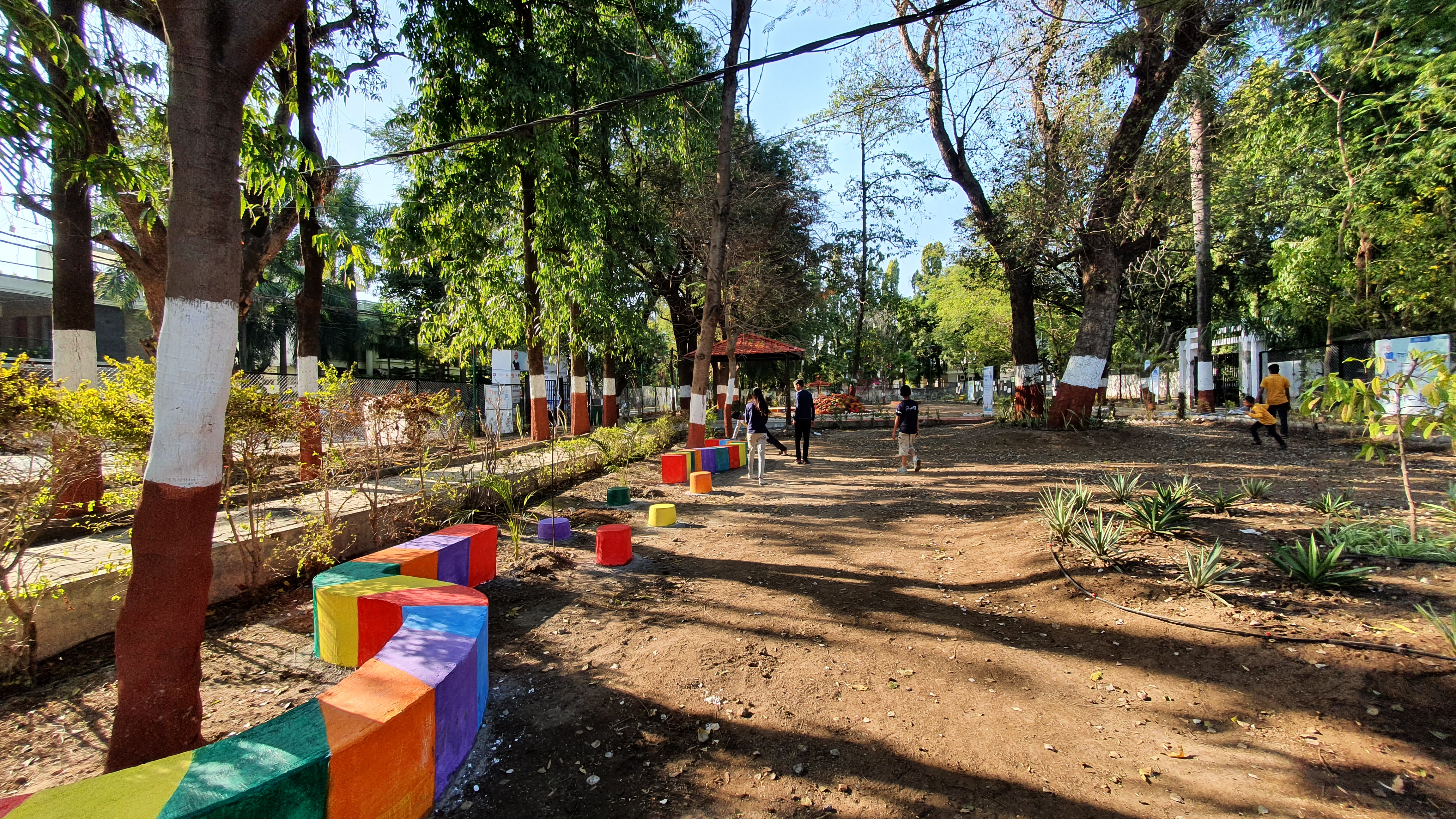
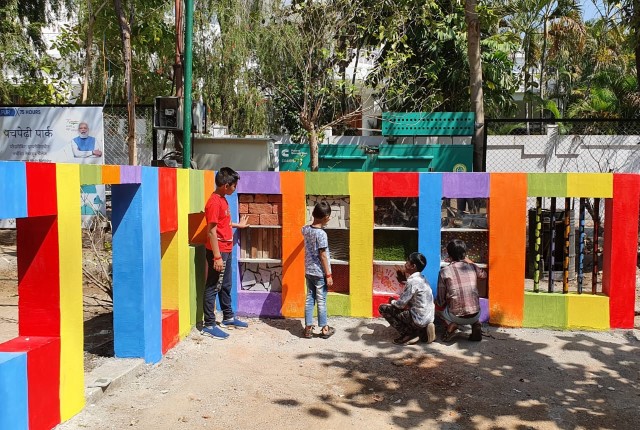
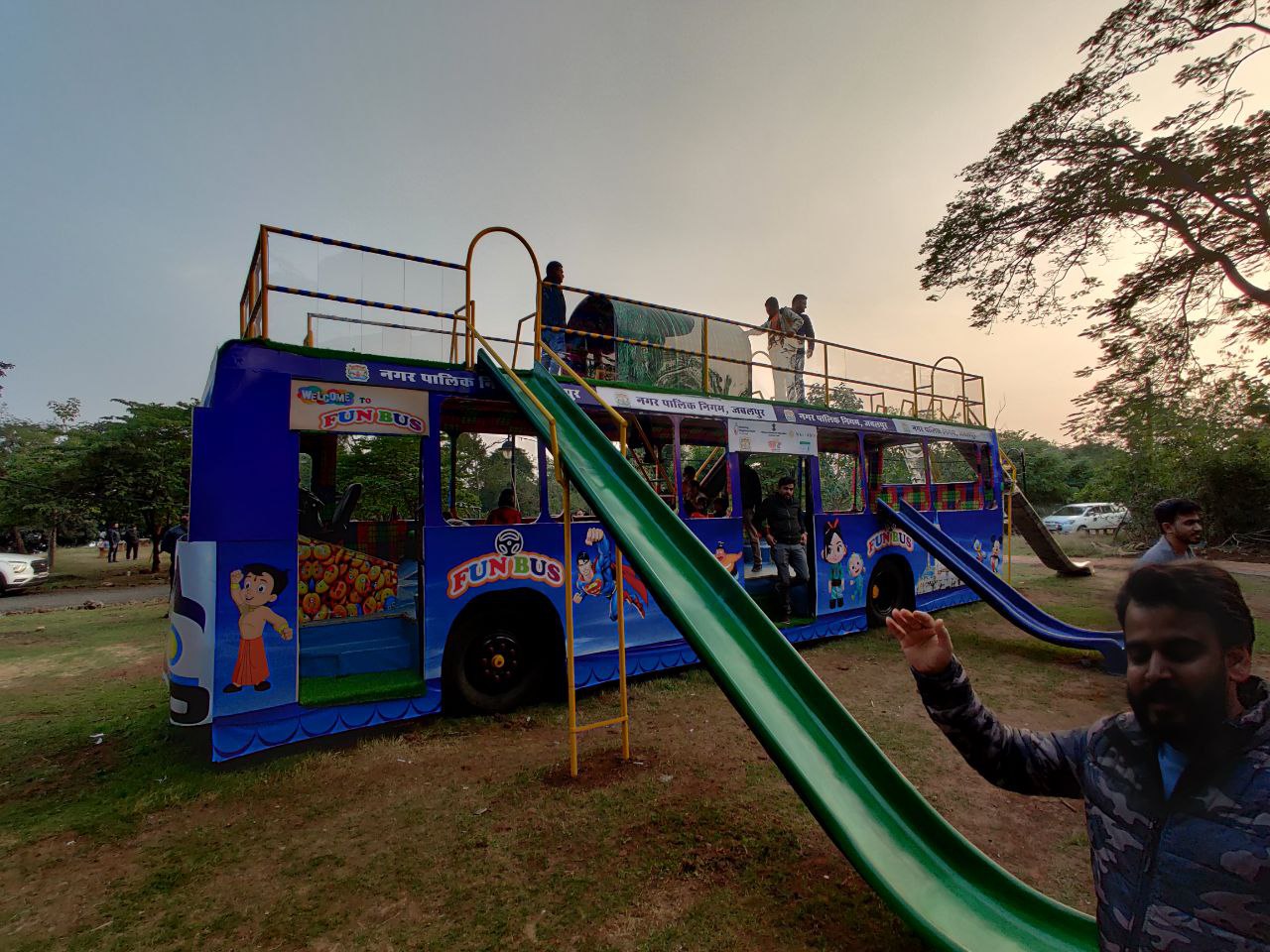
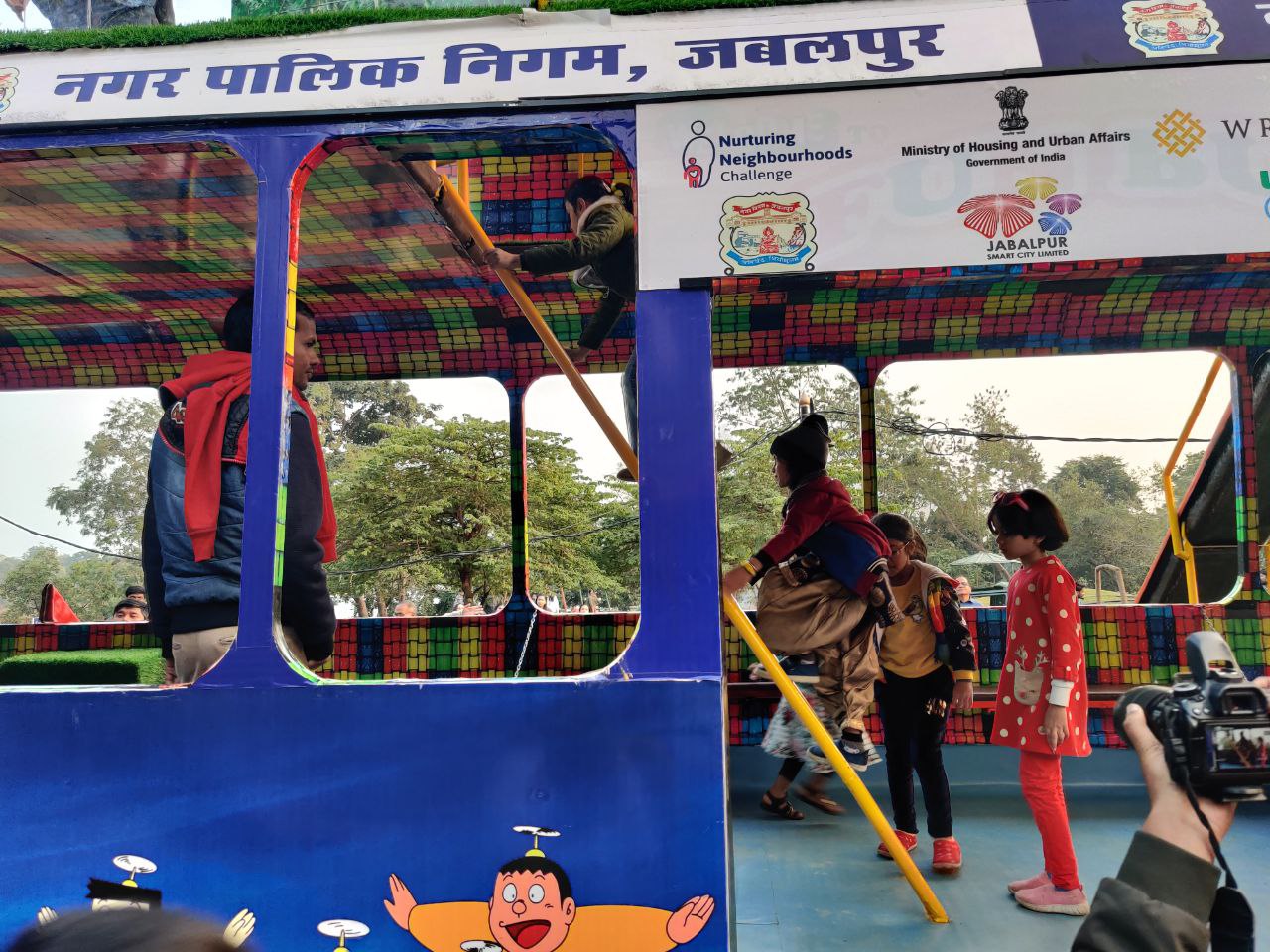
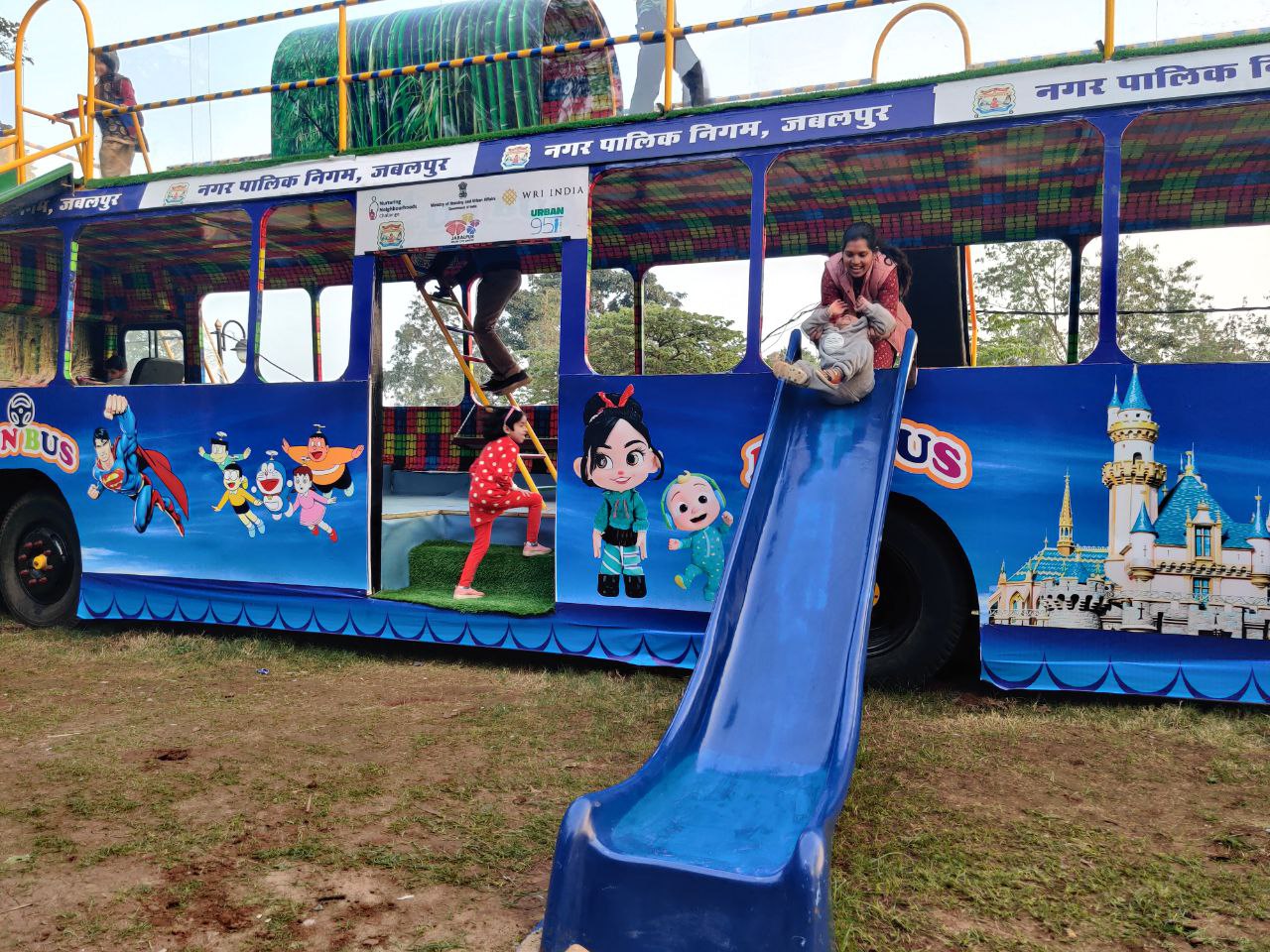
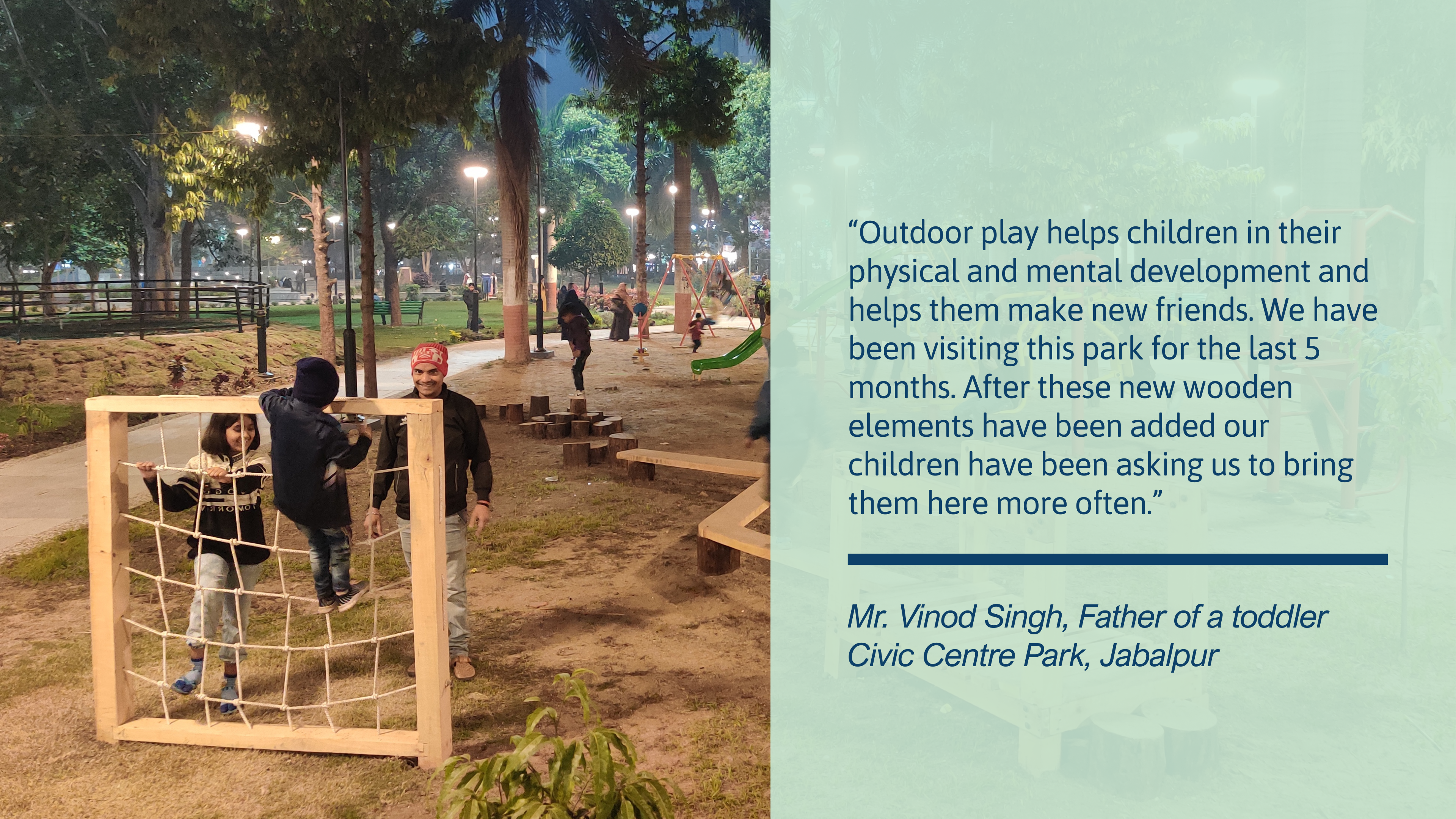
The city has revamped residual open spaces and retrofitted existing parks with age specific play opportunities and outdoor space for community events. Natural wooden and sensory play elements such as balancing beam, obstacle course, wooden logs and grass mounds, along with multi-heighted seating spaces have been added. The maintenance of the park is being undertaken by community members. This has increased the footfall and the time spent by young children outdoors.
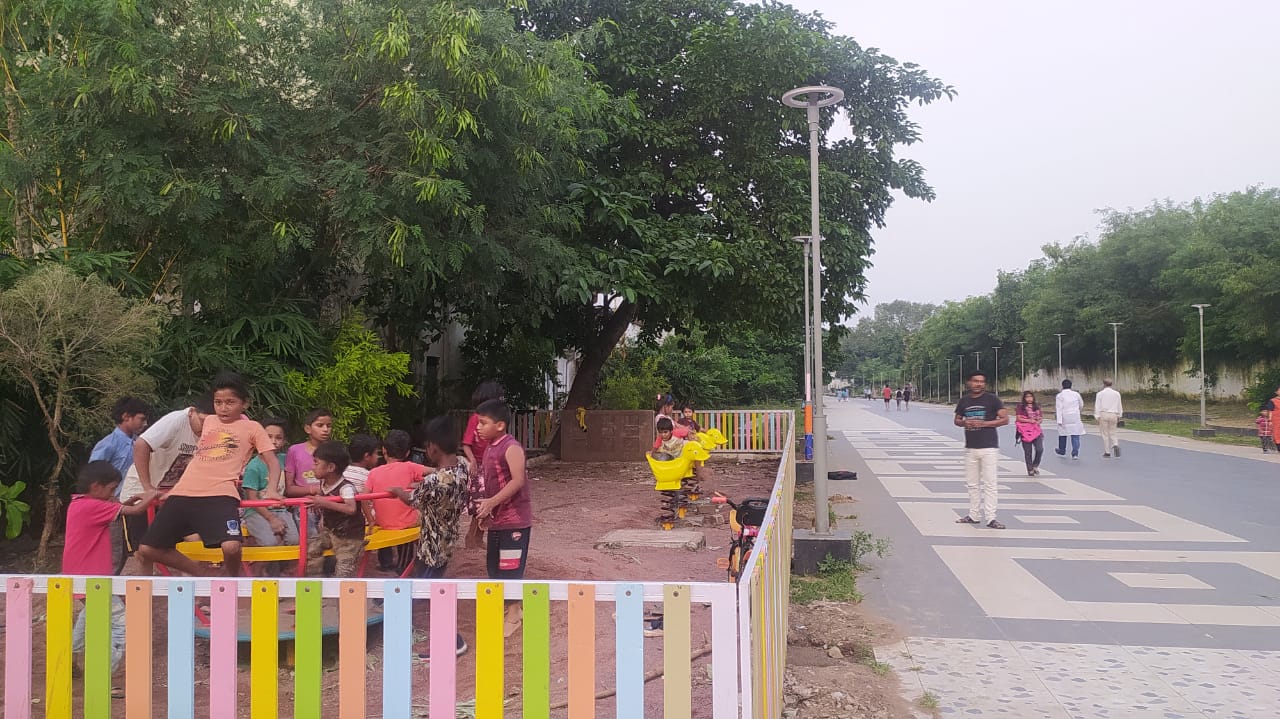
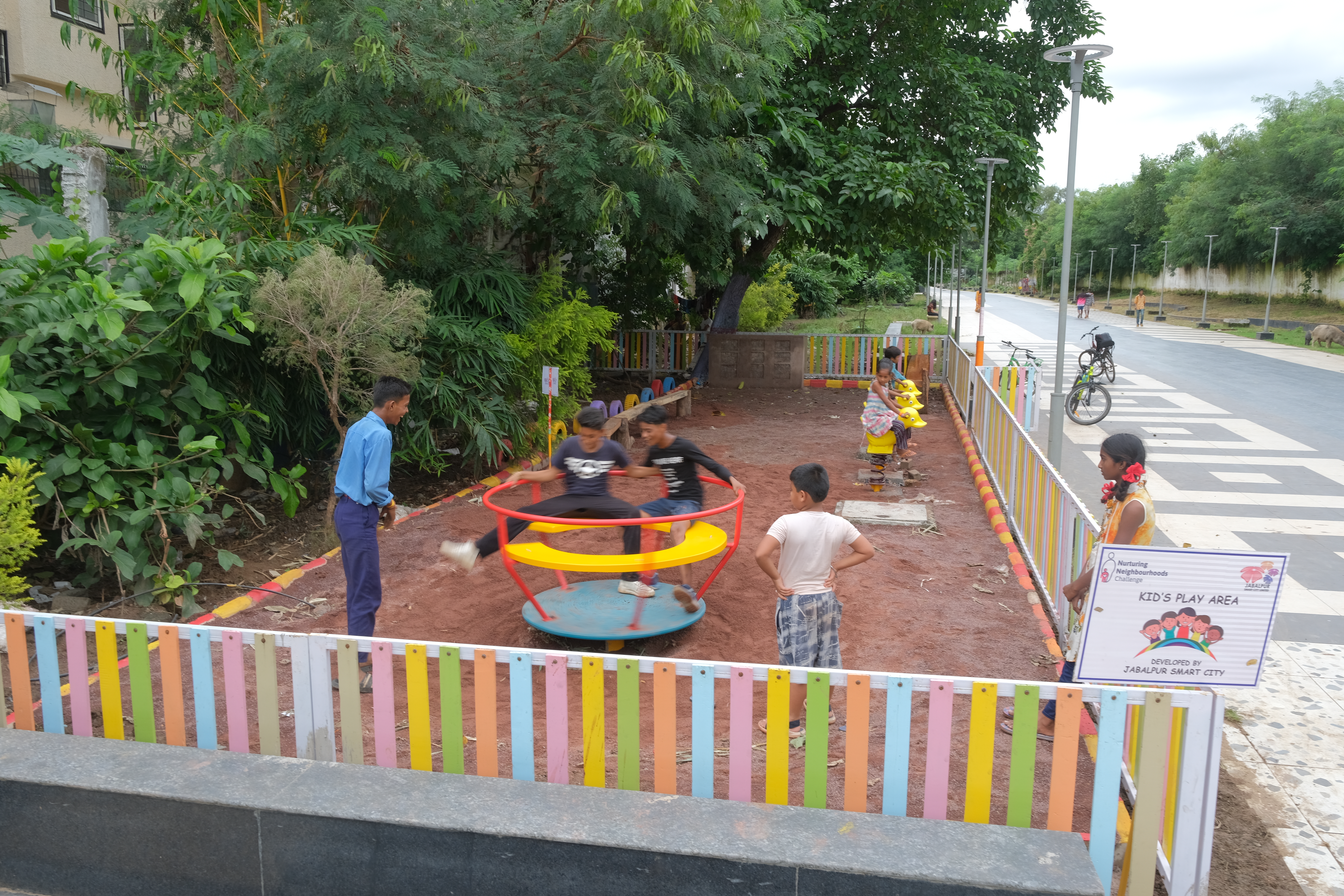
A pocket park has been made along the popular pedestrianized walkway, the Non-Motorised Transport (NMT) Corridor in the city.
This acts as a pause point for pedestrians and a play area for young children using the corridor.
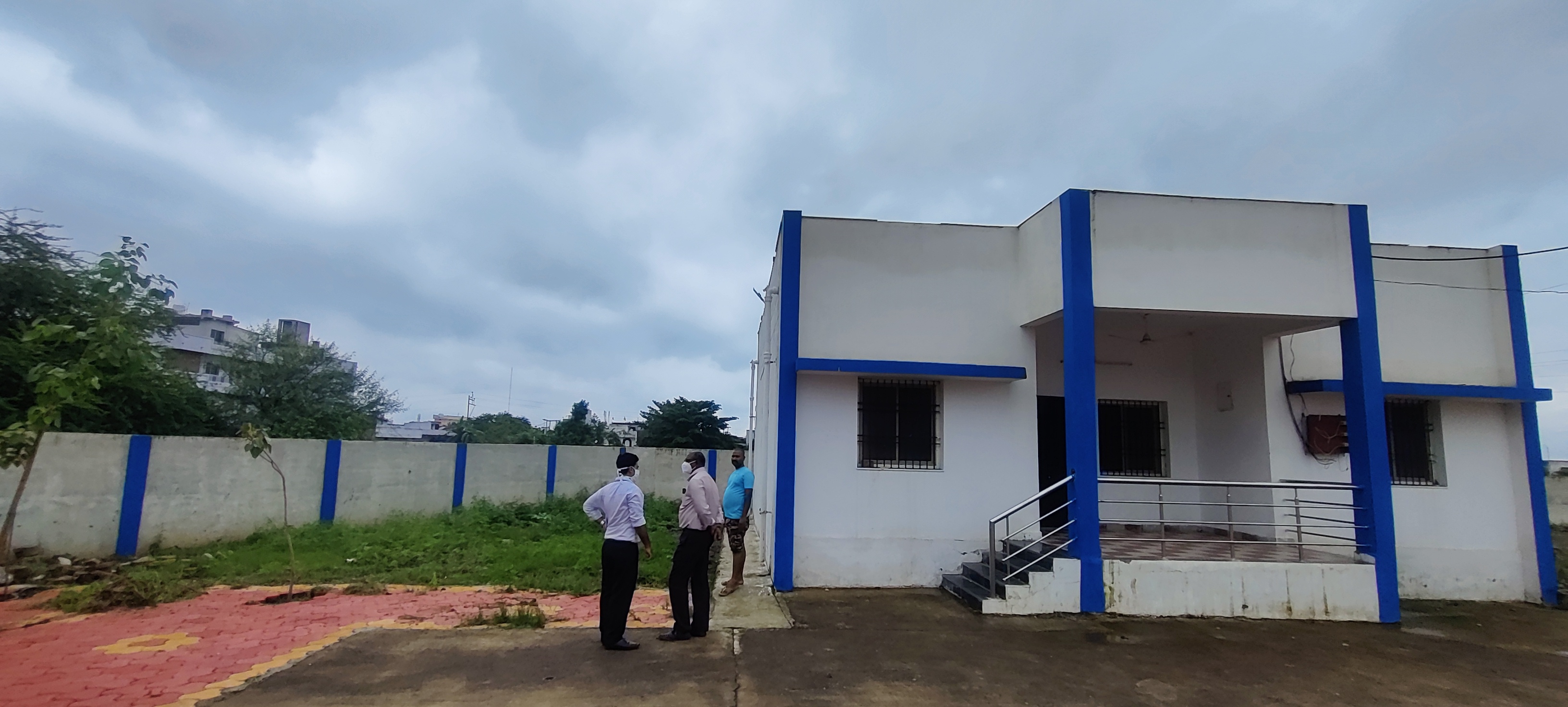
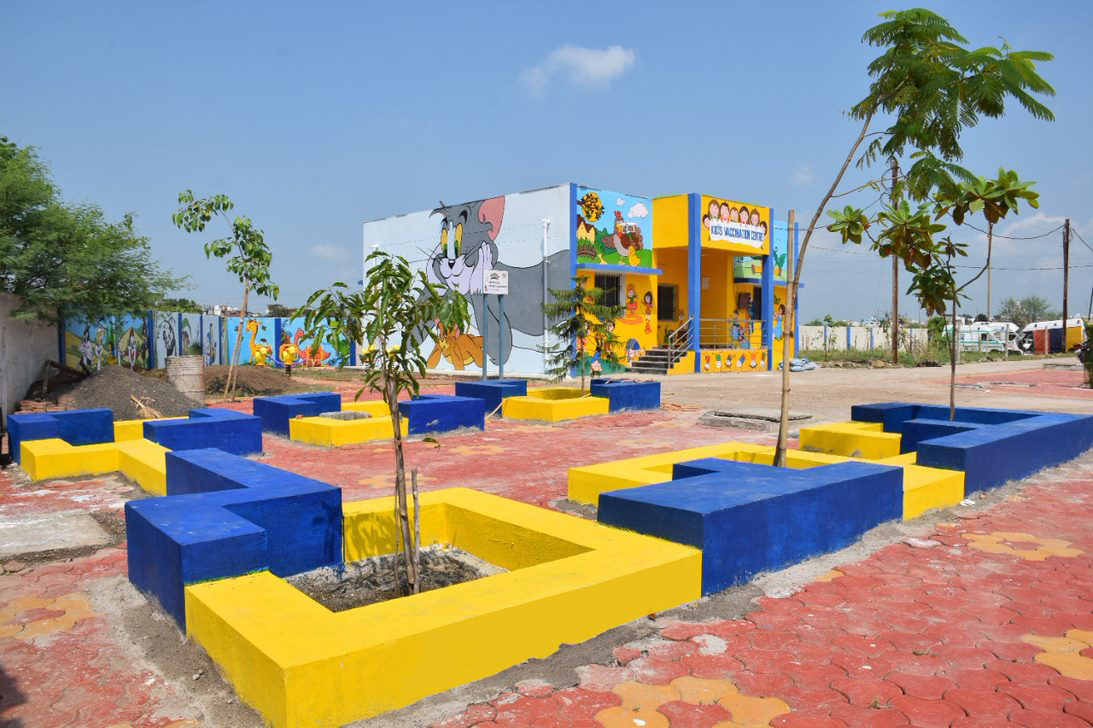
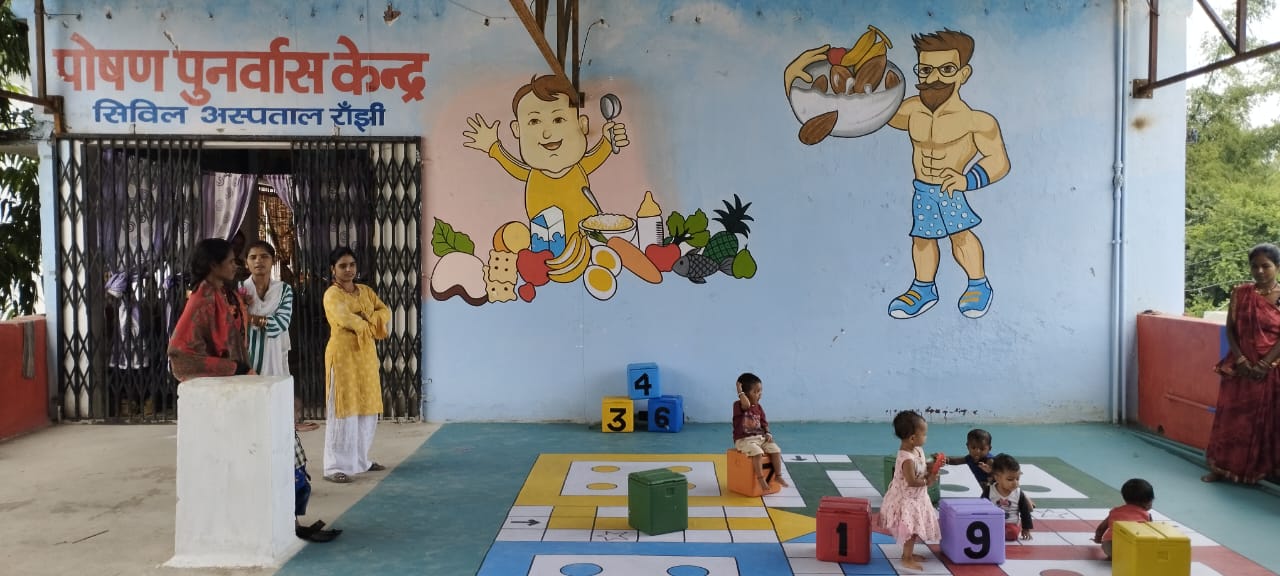
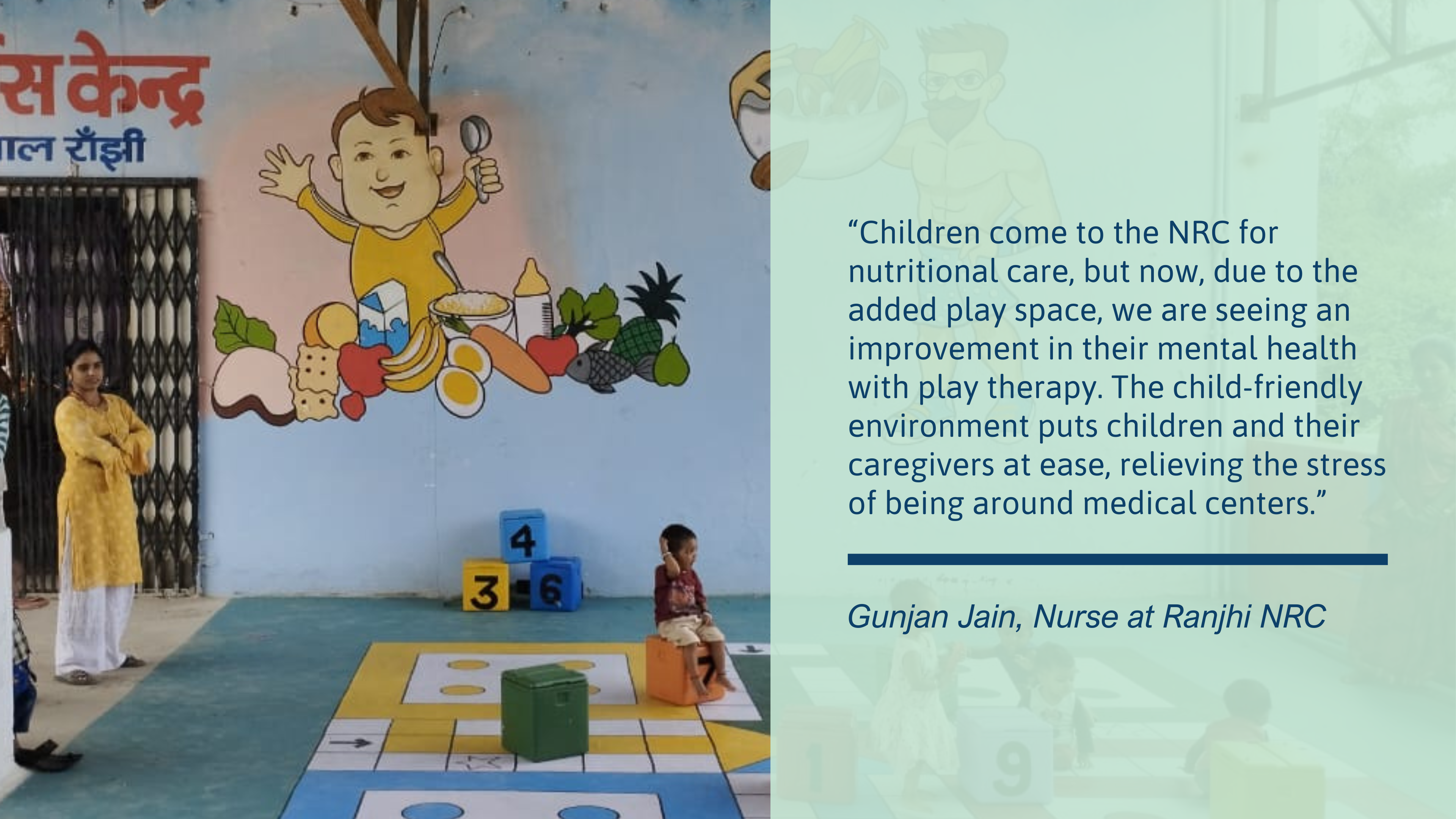
The Nutrition Rehabilitation Centre has been retrofitted with caregiving amenities and a play area on the adjoining terrace, to provide a much-needed relief space for both visiting young children and their caregivers.
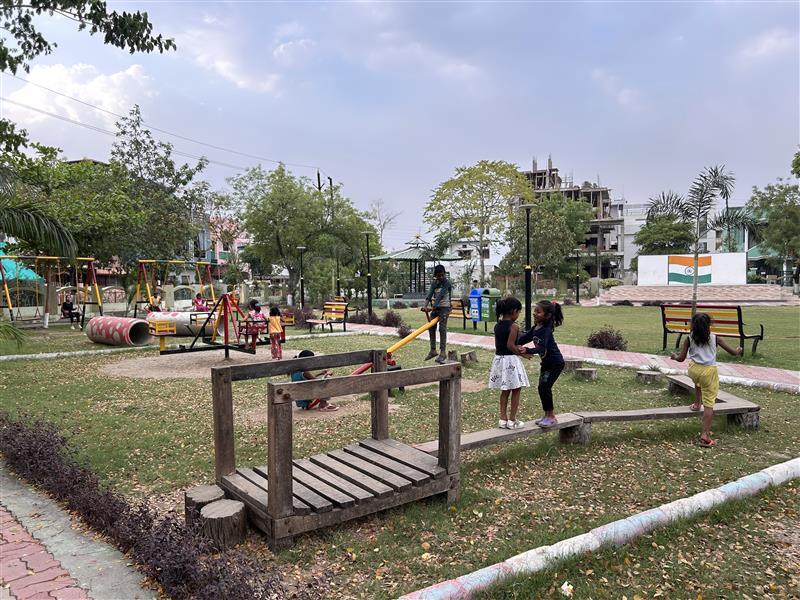
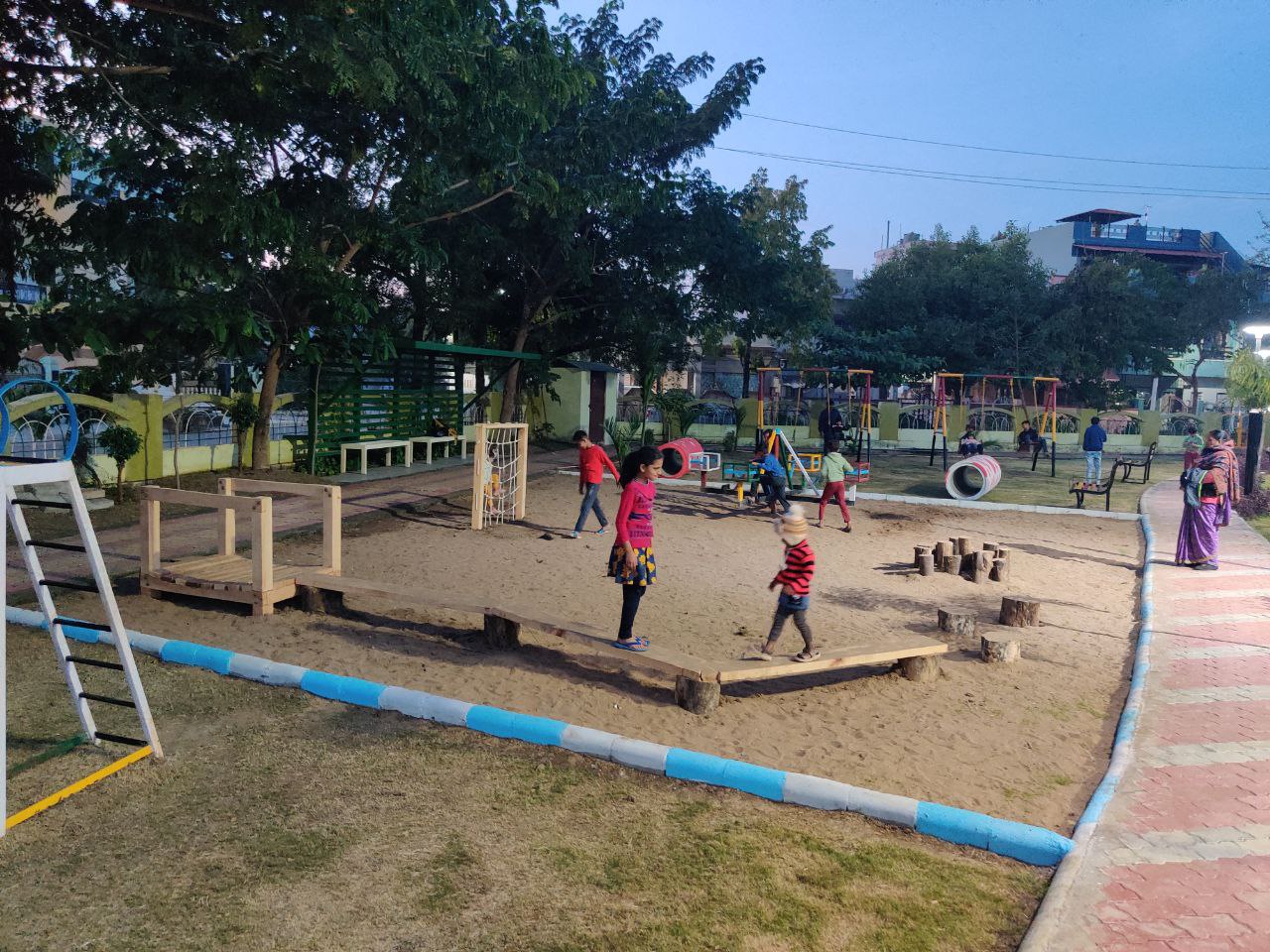
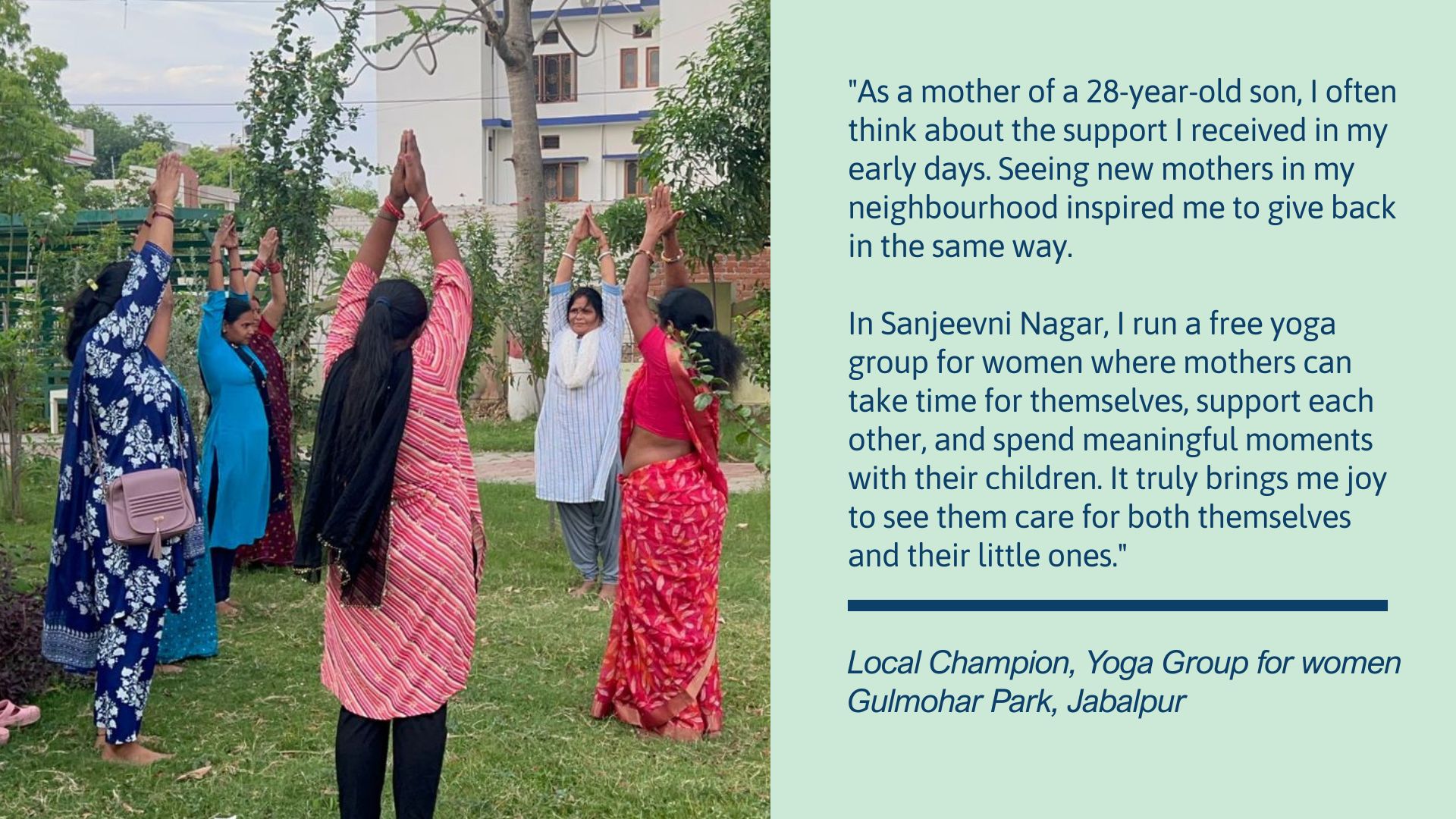
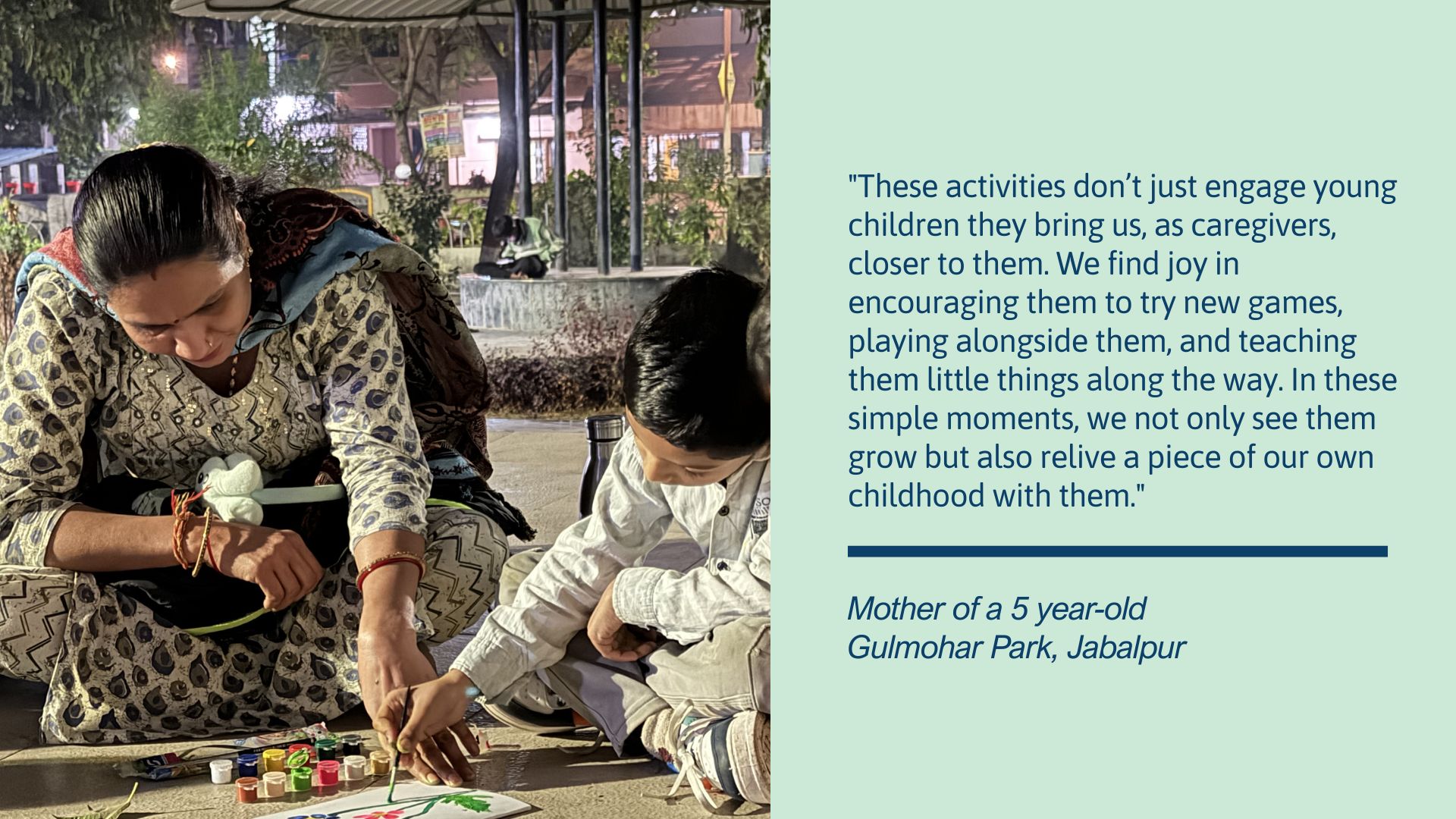
Gulmohar park situated in the middle-income neighbourhood of Sanjeevni Nagar in Jabalpur provides access to a much-needed, outdoor play and interaction space for young children and caregivers. The park has age-specific play area made for young children withwooden play elements and also includes a walking track and seating spaces for caregivers.
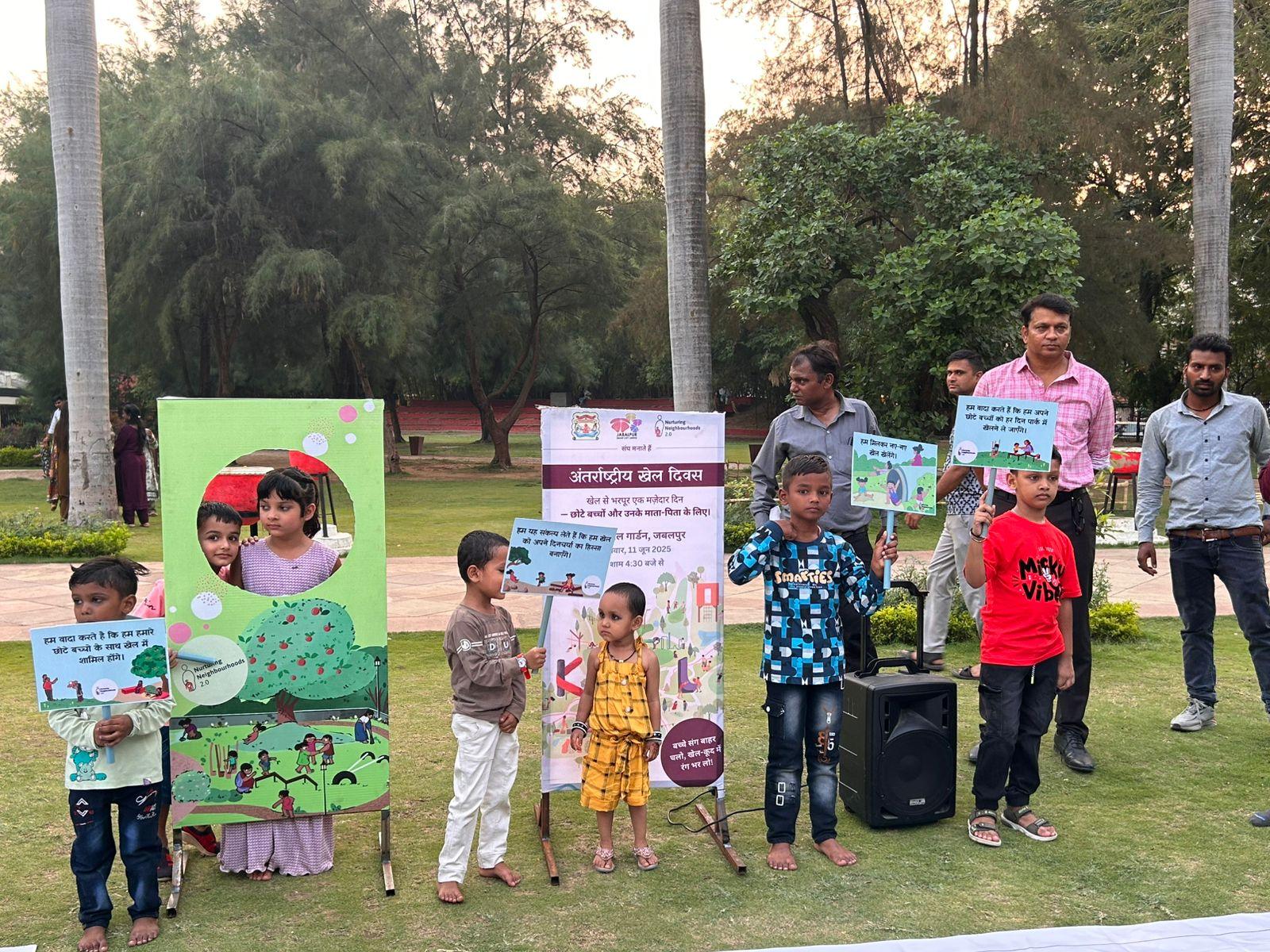
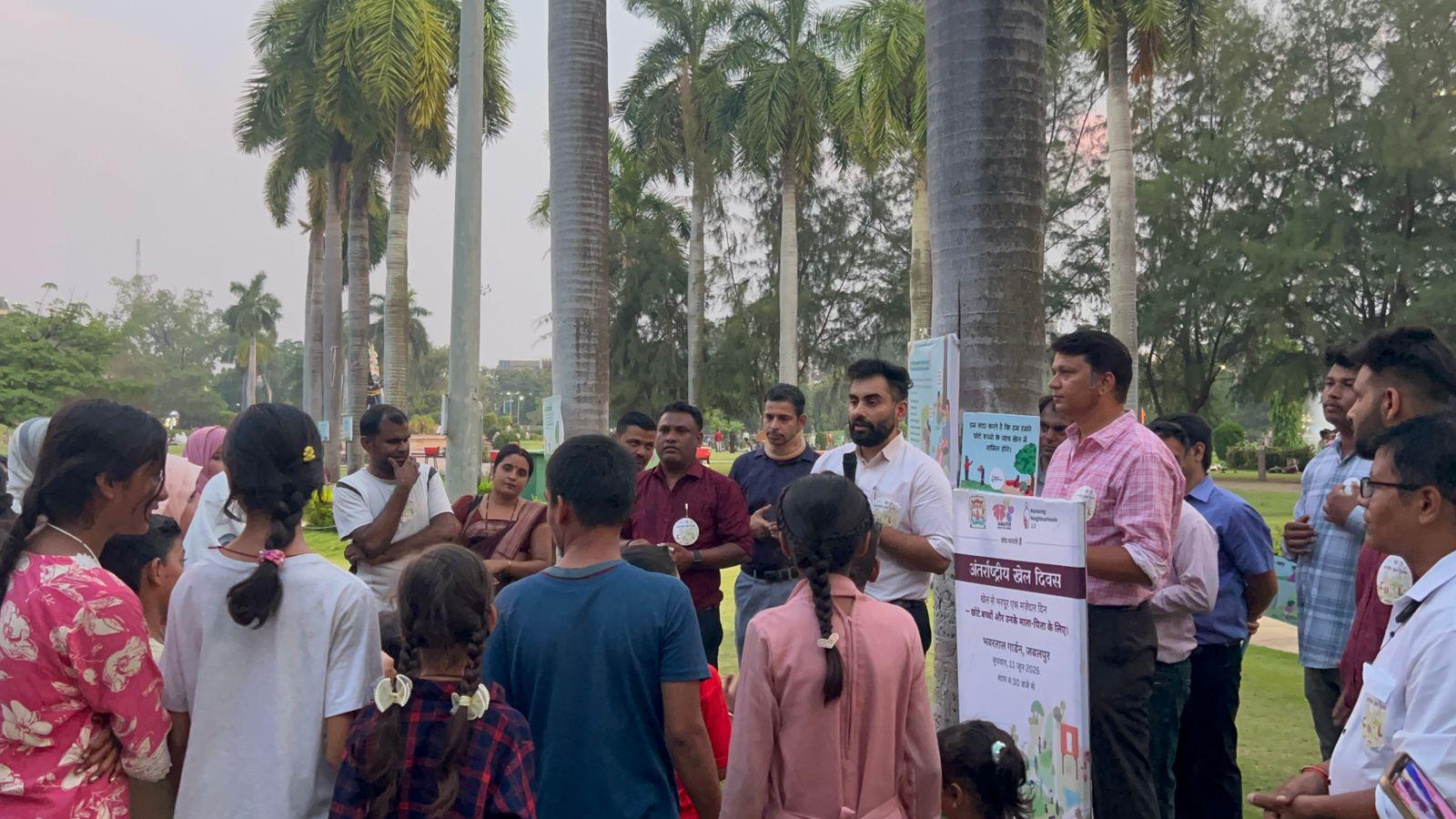
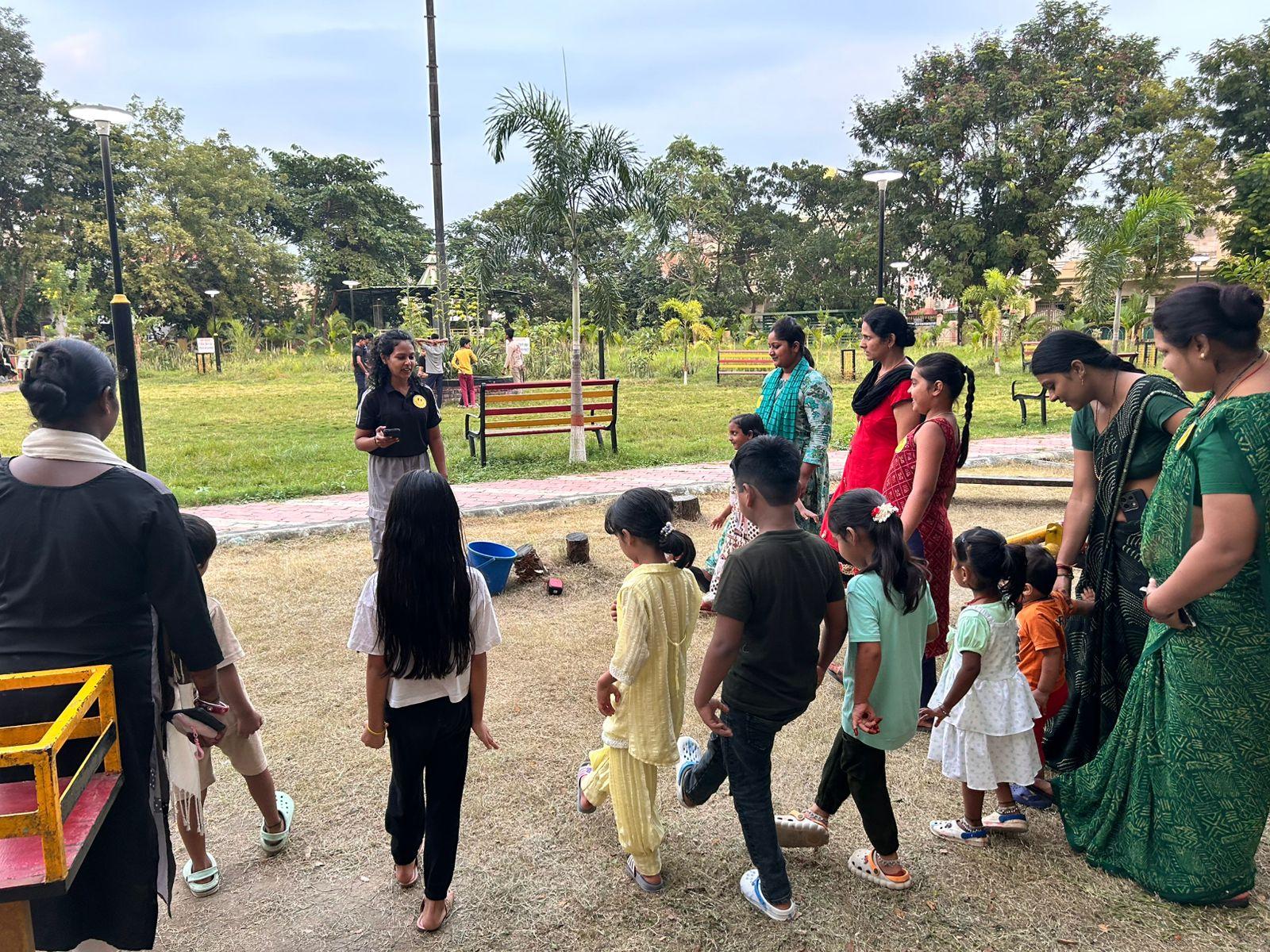
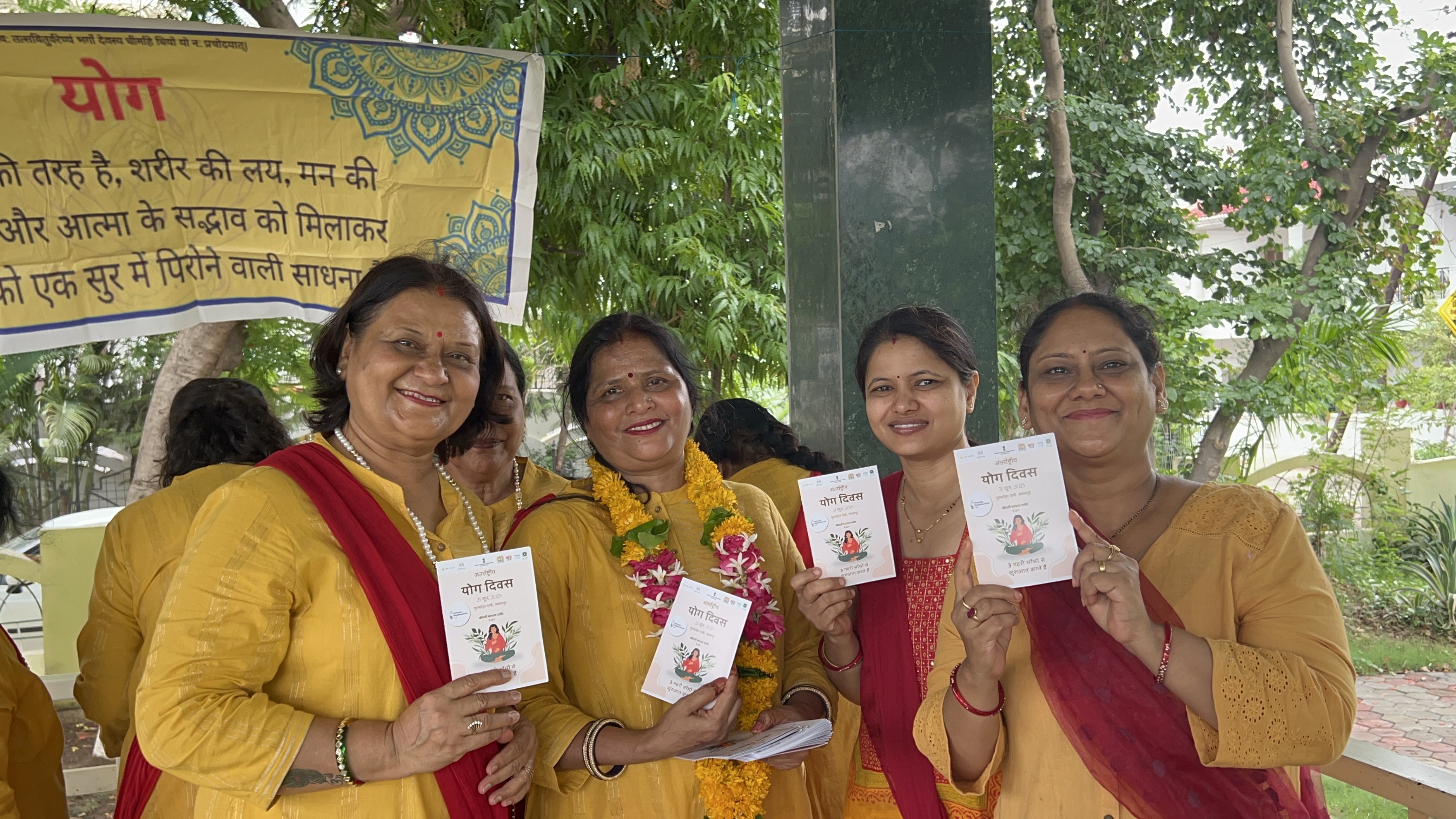
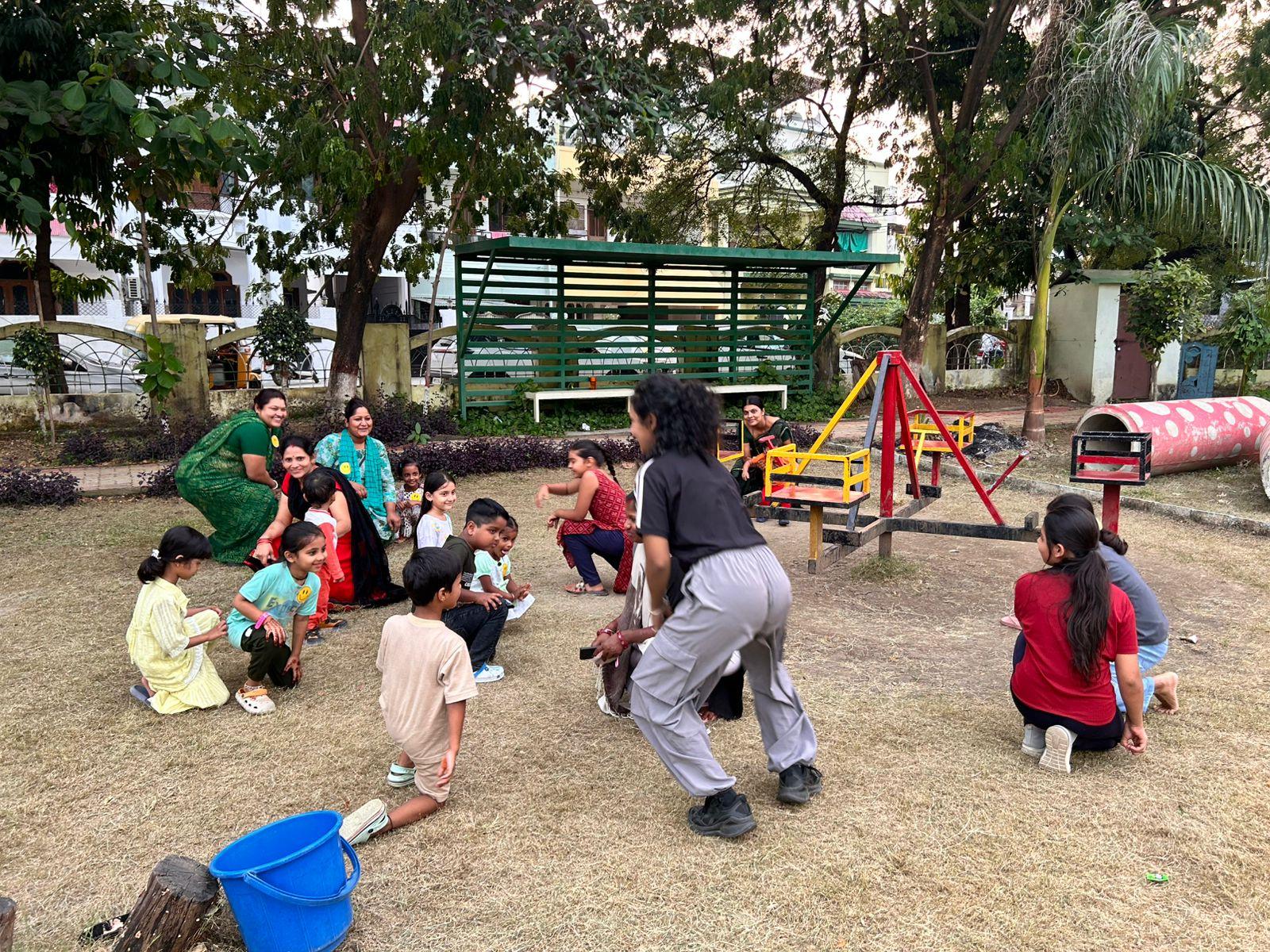
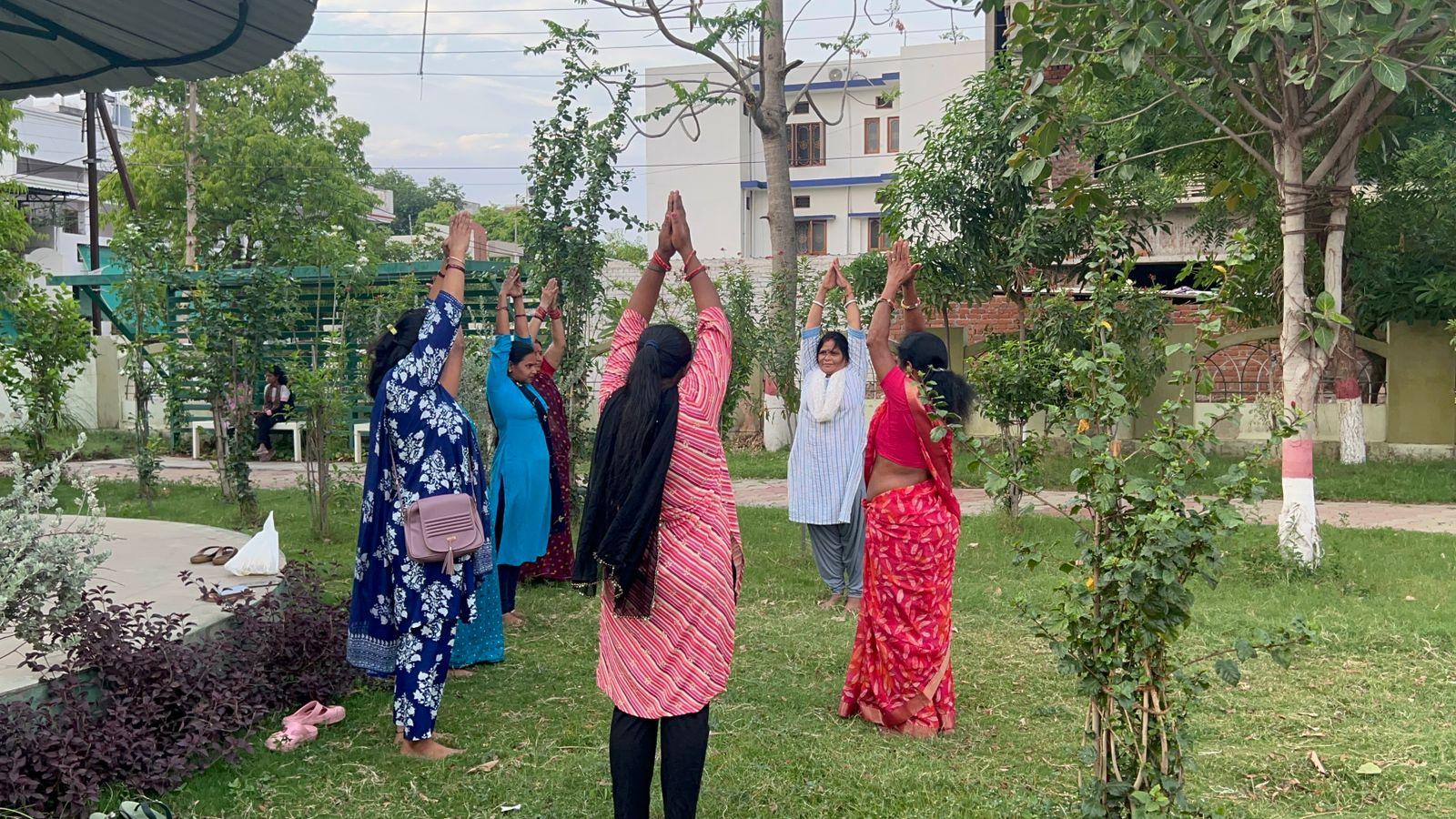
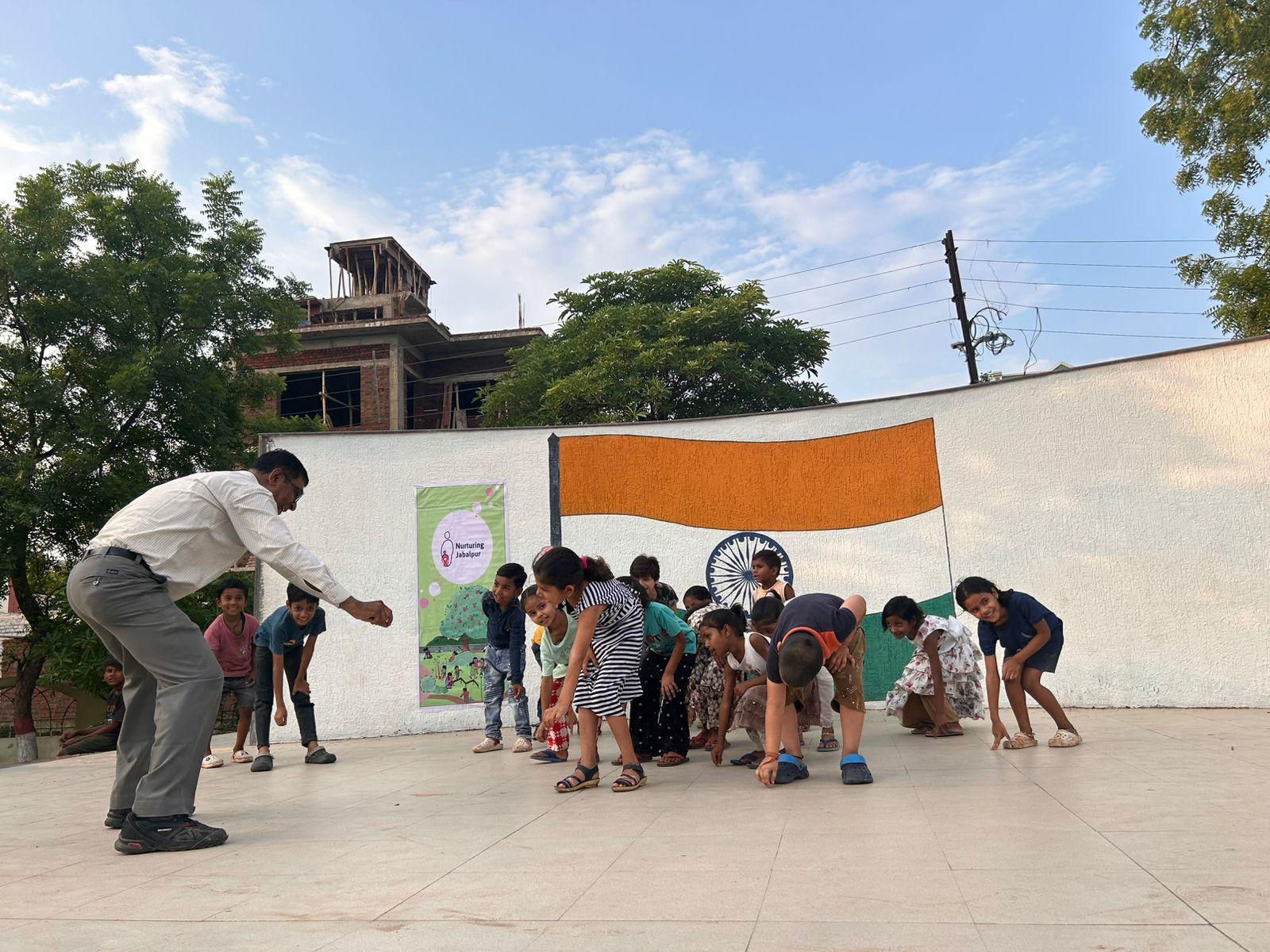
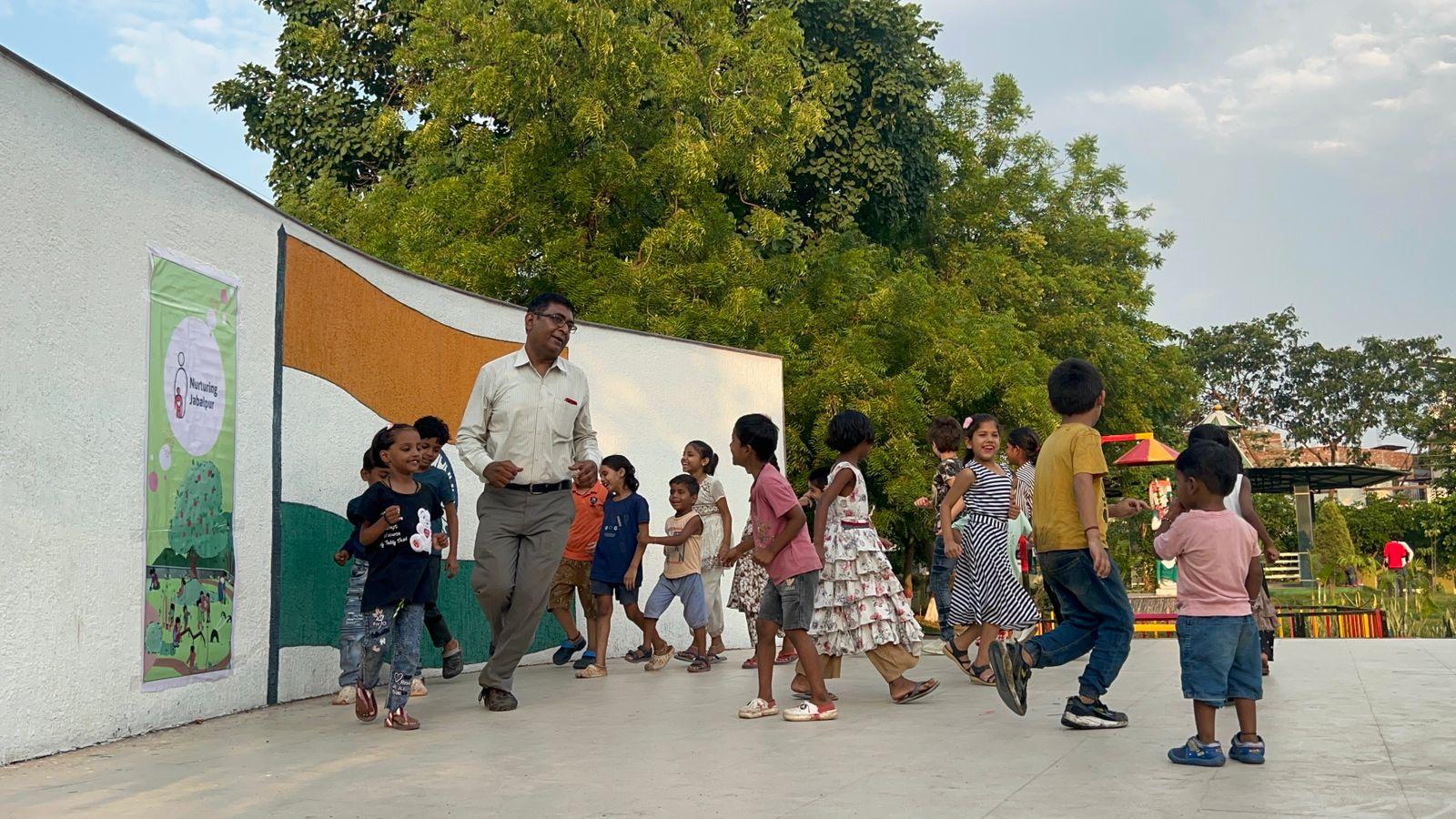
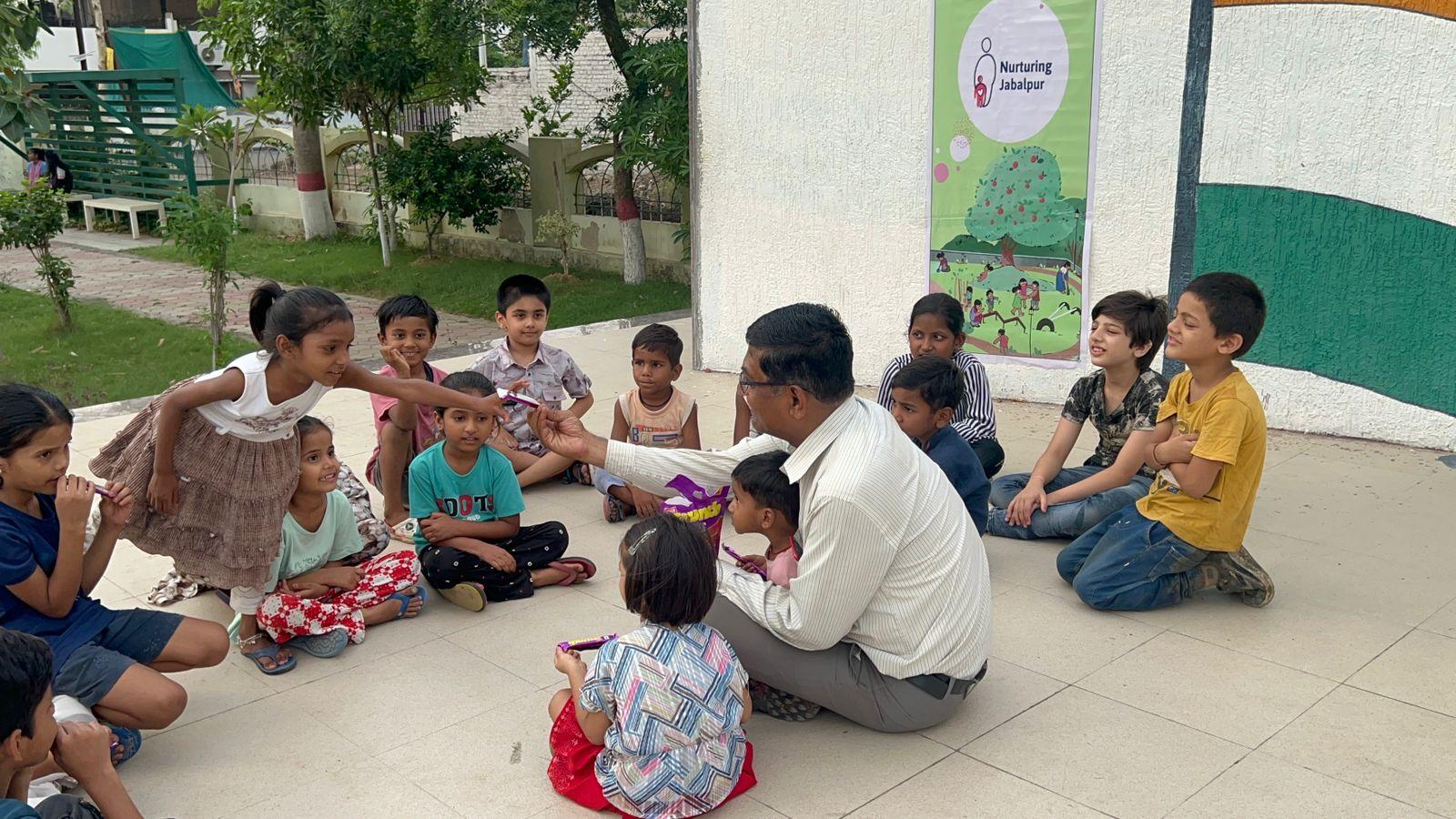
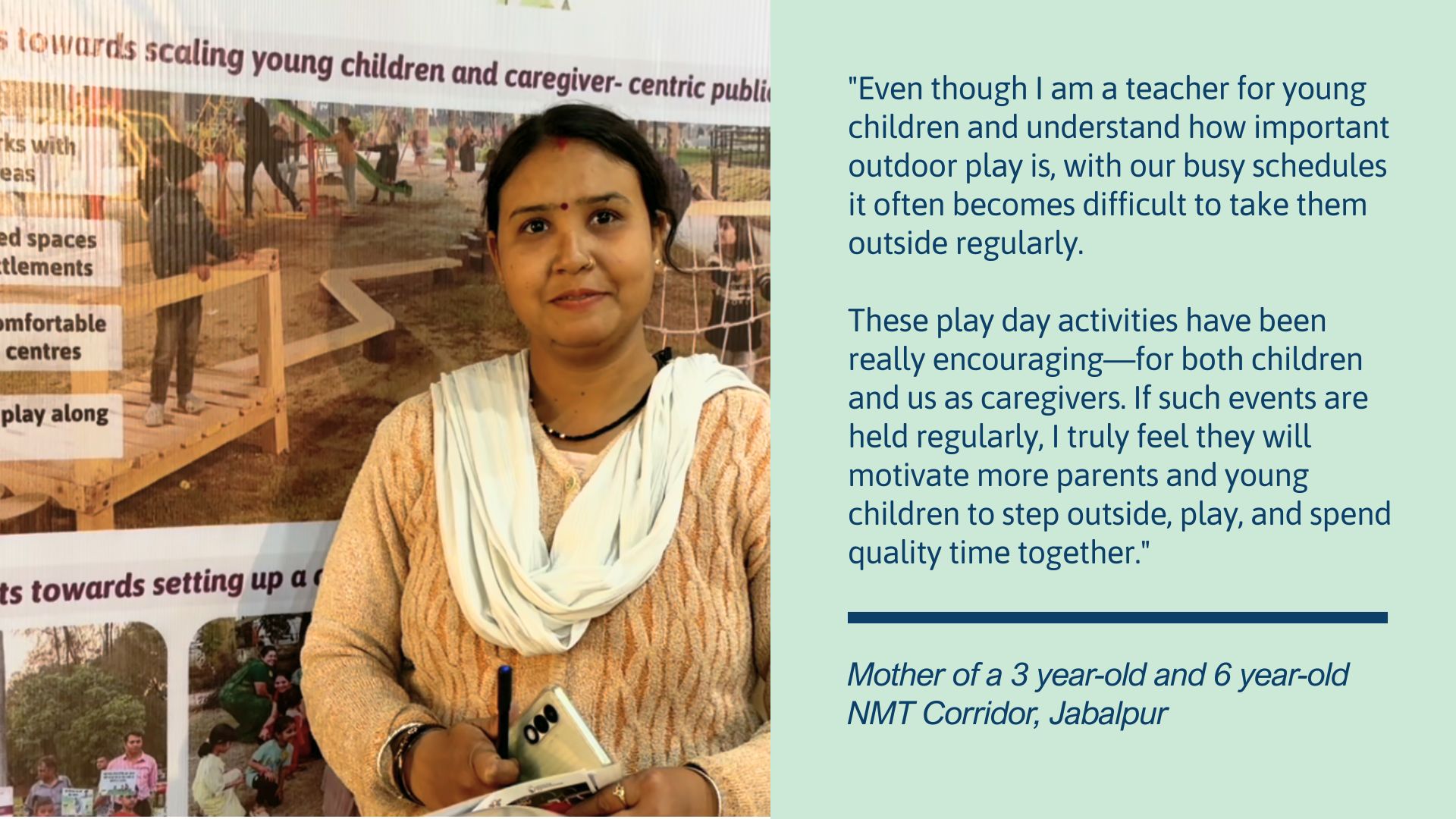
Going beyond implementation, there is a need to instil a sense of belonging towards these spaces, enabling people to overcome behavioural barriers and utilize these spaces to their complete potential. Activating these spaces through regular programming of events can help to sustain continuous usage of public spaces by target user groups i.e. caregivers and young children and foster community-led support systems for caregivers. These activation events are supported by local leaders and are conducted at both city and neighbourhood levels to ensure wider outreach. Activities such as storytelling, yoga sessions, and play-based engagements have been organized in parks across Jabalpu,encouraging young children and caregivers to spend more time outdoors and helping build a culture of play in the city.
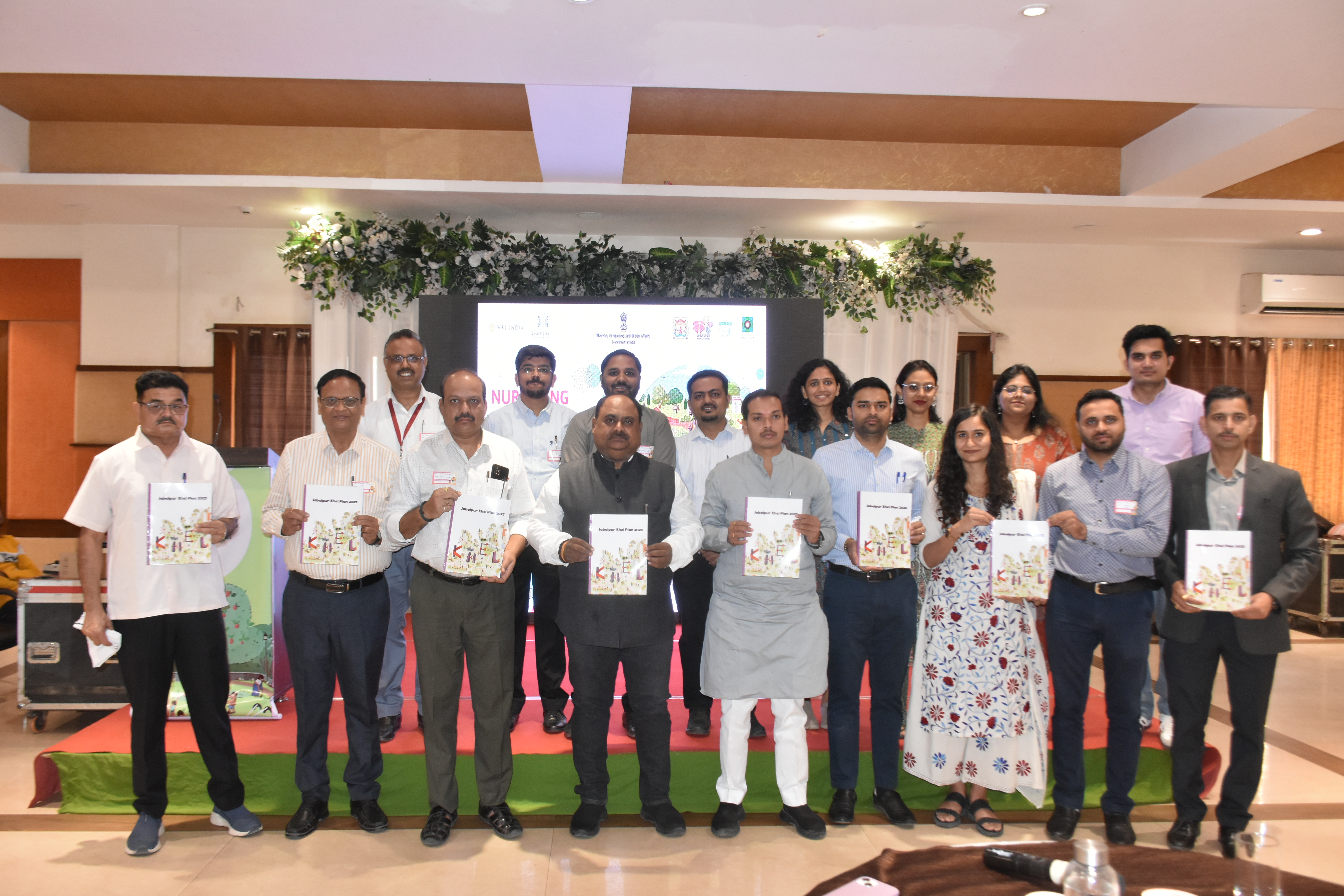
Jabalpur became the first city in India to launch a Play Masterplan, the Jabalpur Khel Plan to systematically scale playful public spaces at every 500M across neighbourhoods. Using a data driven approach, the plan will help city agencies identify sites for creating young children friendly play spaces. A Khel cell has been set up by the city agency to anchor and oversee the operationalization and implementation of the Khel Plan, bringing together key stakeholders and ensuring cross departmental coordination.
A notification was issued to the Colony Cell mandating the inclusion of young children and caregiver-friendly design elements in community open spaces within all upcoming colonies in Jabalpur. These requirements have been formally integrated into the Vikas Anumati guidelines, making compliance mandatory for all builders seeking a completion certificate from the Colony Cell.
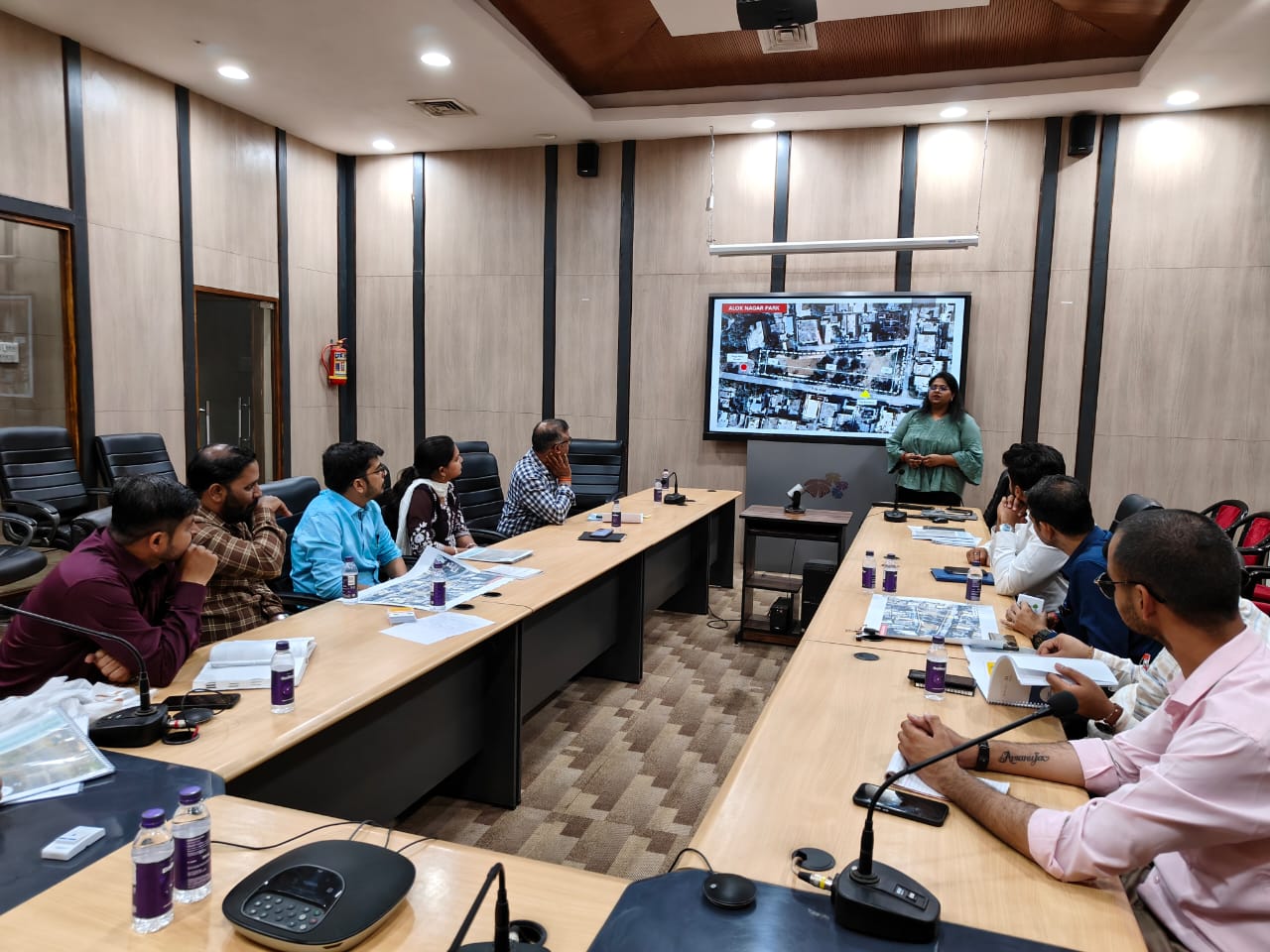
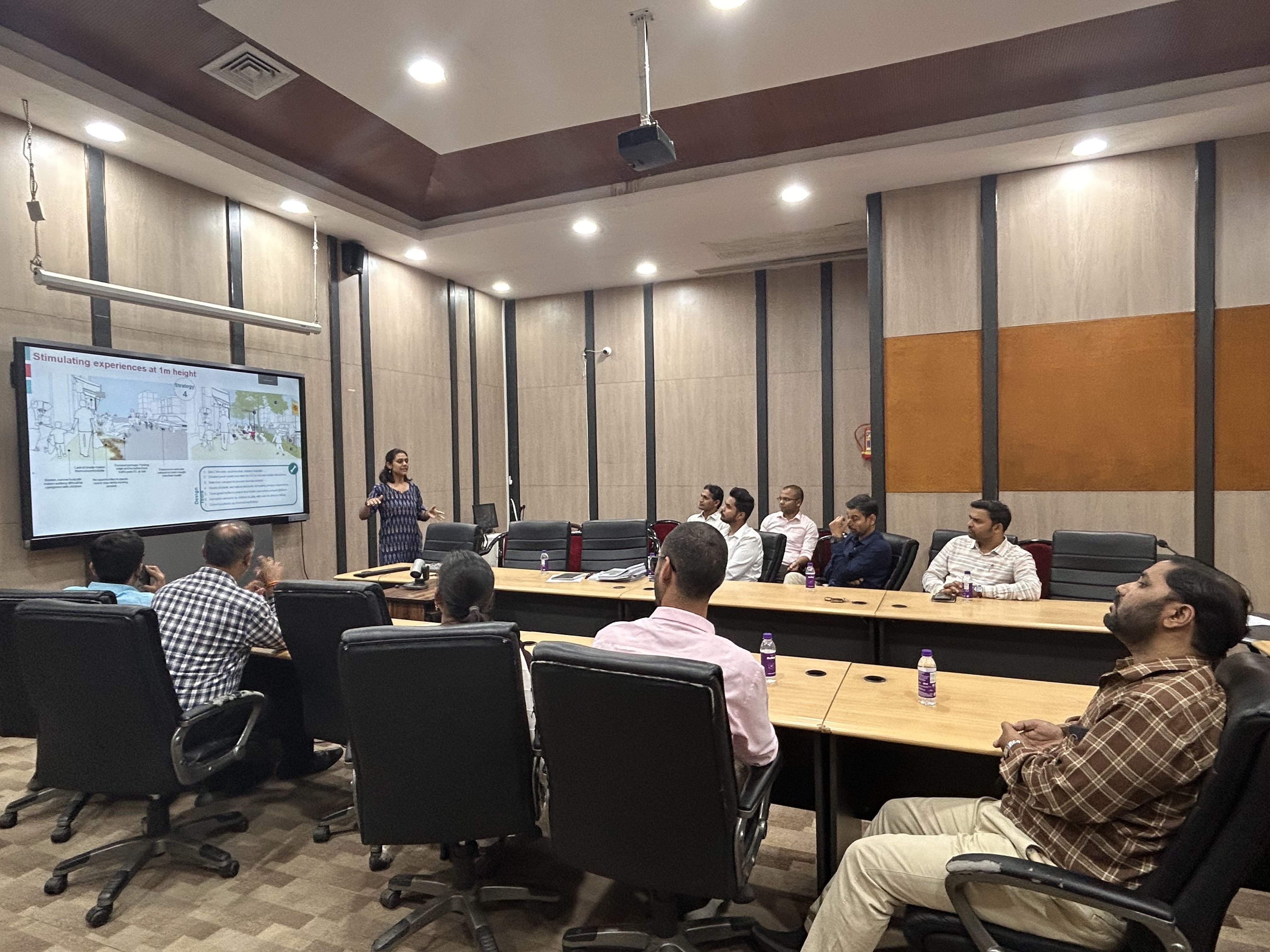
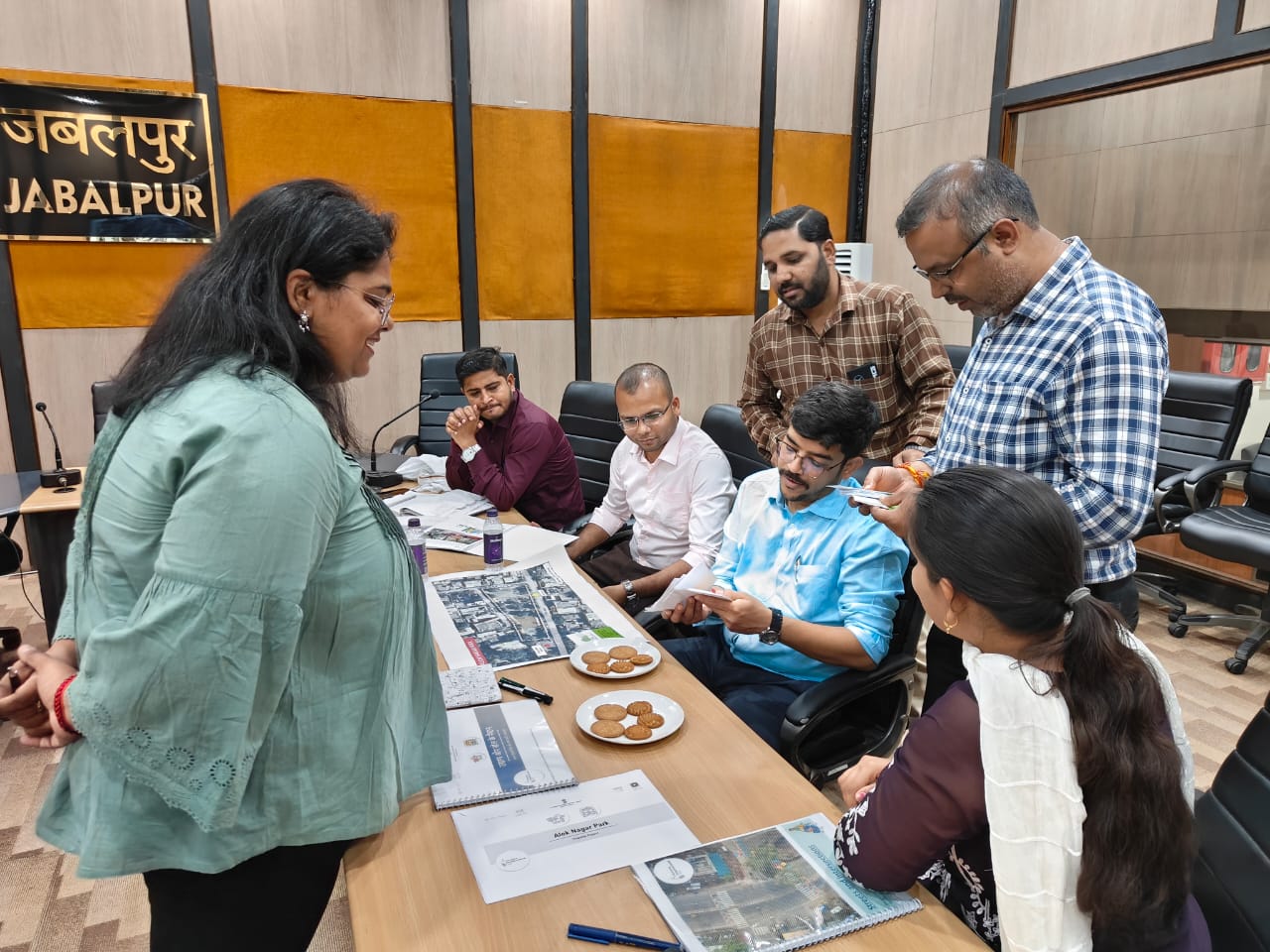
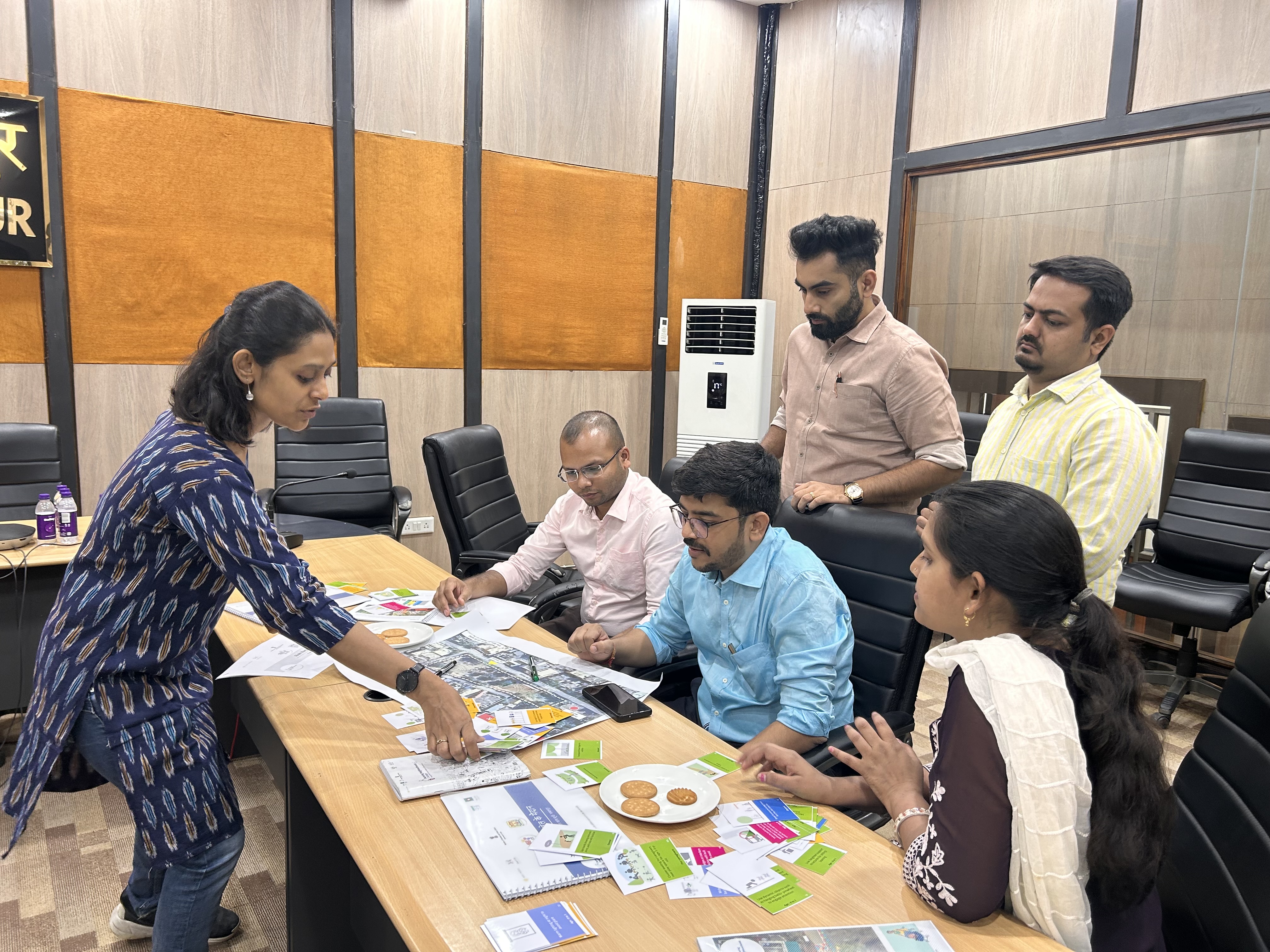
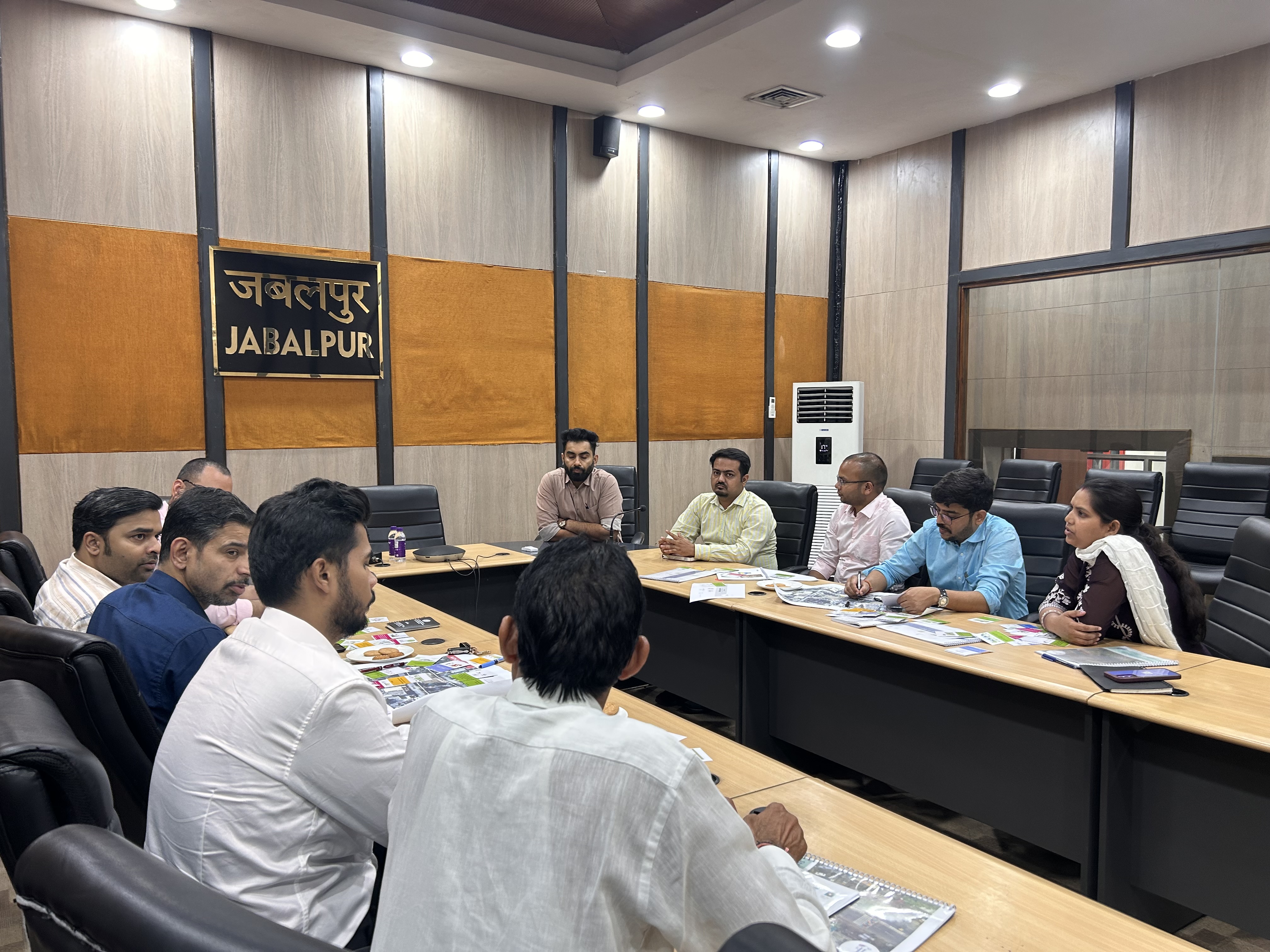
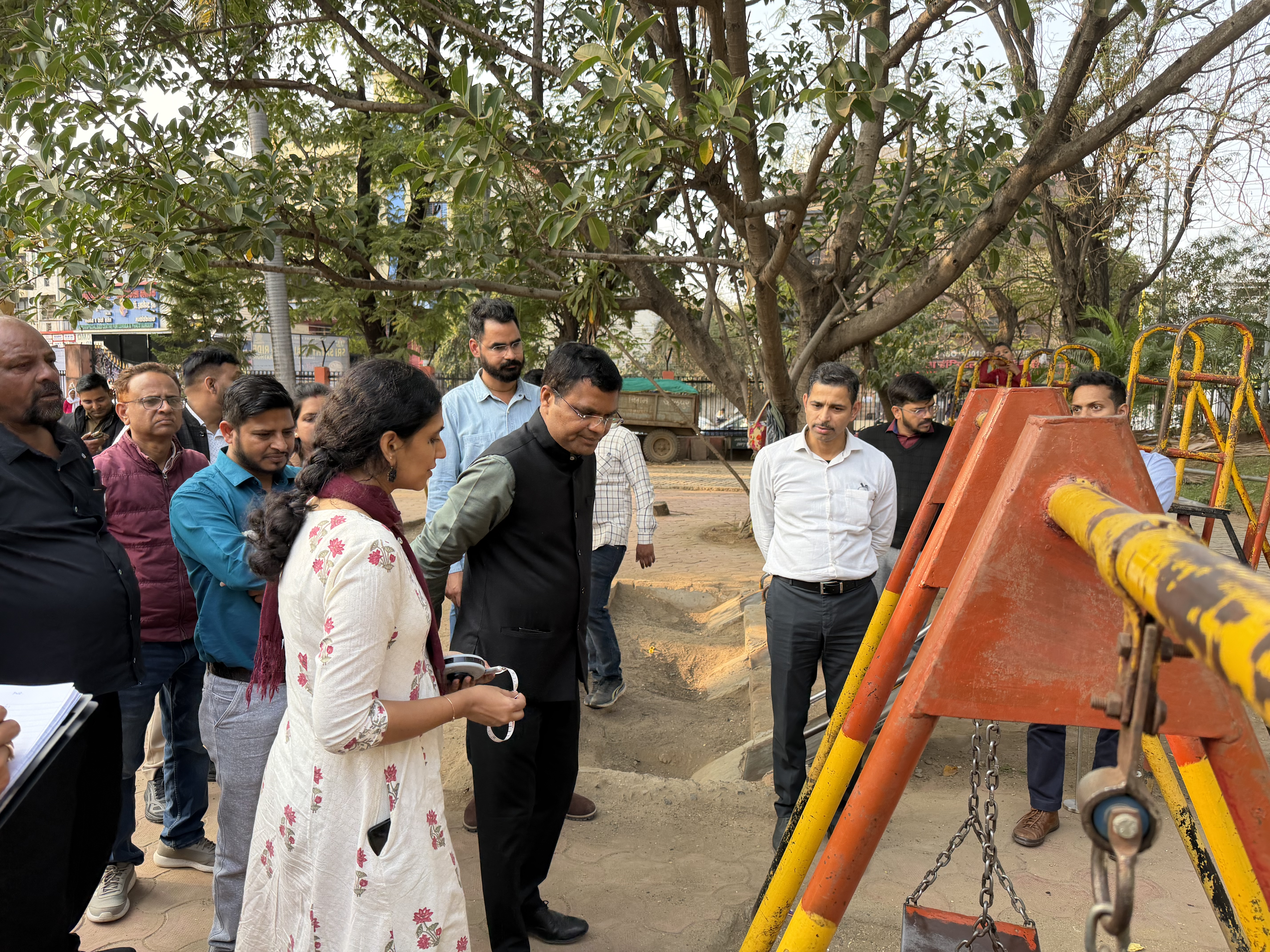
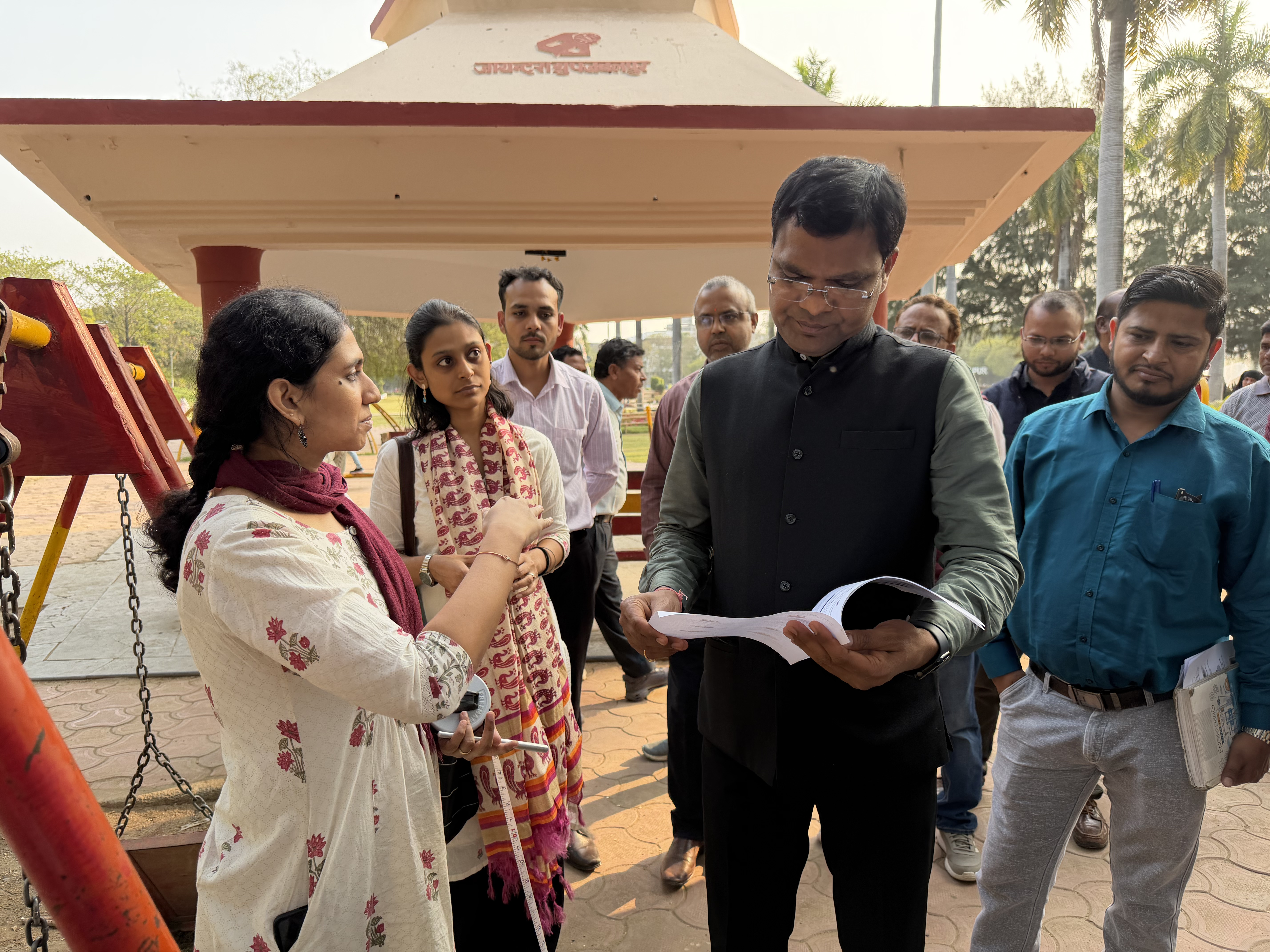
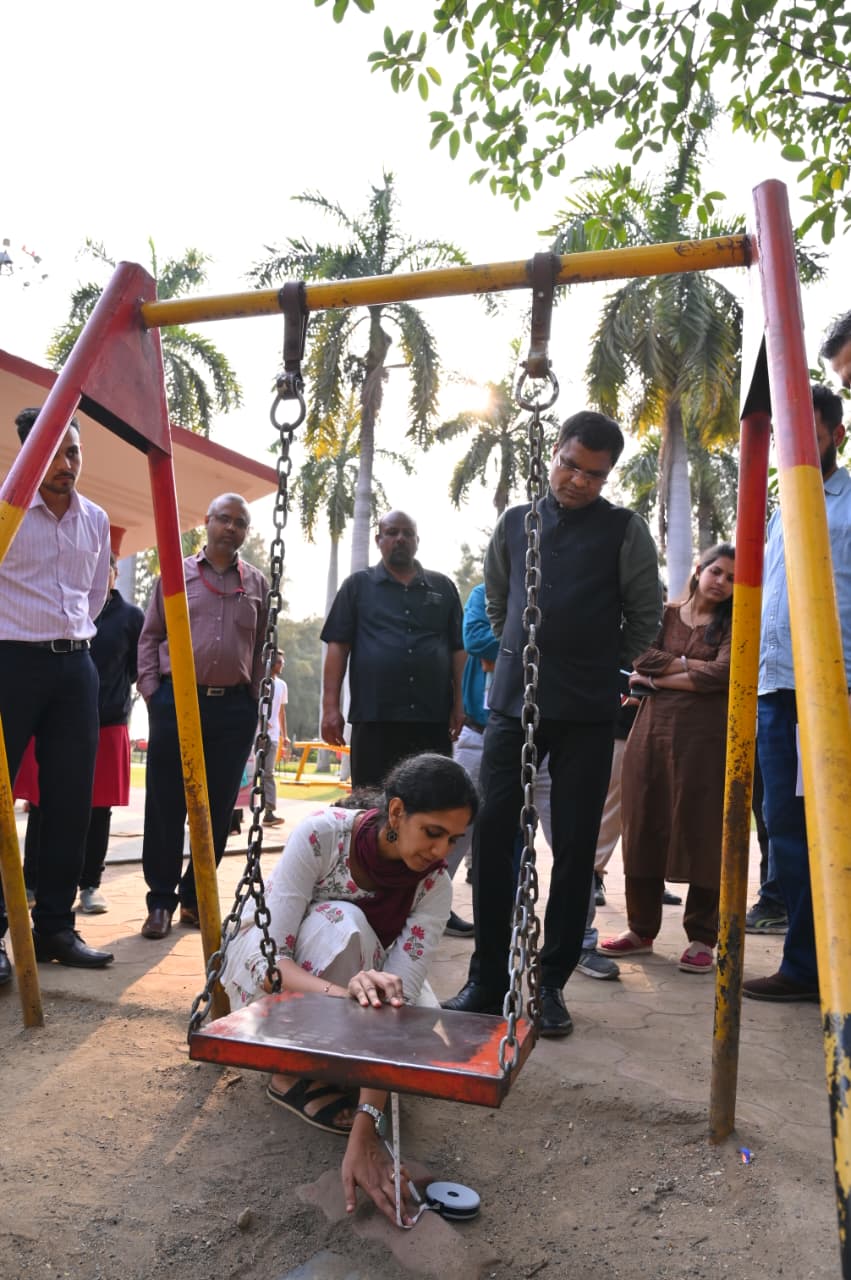
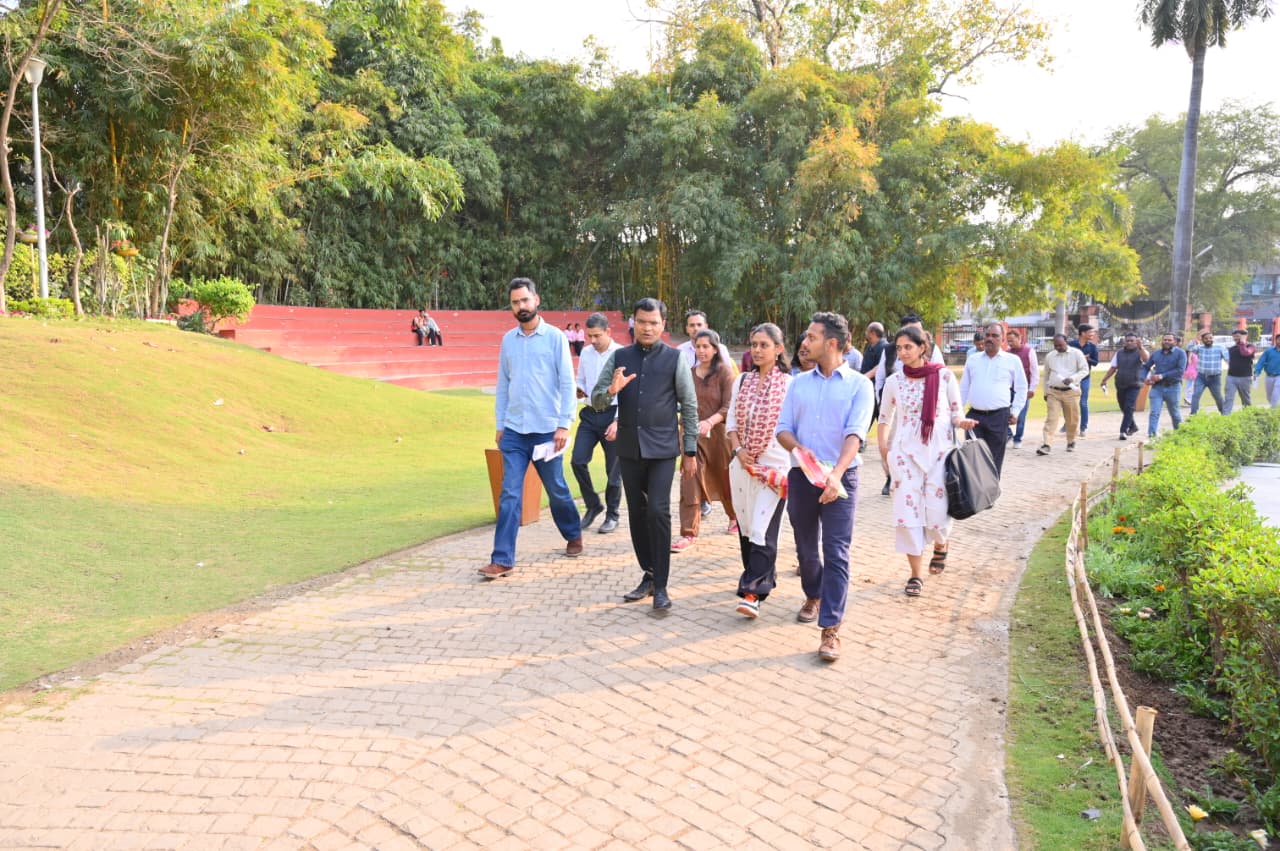
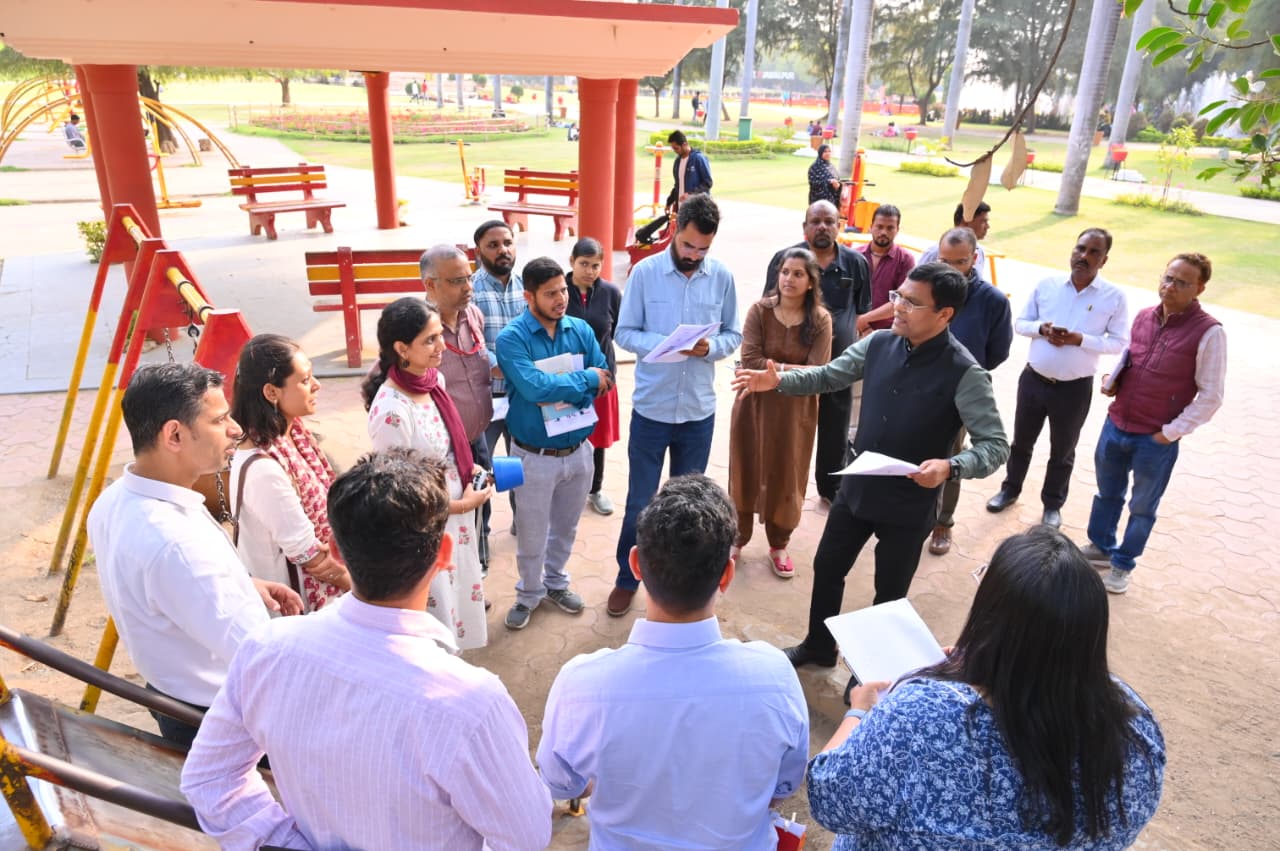
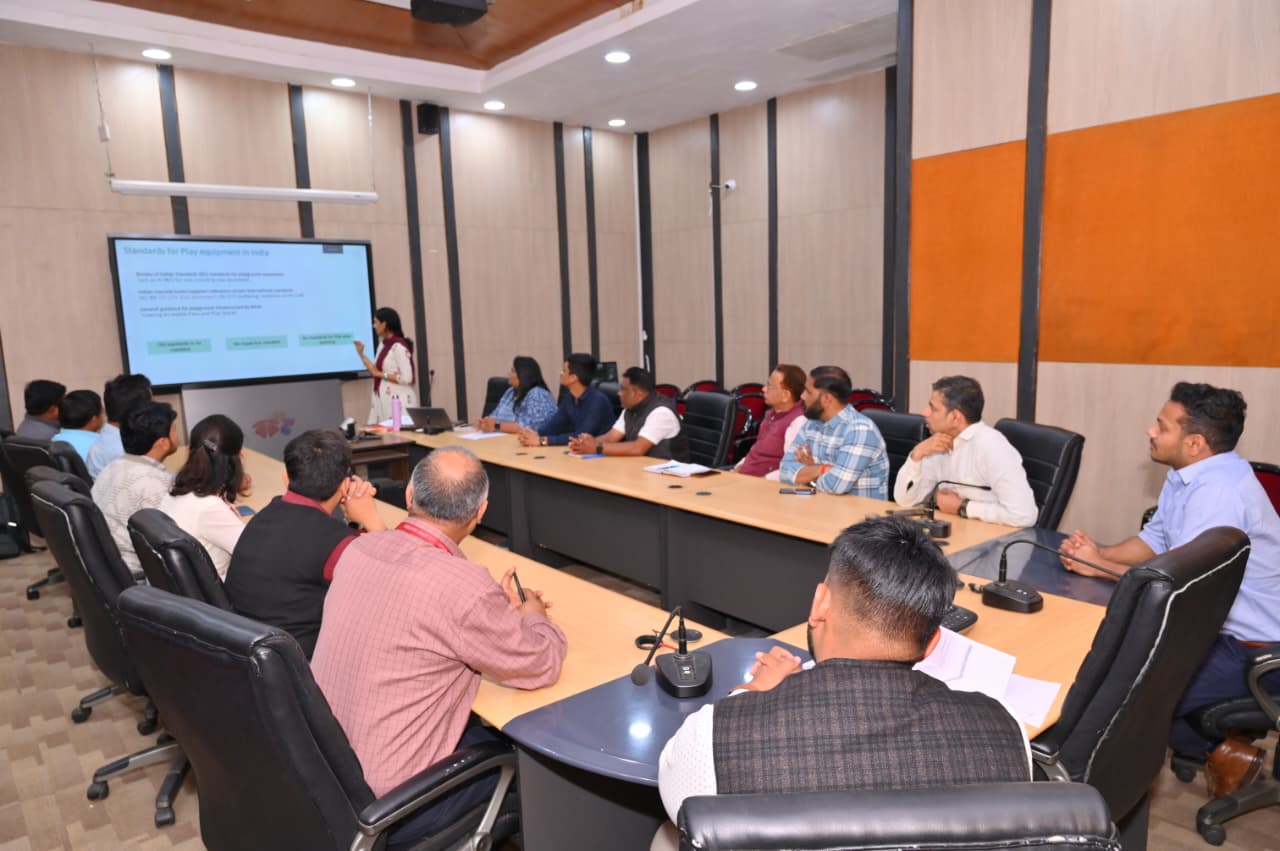
A playground safety training was conducted for engineers from Jabalpur Smart City Limited, Jabalpur Municipal Corporation, Town and Country Planning Department, and Jabalpur Development Authority. The session focused on understanding key safety standards forplay areas and building capacity to conduct safety audits and assessments.
This initiative supports the implementation of the Jabalpur KHEL Master Plan (2025), including the development of a Safety Audit Framework. Going forward, officials will work towards creating a context-specific system to regularly assess and improve play spaces, ensuring they are safe, inclusive, and suitable for young children.